
Popular Options and Variations
Printable number lines come in various forms to suit different needs: For a closer look at something similar, my post on usa flag printable covers the details.
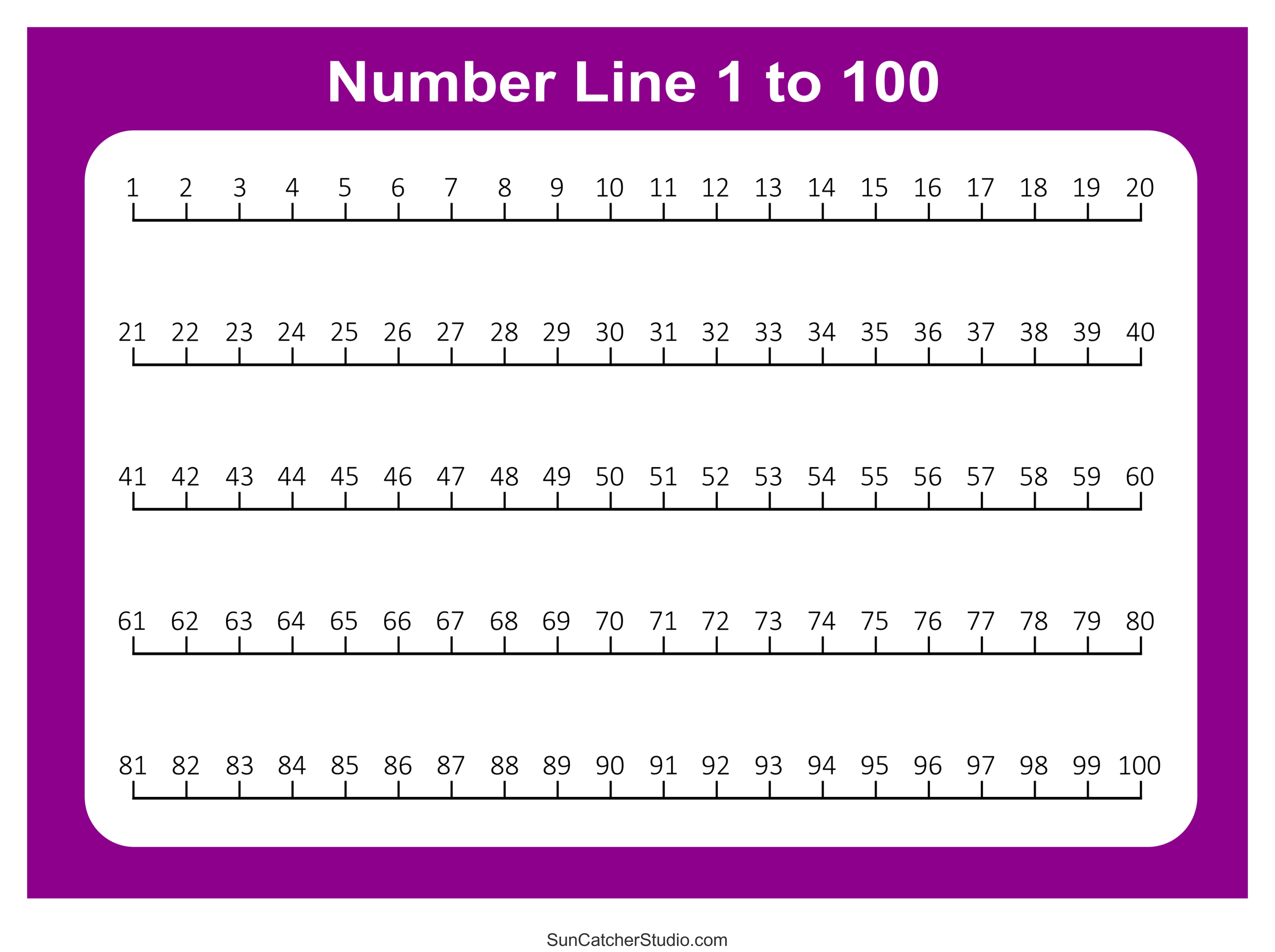
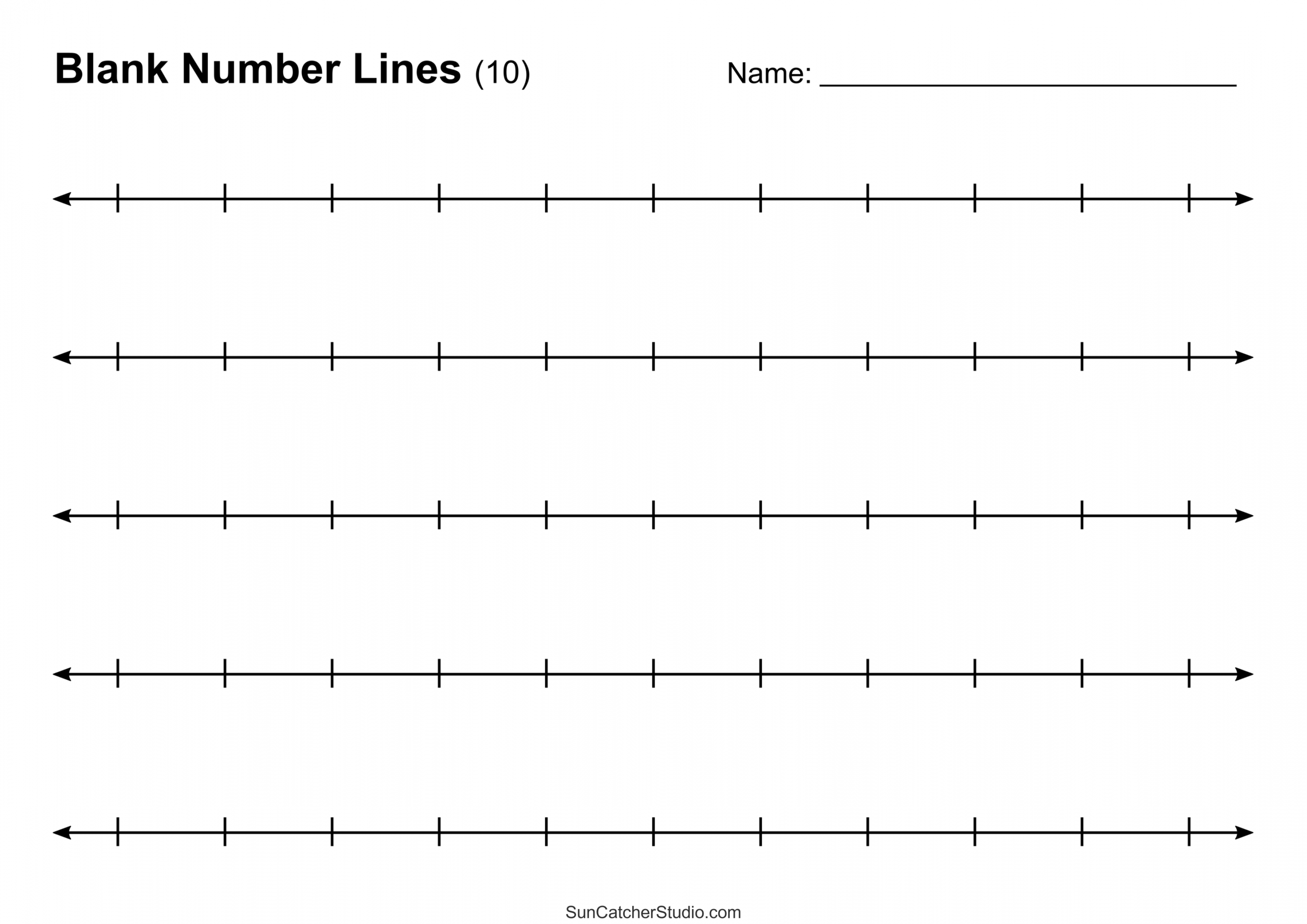
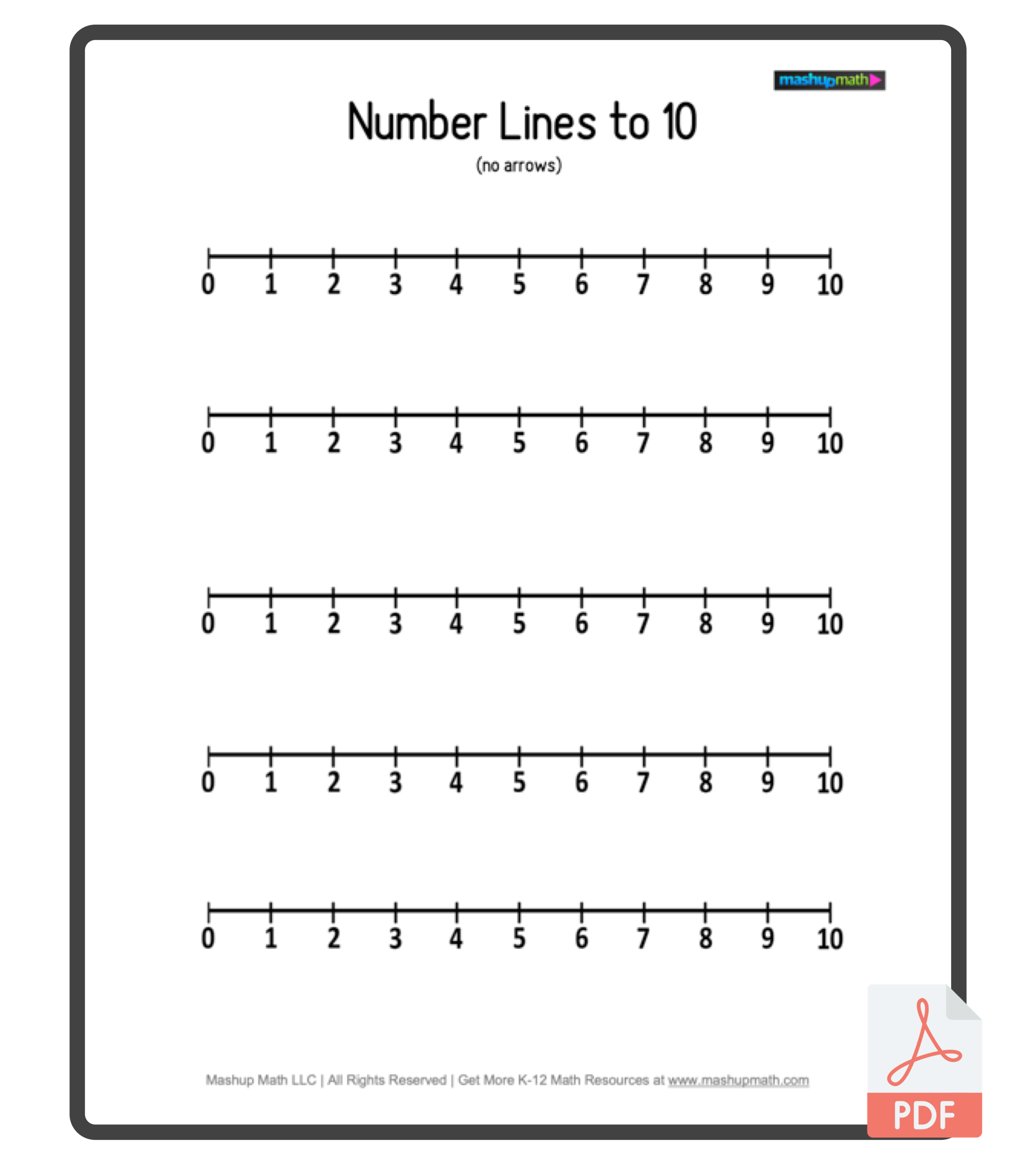
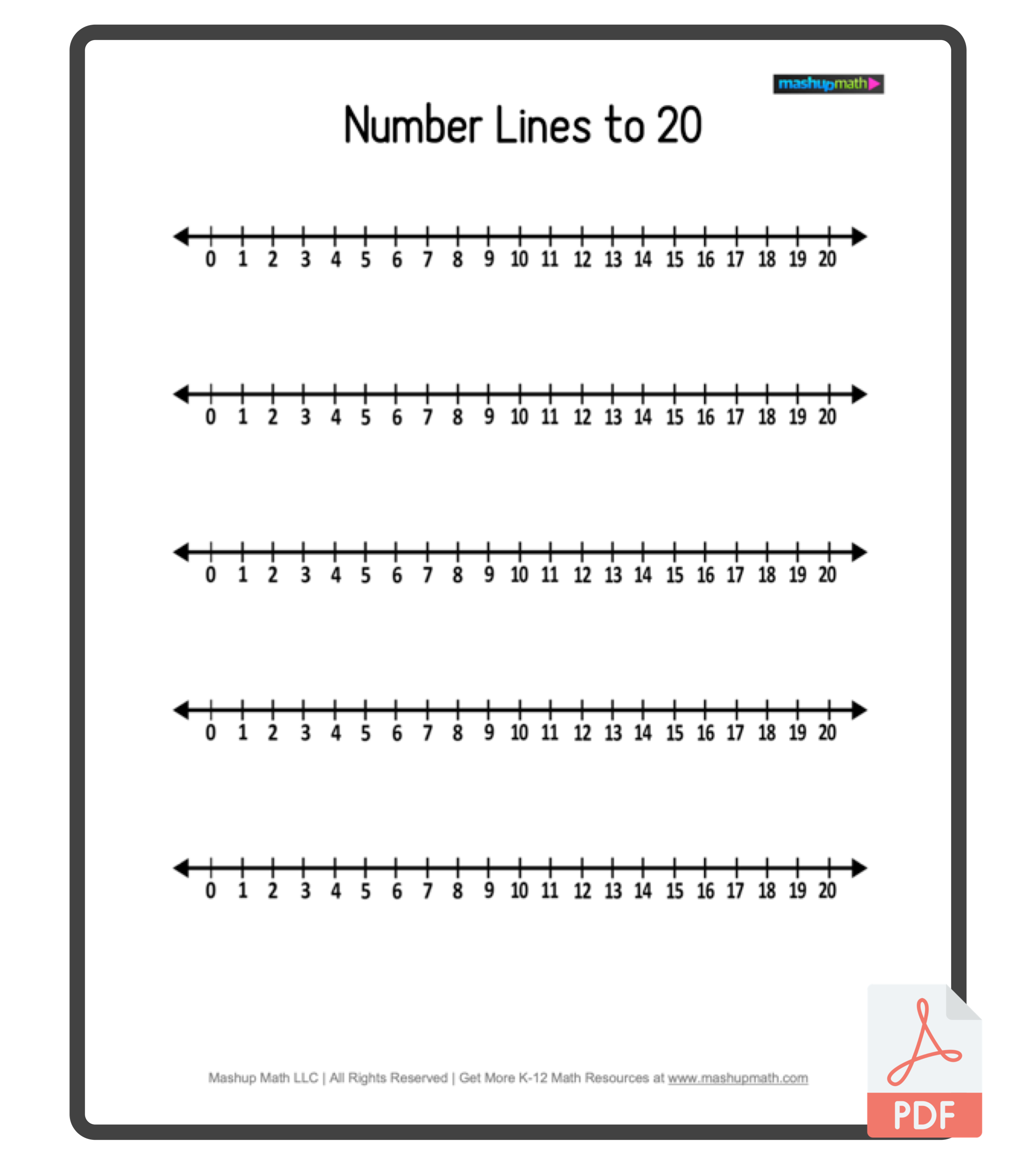
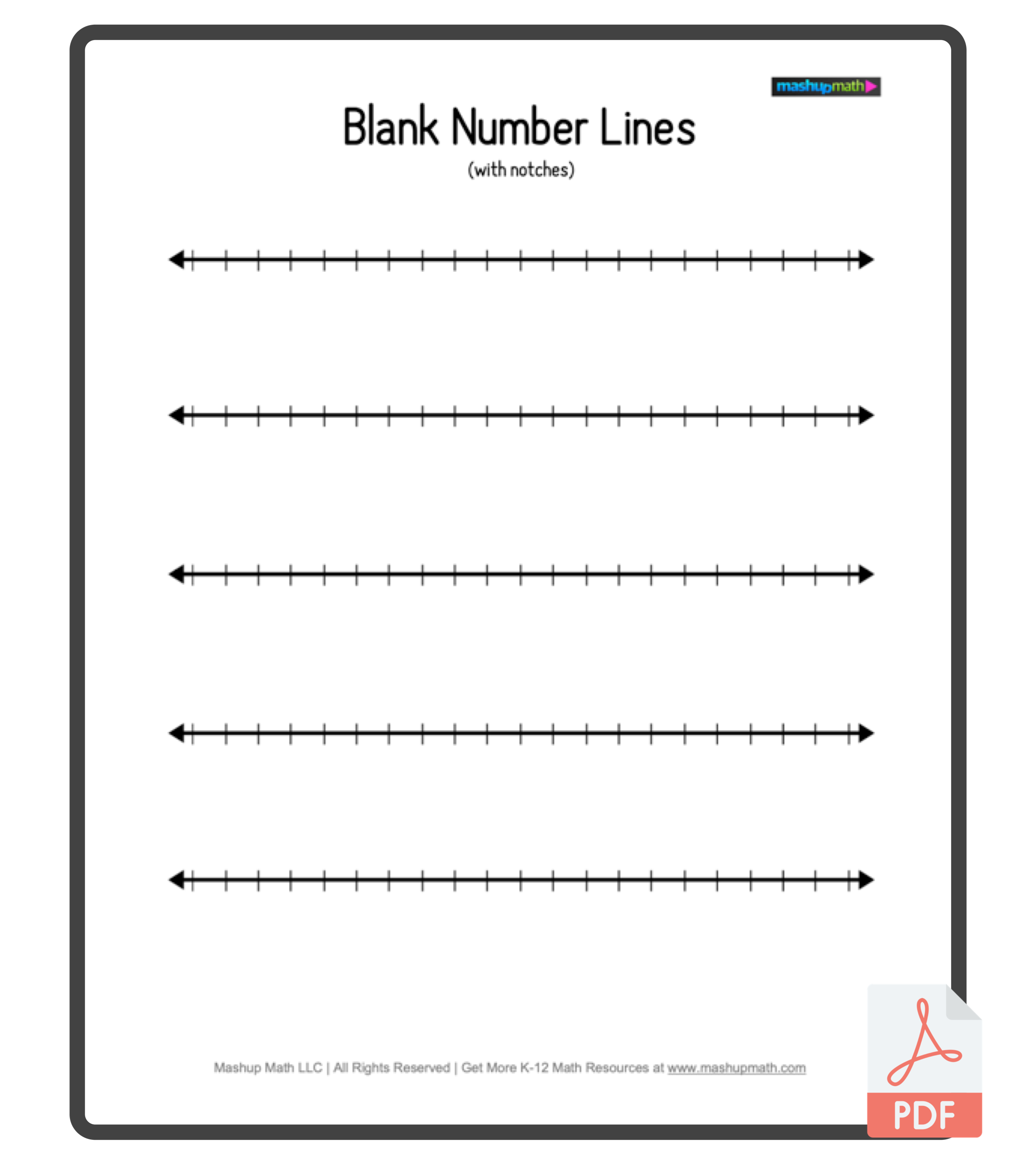
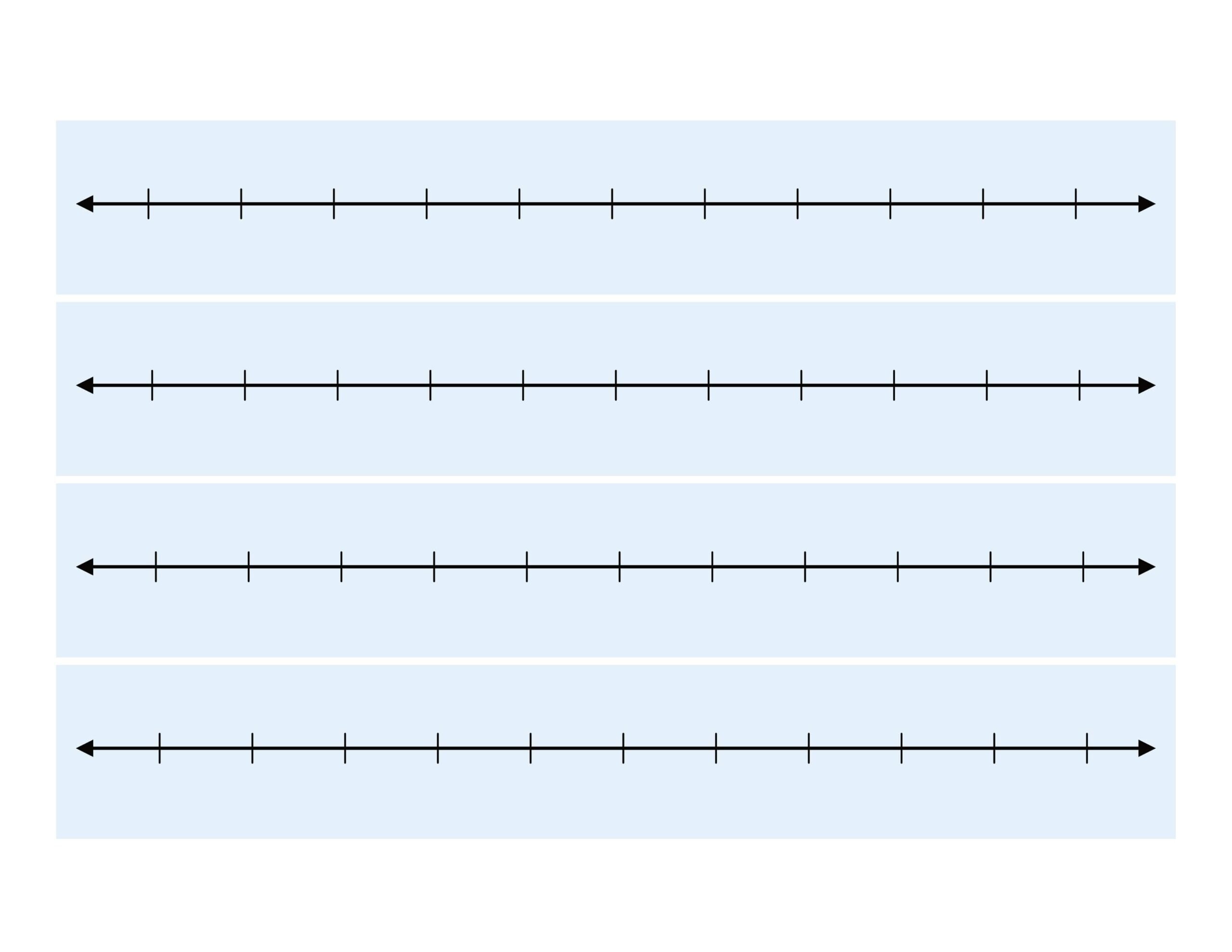
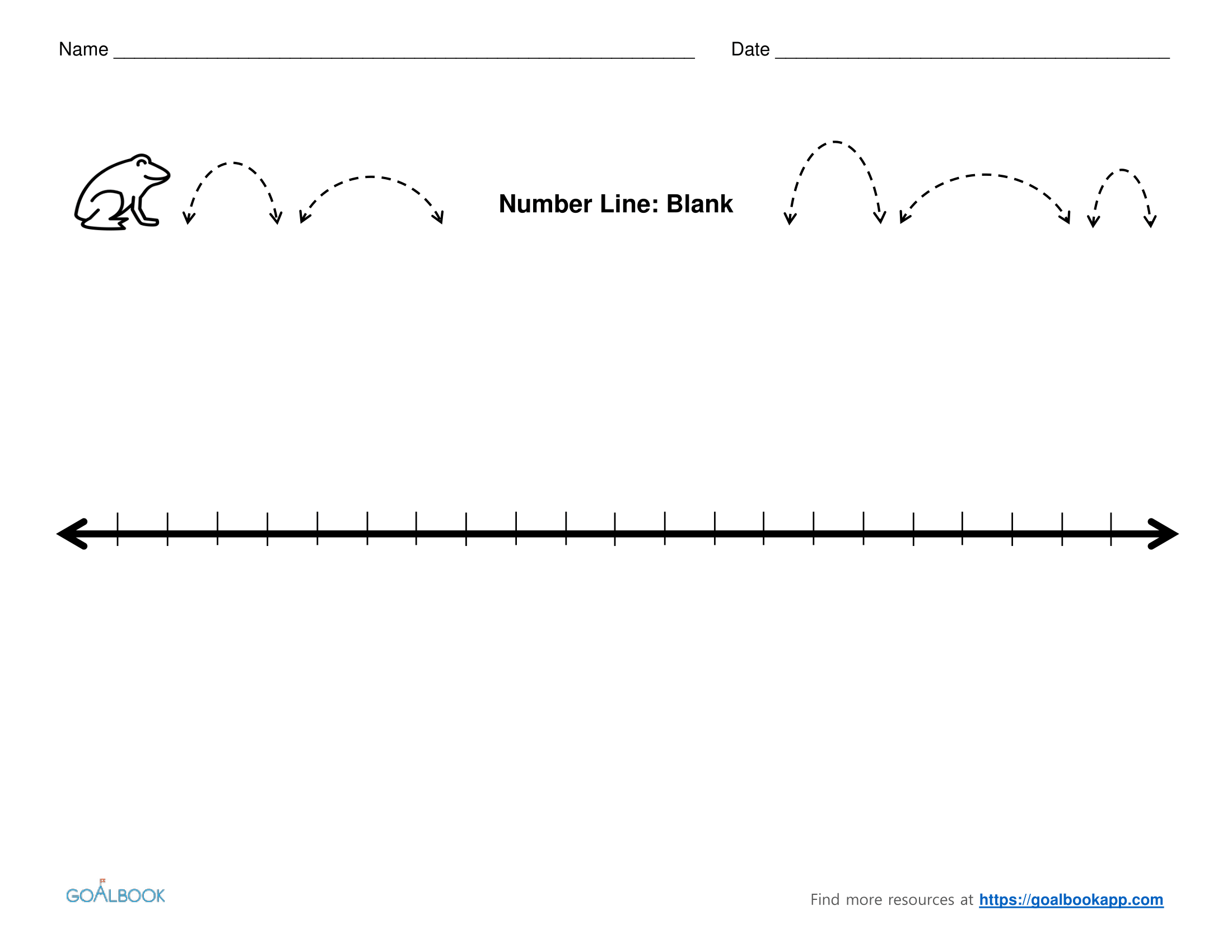
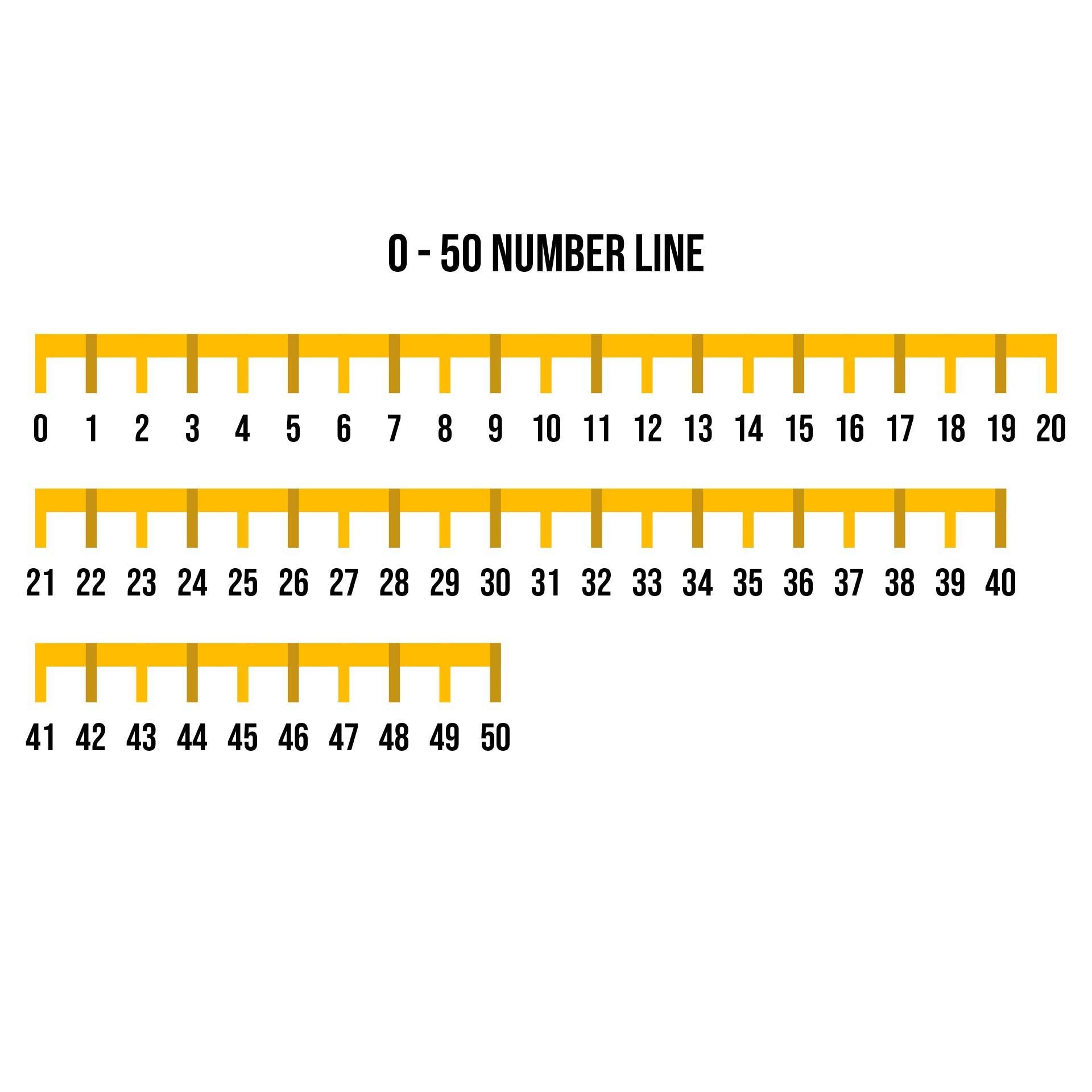
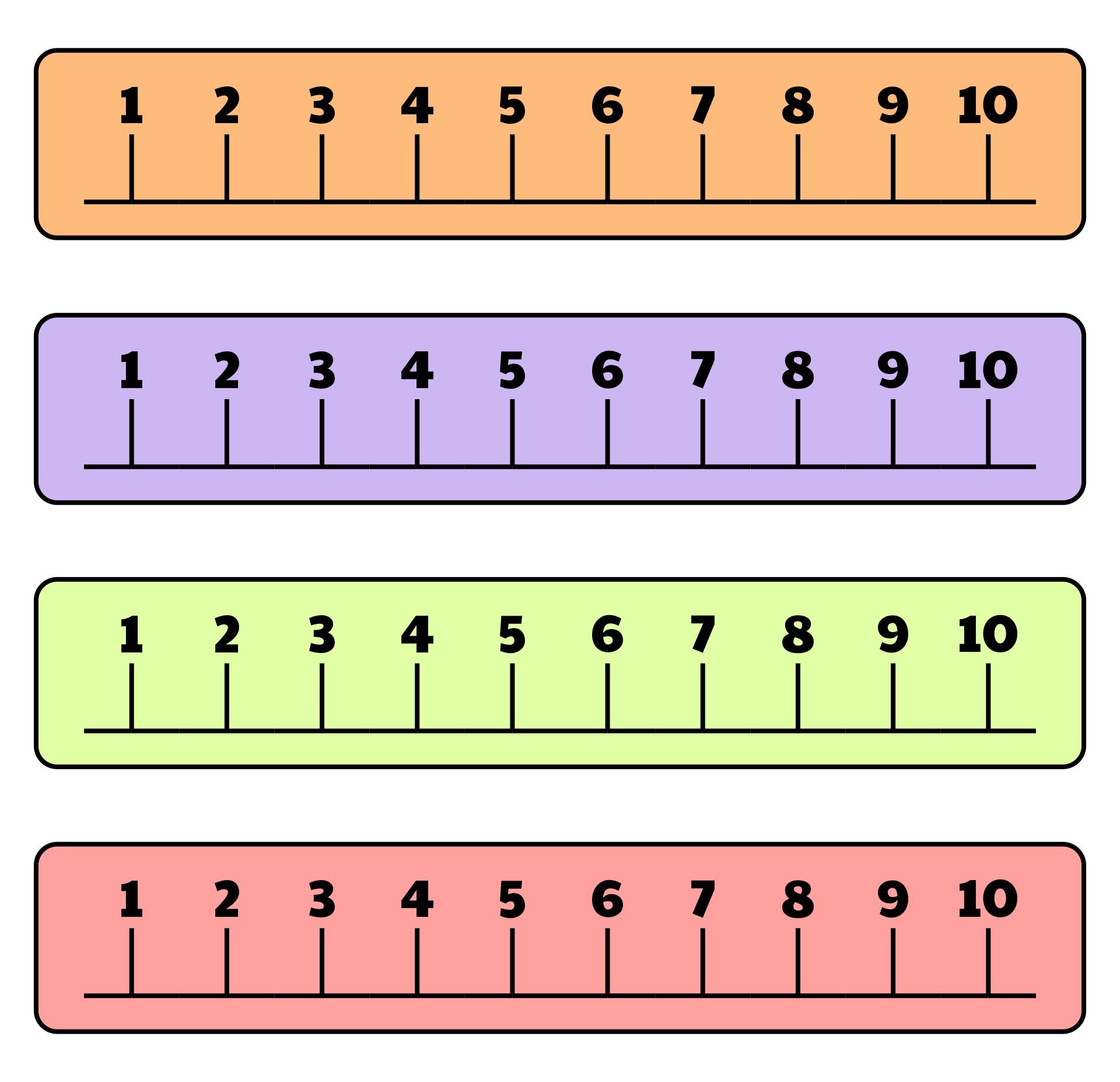
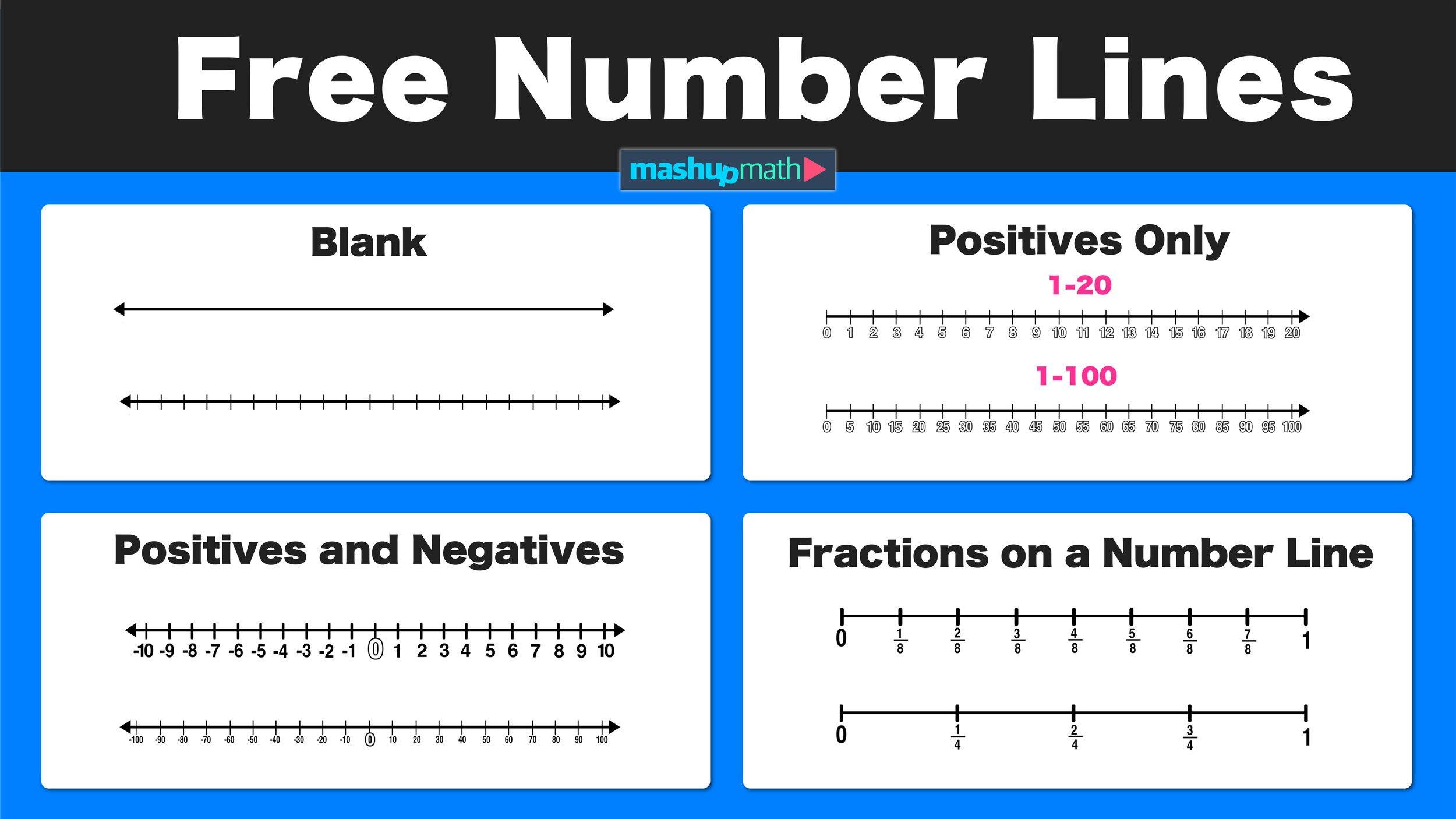
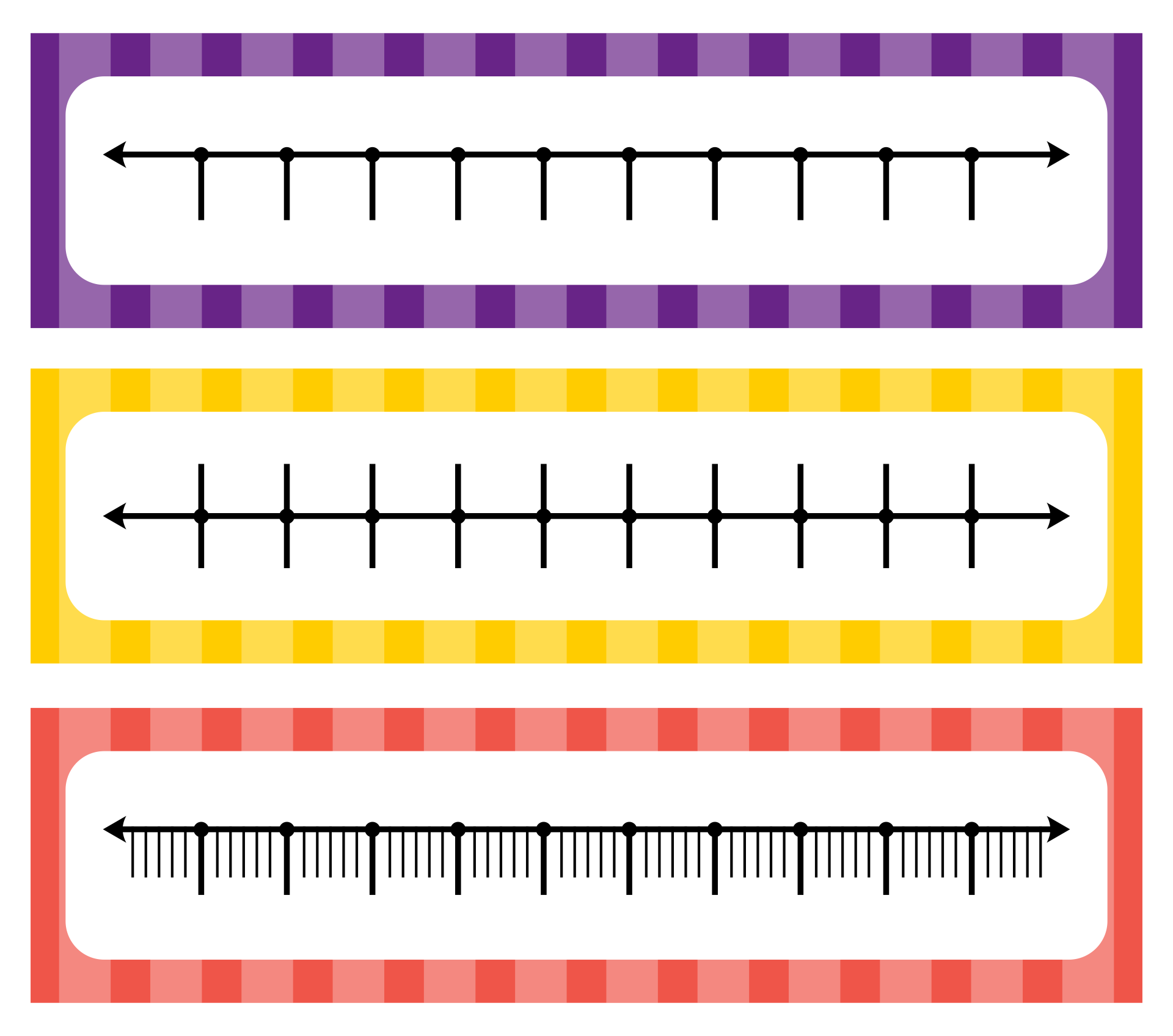
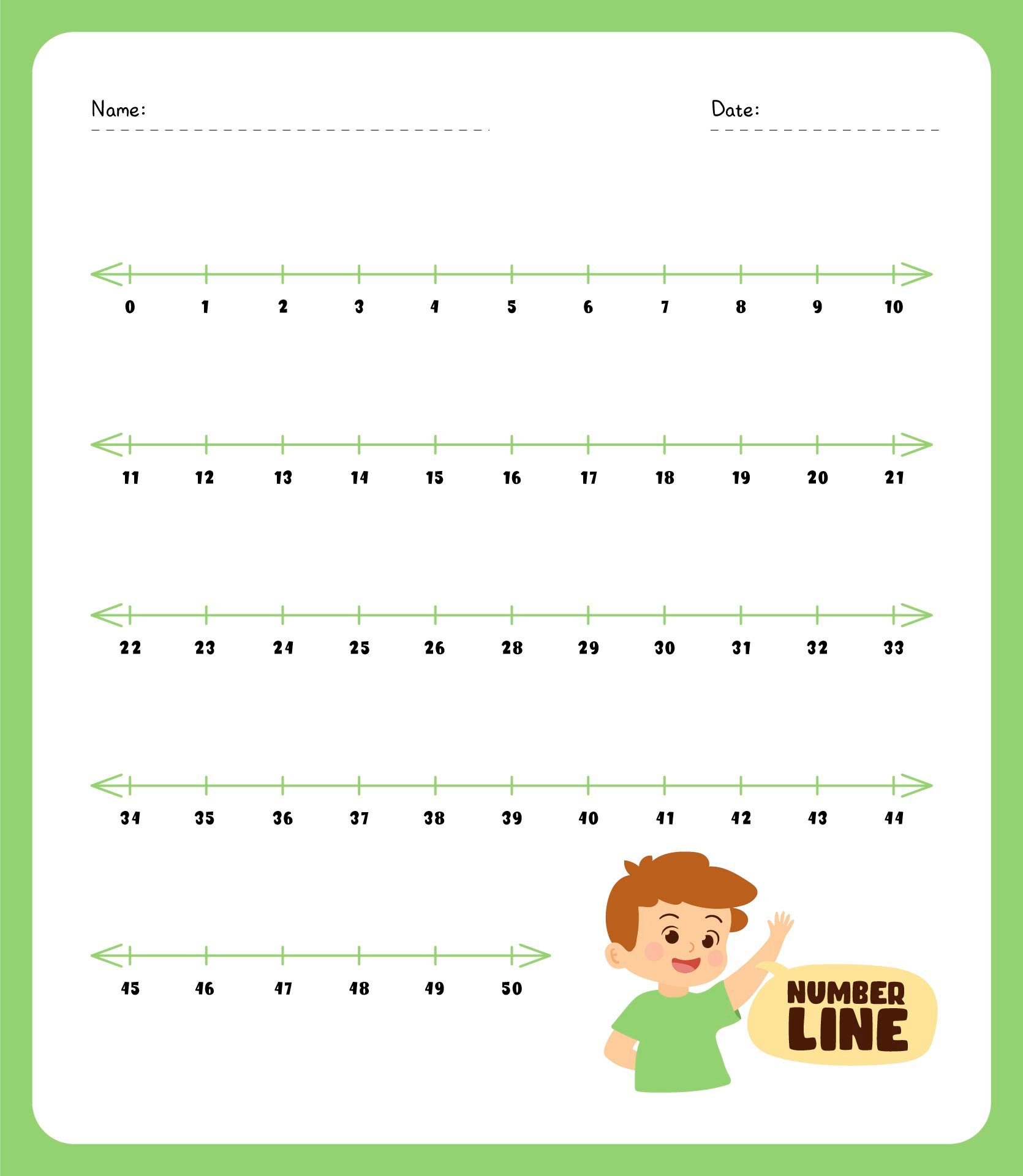
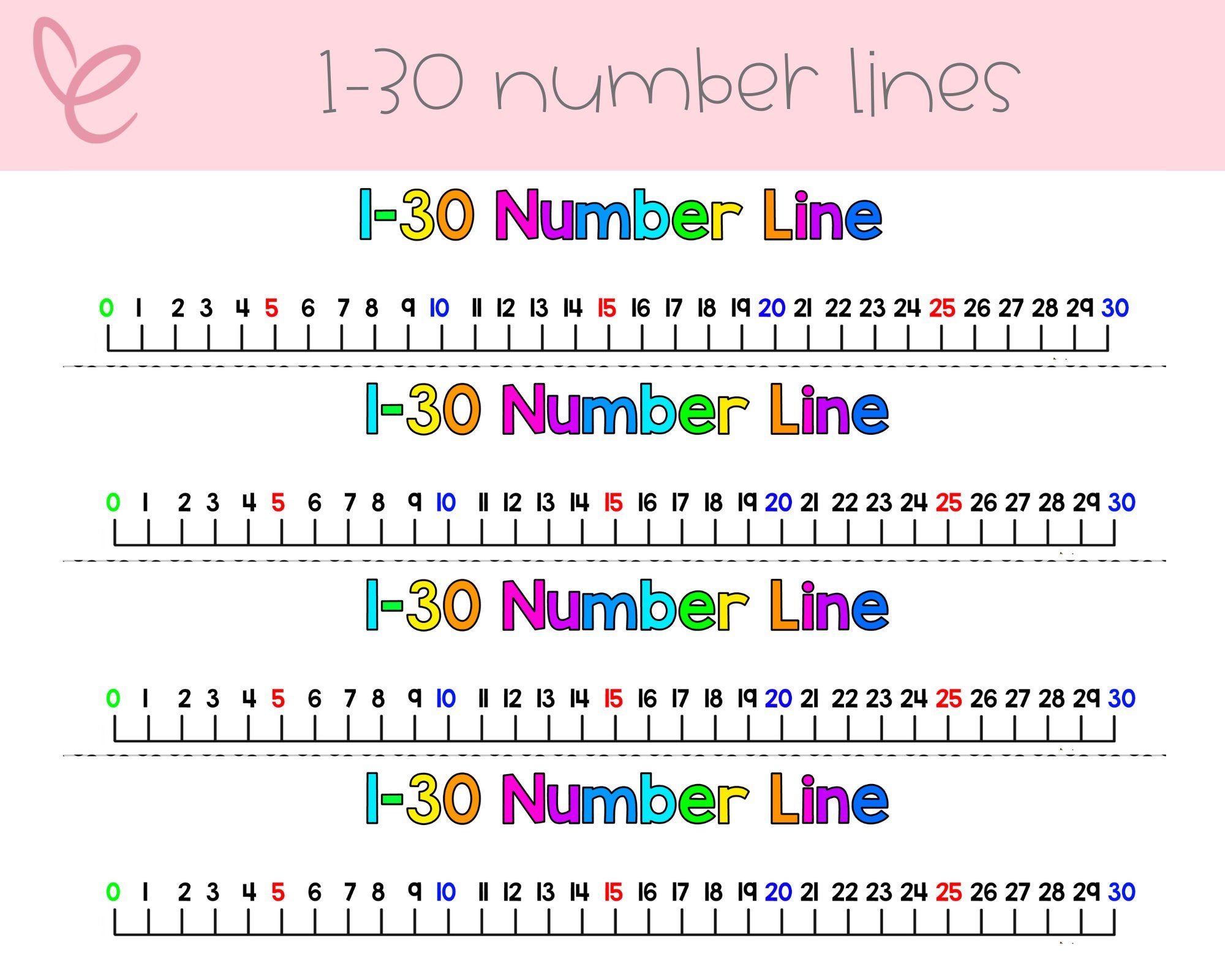
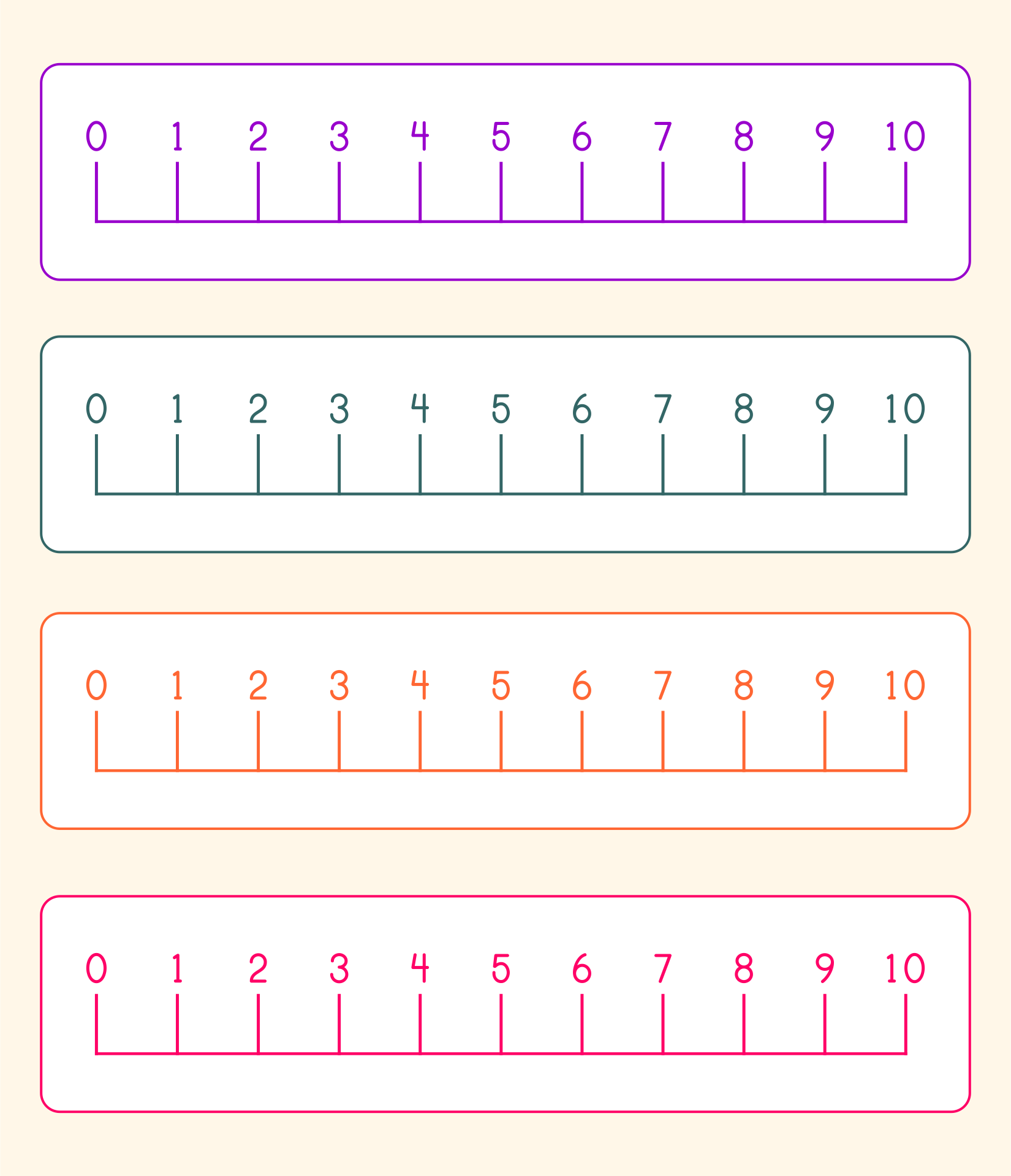
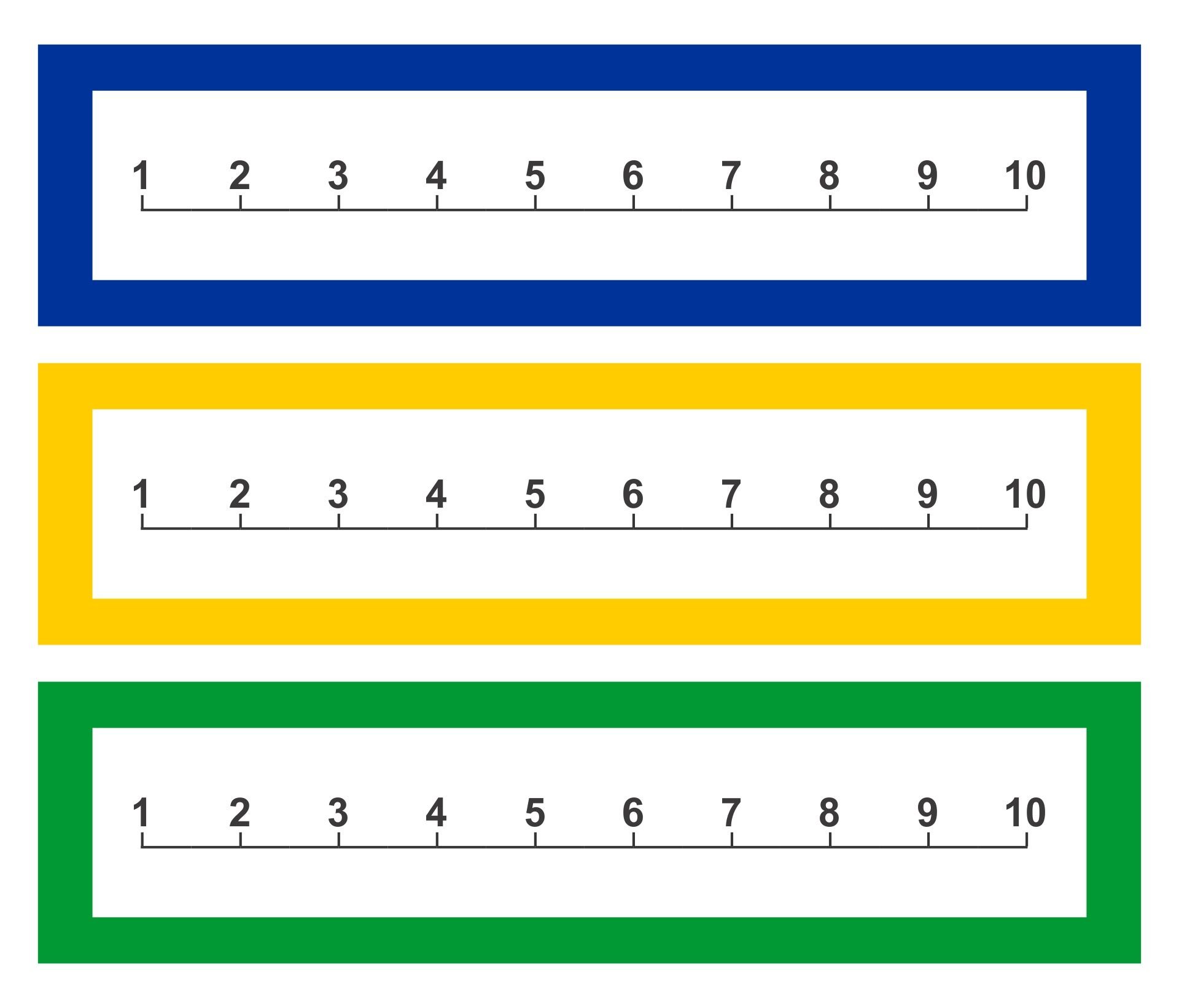
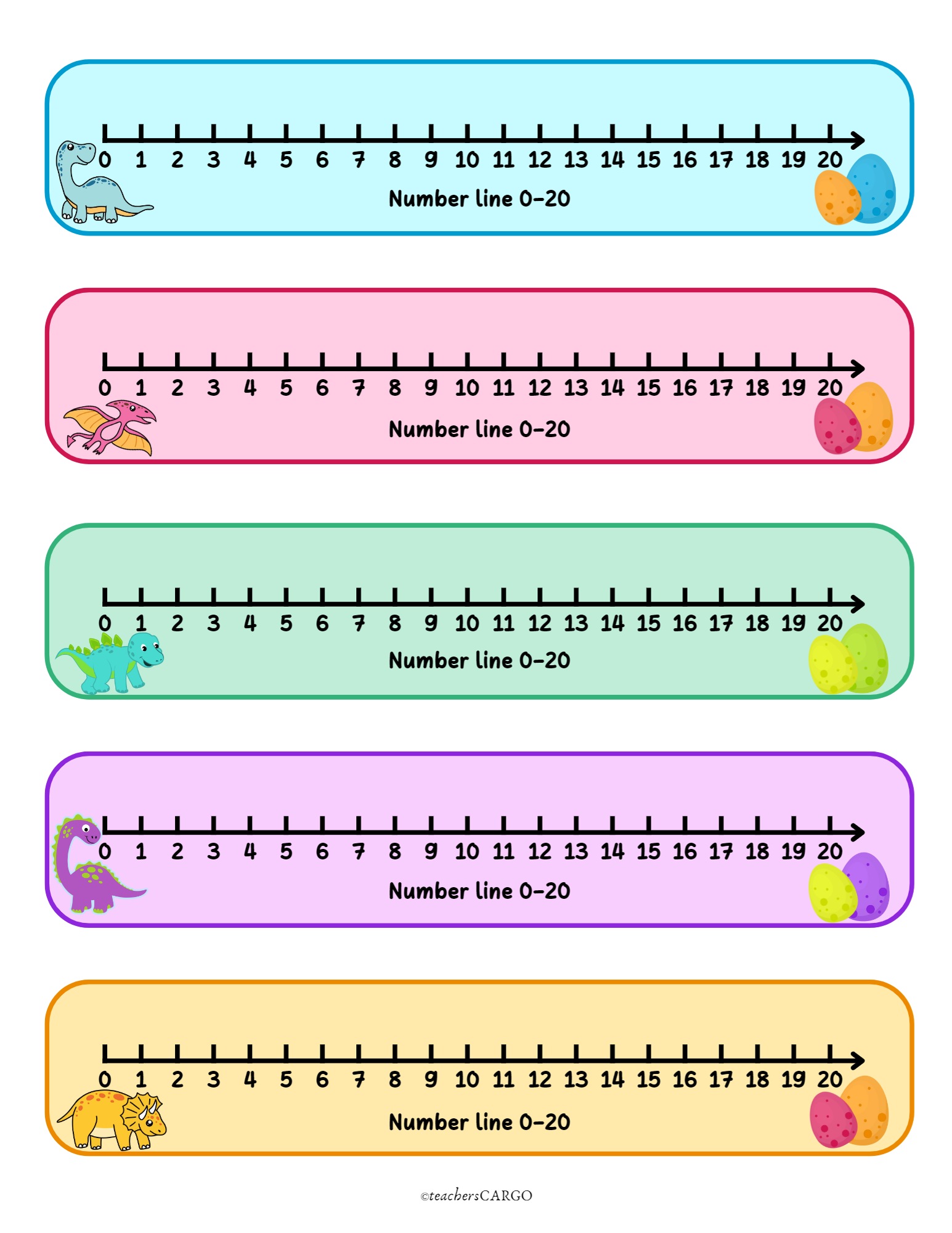
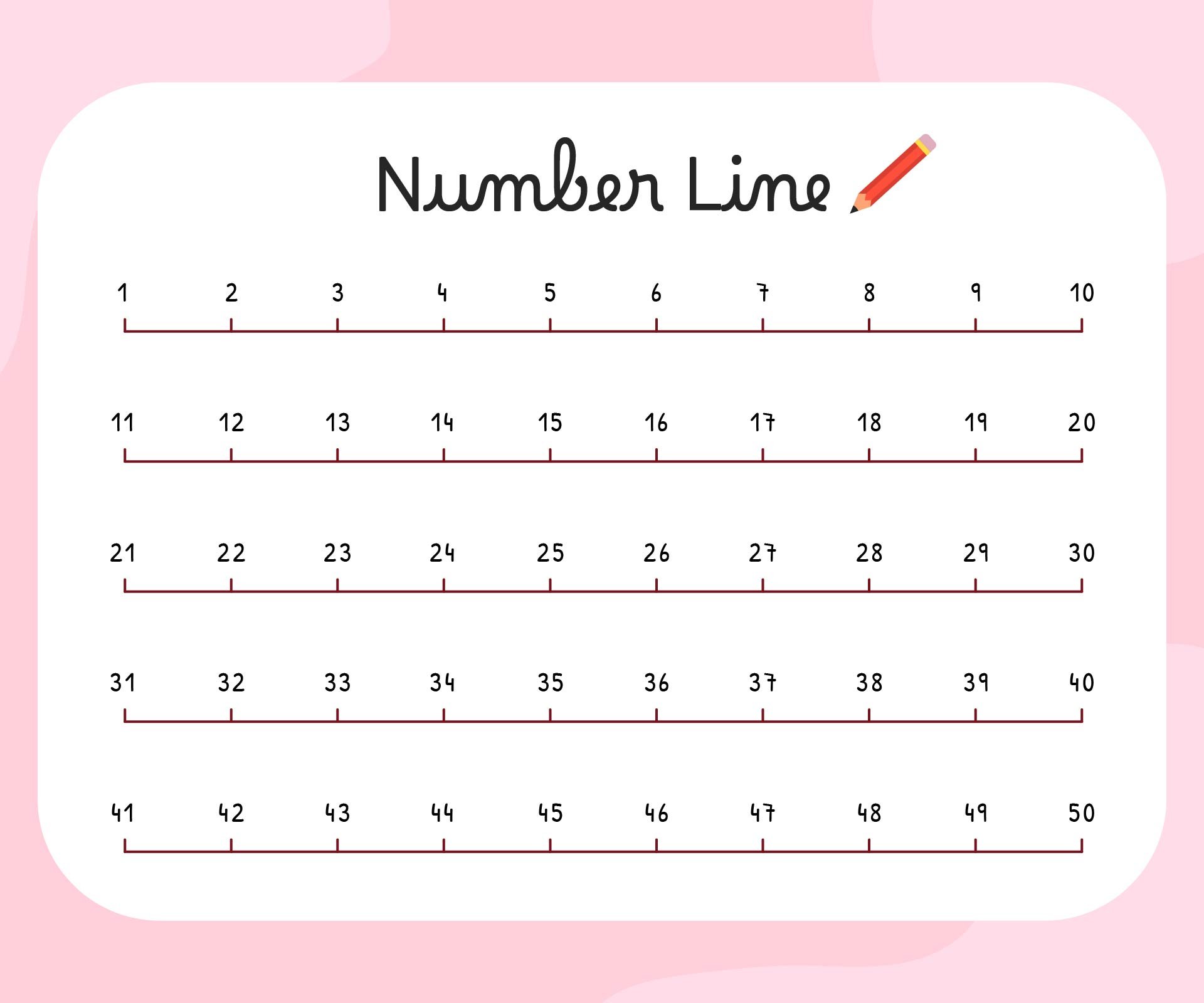
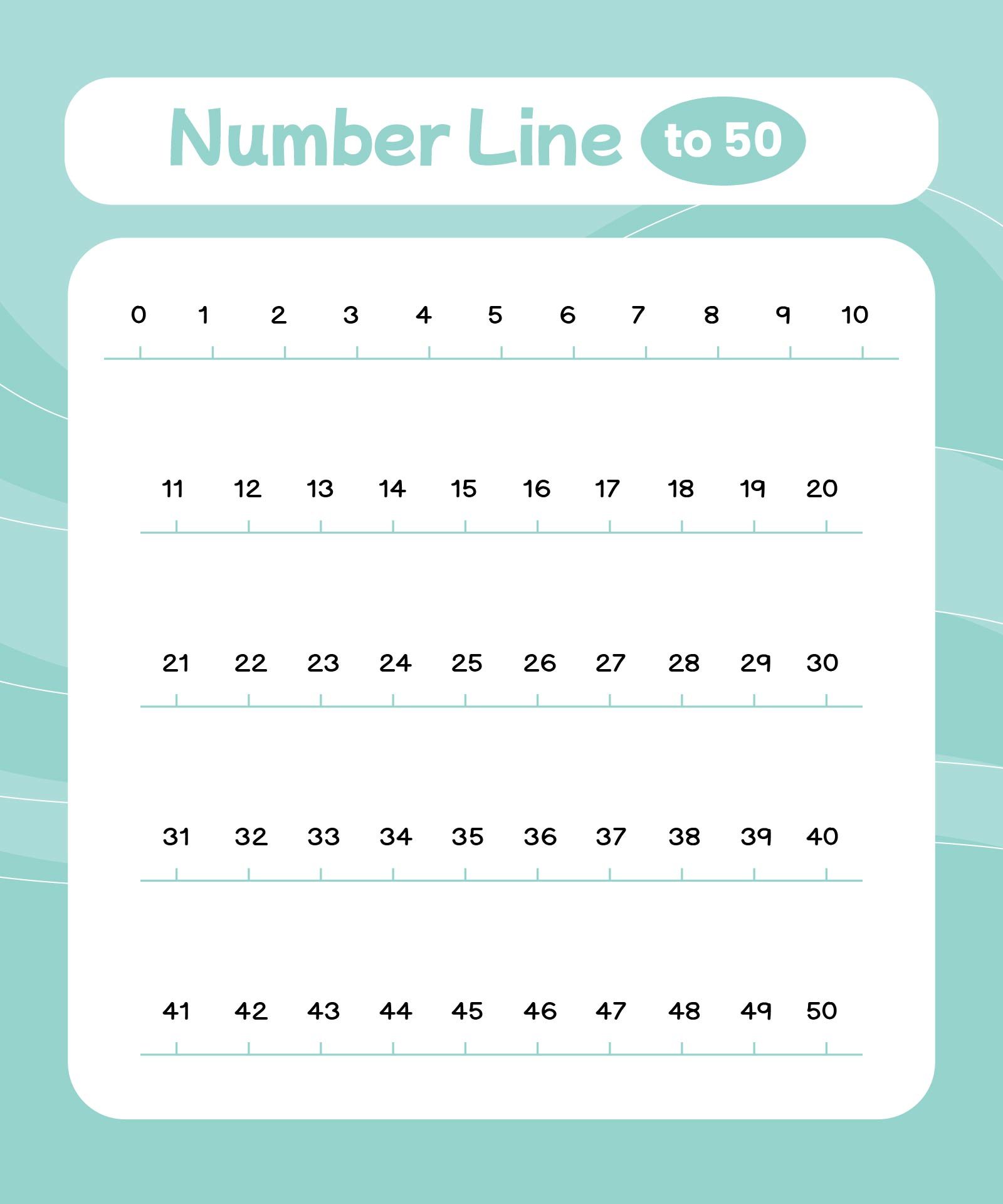
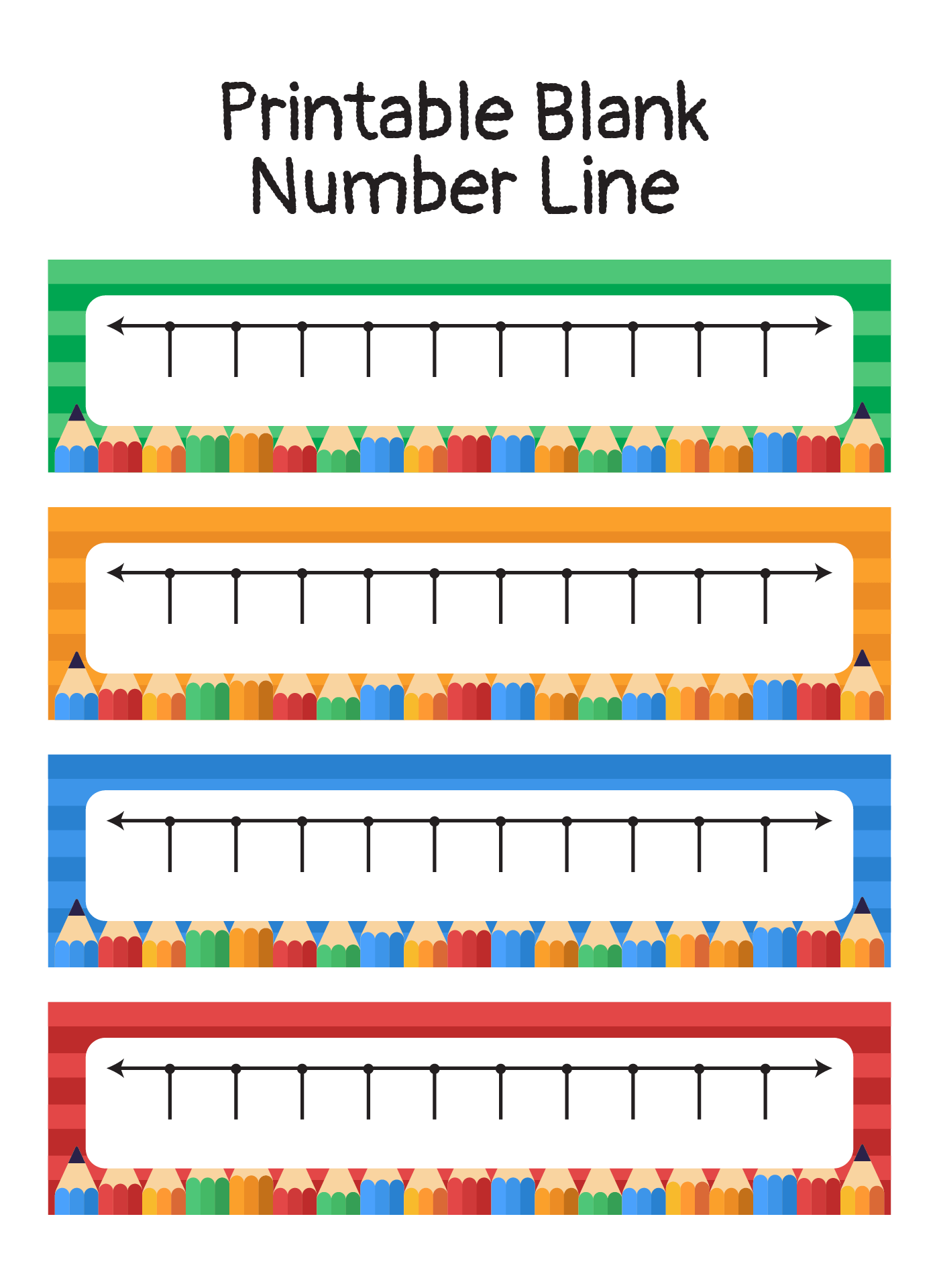
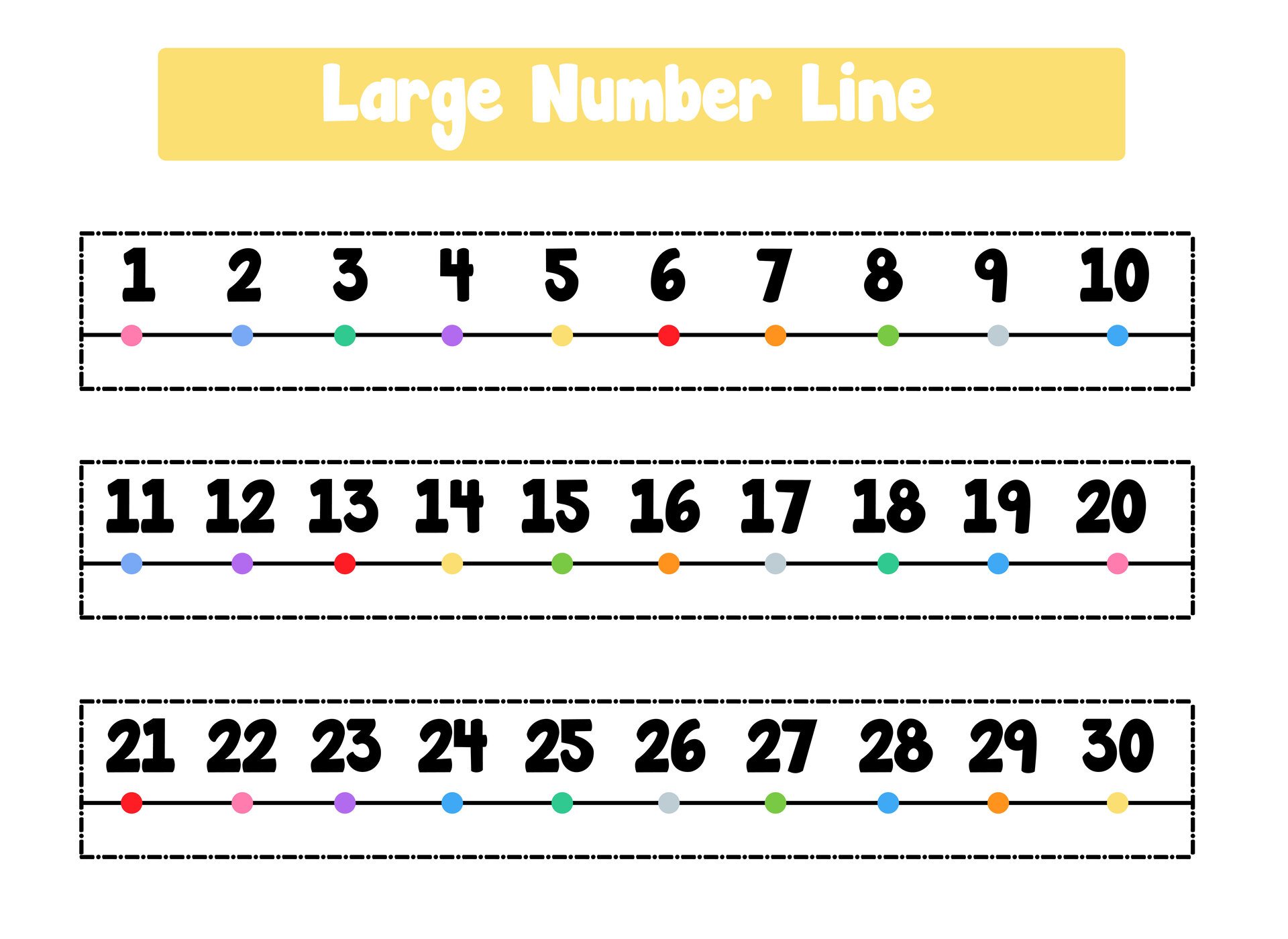
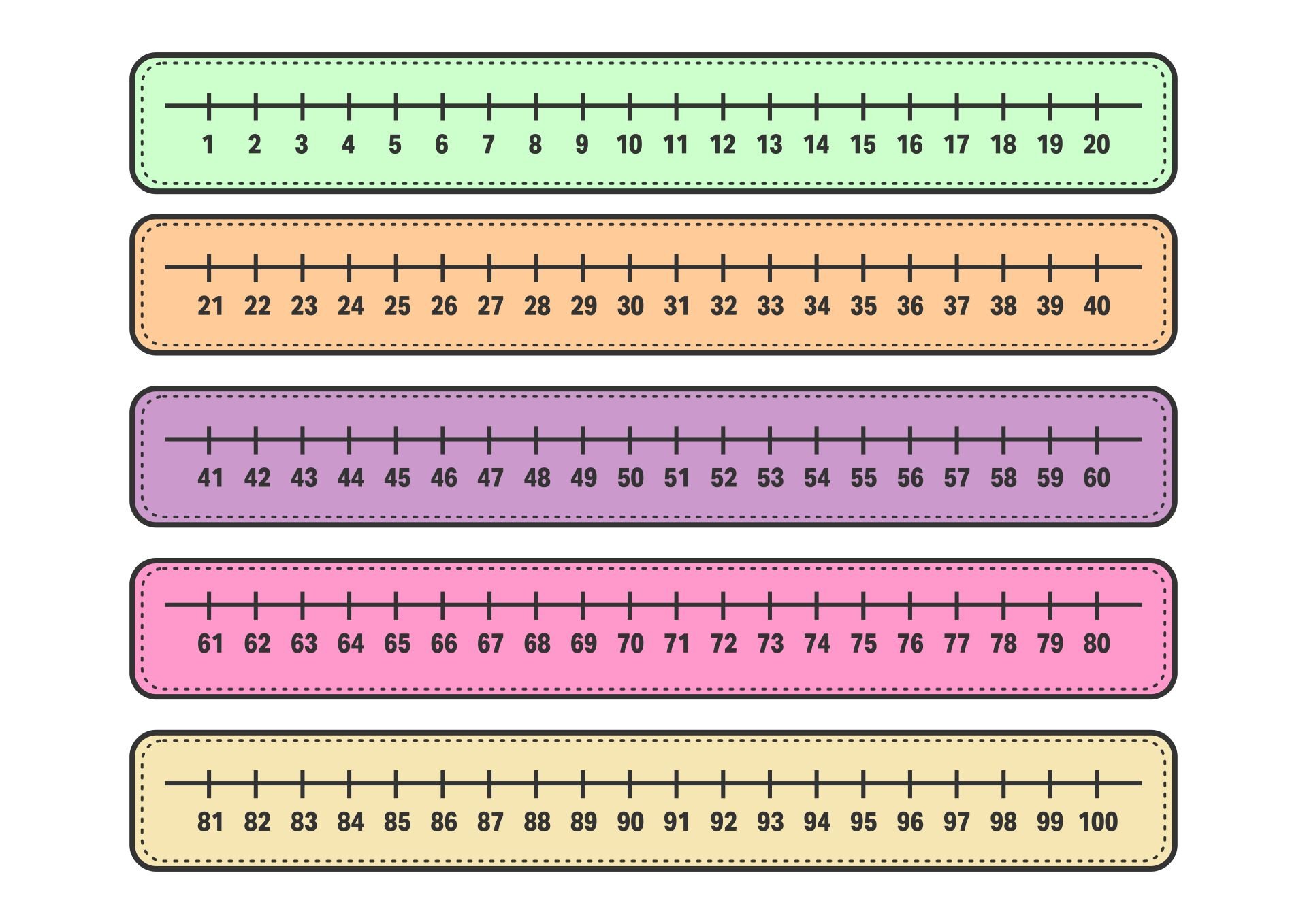
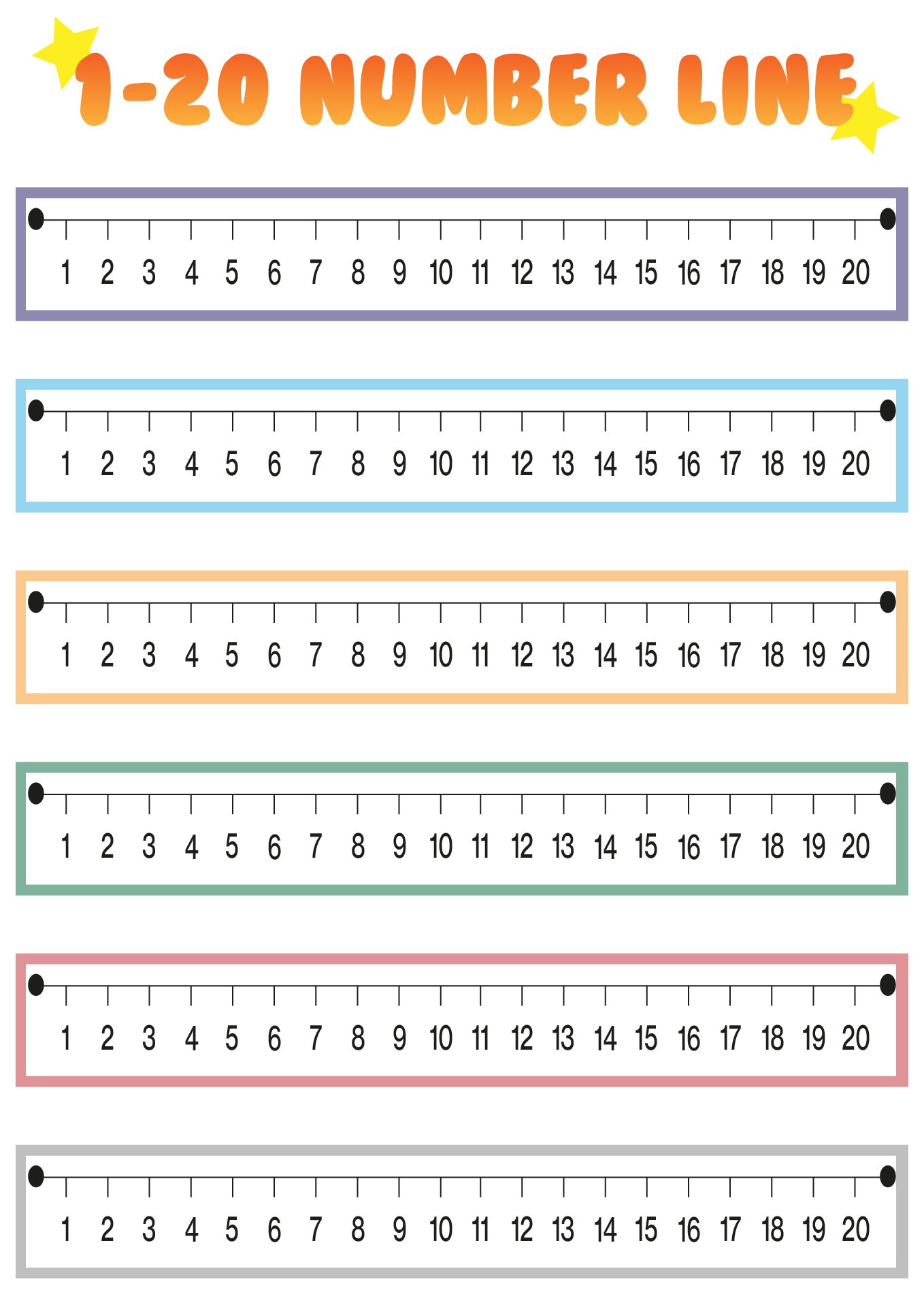
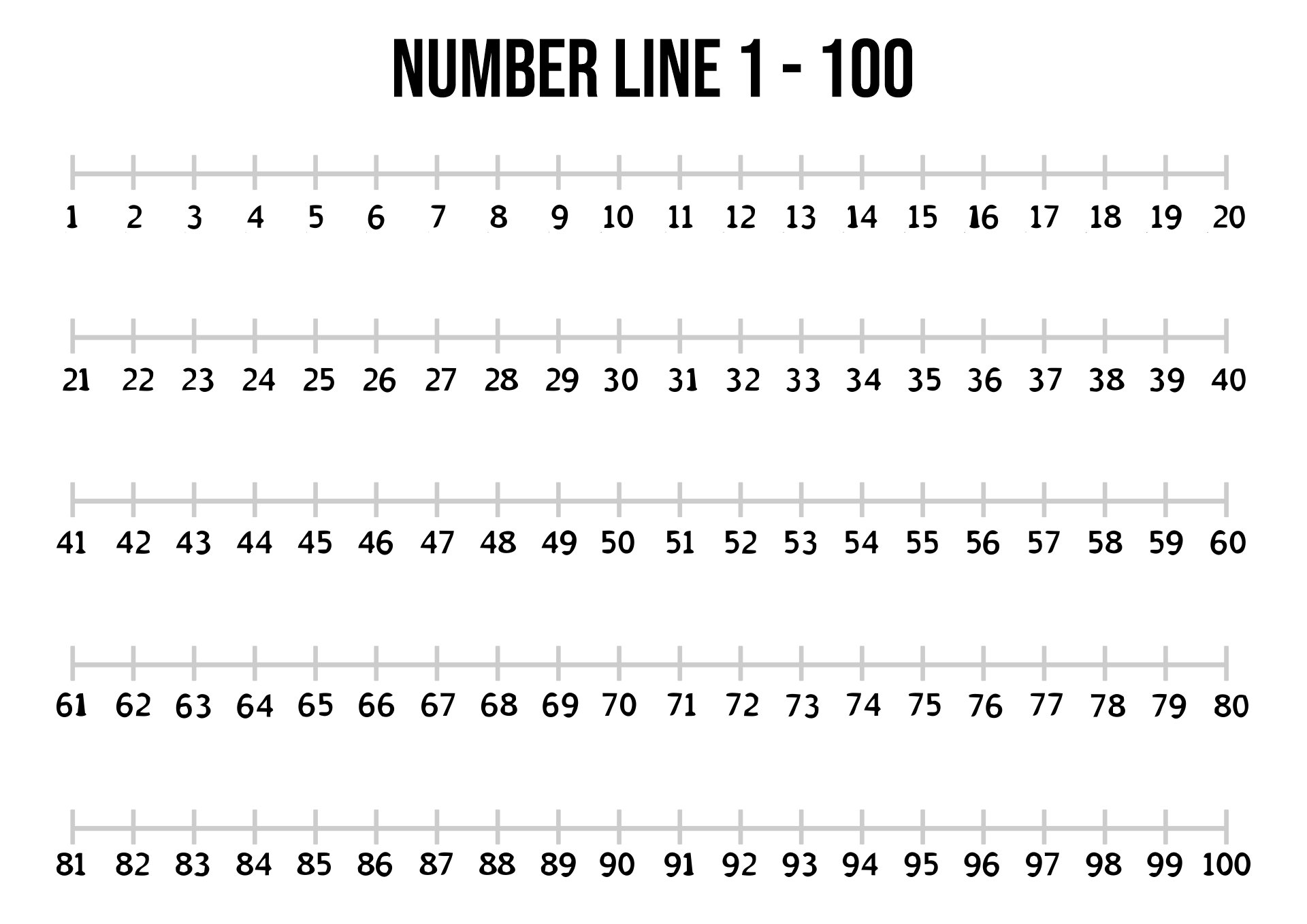
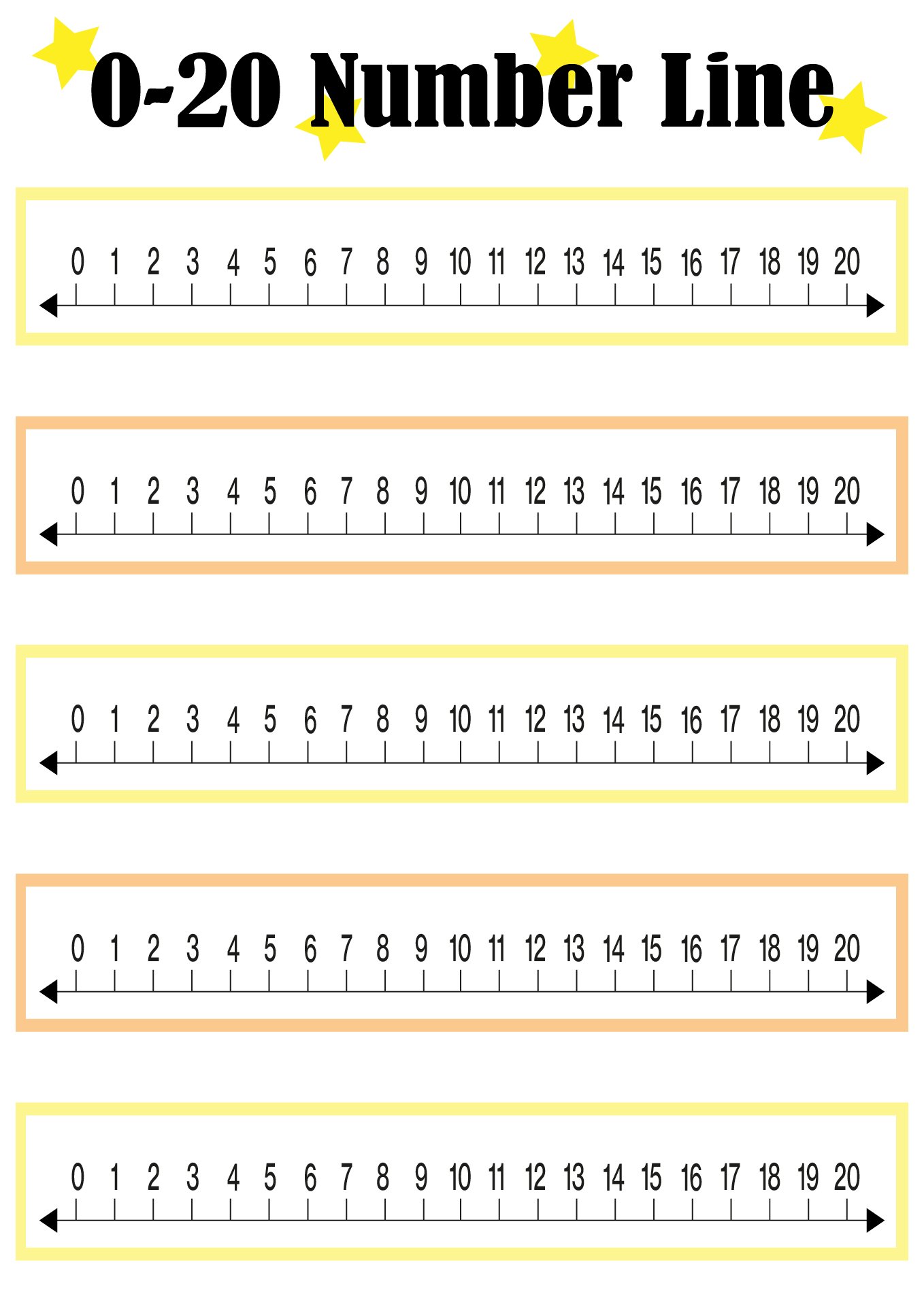
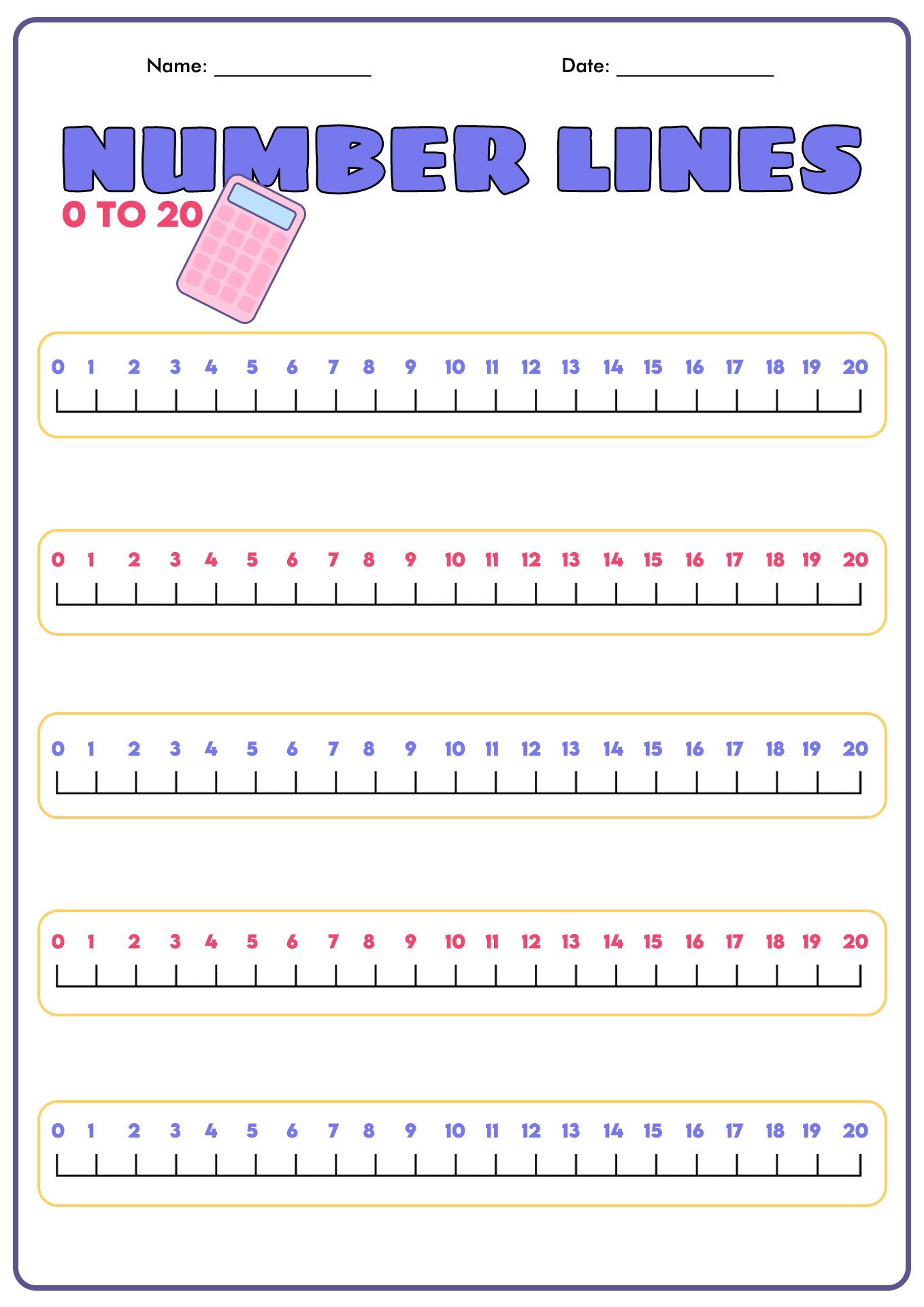
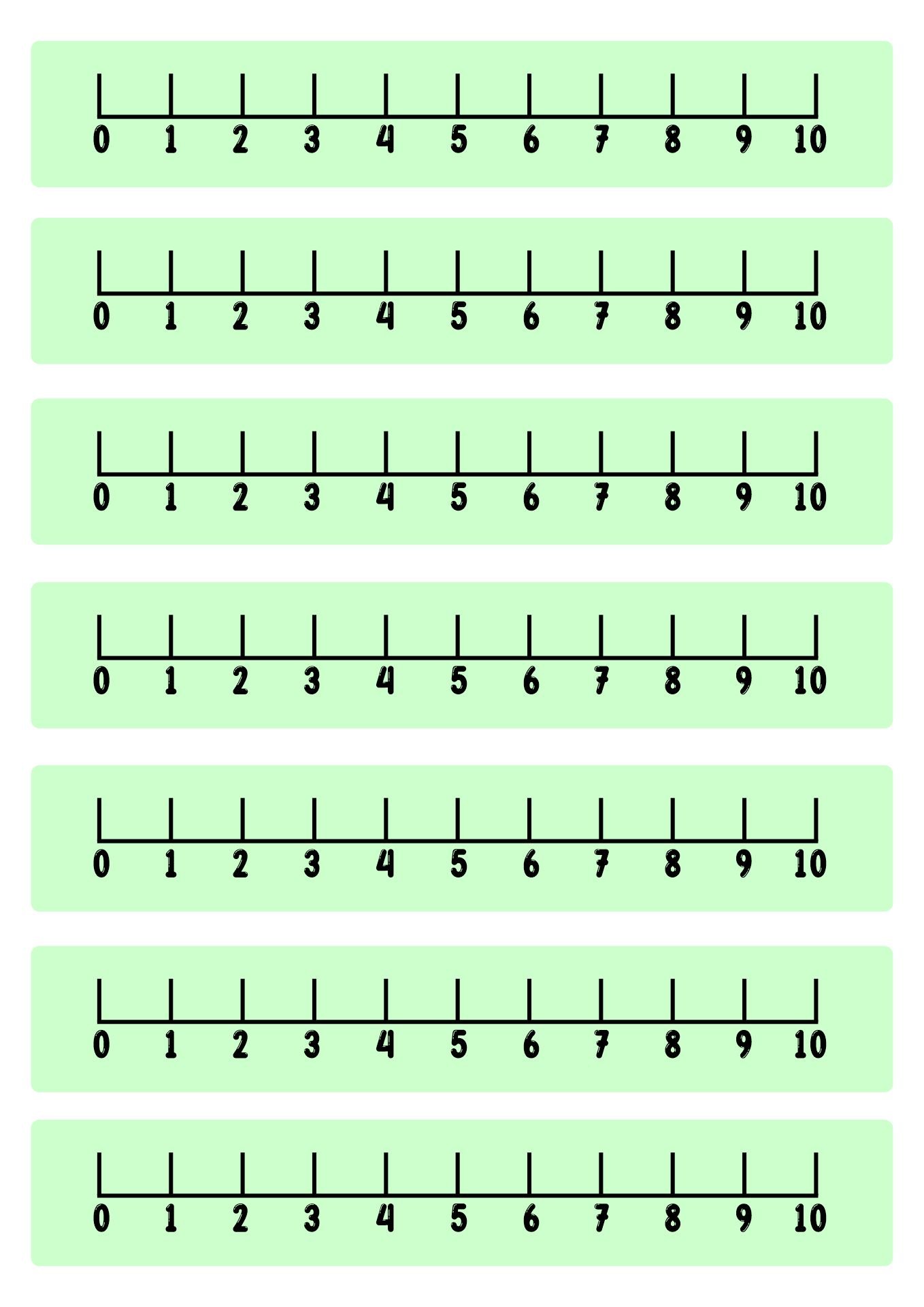
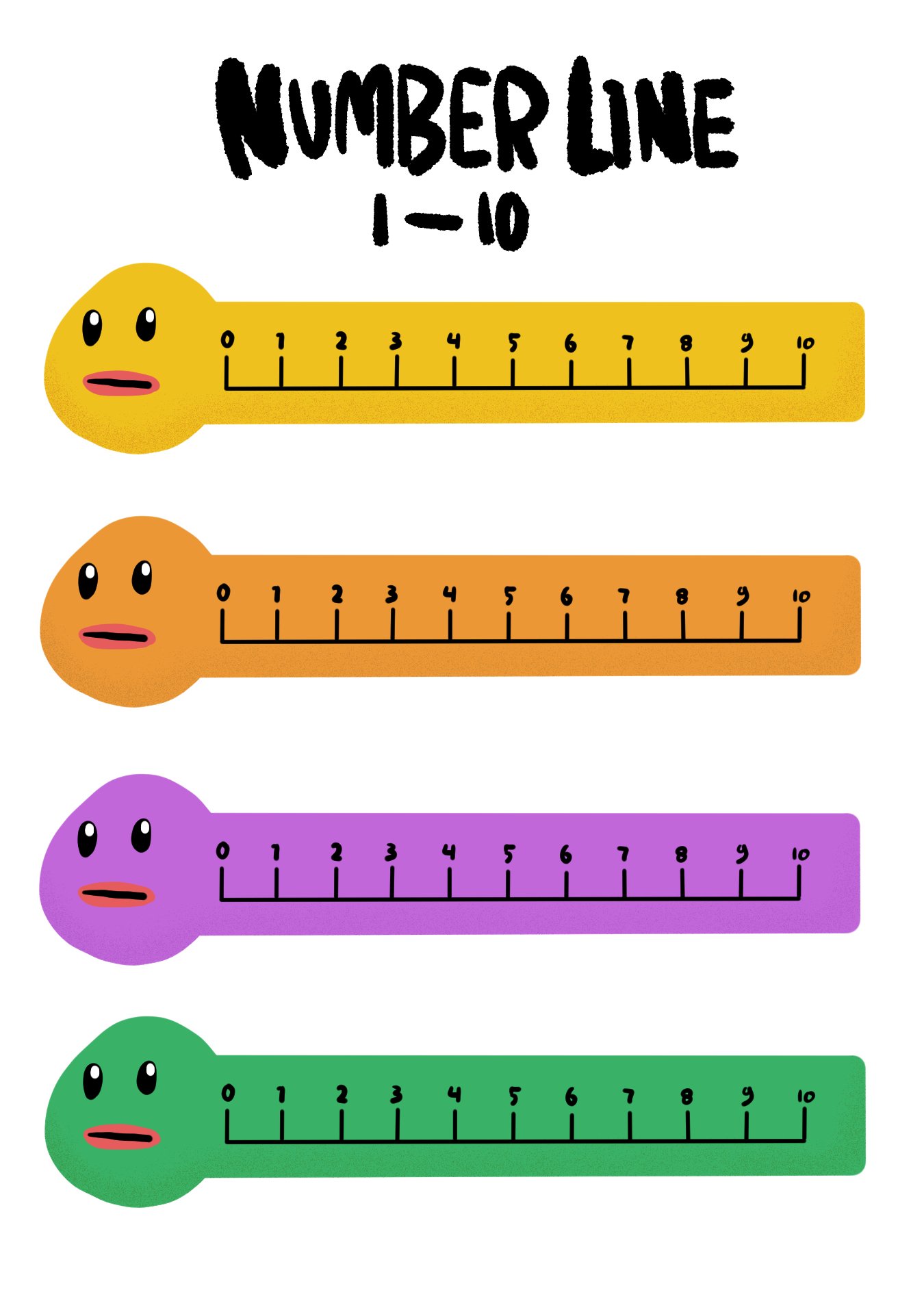
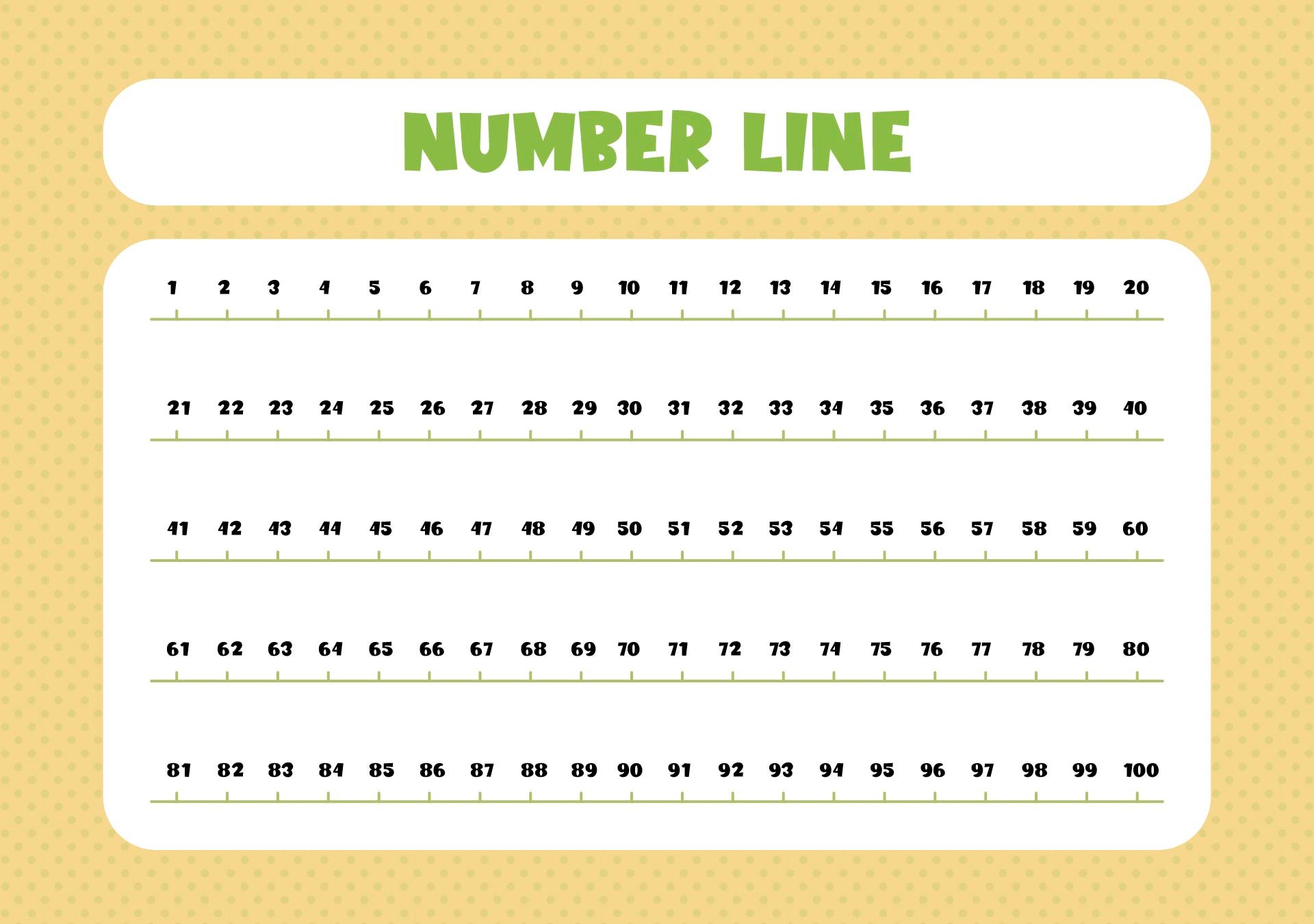
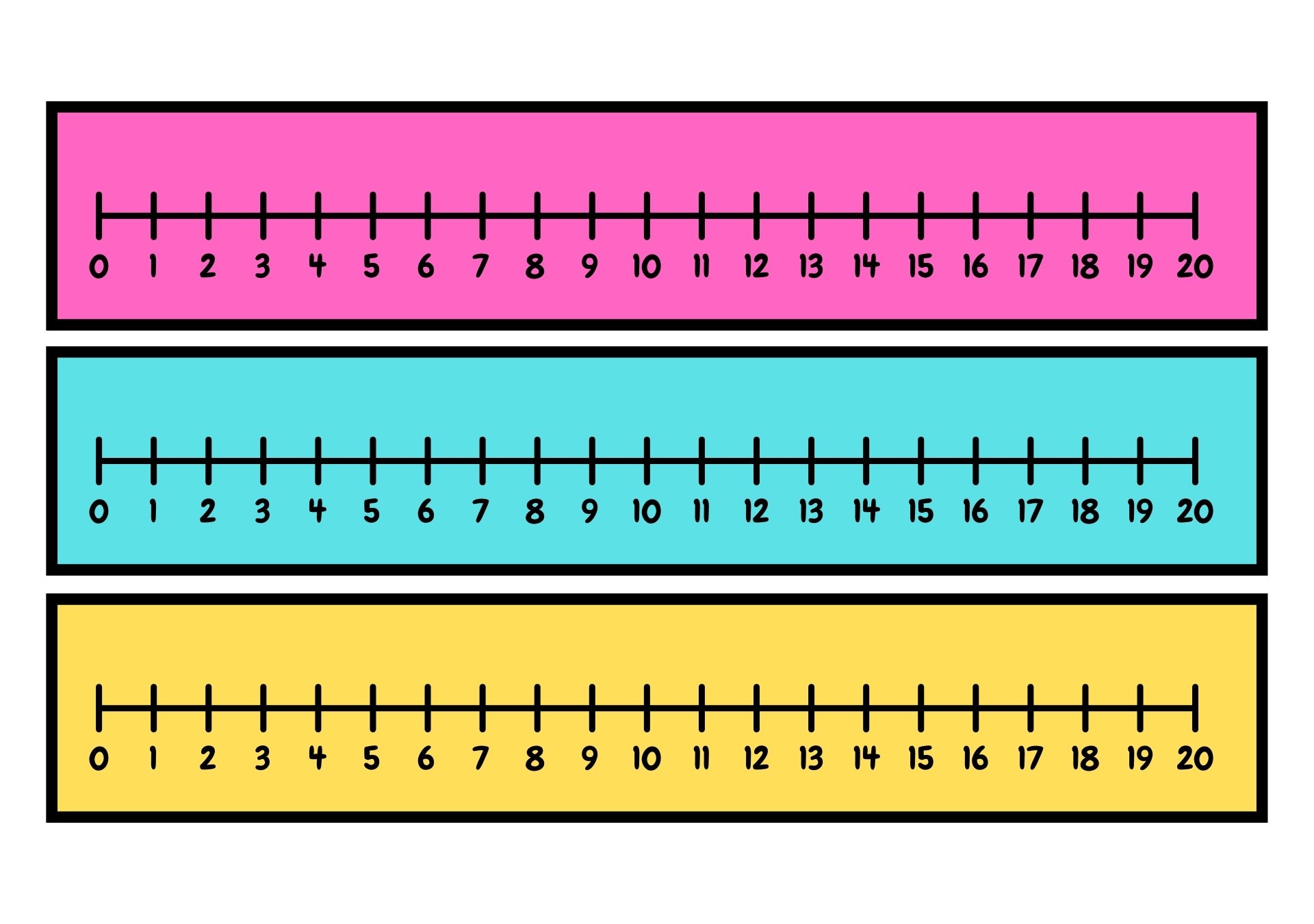
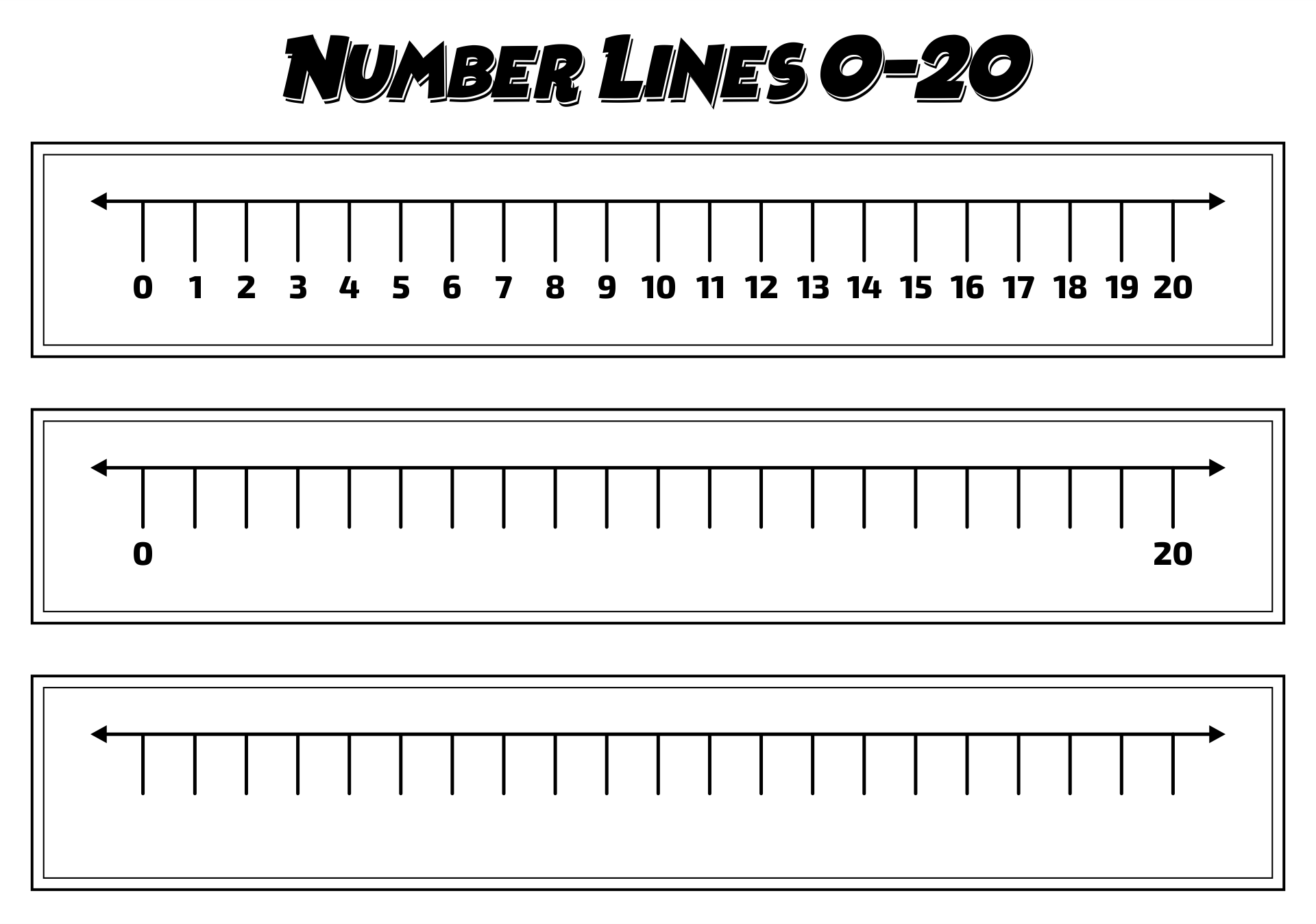
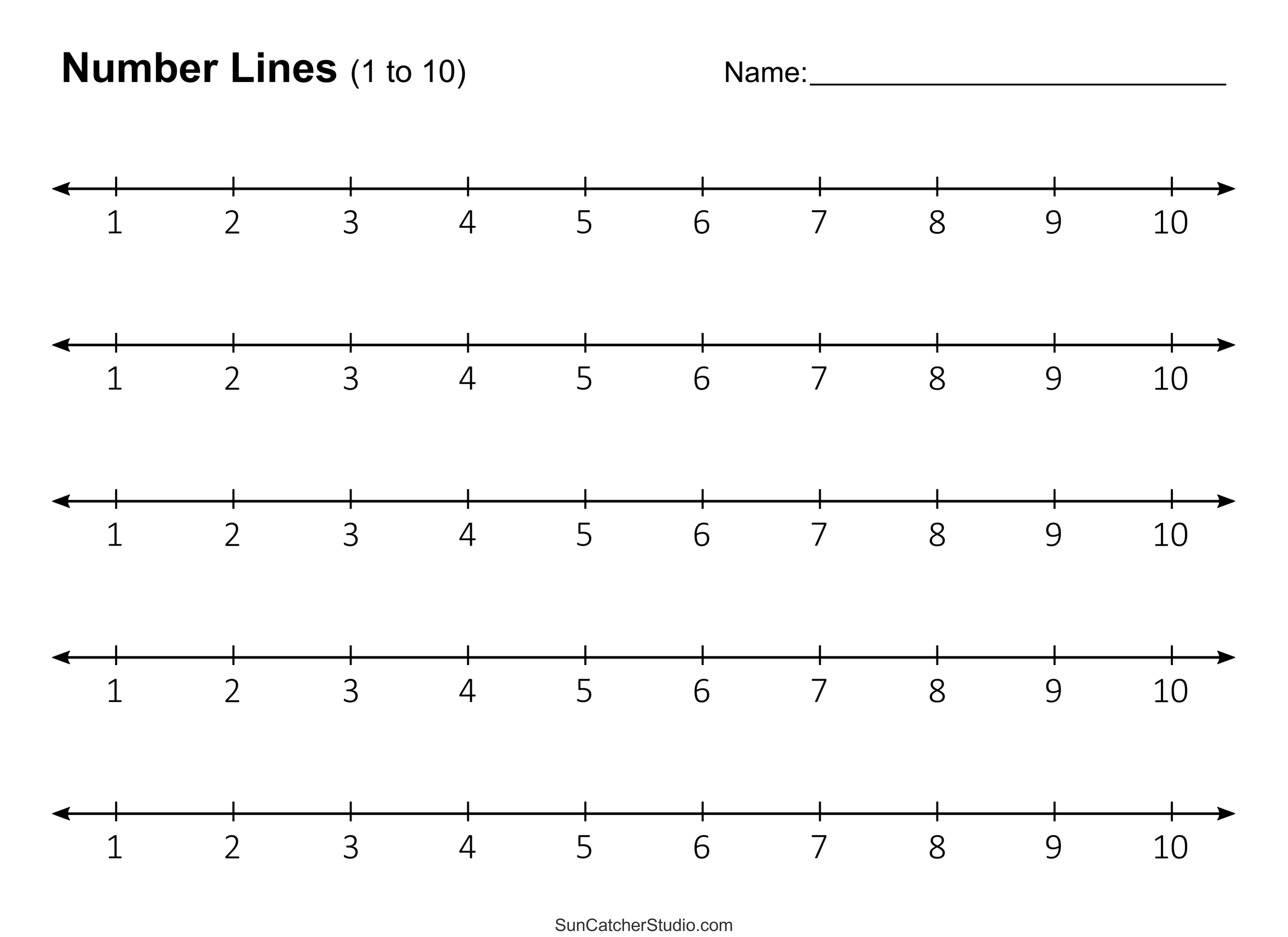
Basic Number Lines: Simple, straight lines with numbers, ideal for basic counting and arithmetic.
Printable number lines worksheets often include these, providing a structured learning tool.
Fractions and Ratios: Specialized lines for teaching fractions, ratios, and proportions.
These are great for visual representation, aiding understanding. You can also compare this directly with printable word search to see how they stack up.
Time, Money, and Temperature: Designed for teaching concepts like time, currency, and temperature scales.
A unique approach to learning practical math skills.
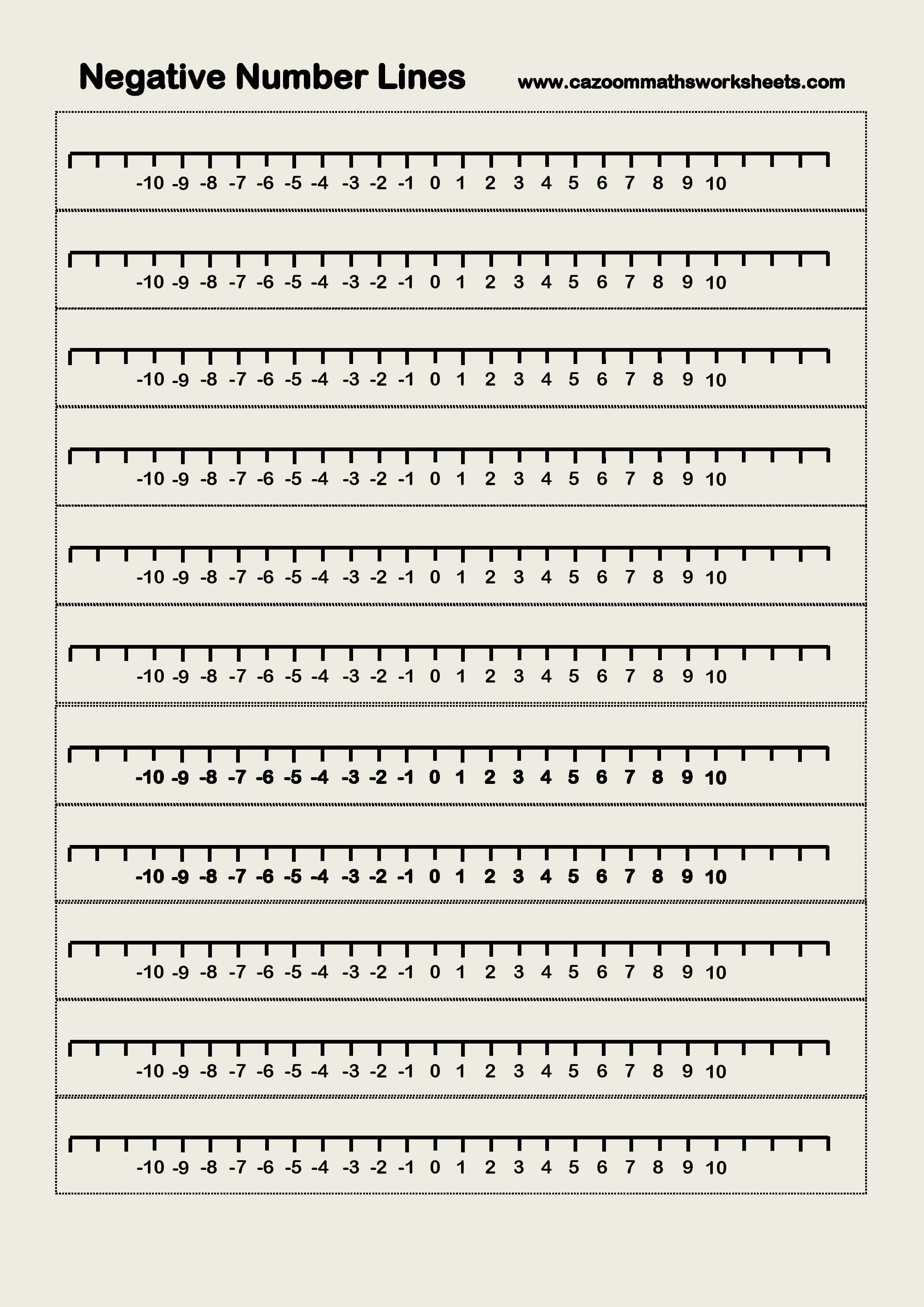
Positive and Negative Numbers: Lines with both positive and negative values, essential for advanced math.
A printable number line negative positive chart is a common format. If you want another perspective, check out my notes on name trace printable as well.
Sizing and Specifications
The size of a printable number line can vary:
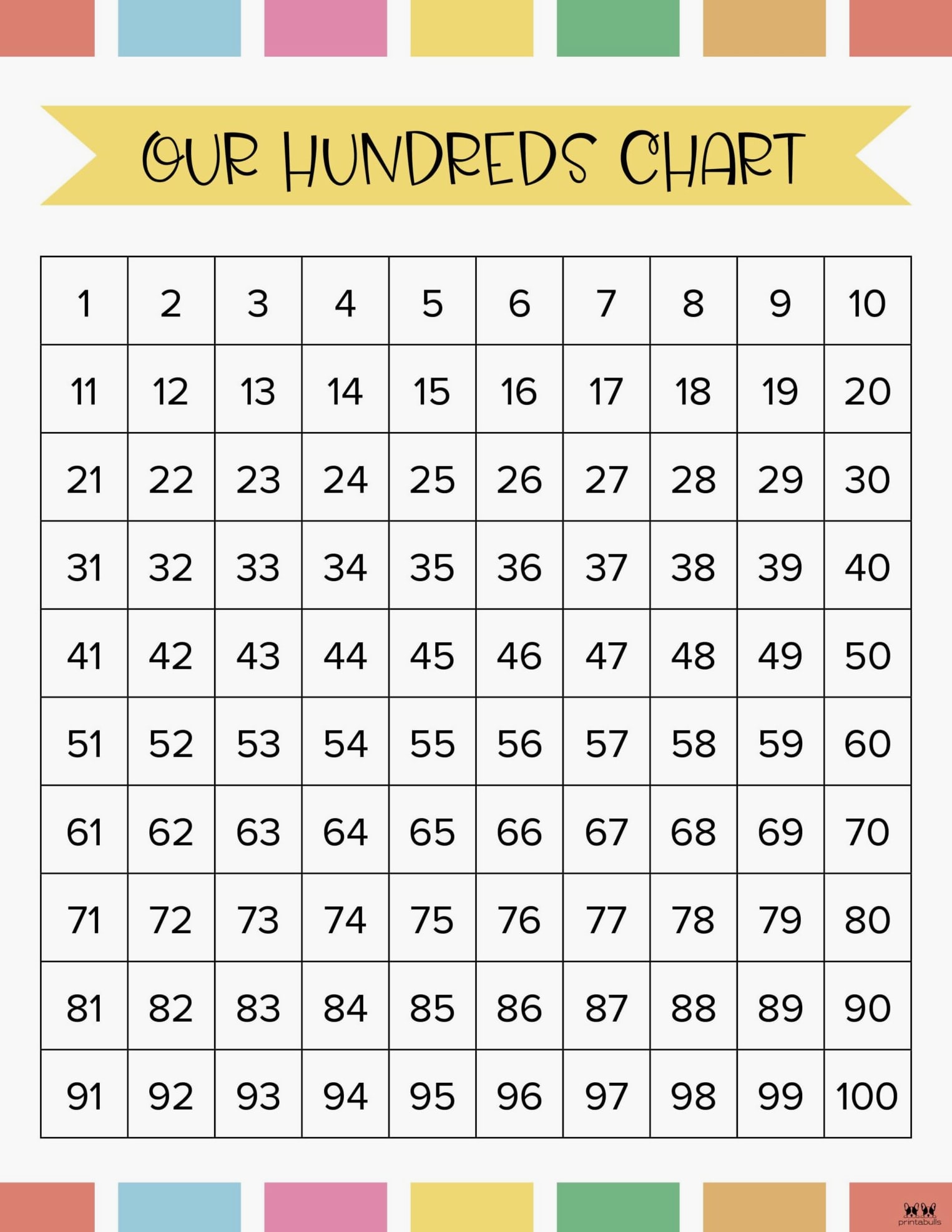
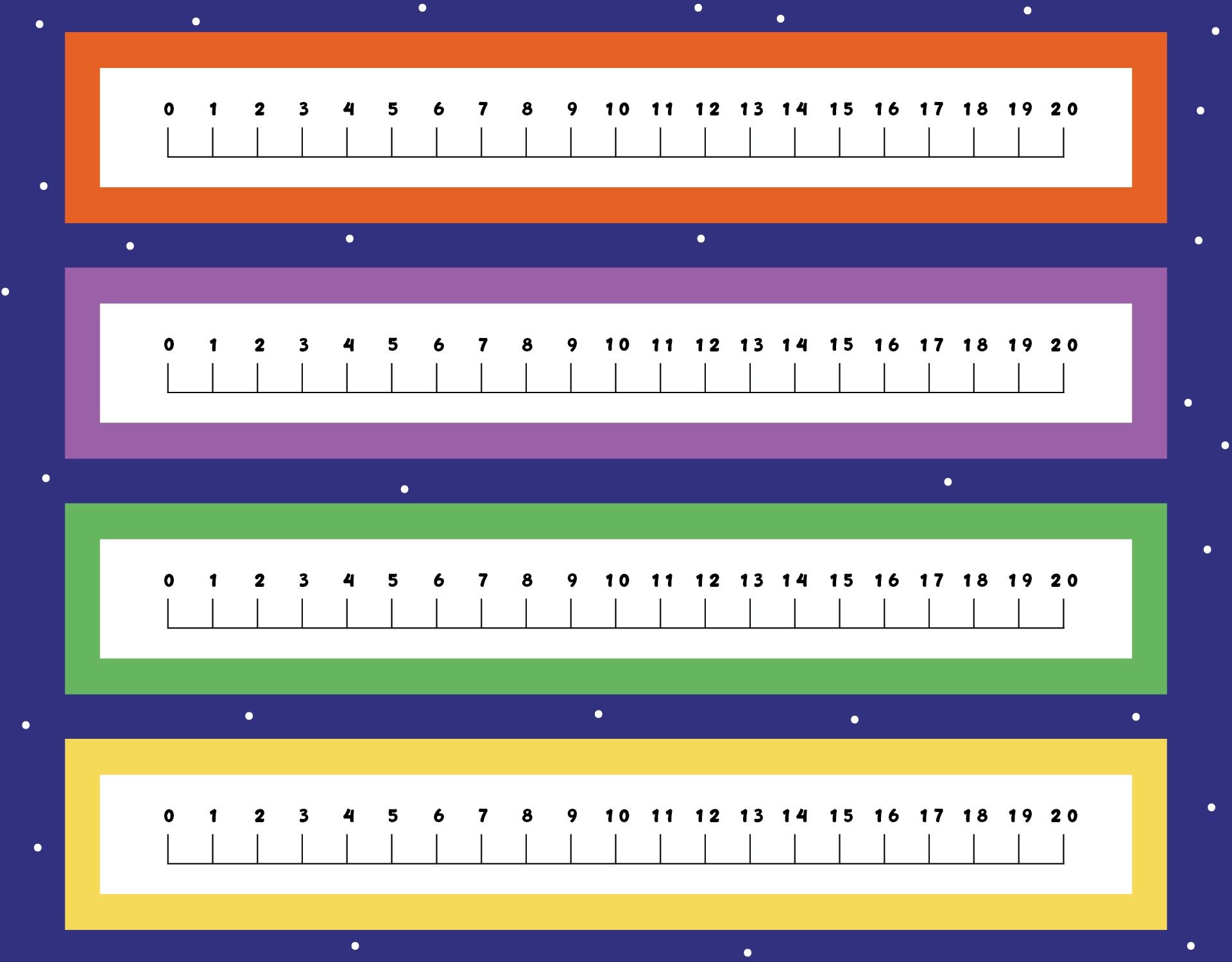
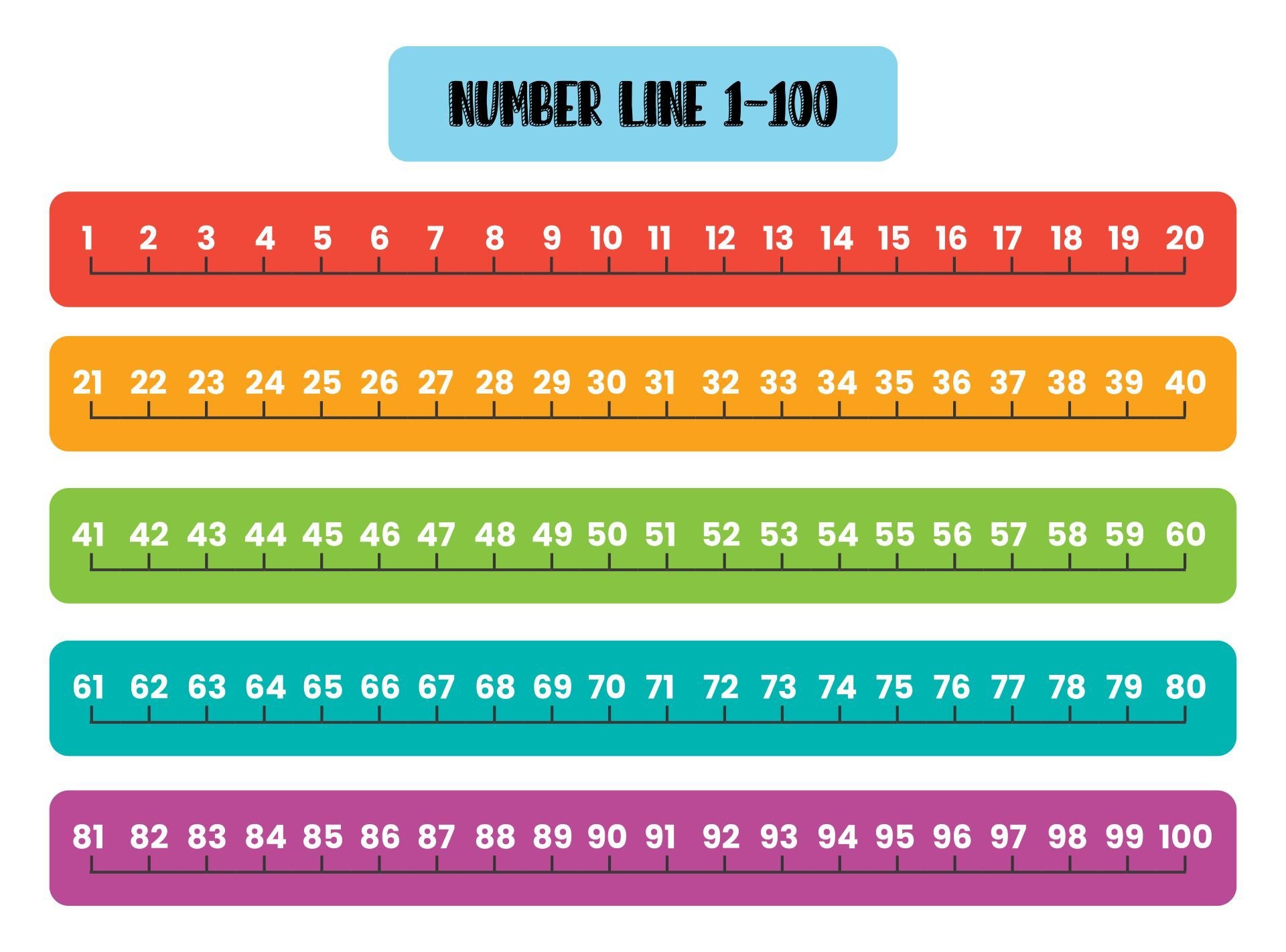
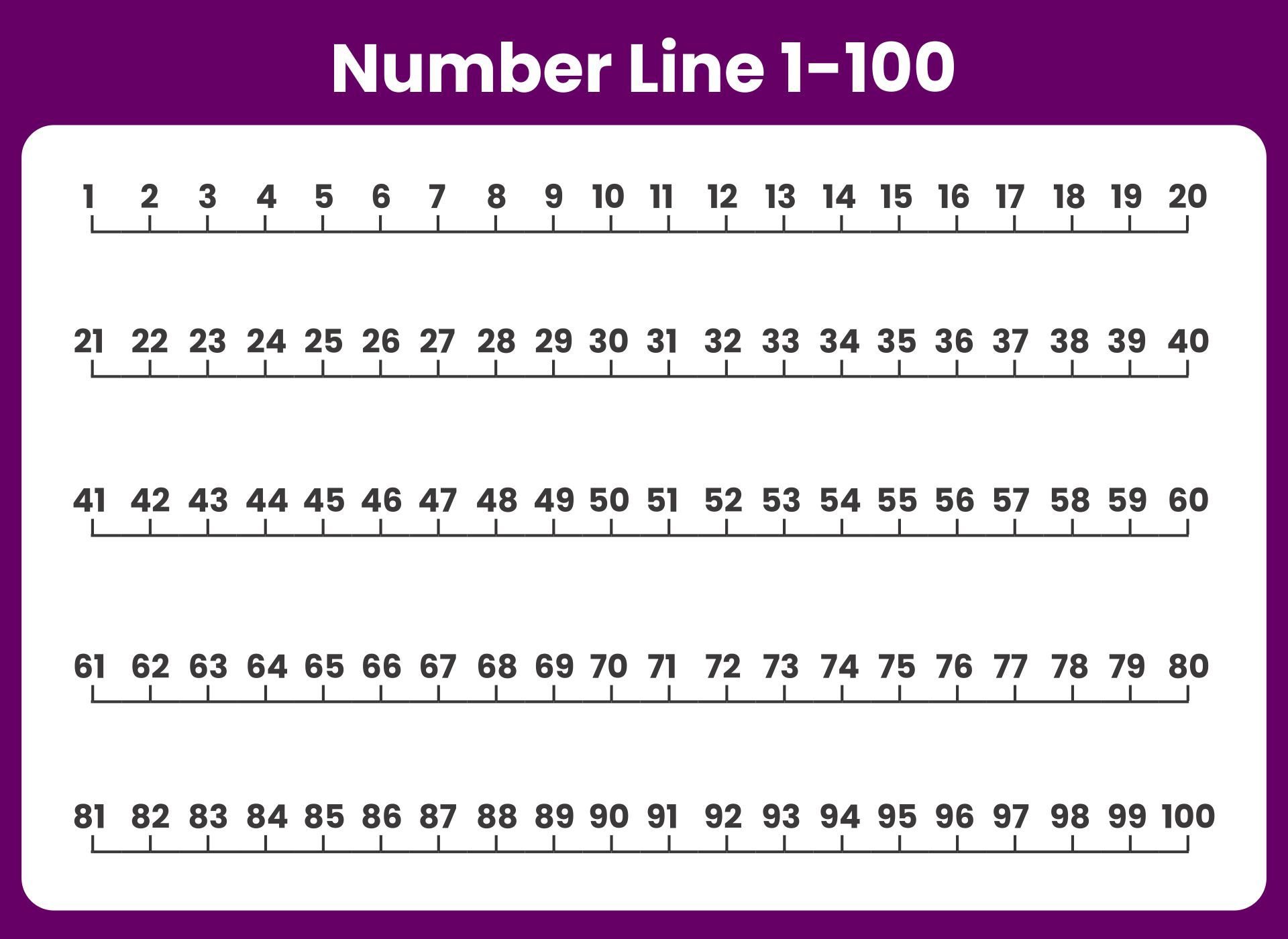
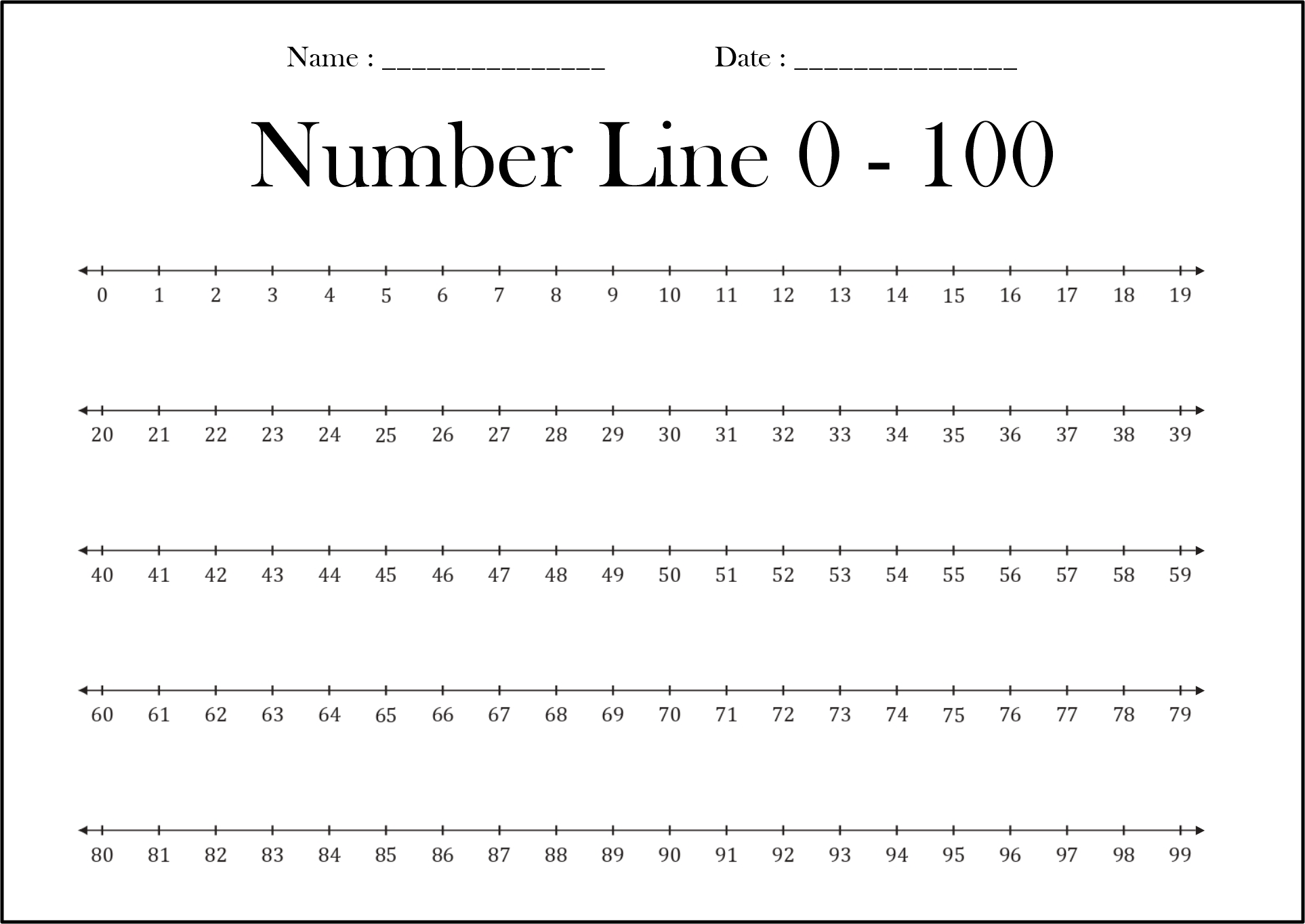
- Standard Sizes: Common sizes include 0-100, 0-20, and 0-10, suitable for most basic math needs.
- Customizable Options: Some generators allow you to create lines with specific ranges, catering to unique requirements.
Materials and Styling
Printable number lines can be made from various materials:
Paper: The most common, offering a cost-effective and versatile option.
Cardstock: Thicker and more durable, ideal for frequent use. For a closer look at something similar, my post on letter f printable covers the details.
Magnetic: Magnetic number lines can be placed on boards for interactive learning.
Plastic: Waterproof and durable, perfect for outdoor use or messy environments.
Placement and Usage
Where and how you use a printable number line matters:
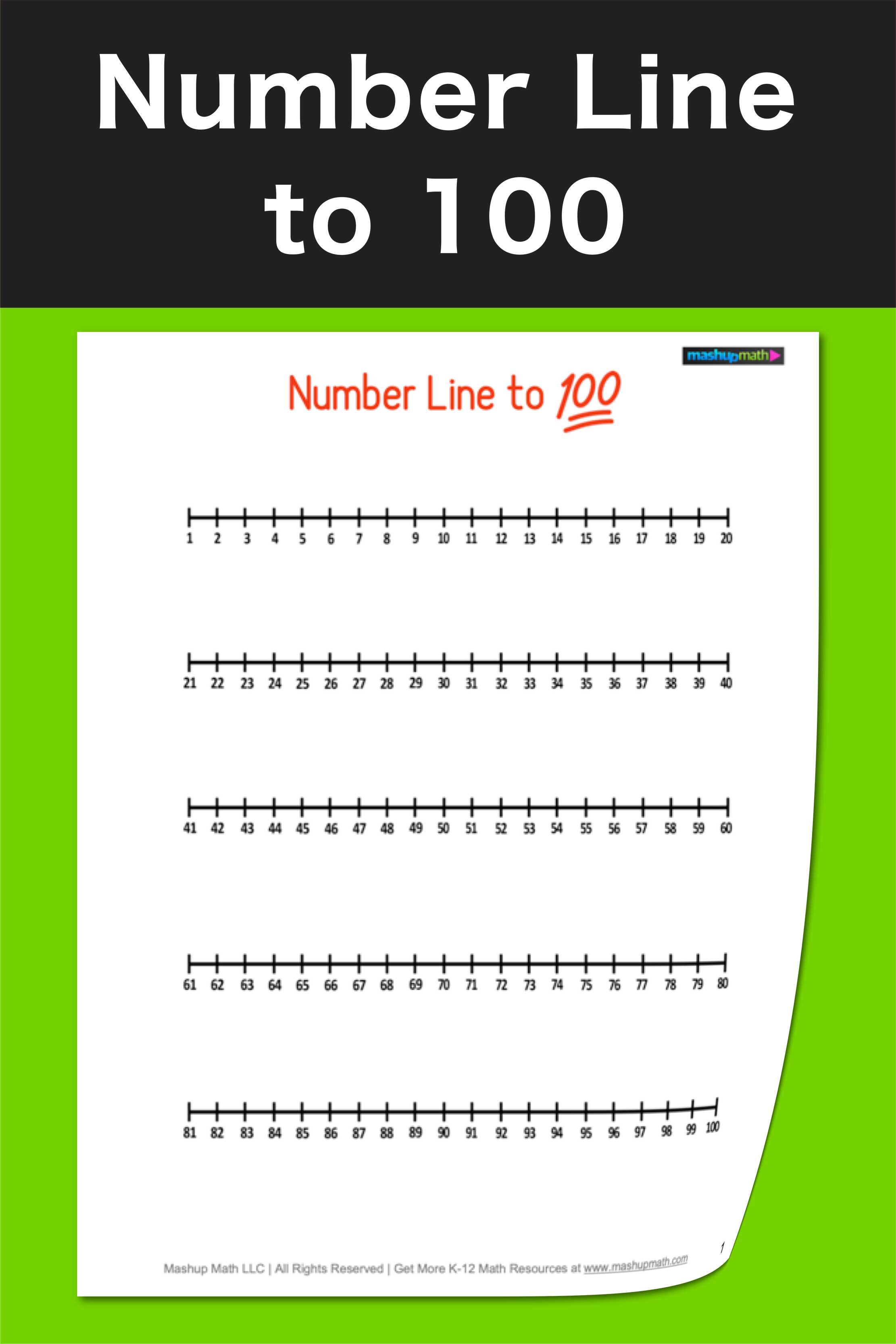
Classroom Display: Large-scale prints are perfect for visual aids in classrooms. You can also compare this directly with printable word finds to see how they stack up.
Individual Worksheets: Smaller prints allow students to work independently.
Math Manipulatives: Number lines can be cut into strips for hands-on learning.
Home Learning: A great resource for parents teaching math at home.
What to Check Before Buying or Making
Consider these factors when choosing a printable number line:
Quality: Ensure the print is clear and easy to read, especially for smaller numbers.
Relevance: Choose a number line suitable for the math concepts being taught.
Customization: Look for options to create custom lines if needed.
Cost: Compare prices, especially for bulk purchases.
Versatility: Consider lines with multiple uses, like those covering various math topics.
Ease of Use: Opt for formats that are easy to print and use.
Remember, printable number lines are a flexible tool, offering a visual approach to math learning. Whether for basic counting or advanced concepts, they provide a practical and engaging resource.