Popular Options and Variations
When it comes to printable 100 charts, there's a range of options to suit different needs and preferences: For a closer look at something similar, my post on abc printables covers the details.
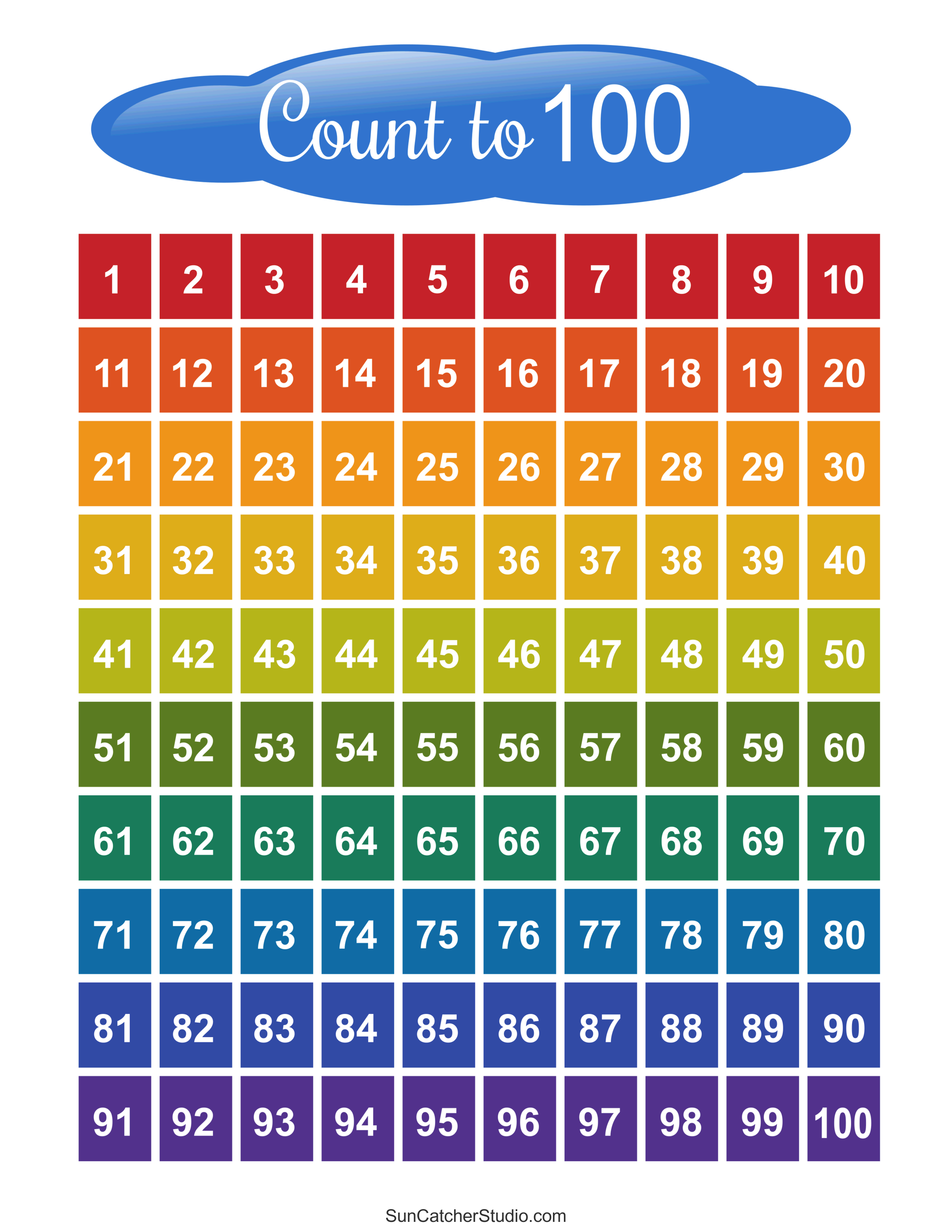
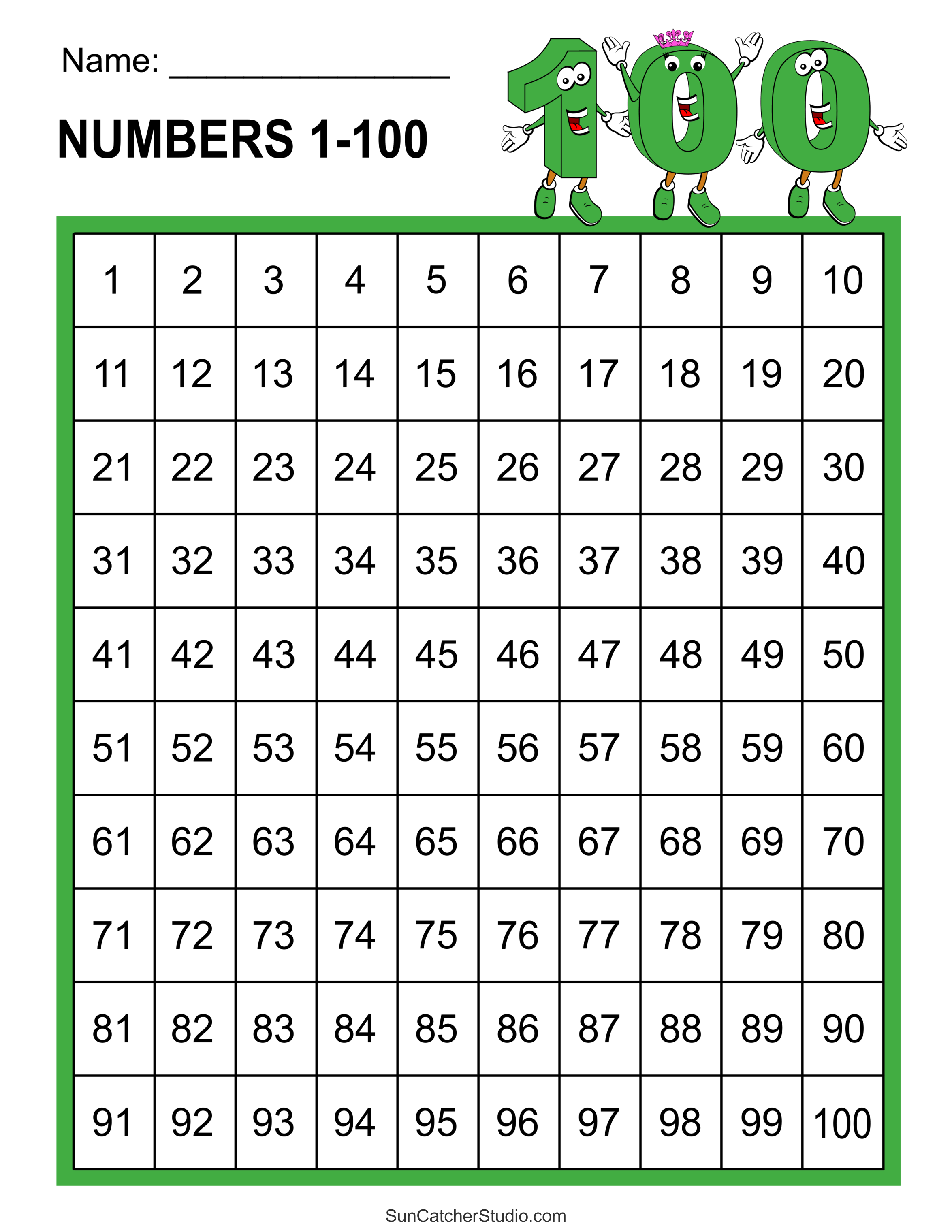
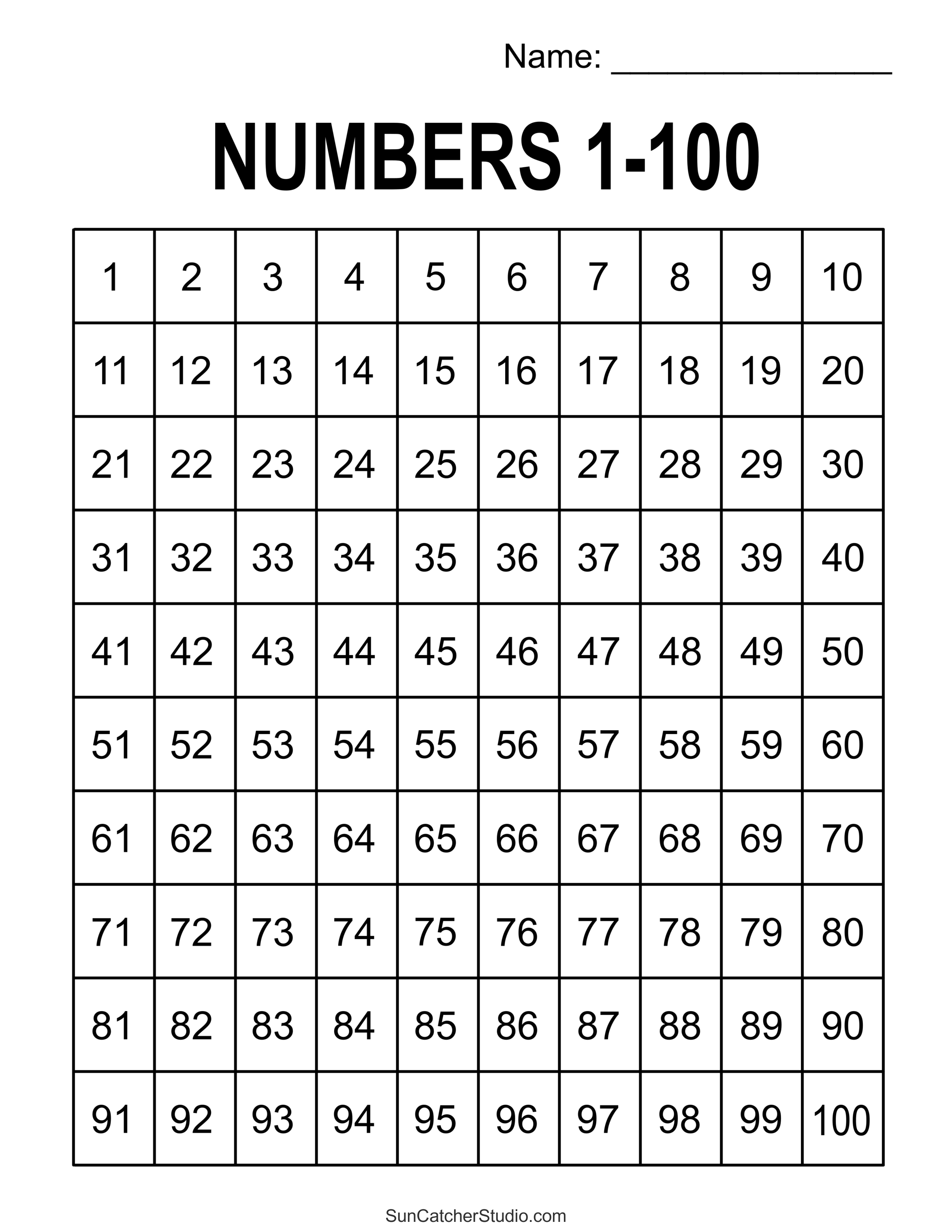
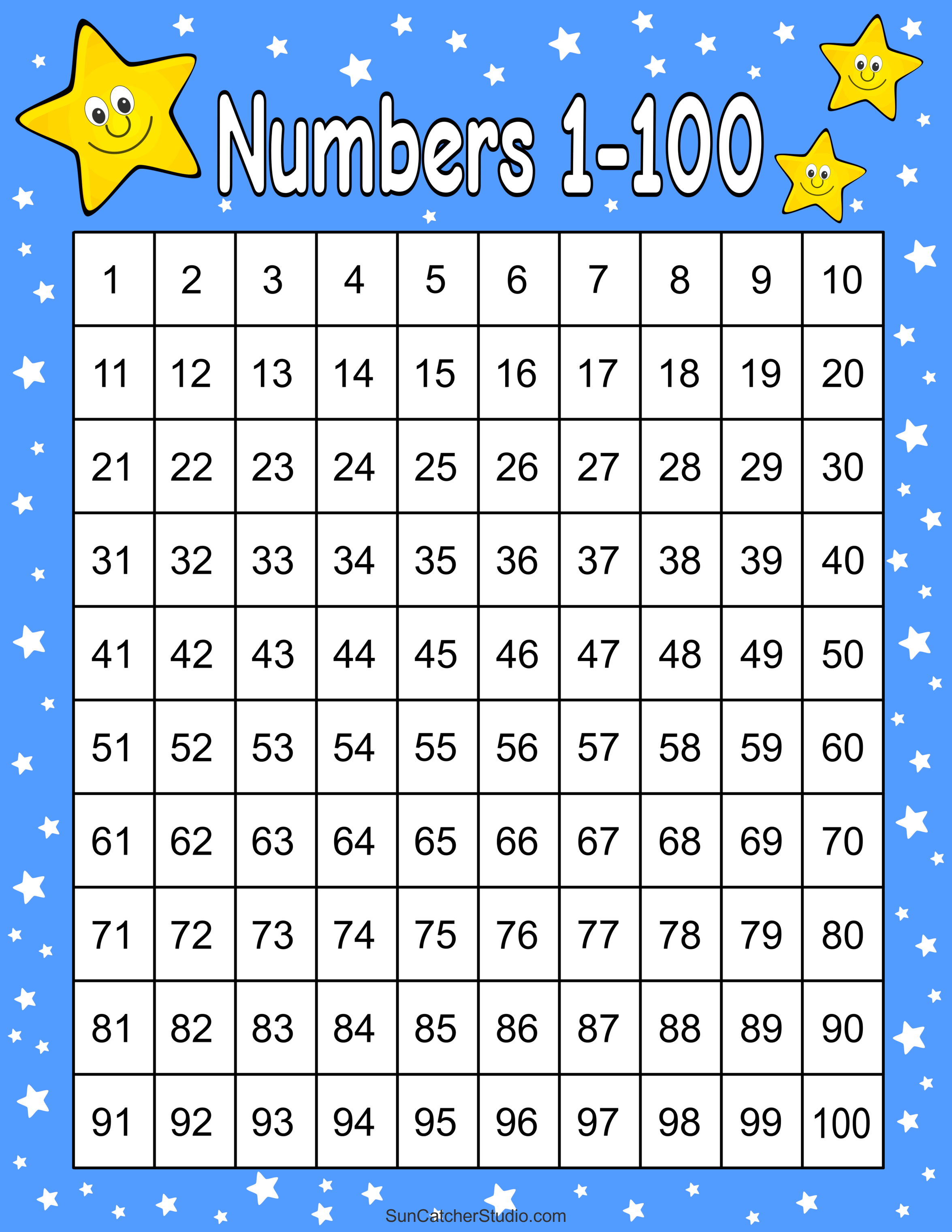
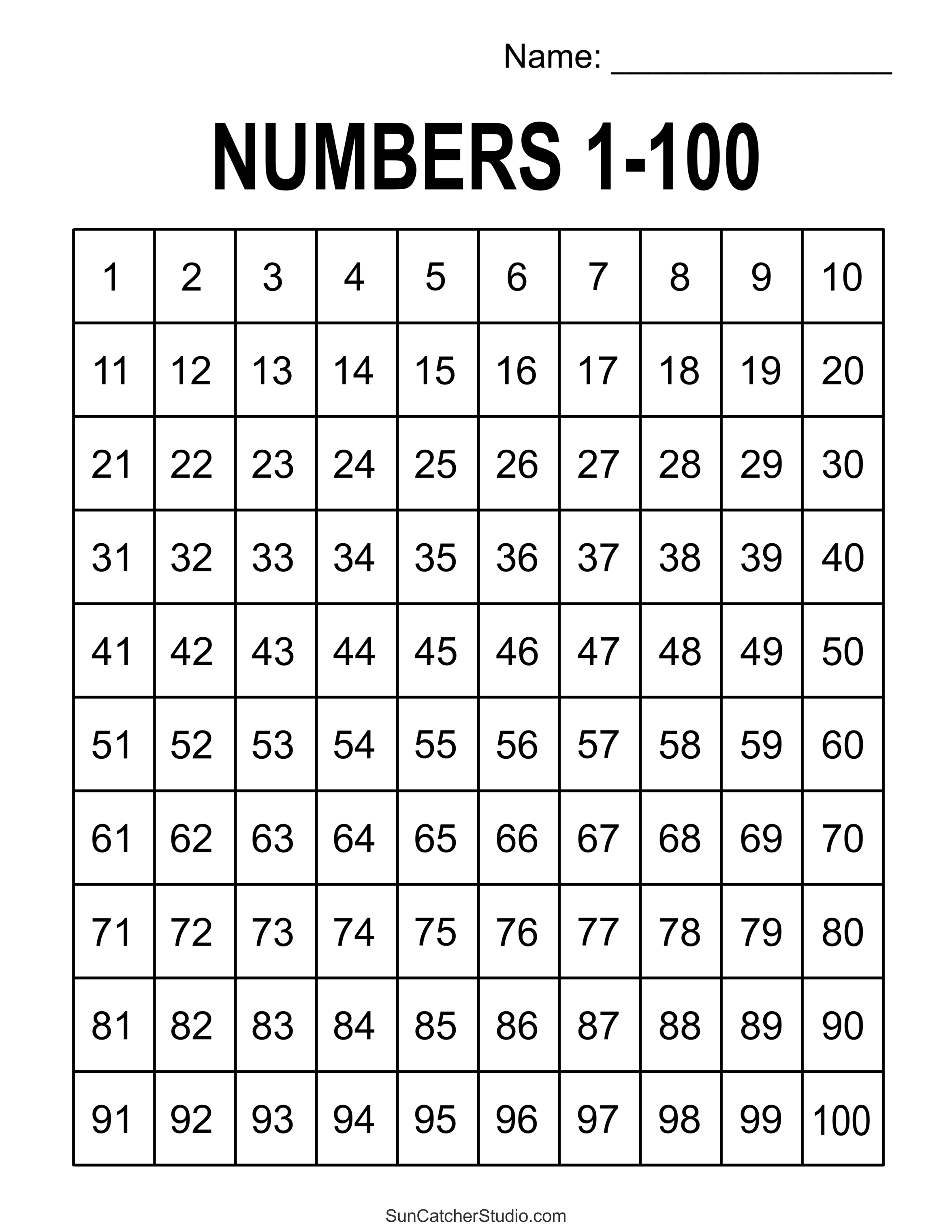
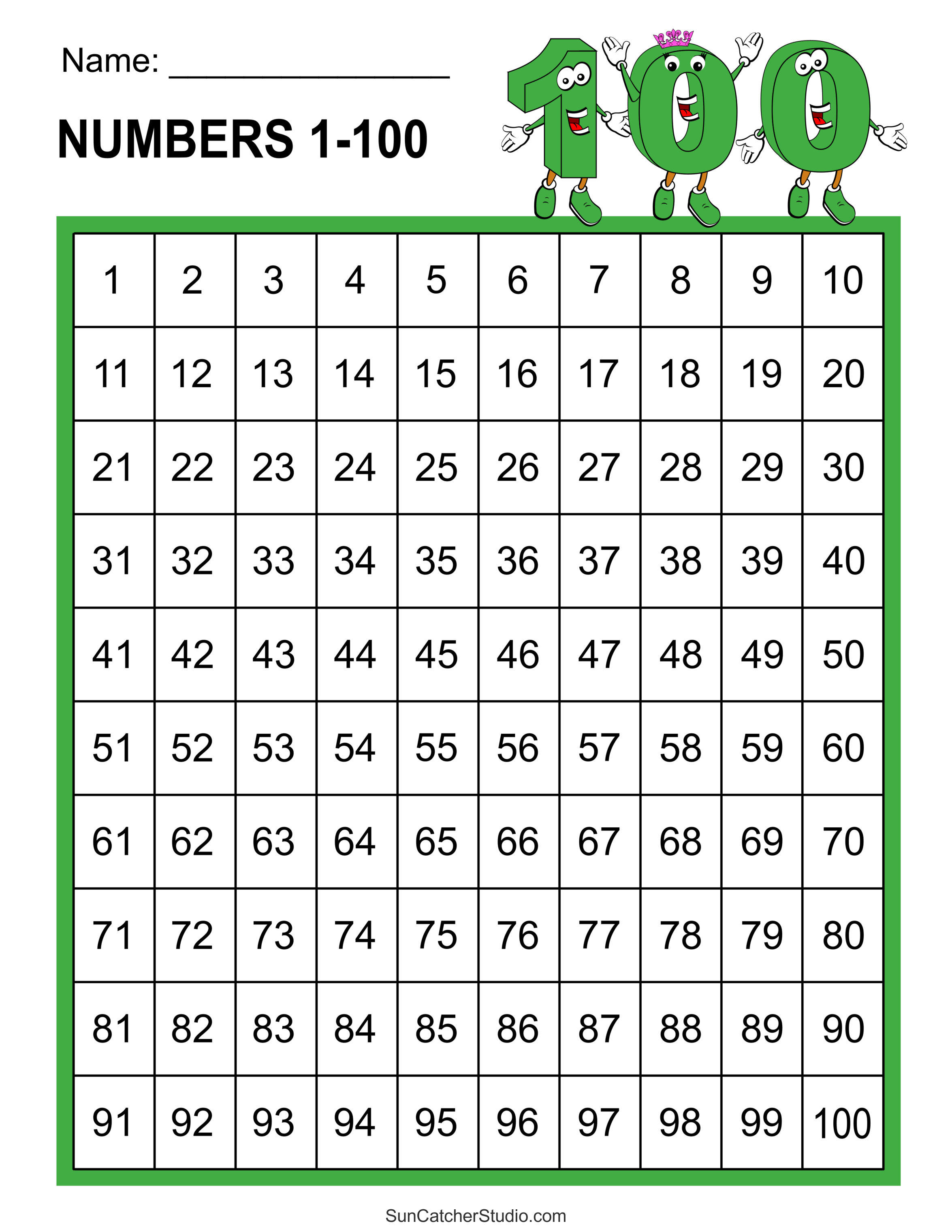
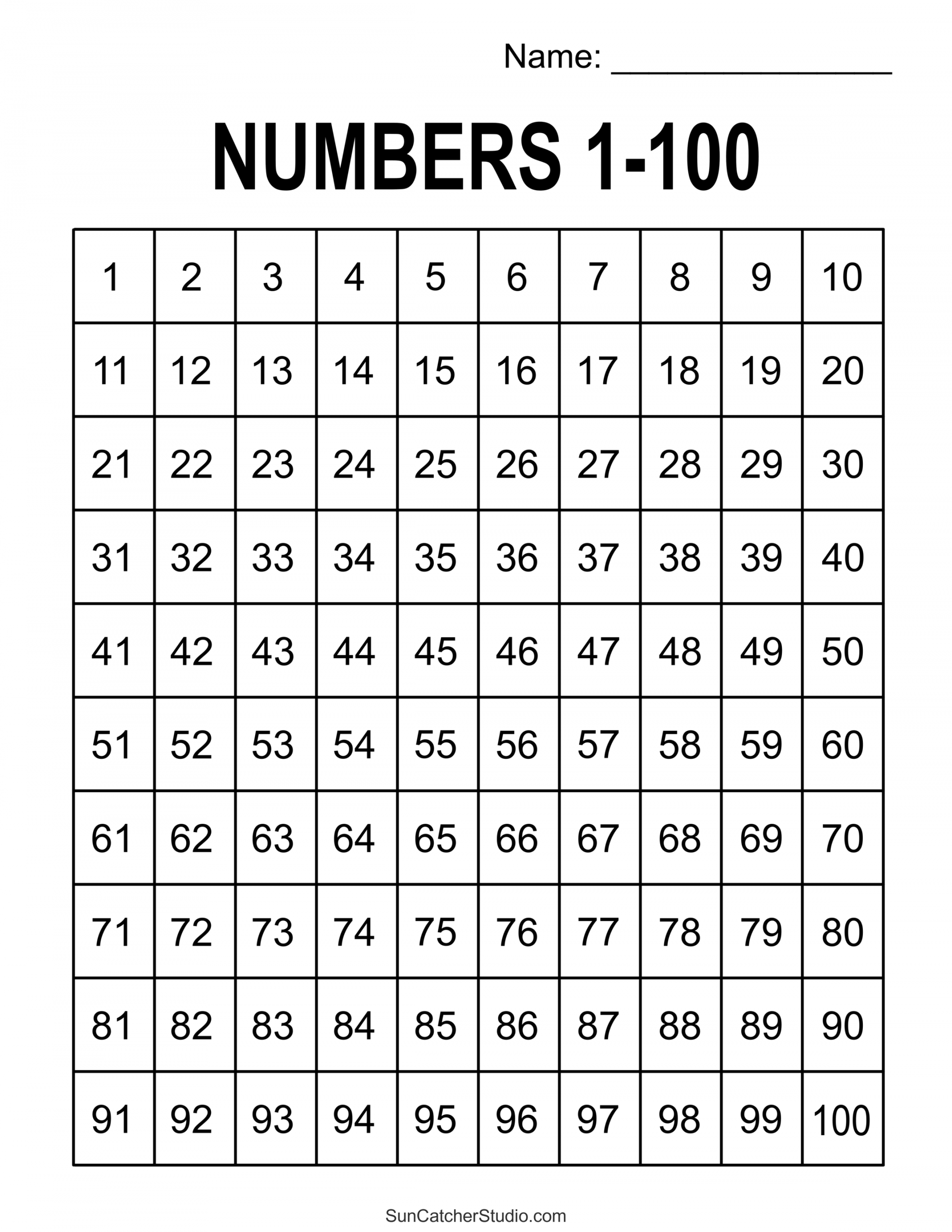
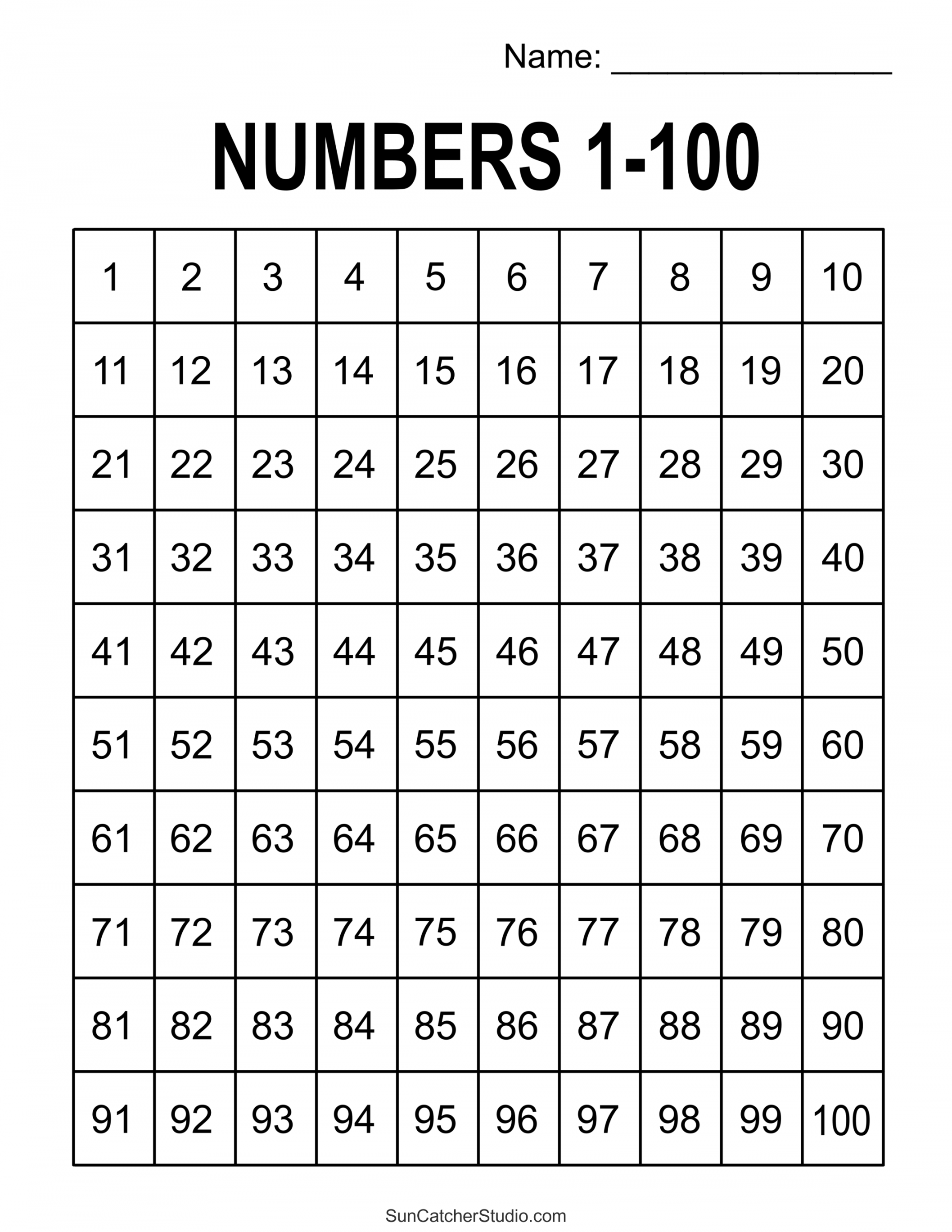
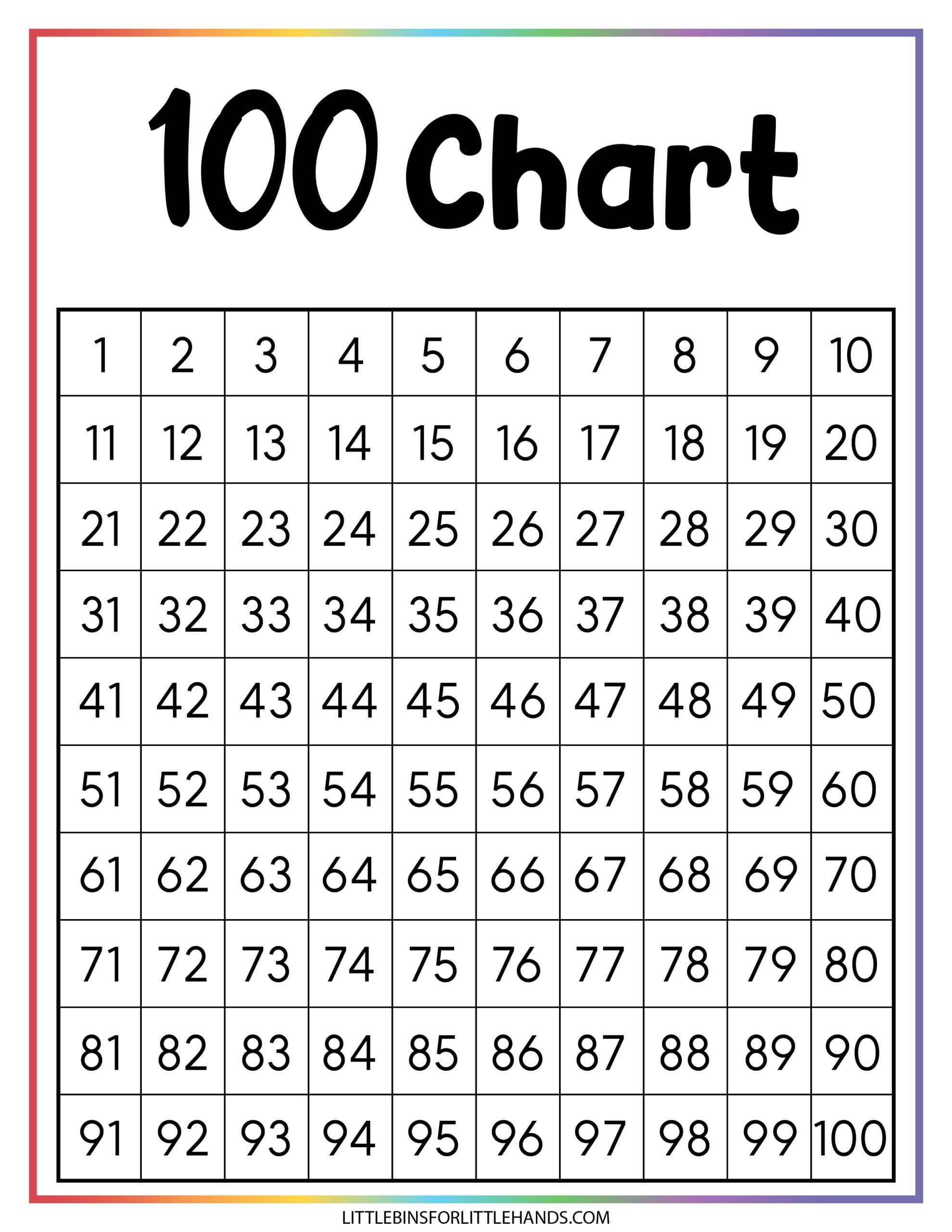
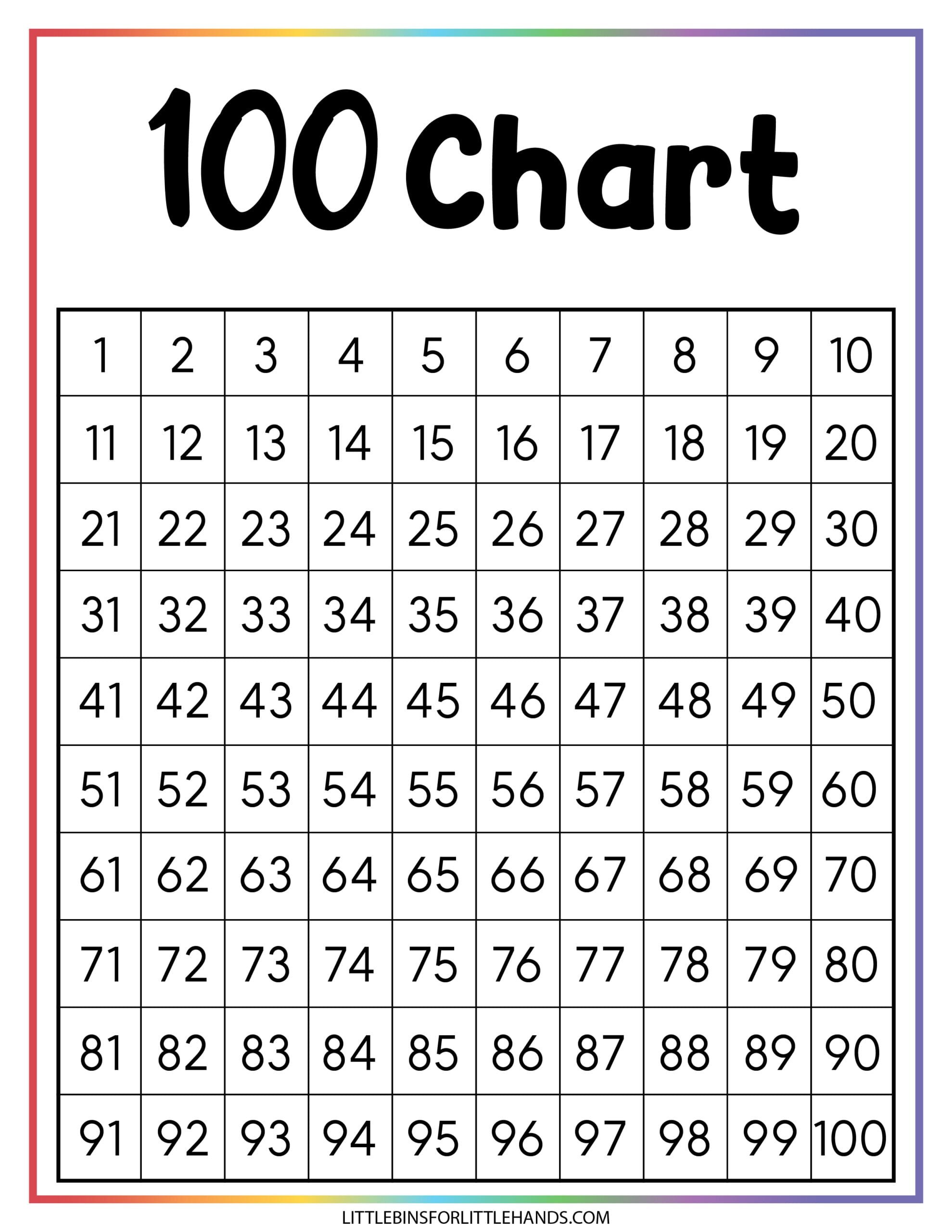
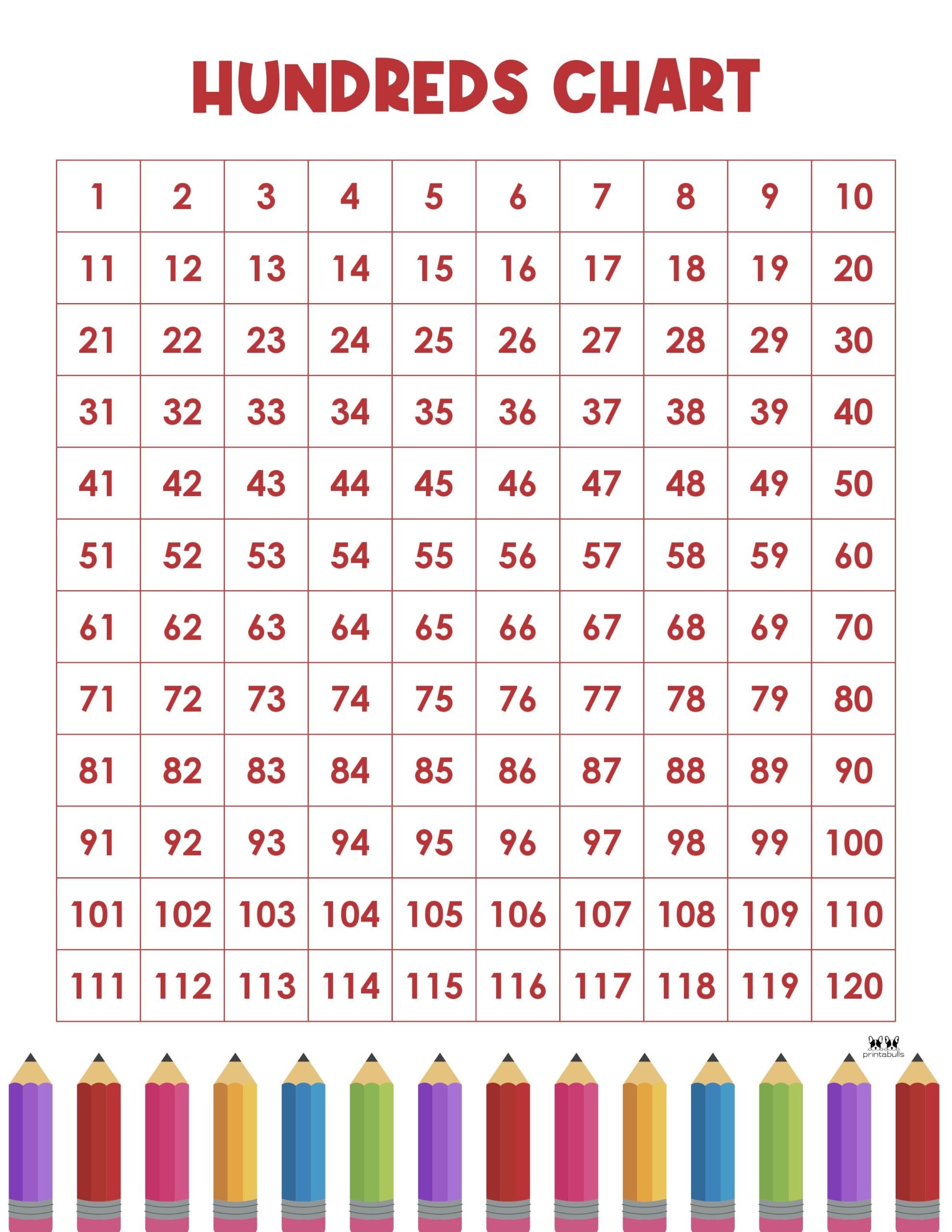
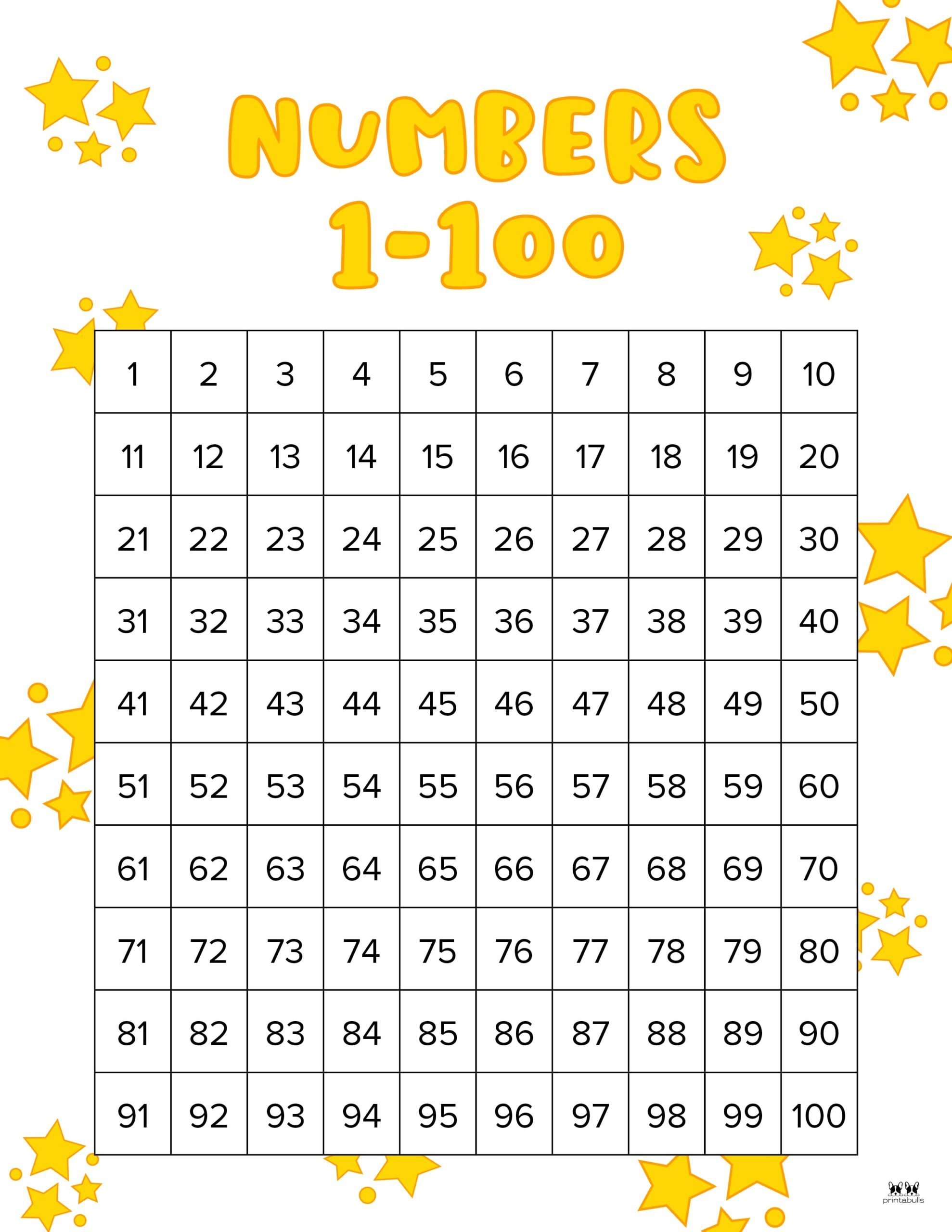
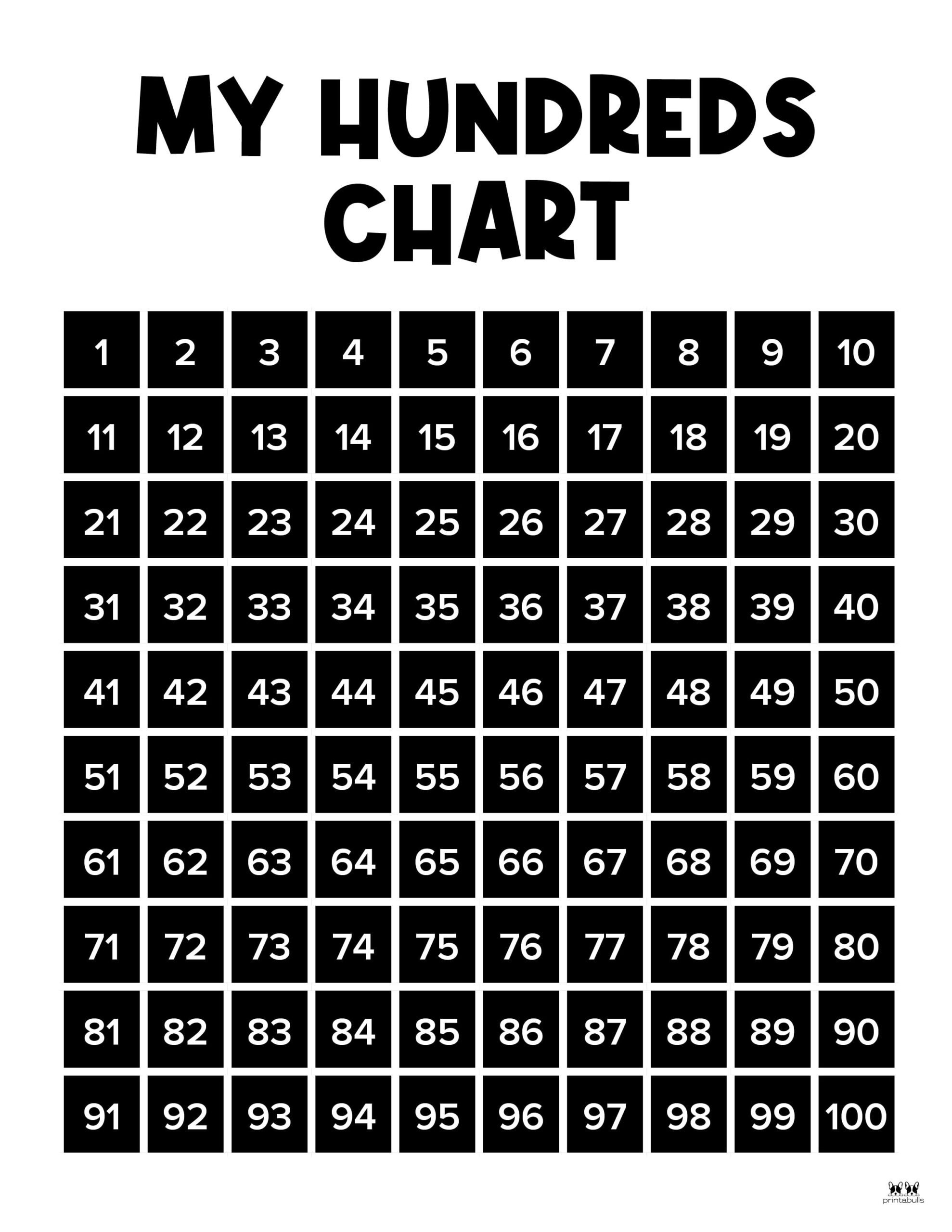
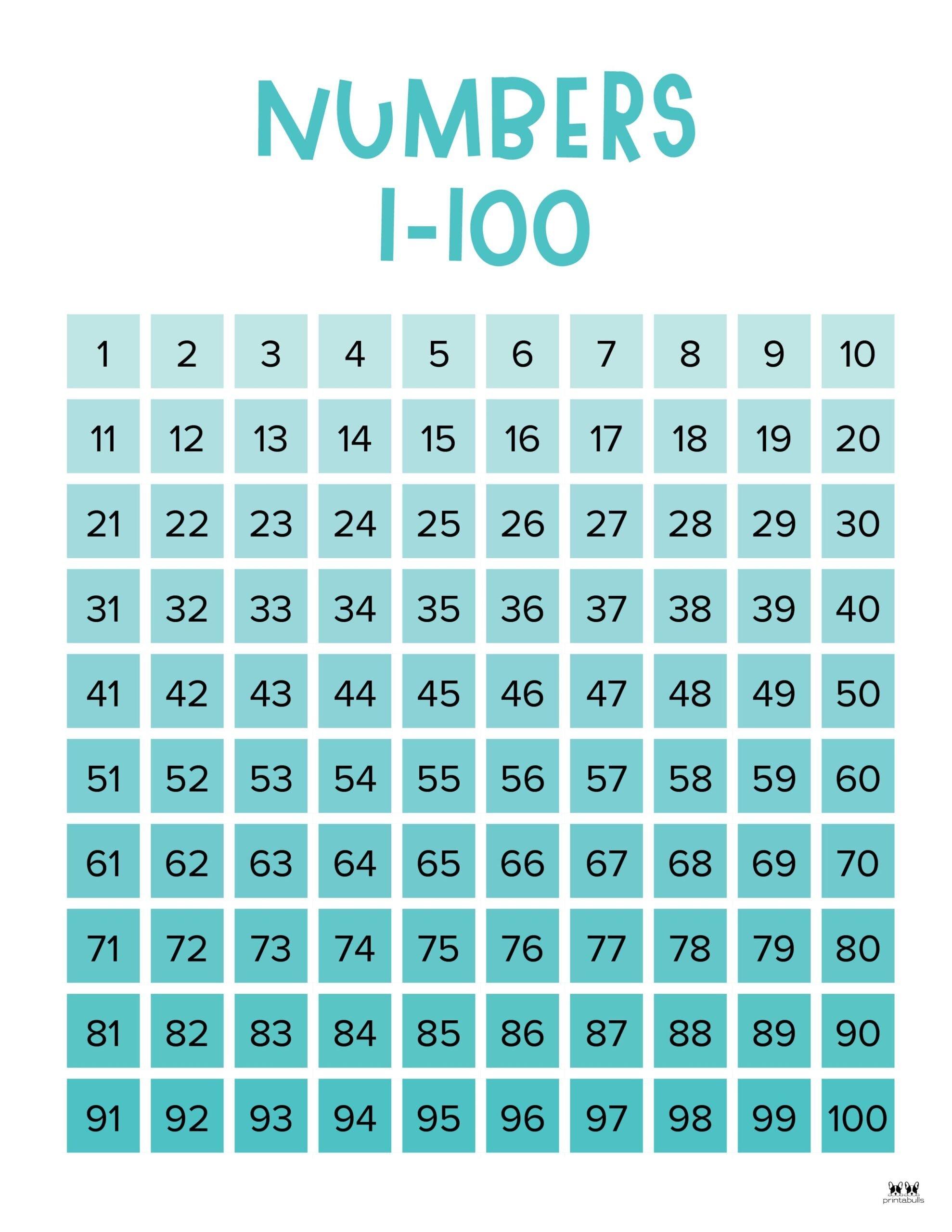
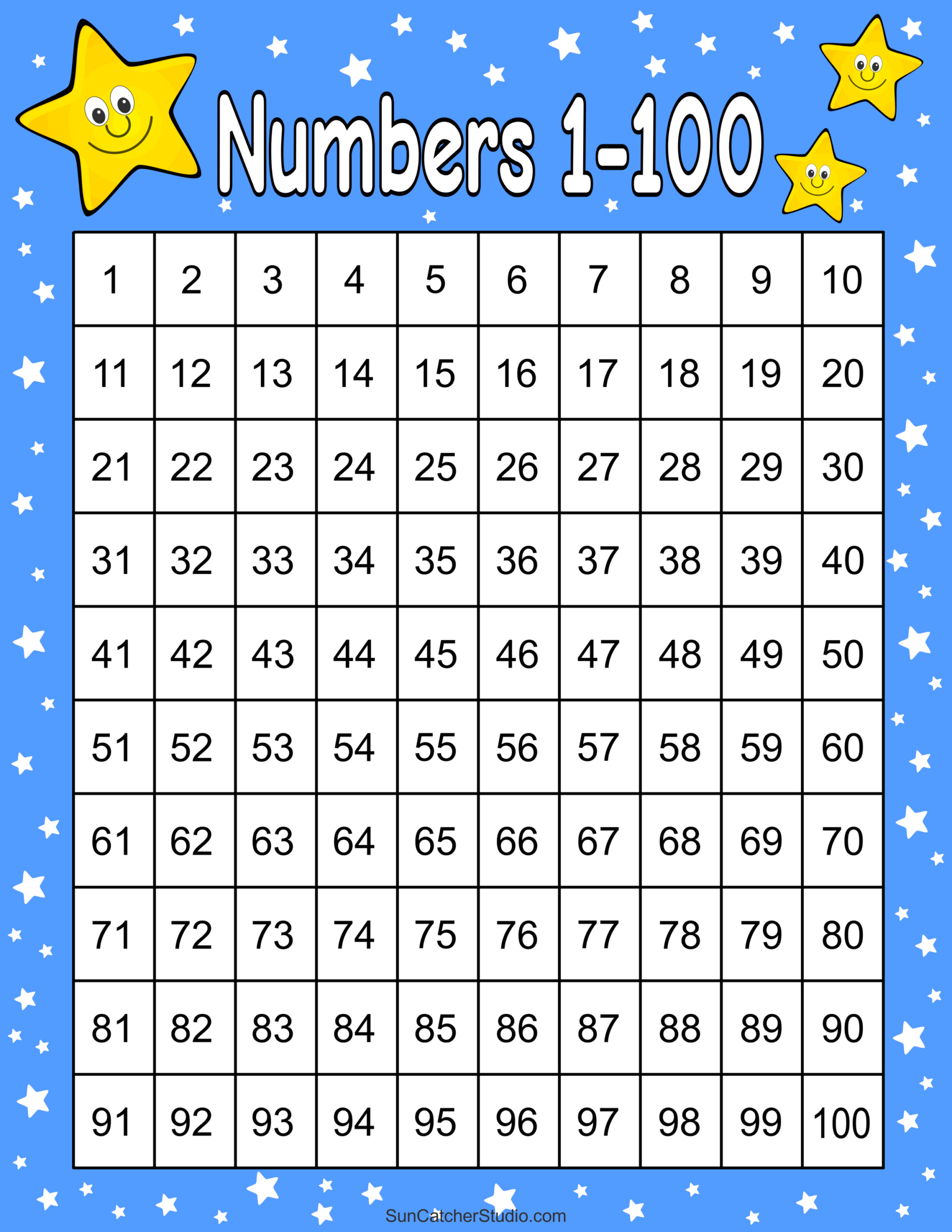
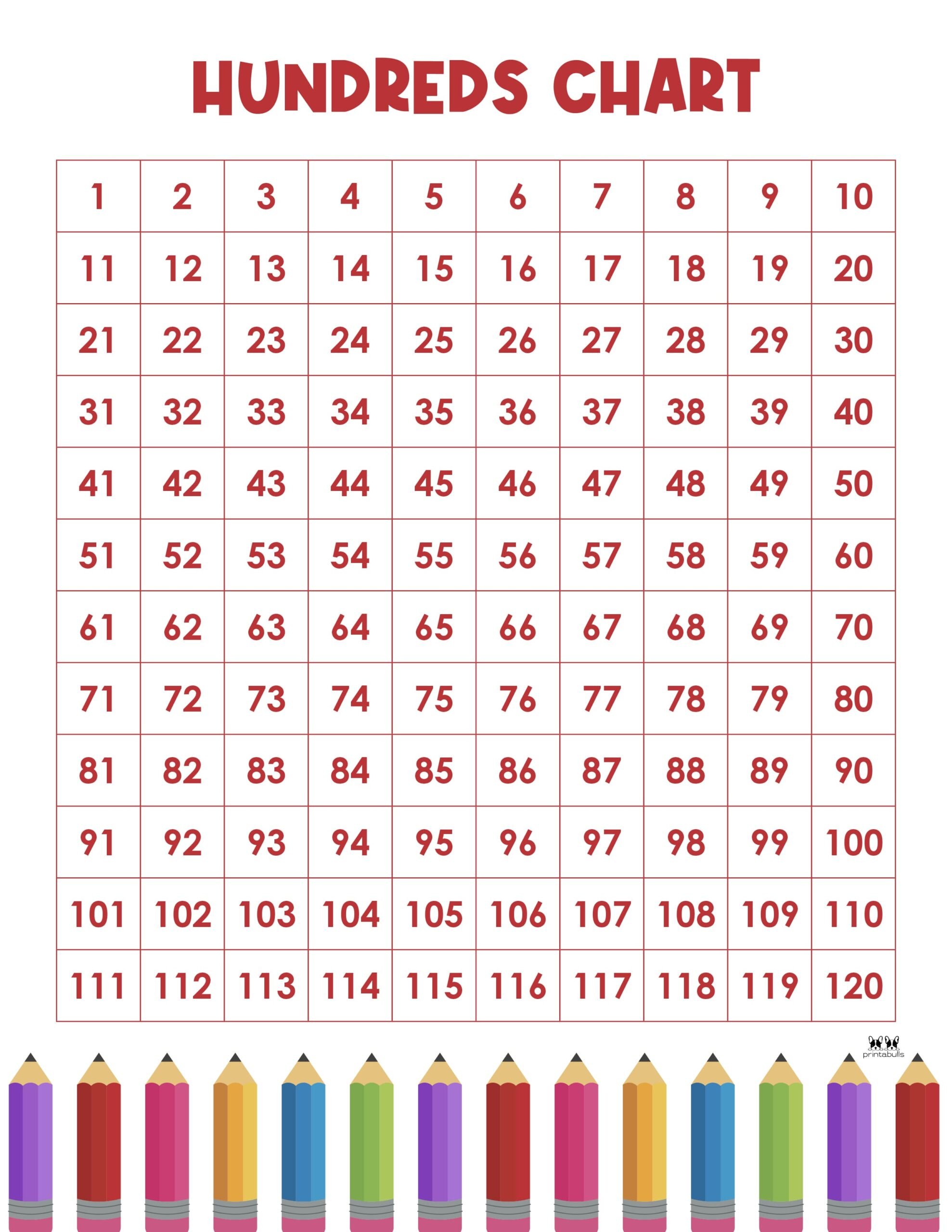
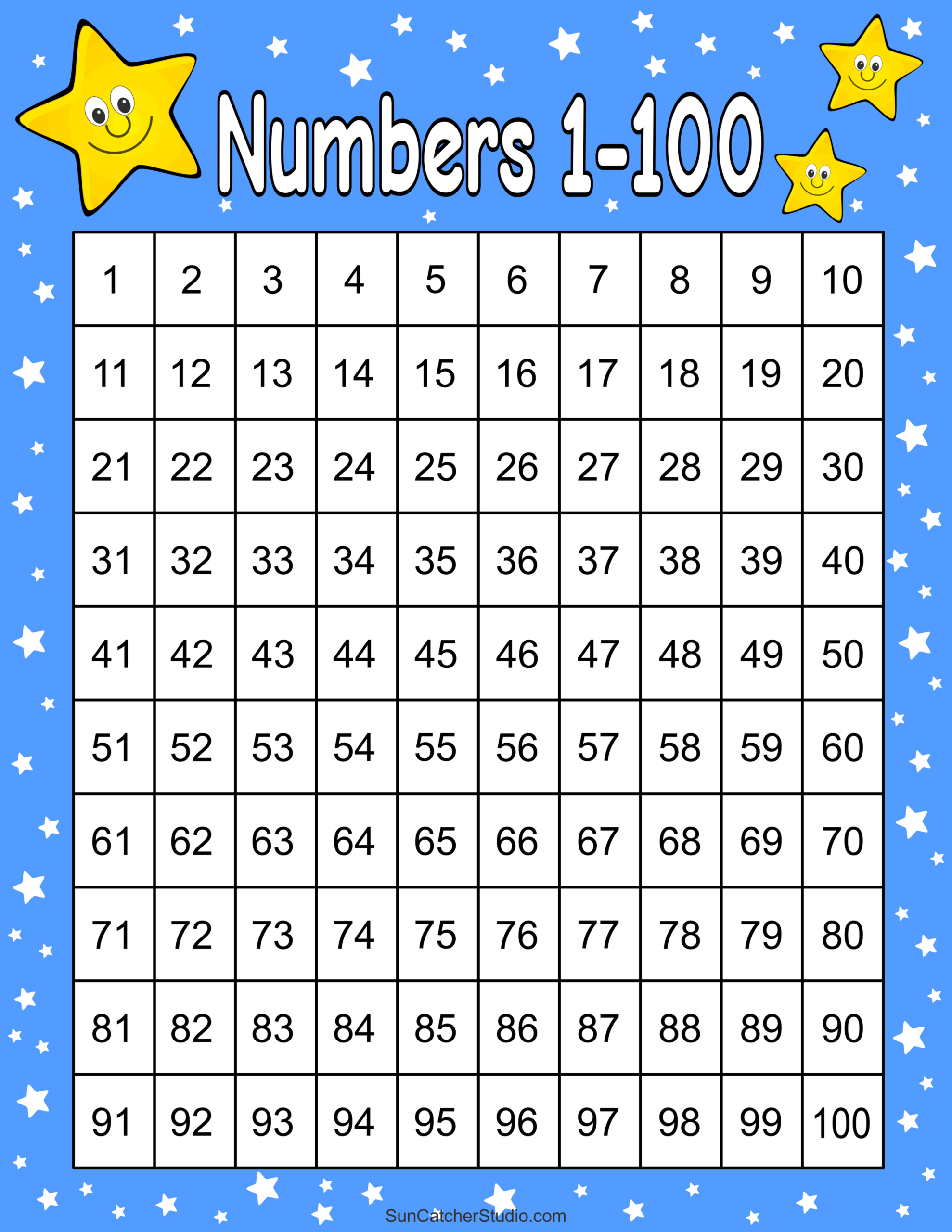
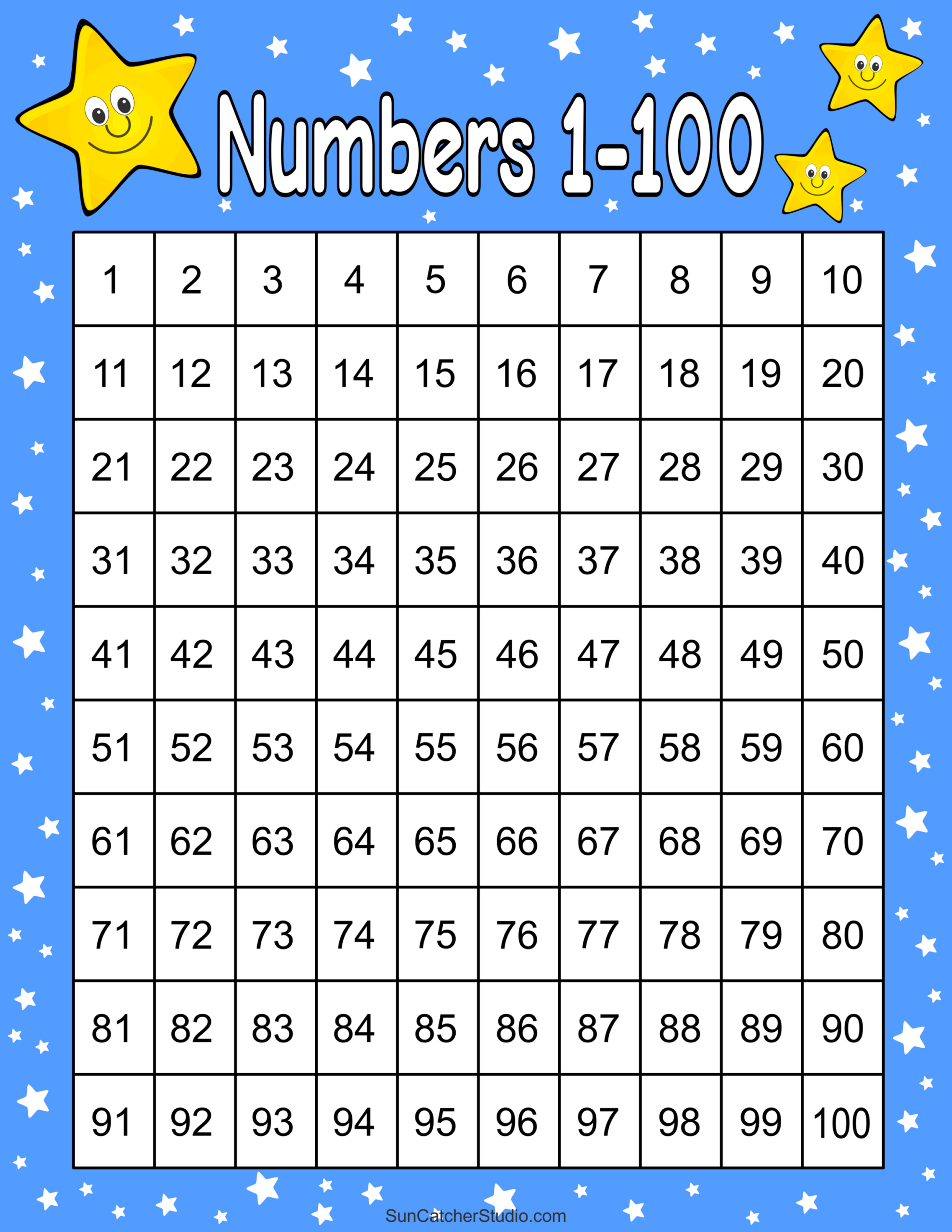
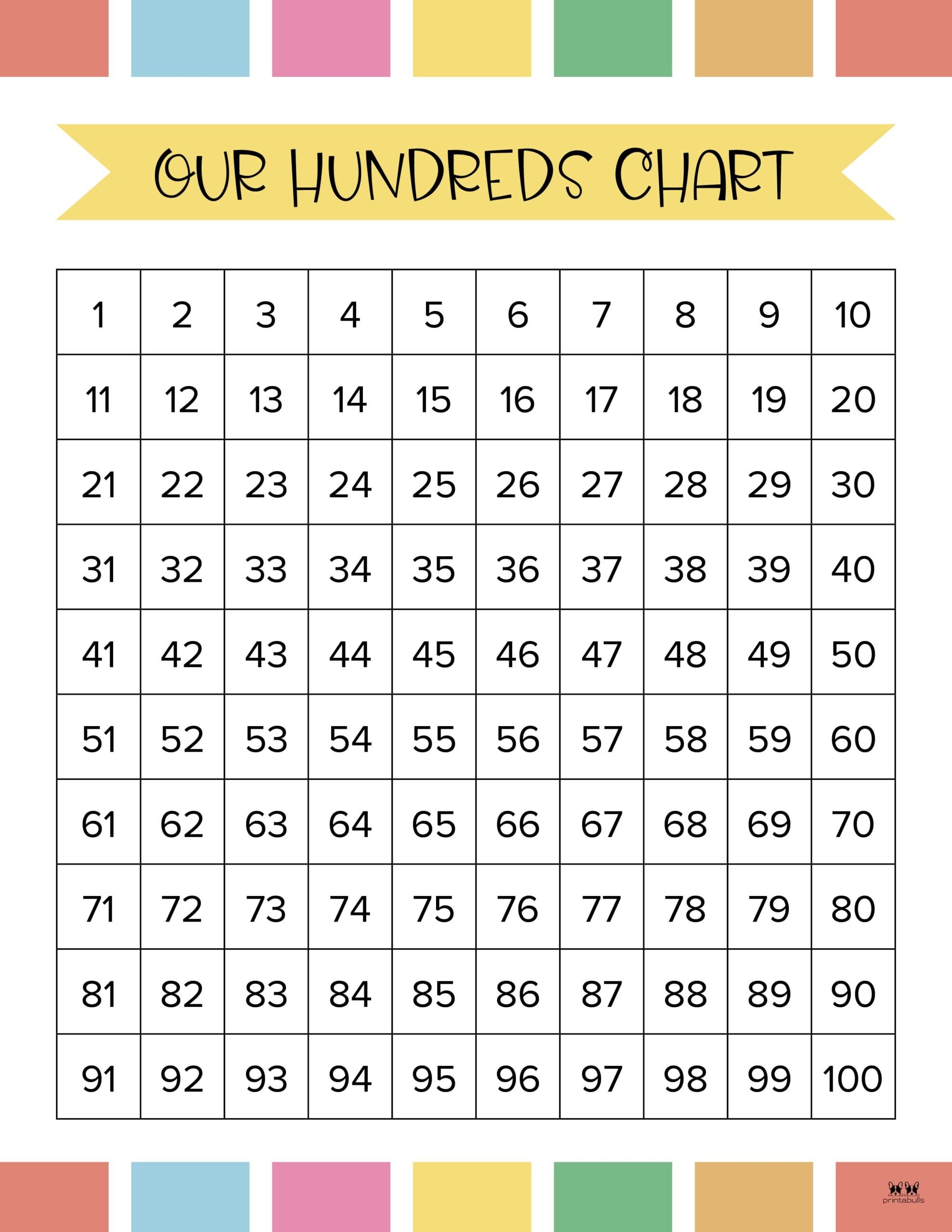
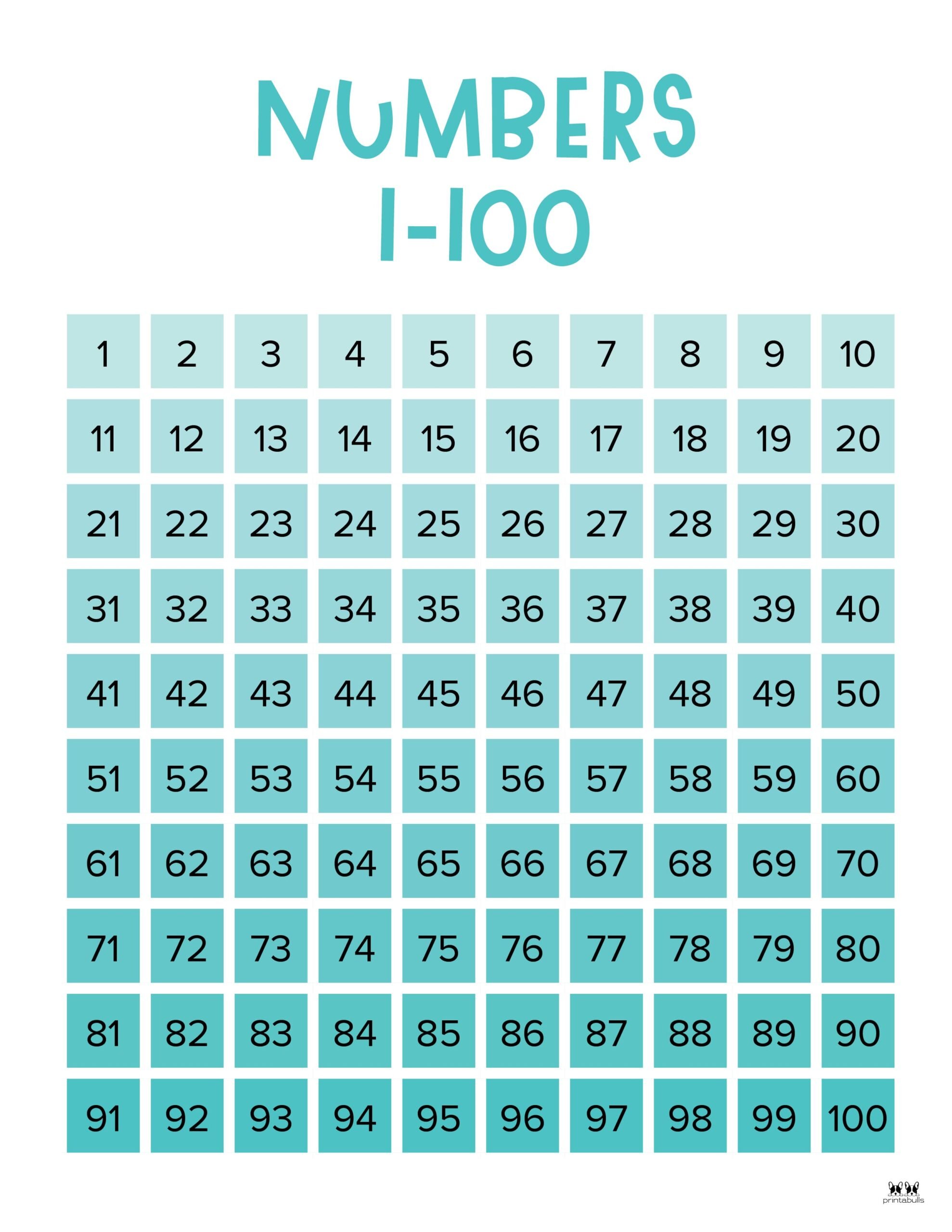
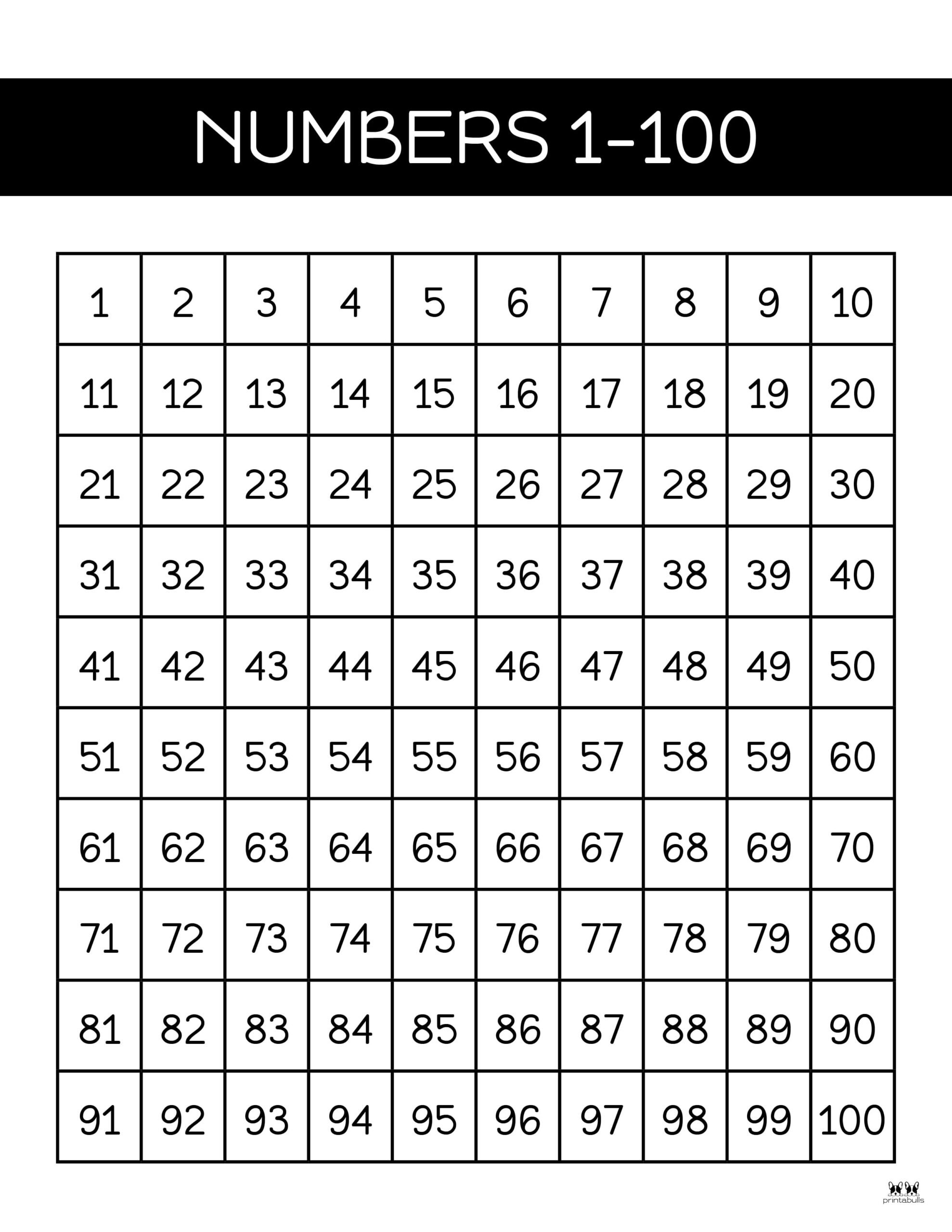
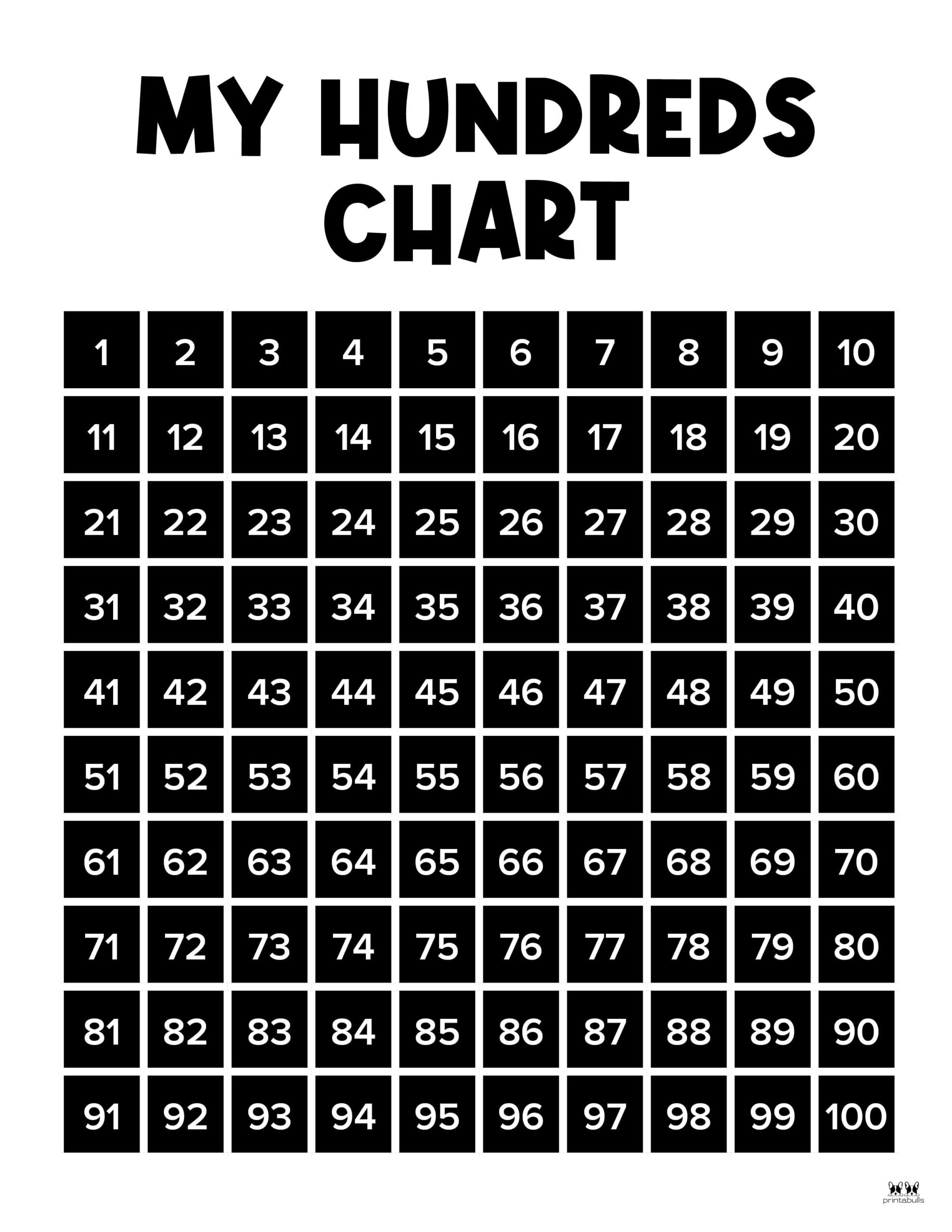
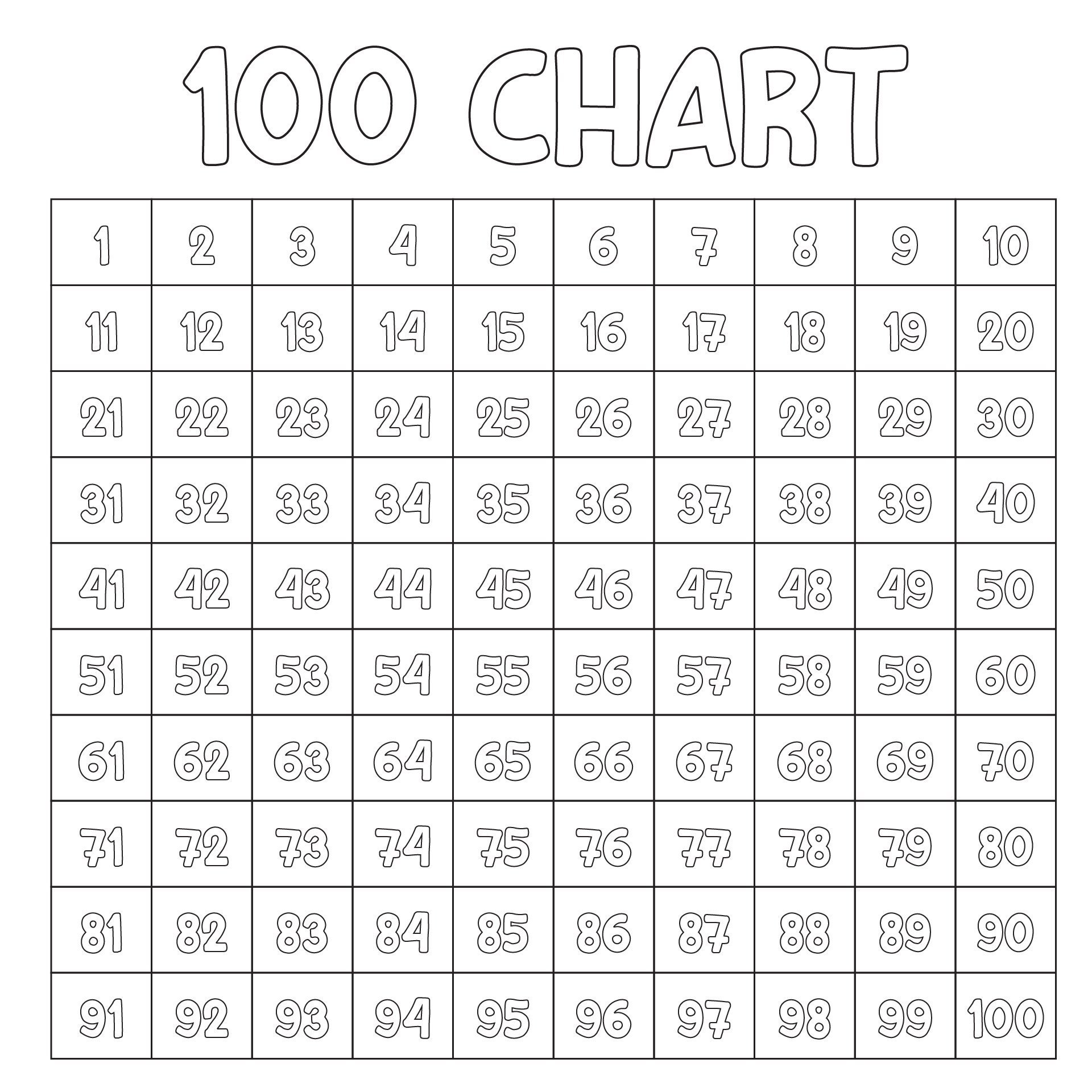
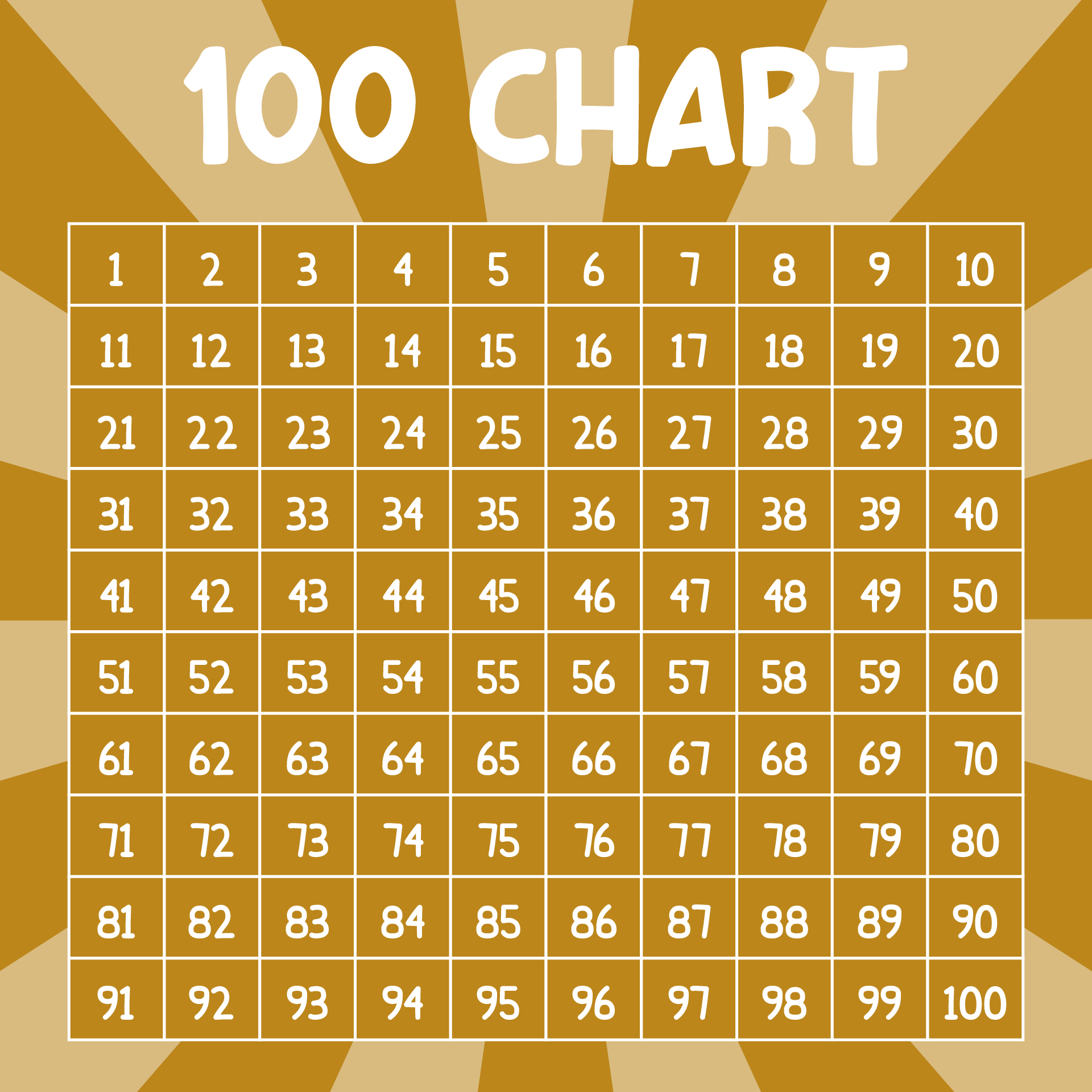
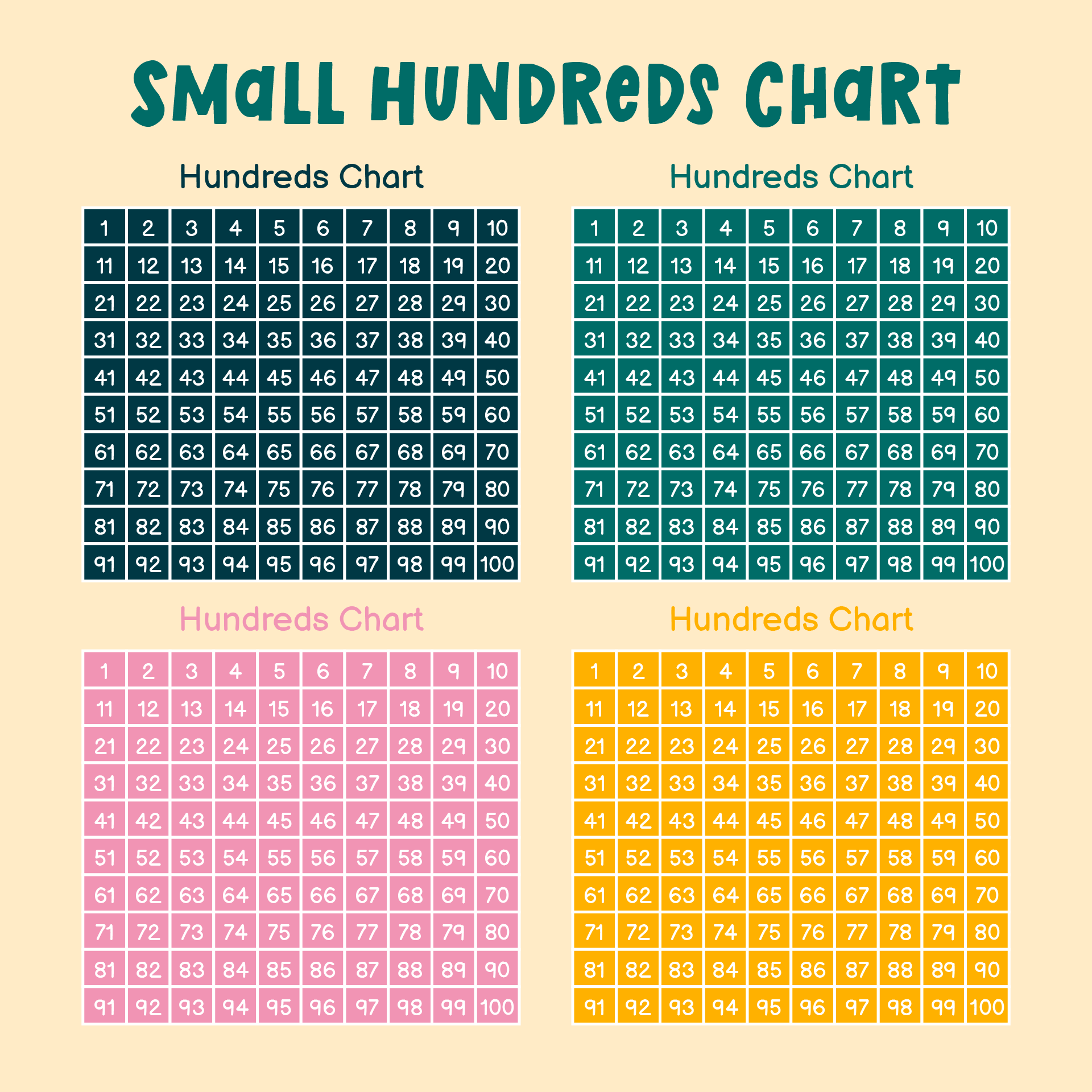
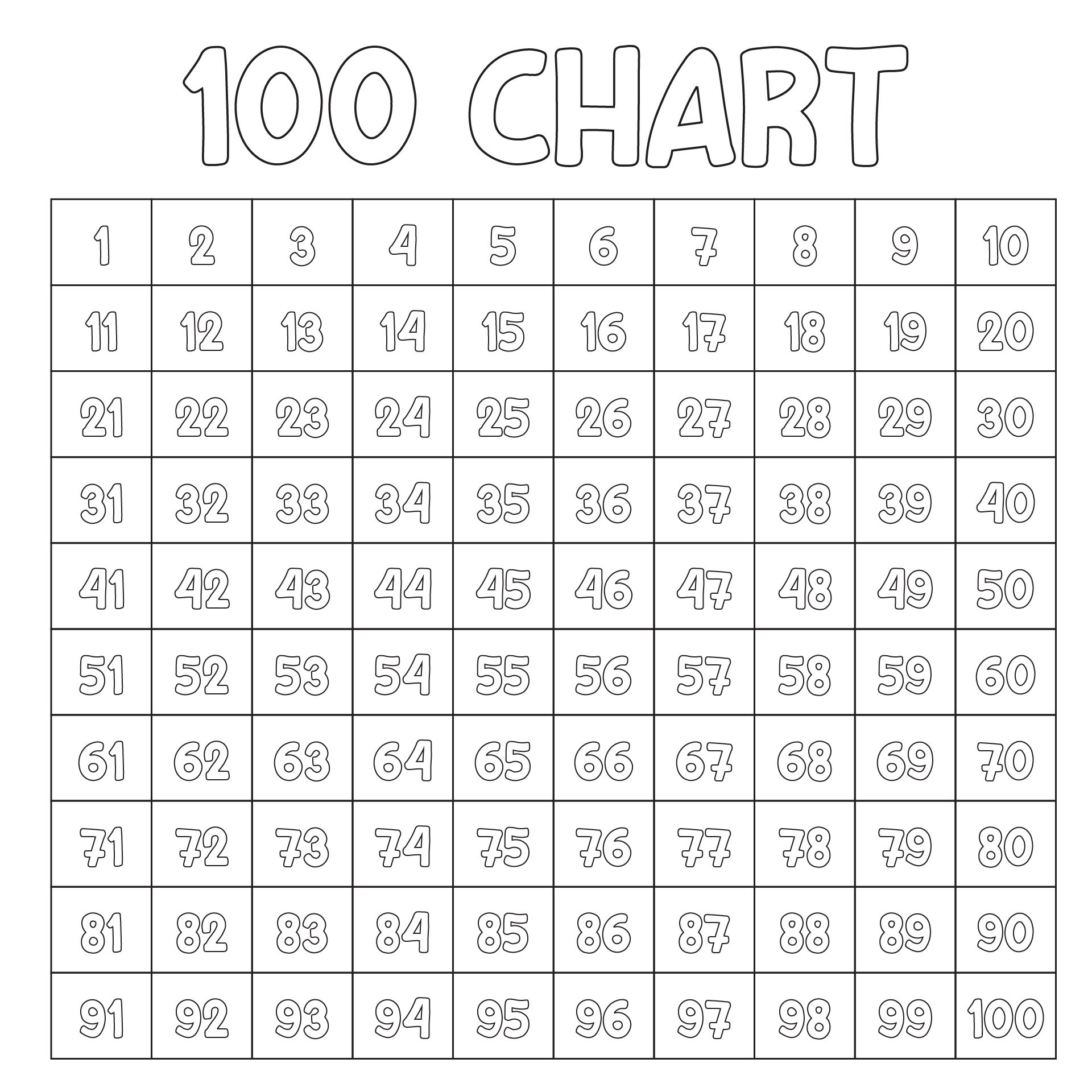
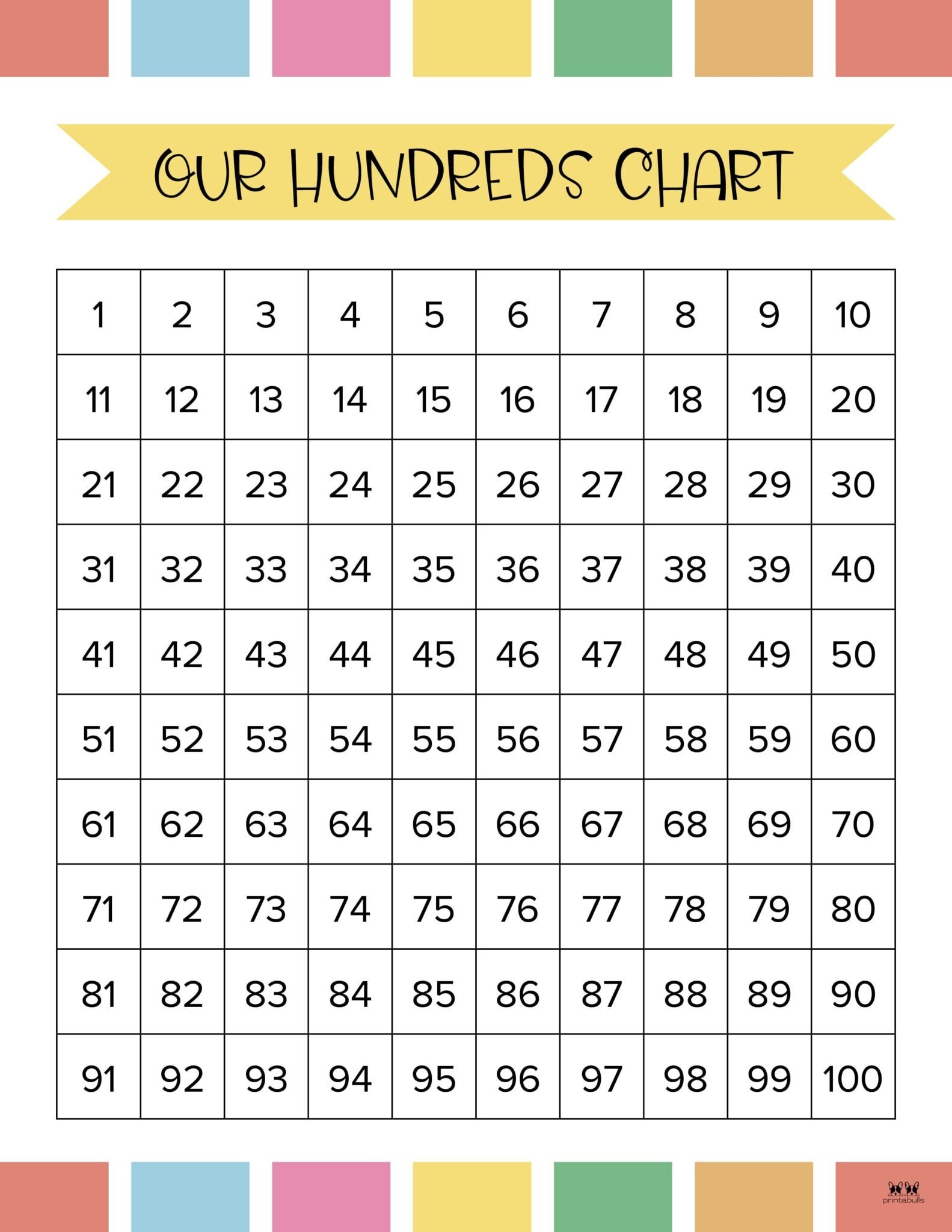
Standard 10x10 Grid: This classic format presents numbers 1 to 100 in a clear, organized grid, making it ideal for basic counting and place value exercises.
Skip Counting Charts: These charts highlight patterns by skip counting, such as by 2s, 5s, or 10s, aiding in multiplication and number recognition.
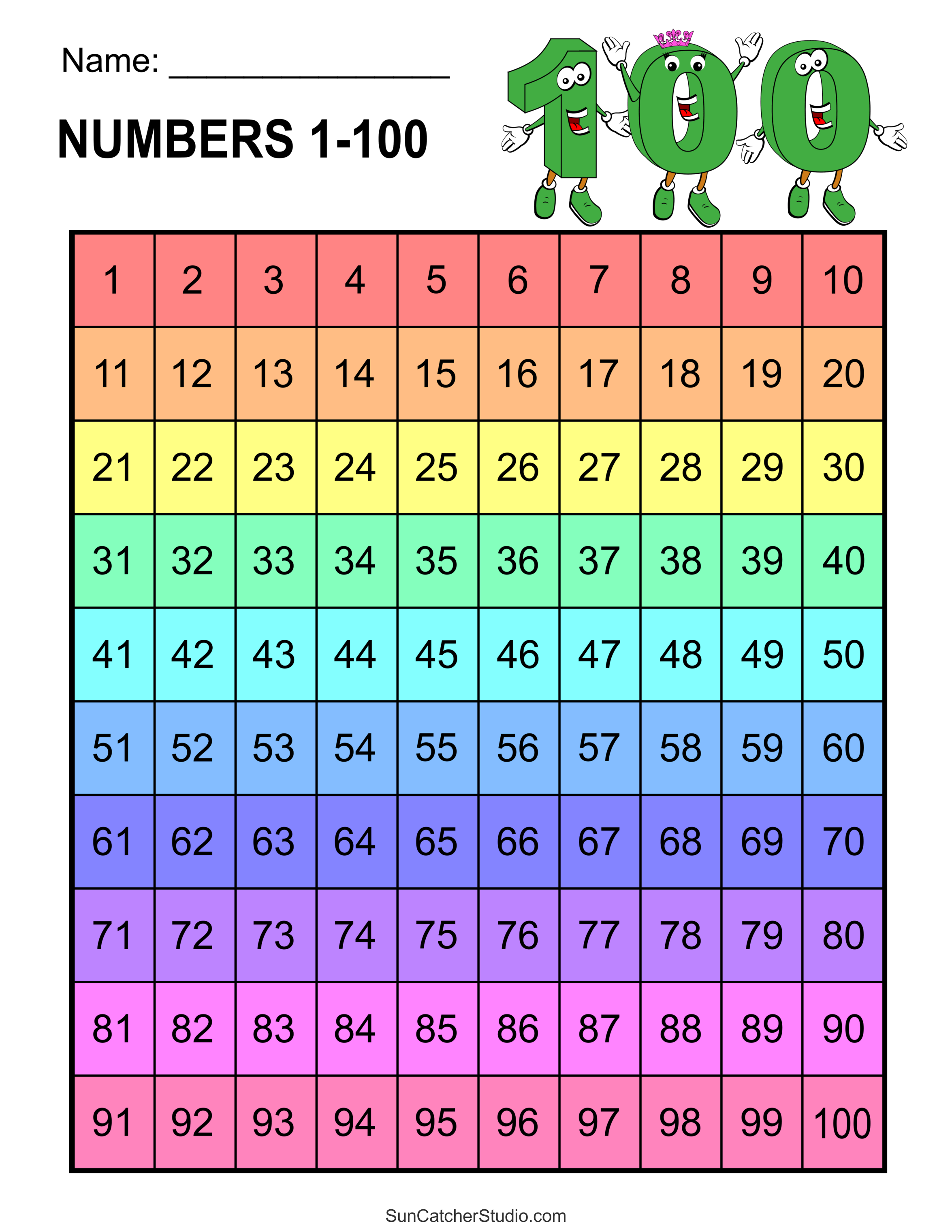
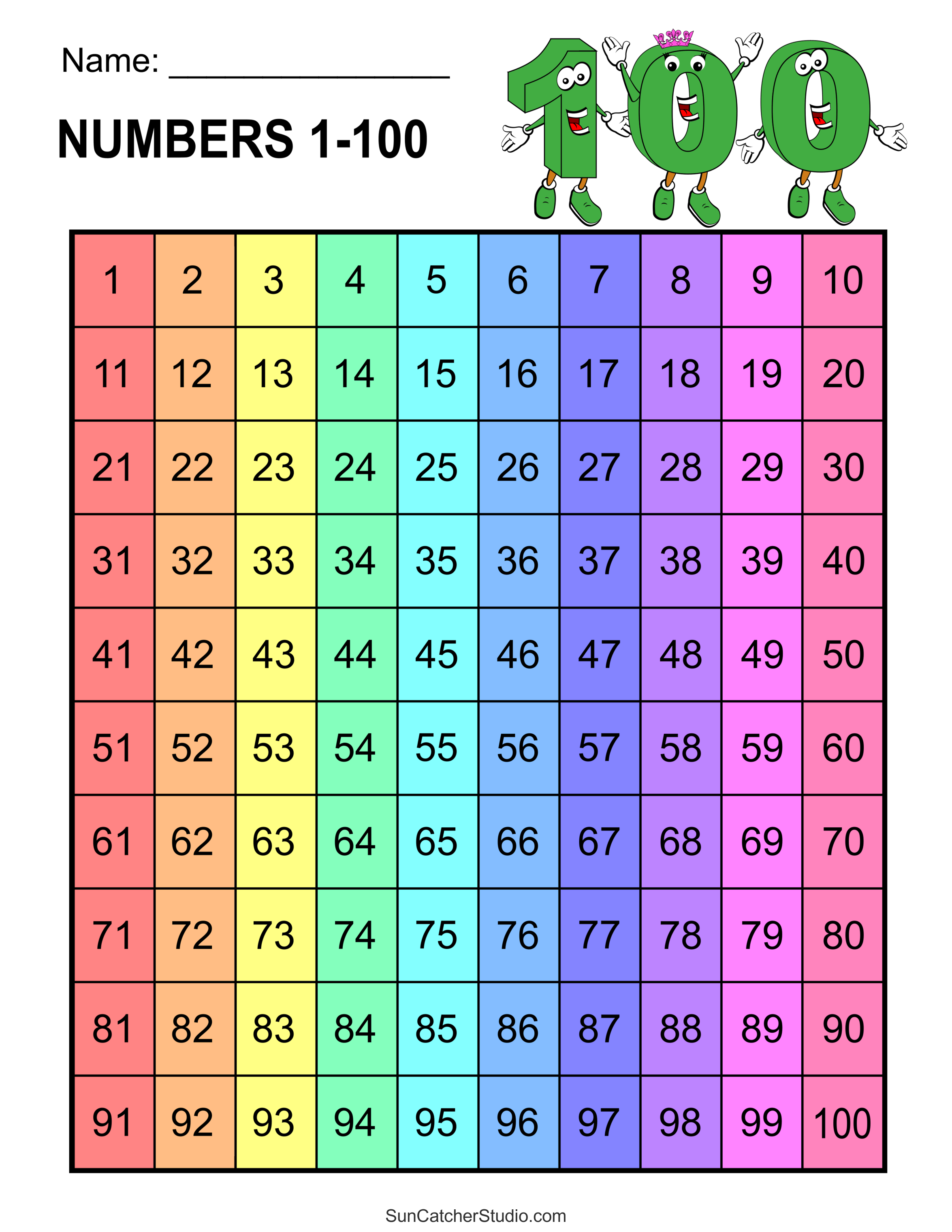
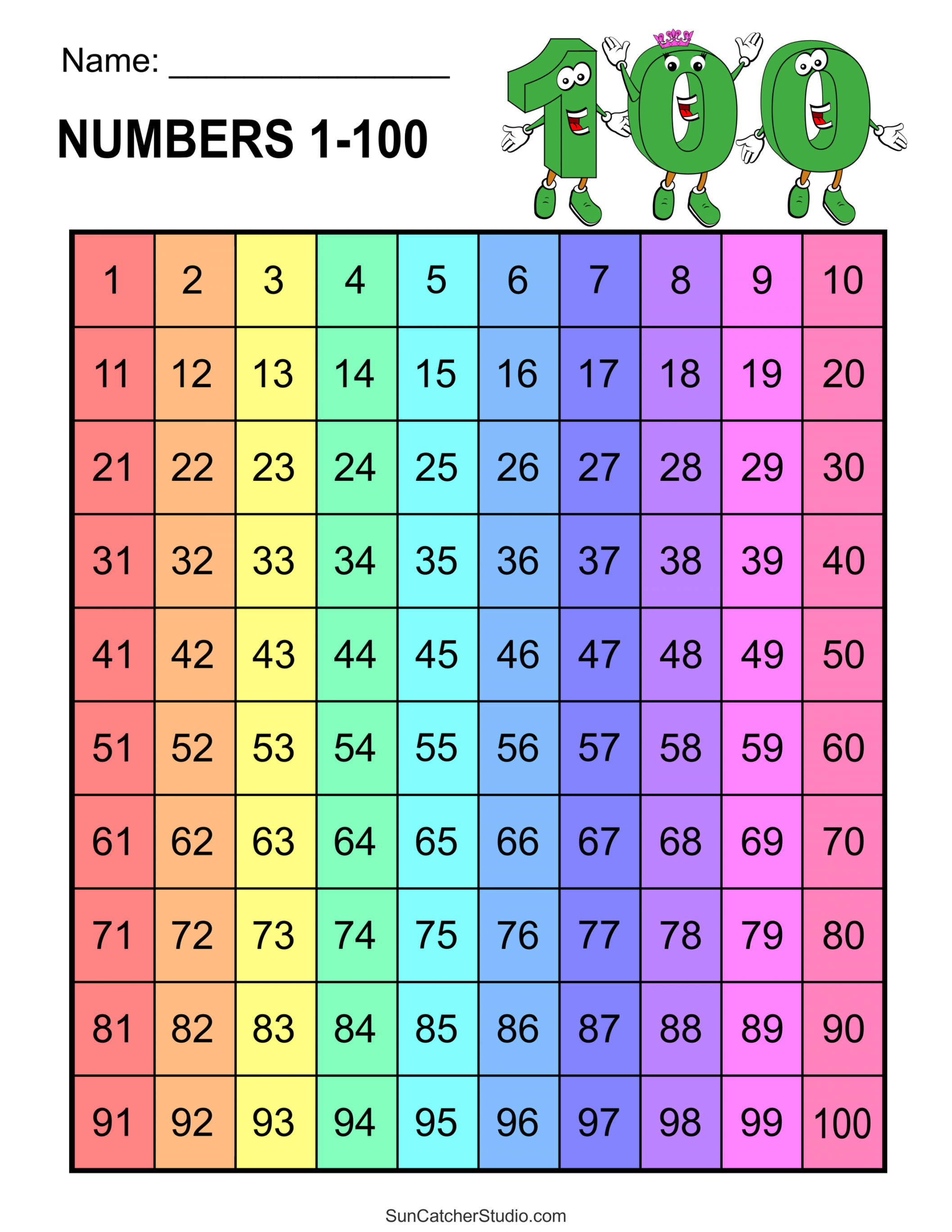
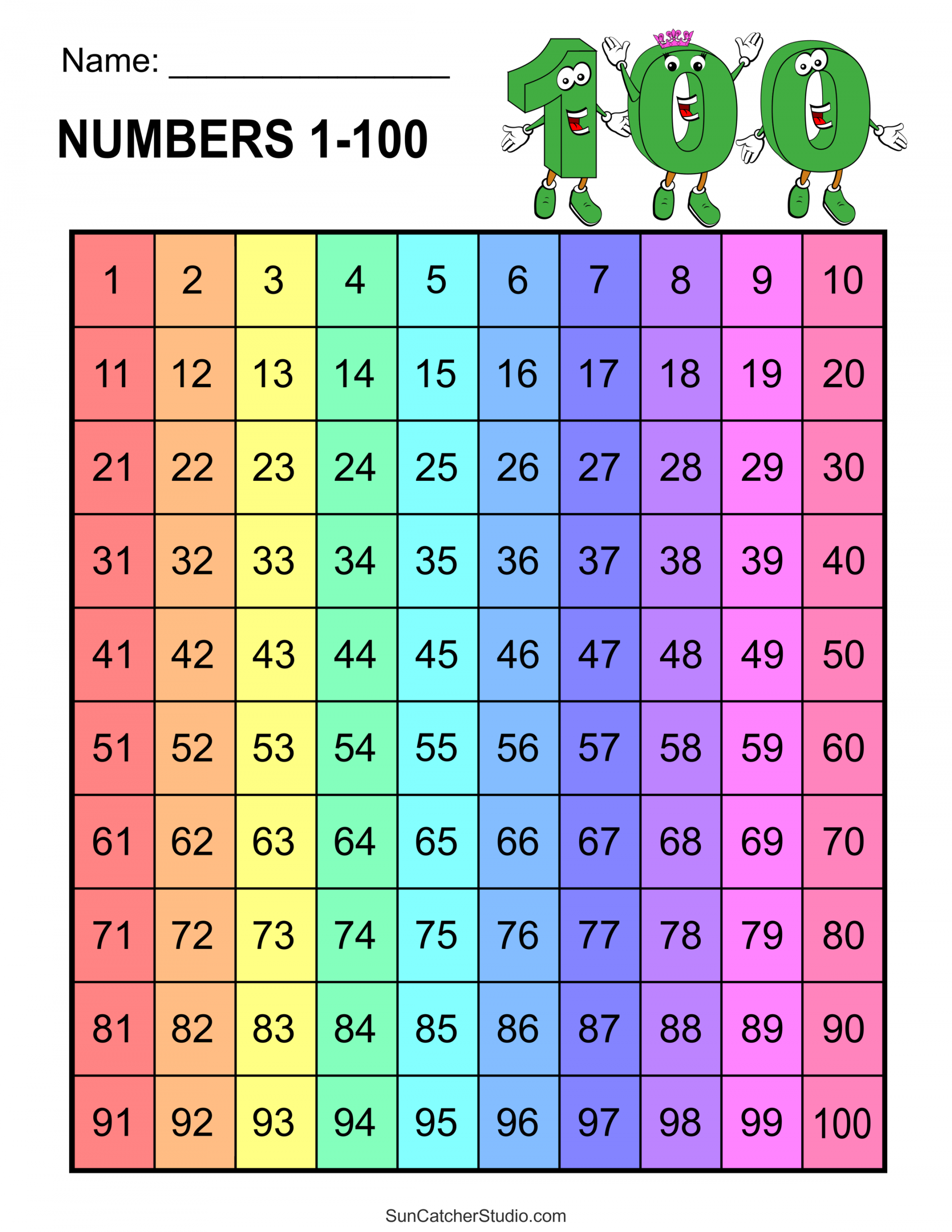
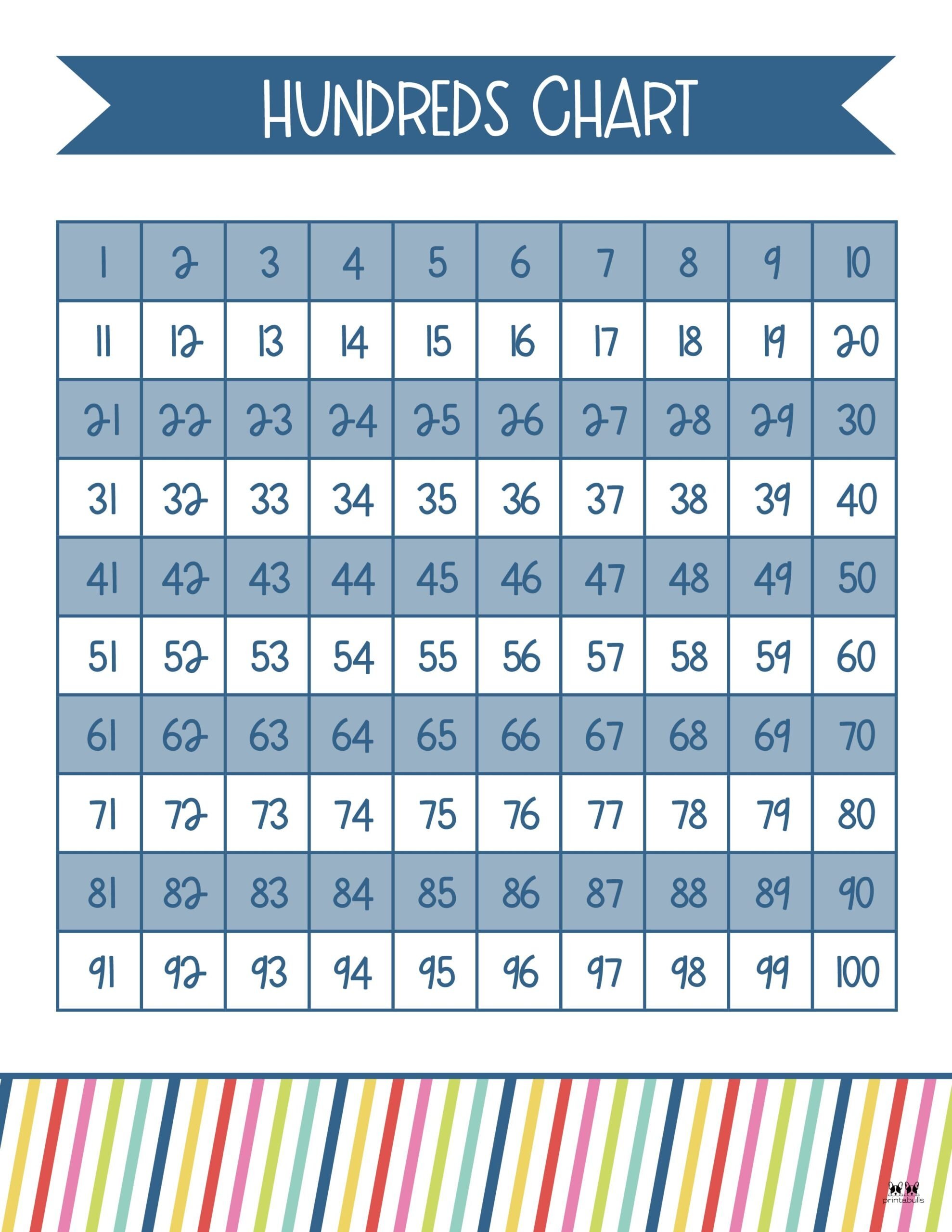
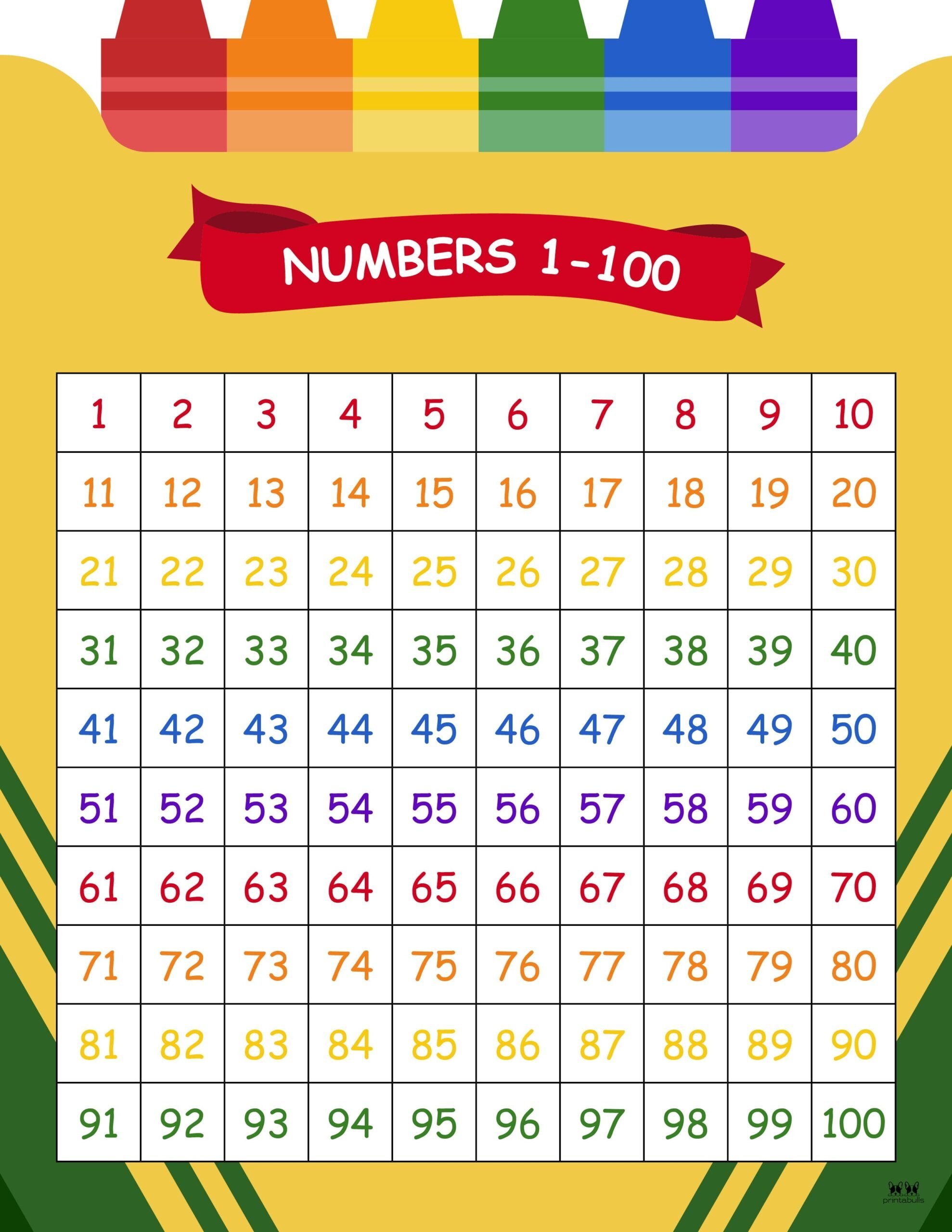
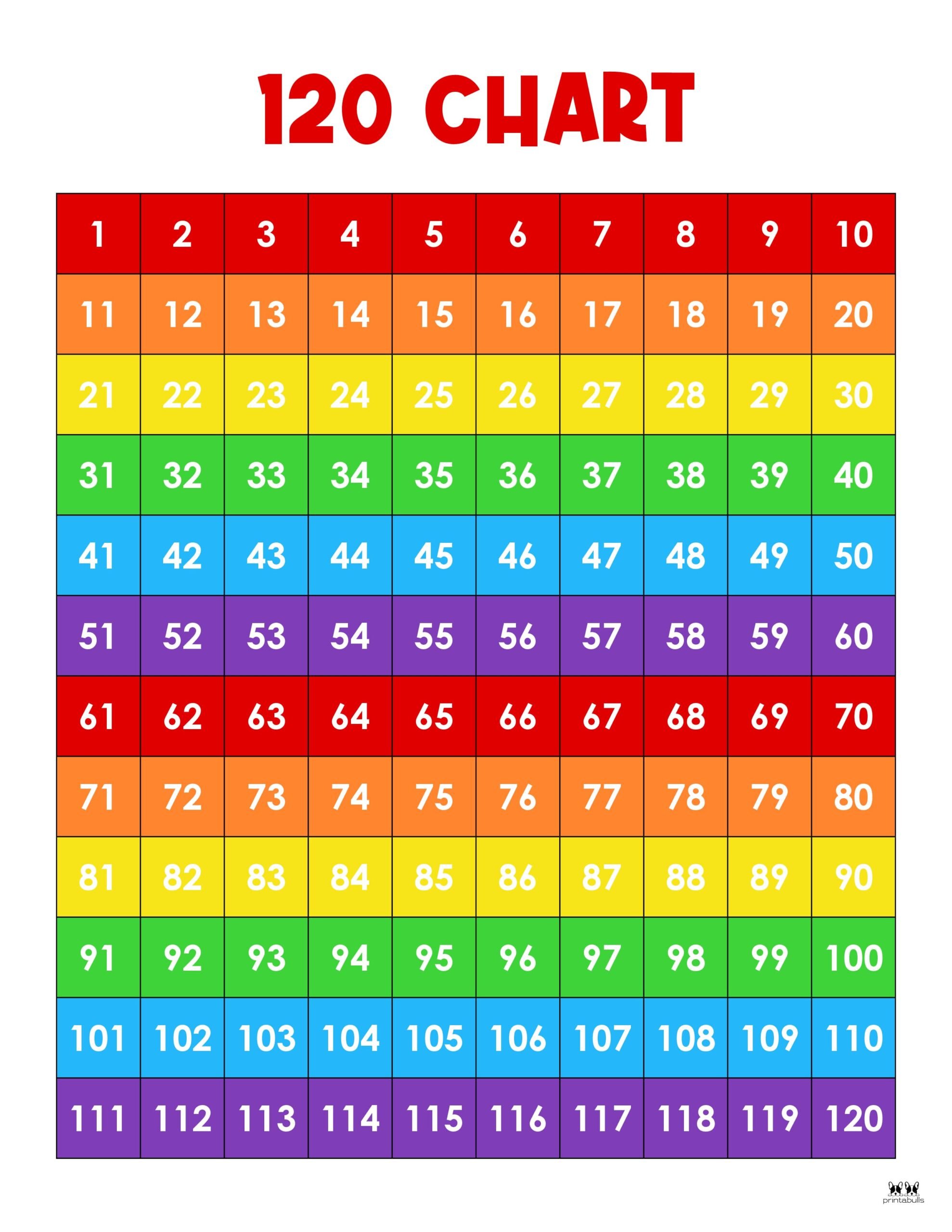
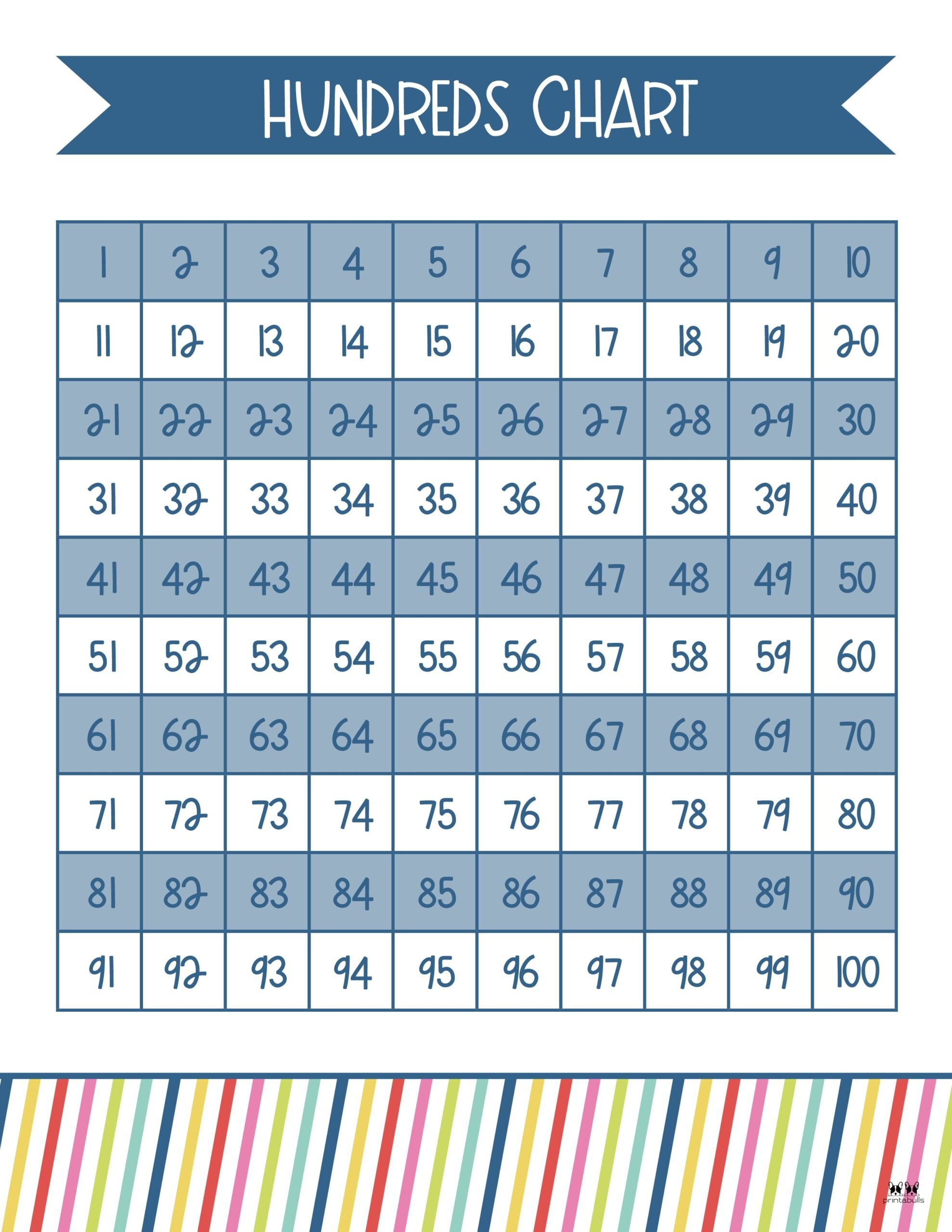
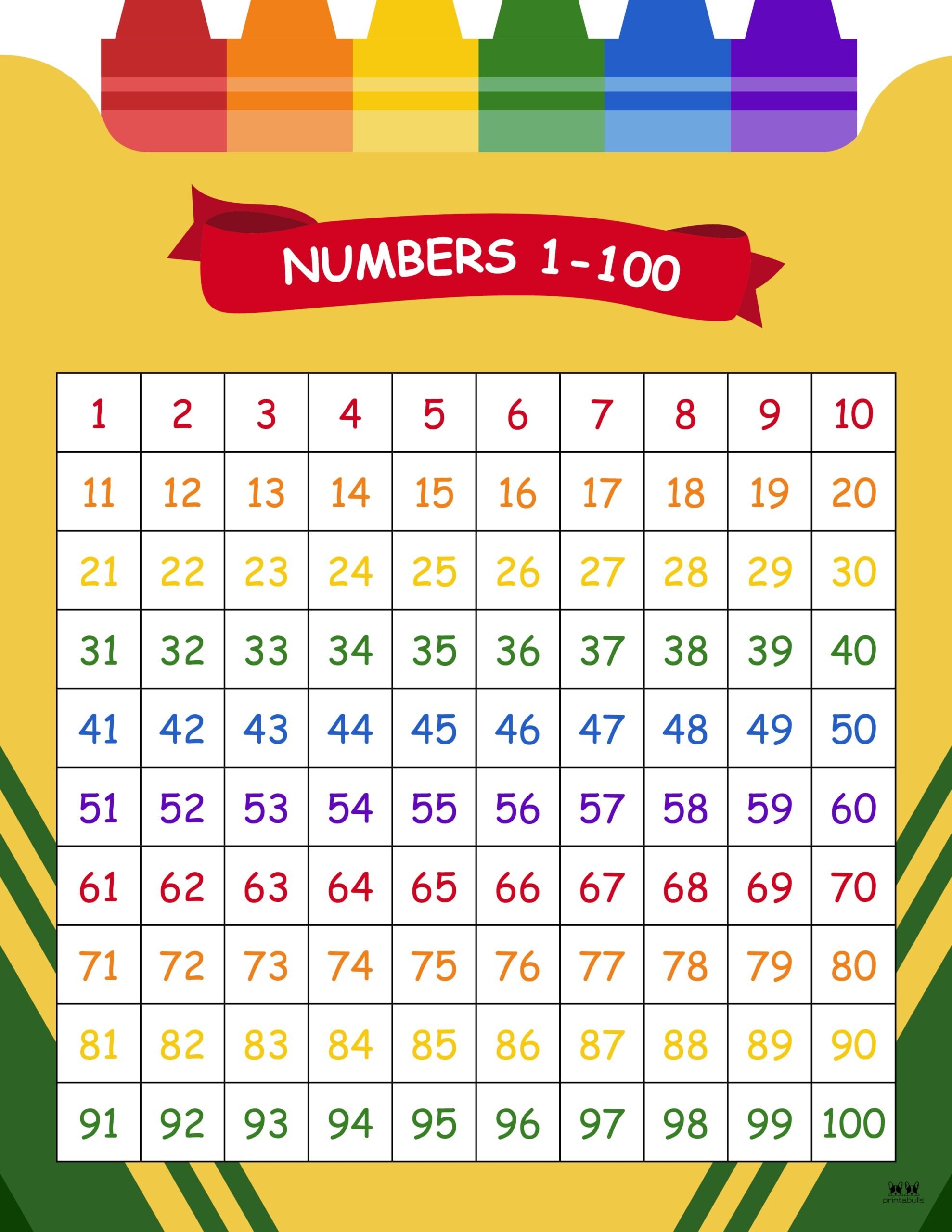
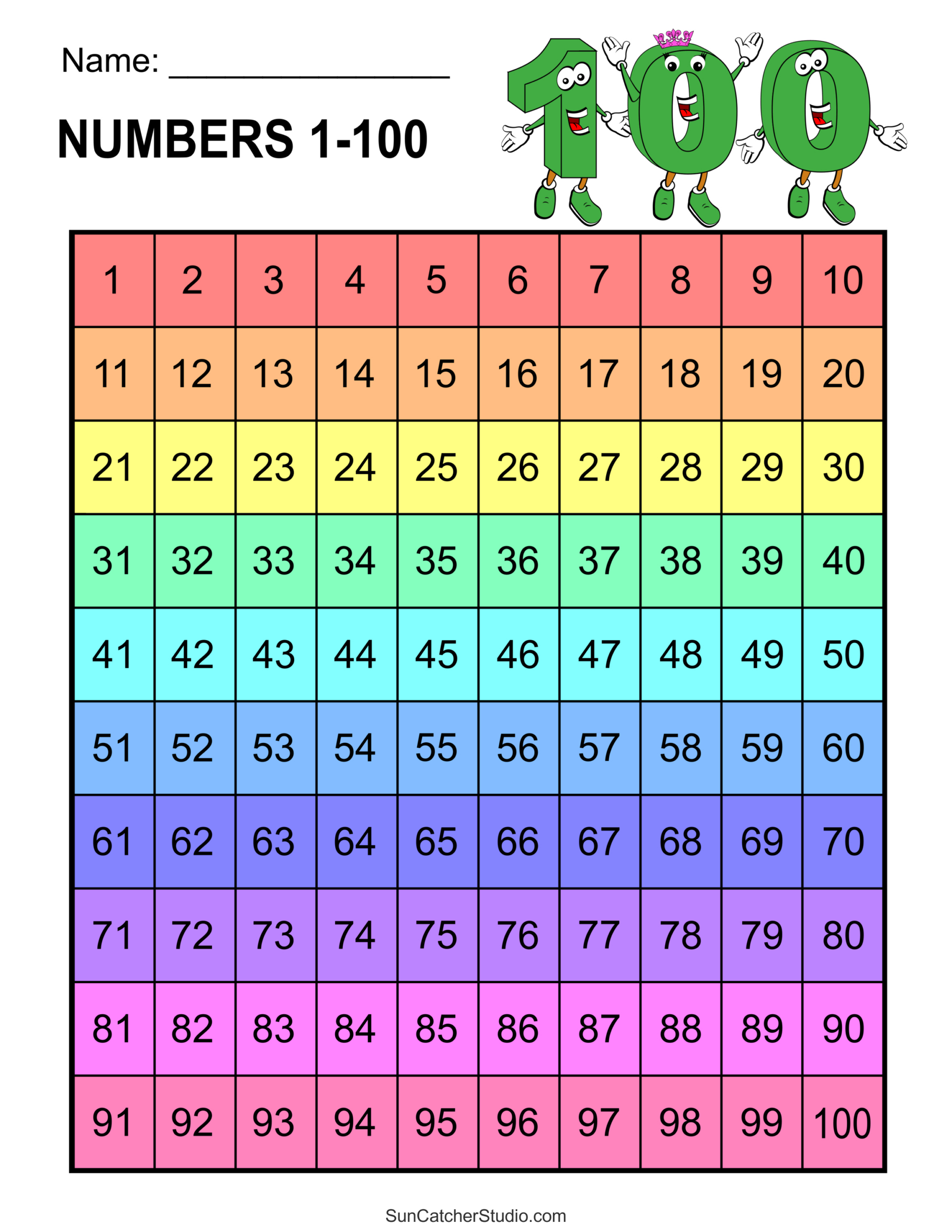
Color-Coded Charts: Some charts use colors to group numbers, helping students visualize number families and identify patterns more easily.
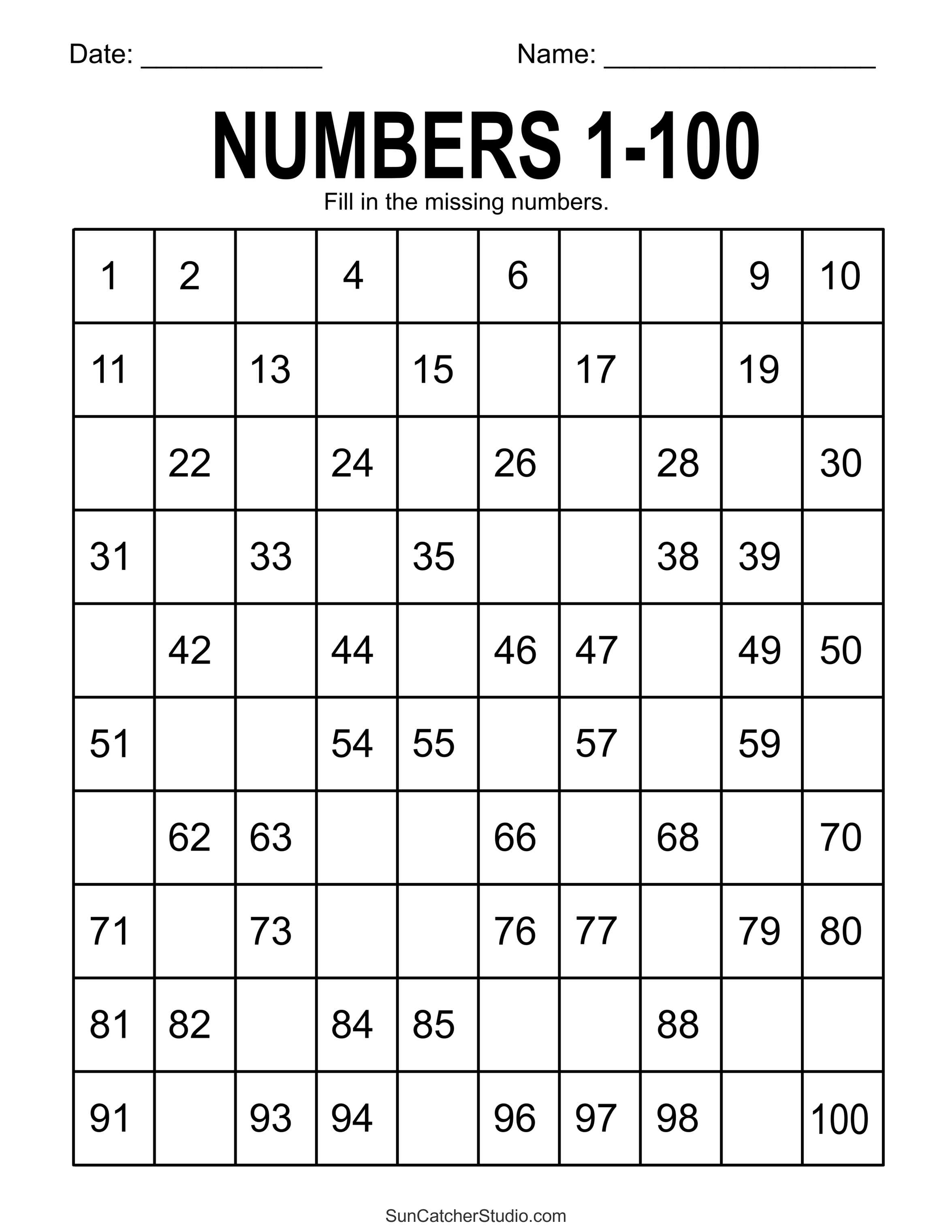
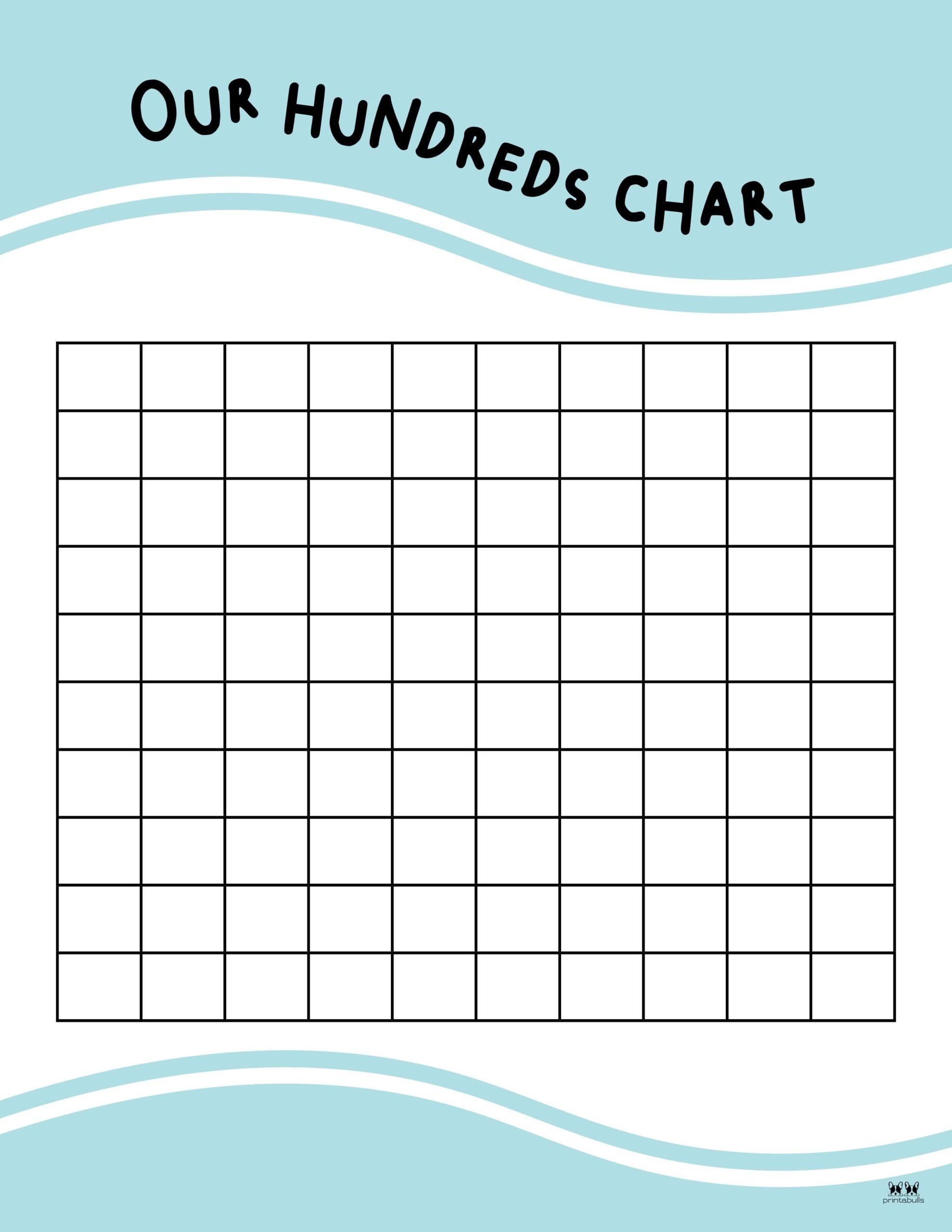
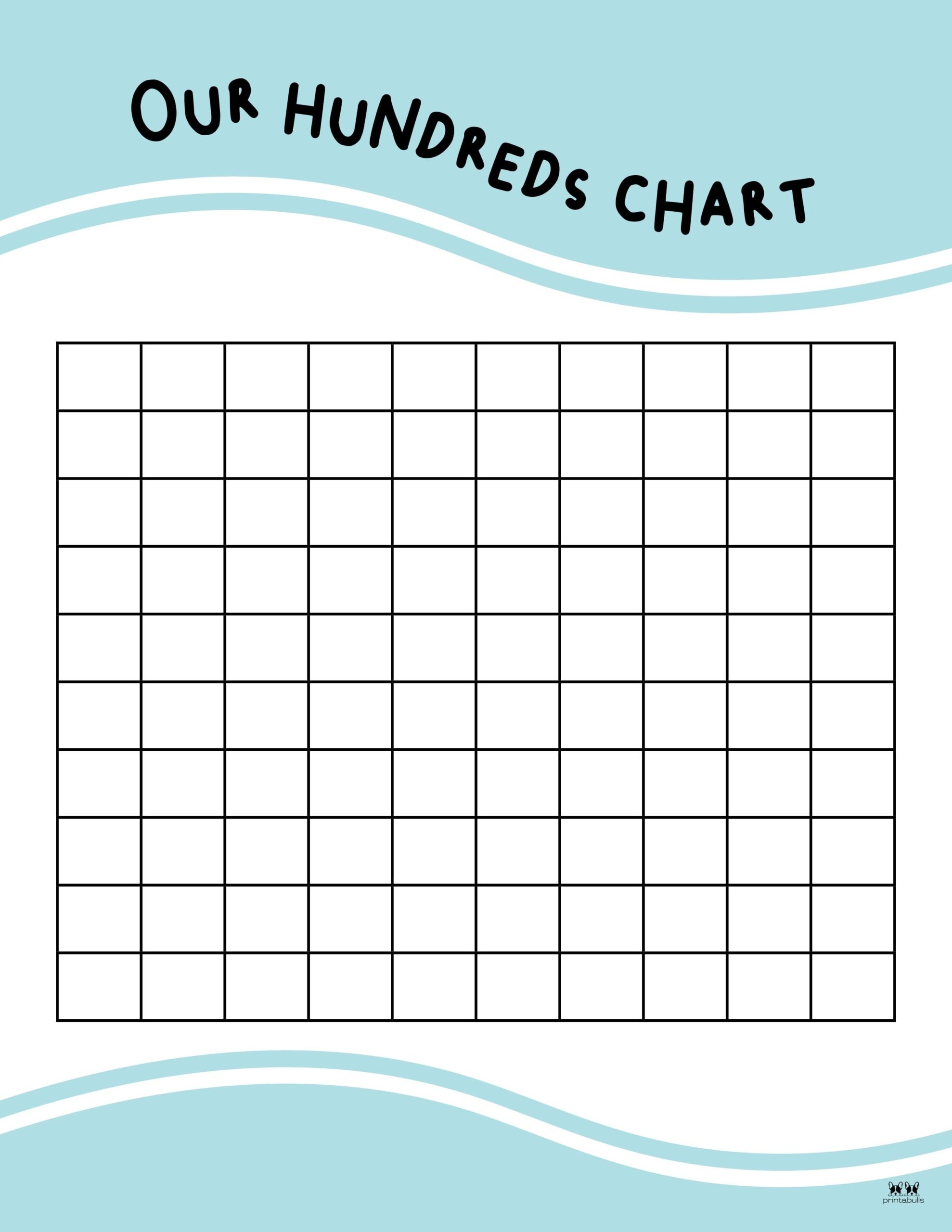
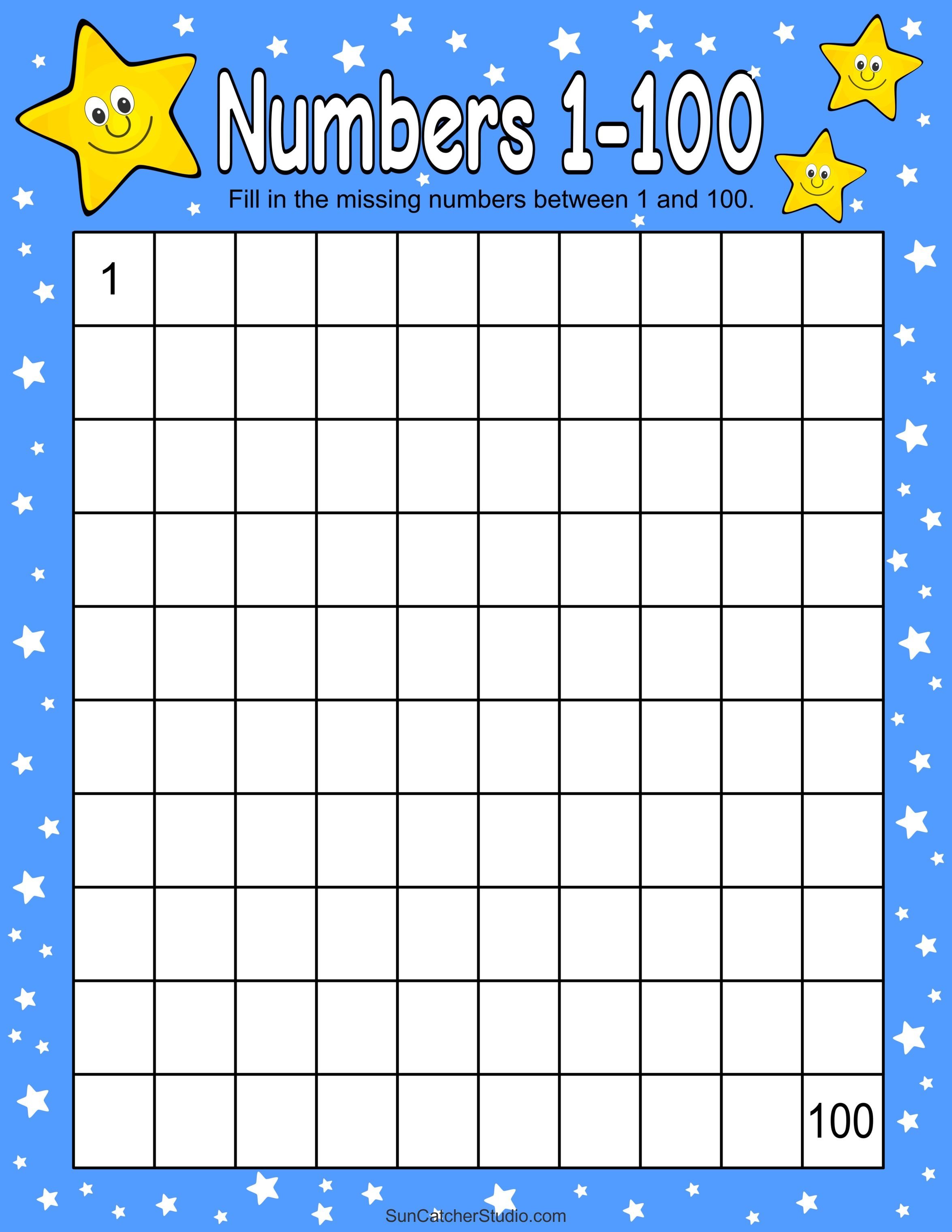
Blank or Partially Filled Charts: These charts provide space for interactive learning, allowing students to fill in numbers or complete patterns themselves.
Sizing and Specifications
Printable 100 charts come in various sizes to fit different purposes:
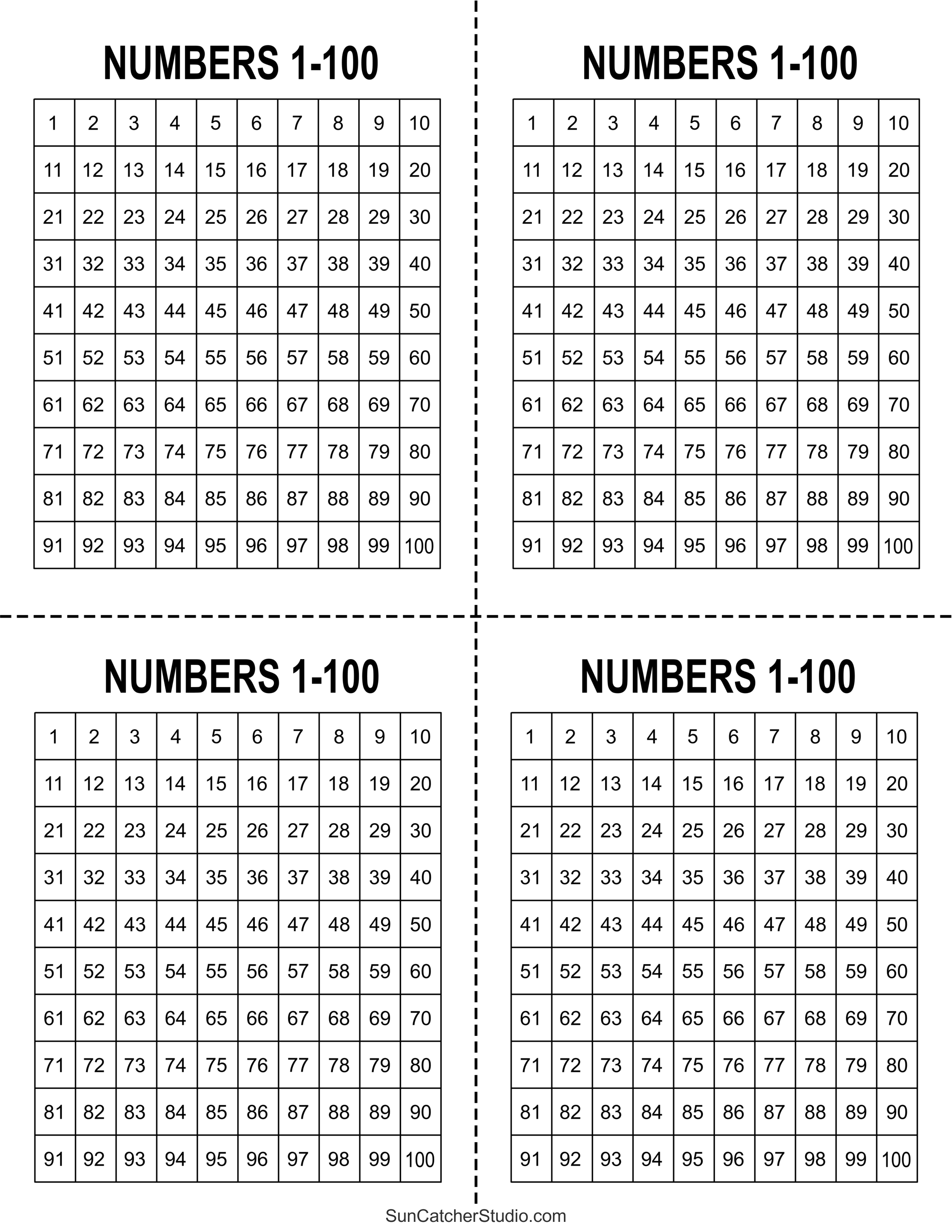
Letter Size (8.5" x 11"): This standard size is convenient for printing at home or in the classroom, fitting most printers and providing a compact visual aid.
Legal Size (8.5" x 14"): Offering a slightly larger format, legal-size charts provide more space for detailed work or for accommodating larger numbers.
Poster-Sized (11" x 17" or larger): Perfect for display in classrooms or as a reference tool, poster-sized charts are ideal for group activities and can be easily seen from a distance.
Materials and Styling
The materials and design of printable hundreds charts can vary:
Paper: Most charts are printed on standard printer paper, offering an affordable and accessible option.
Cardstock: Thicker cardstock provides durability and a more professional look, ideal for long-term use or display.
Lamination: Laminated charts can be written on with dry-erase markers, allowing for reusable, interactive learning.
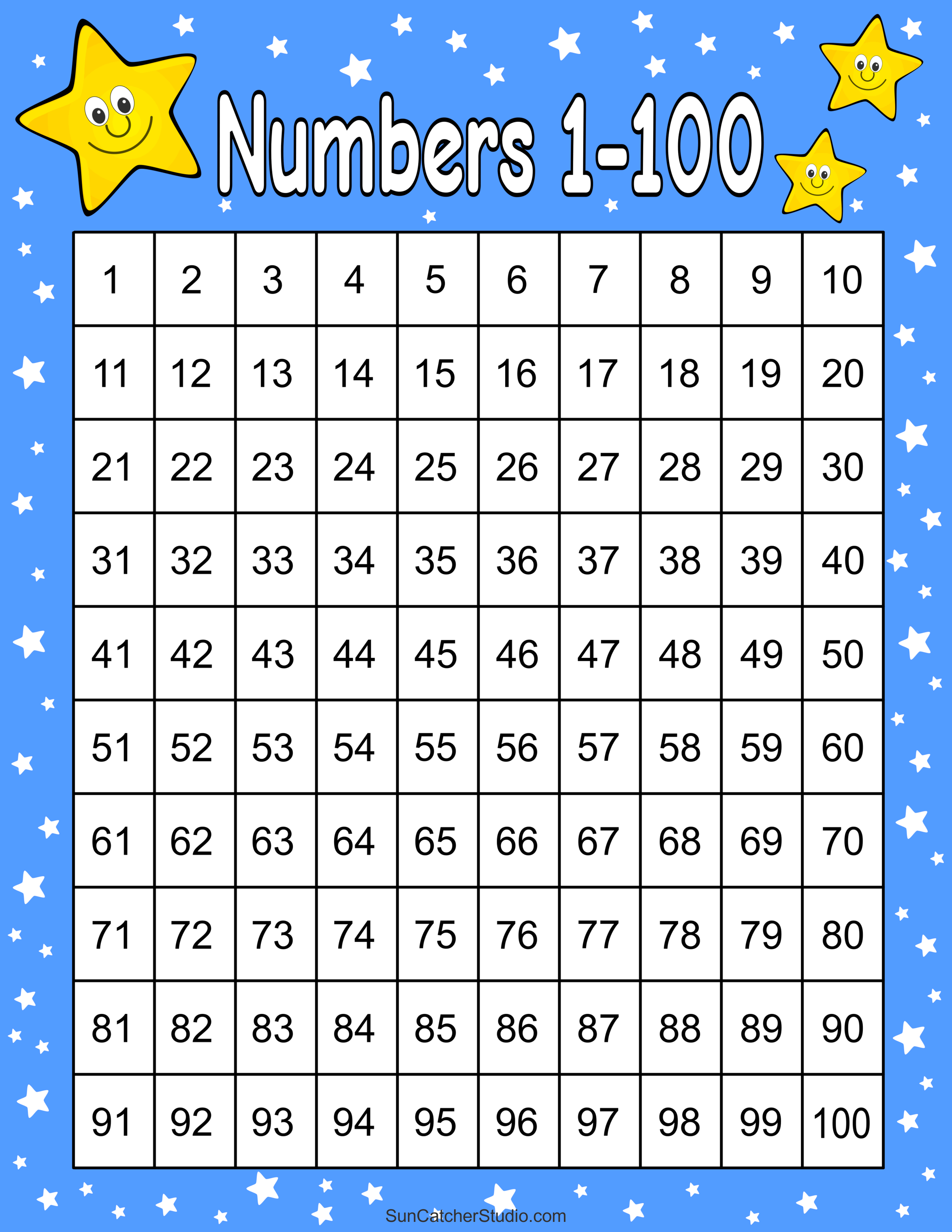
Design and Color: Charts come in a range of designs, from simple black-and-white to colorful and visually appealing options, catering to different learning styles.
Placement and Usage
Printable 100 charts can be used in various ways:
Wall Display: Hang charts on classroom walls or in study areas as a constant reference for students, promoting number recognition and counting.
Worksheets: Print charts as worksheets for individual practice, allowing students to engage with numbers and patterns more intimately.
Games and Activities: Incorporate charts into interactive games, such as bingo or number hunts, making learning fun and engaging.
Homework or Study Aids: Send charts home with students for additional practice, helping them reinforce math skills in a familiar setting.
What to Check Before Buying or Making
When selecting or creating a printable 100 chart, consider these factors:
Quality: Ensure the chart is clear and easy to read, with no blurring or distortion, especially if printing at home.
Relevance: Choose a chart that aligns with the specific math skills you want to teach or reinforce, whether it's basic counting, skip counting, or place value.
Customization: Look for charts that offer some level of customization, such as the ability to fill in numbers or leave gaps for interactive learning.
Durability: If you plan to reuse the chart, consider laminating it or using a durable material to withstand frequent handling.