
Popular Options and Variations:
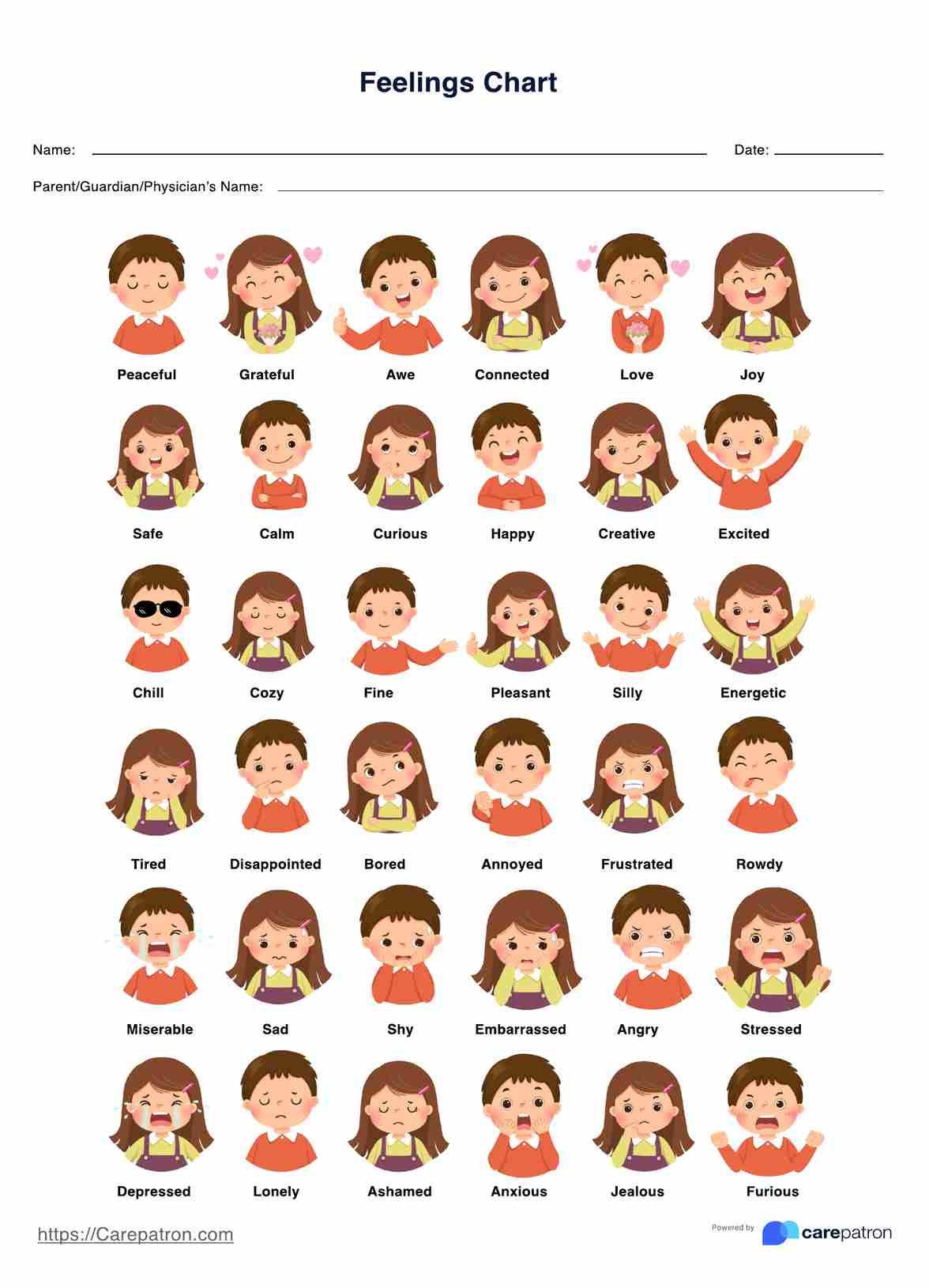
Feelings charts come in diverse formats to cater to different needs and preferences. Here are some common types: For a closer look at something similar, my post on sight words printable covers the details.
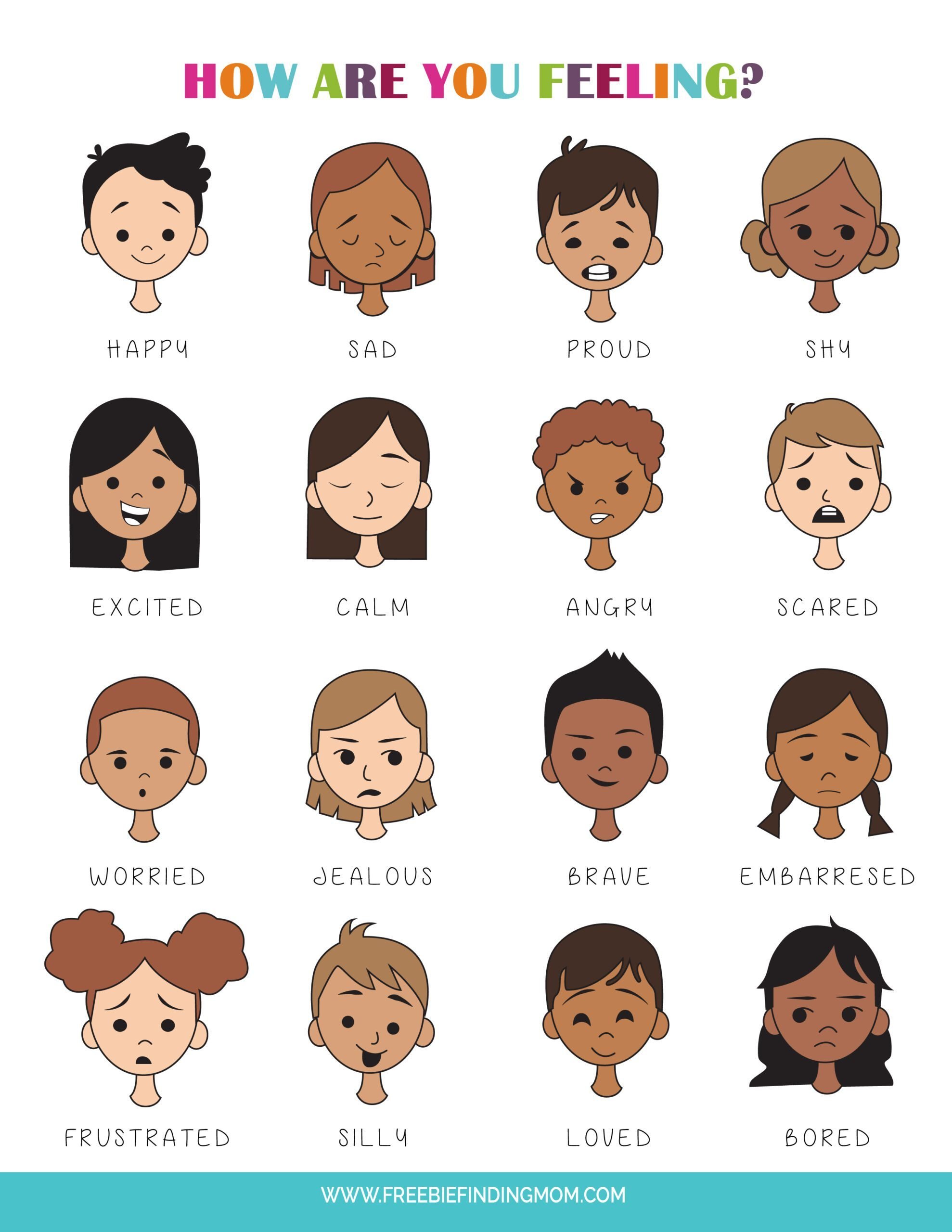
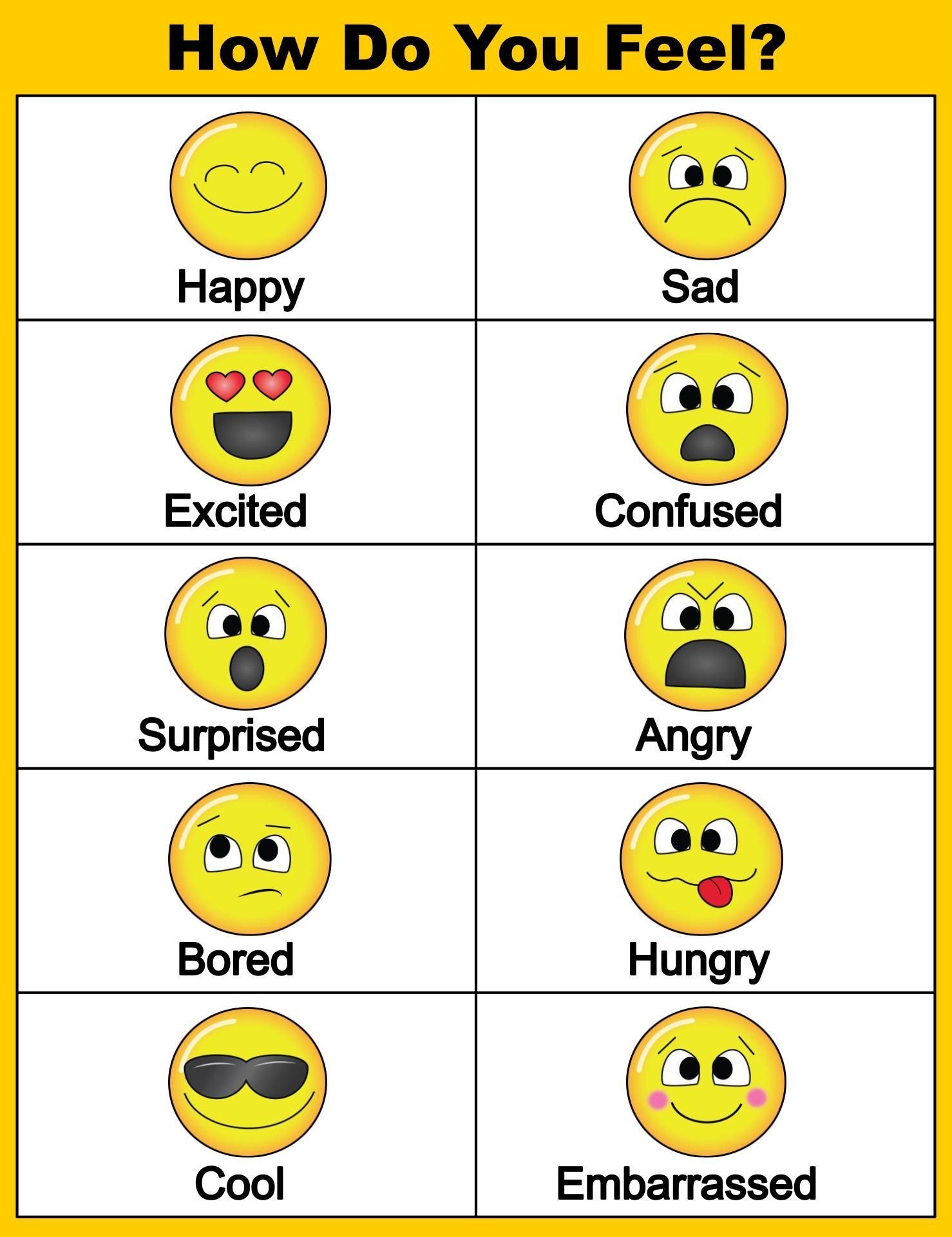
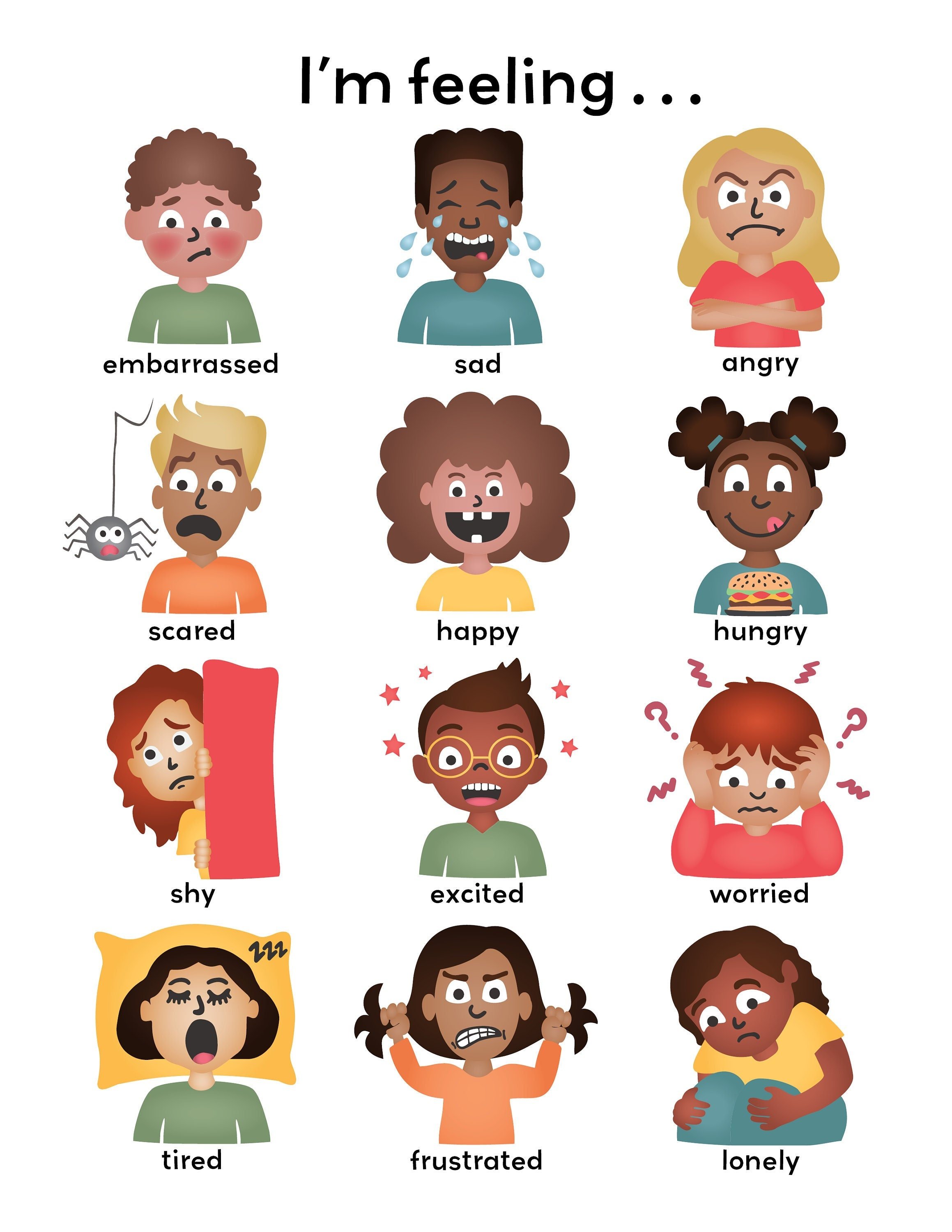
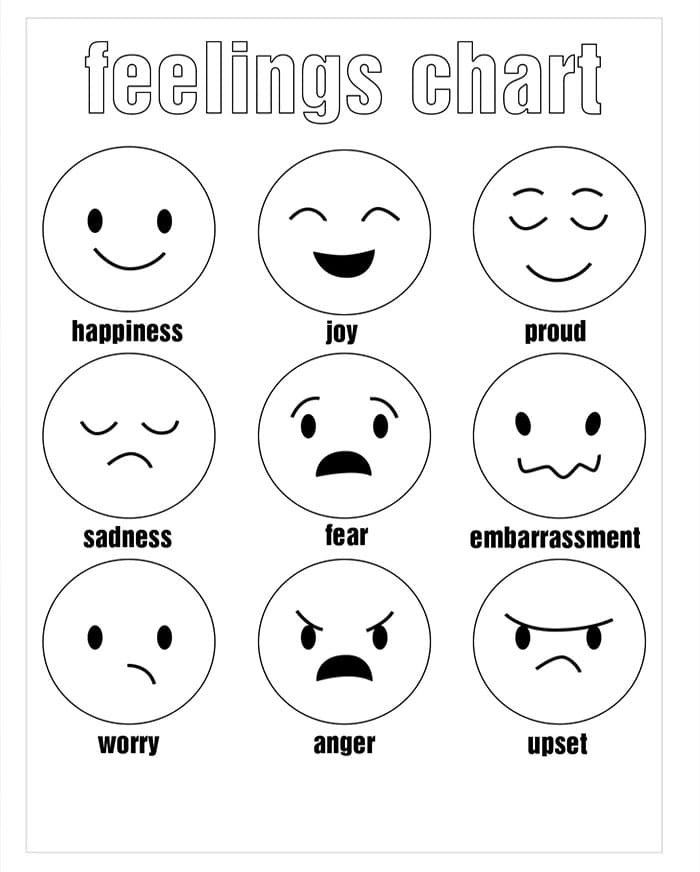
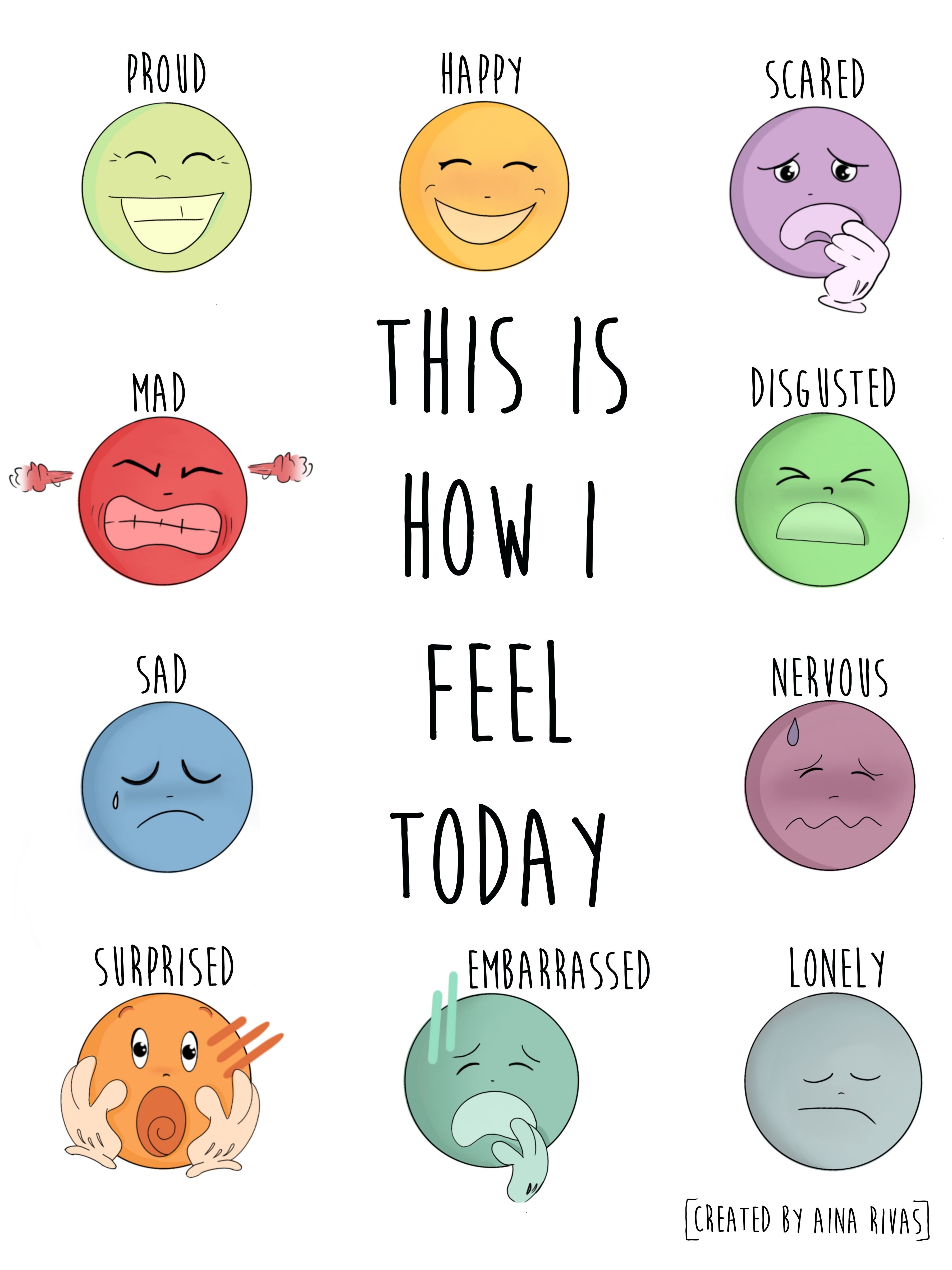
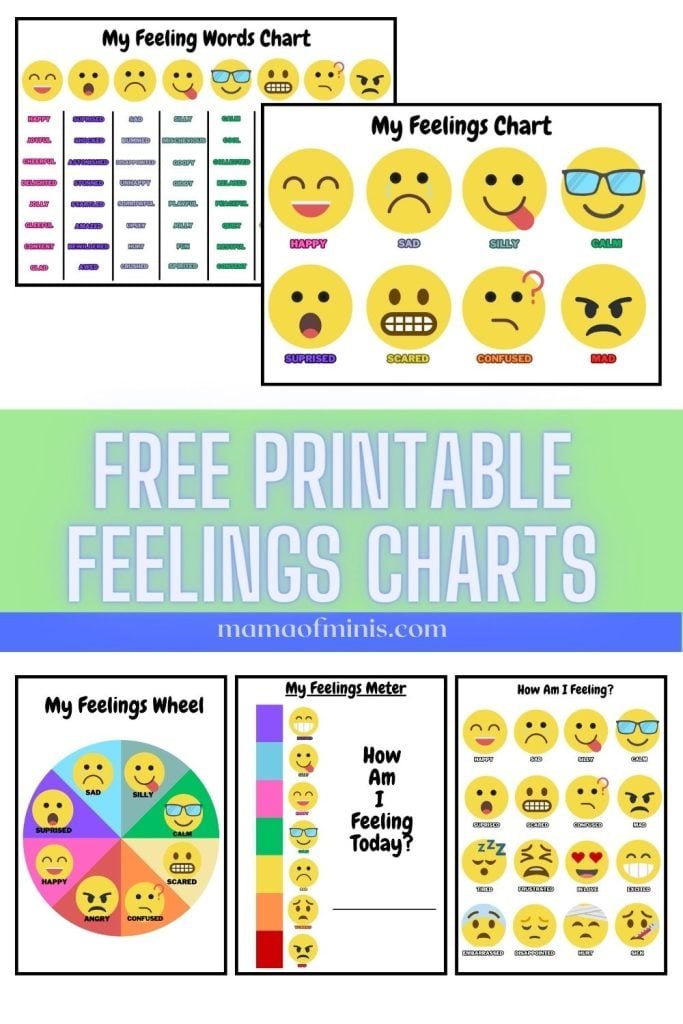
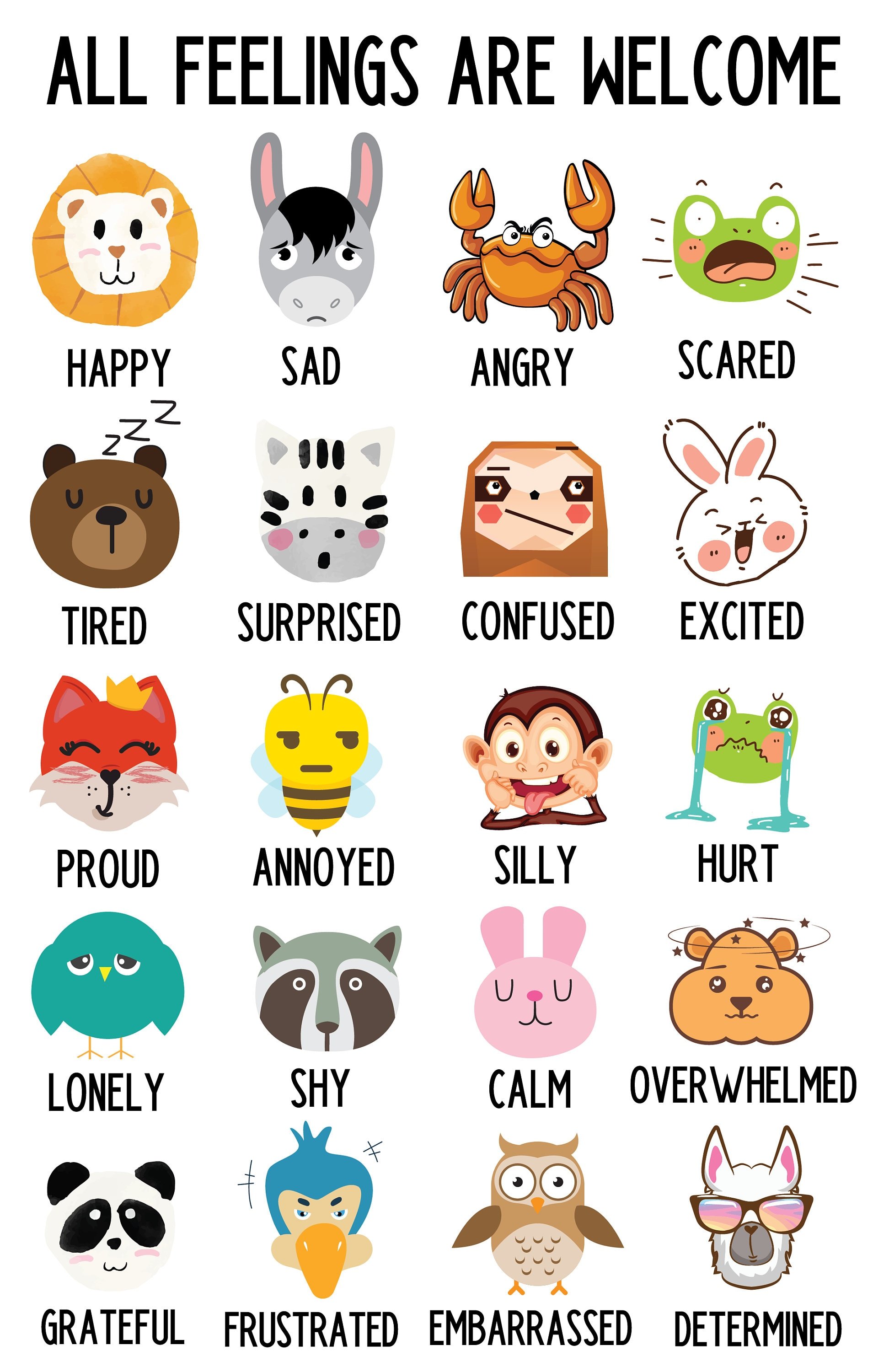
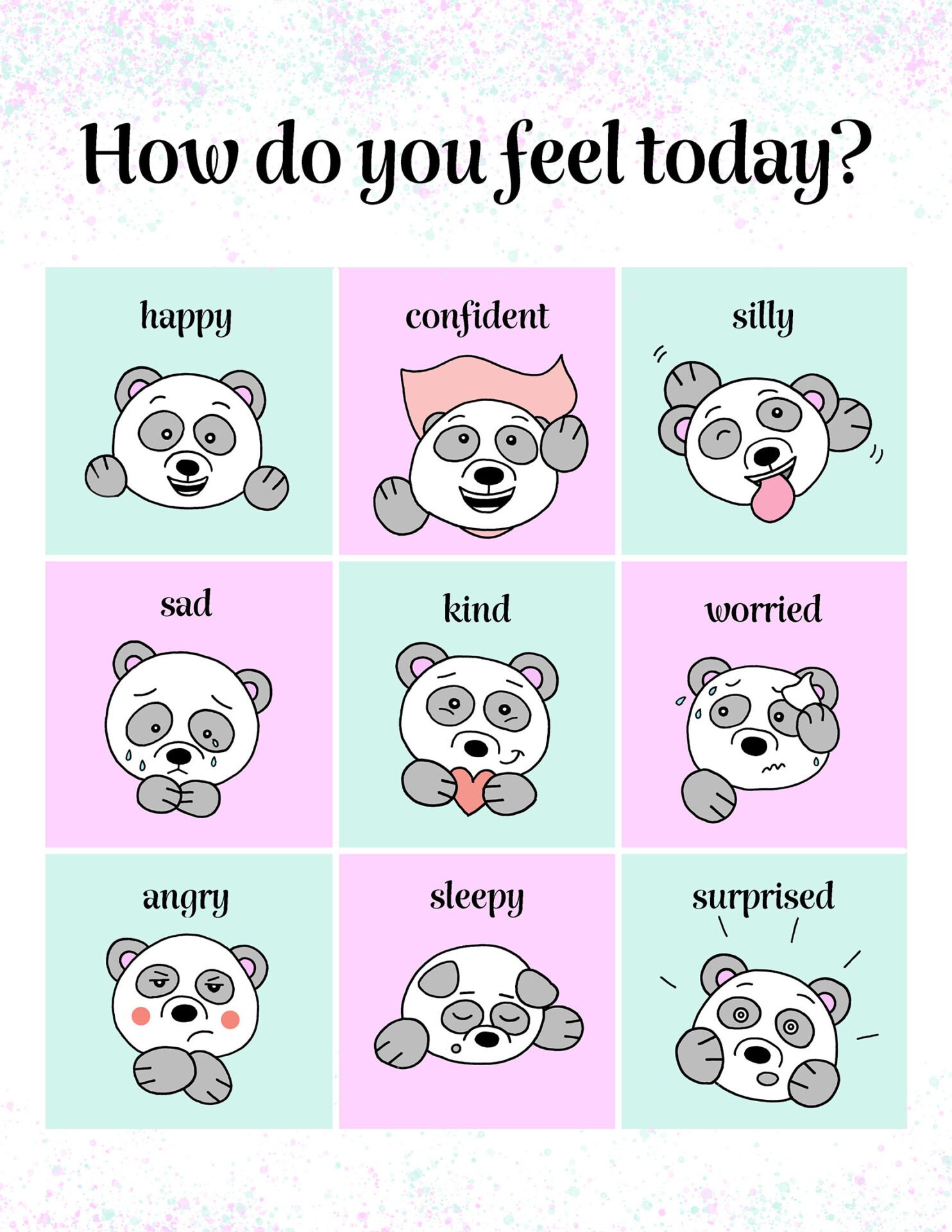
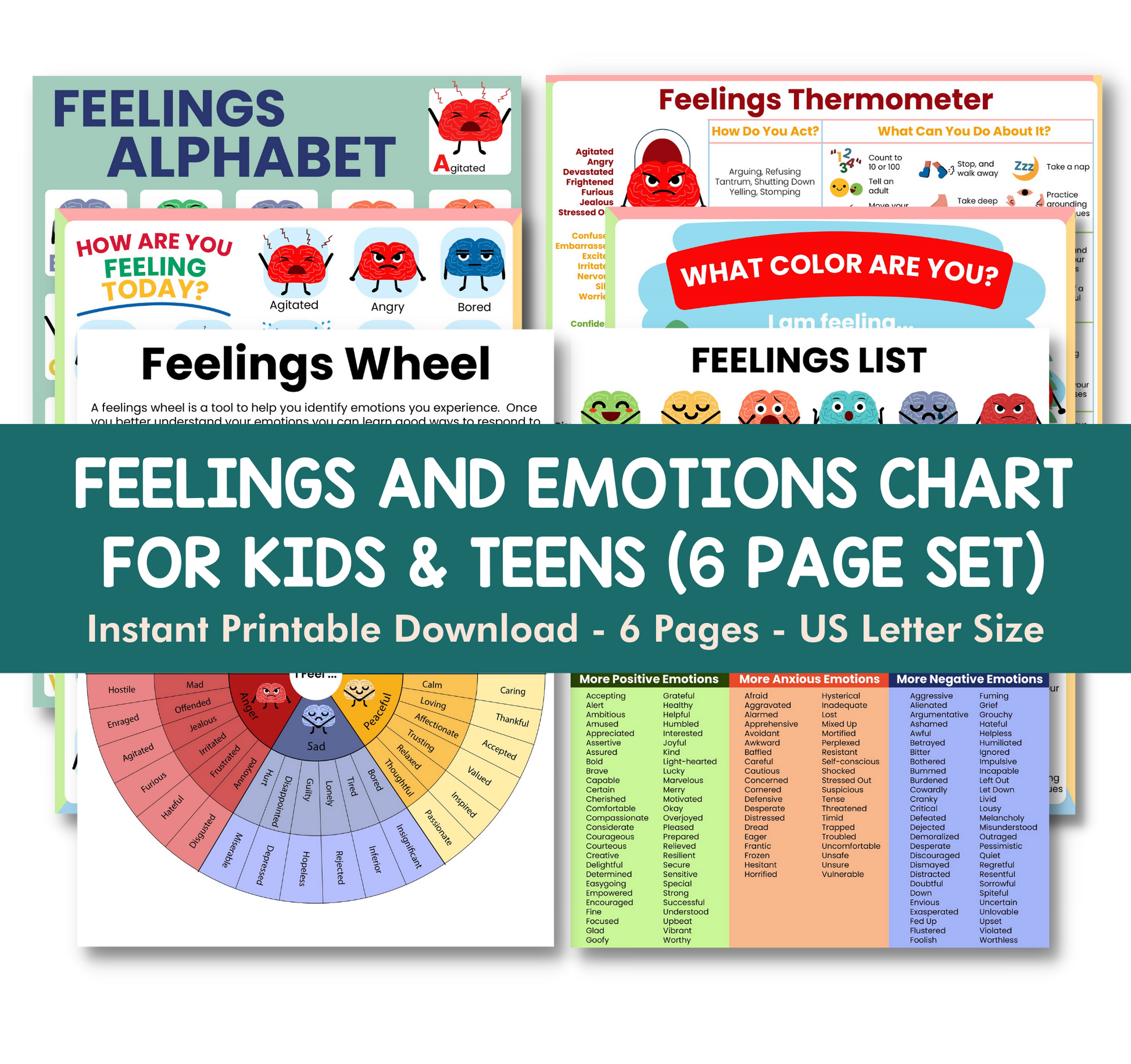
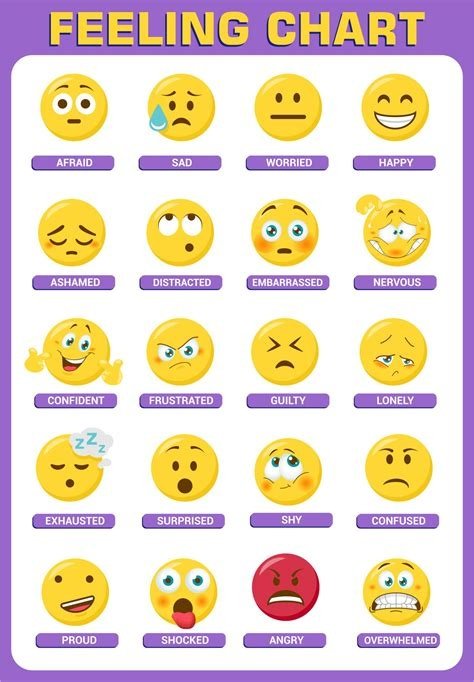
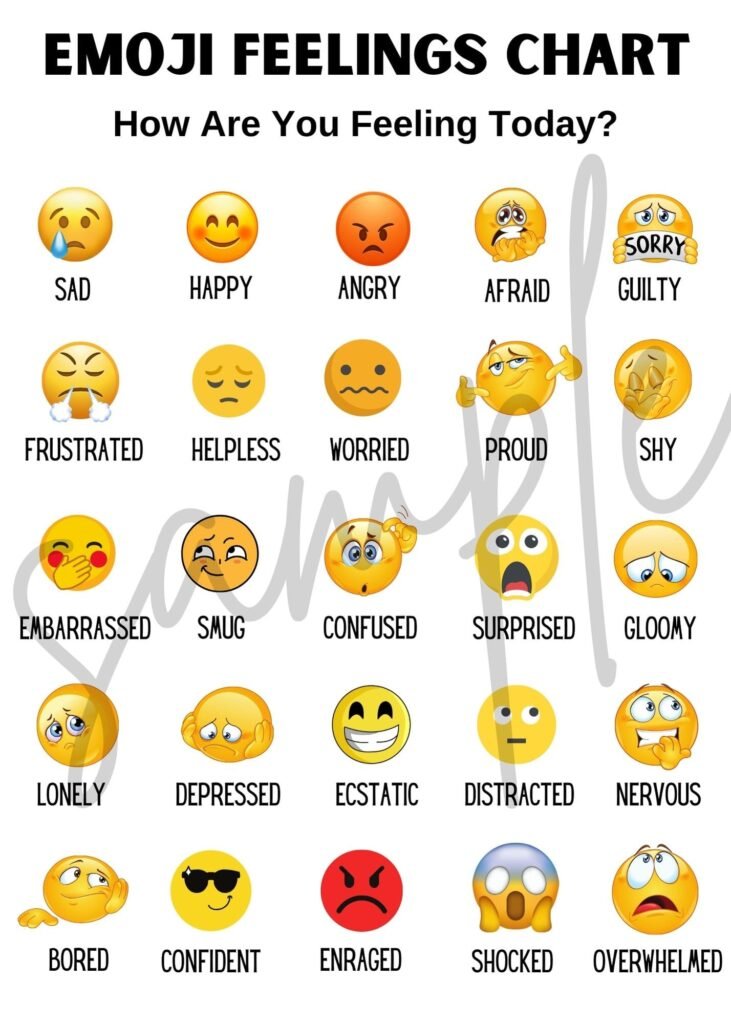
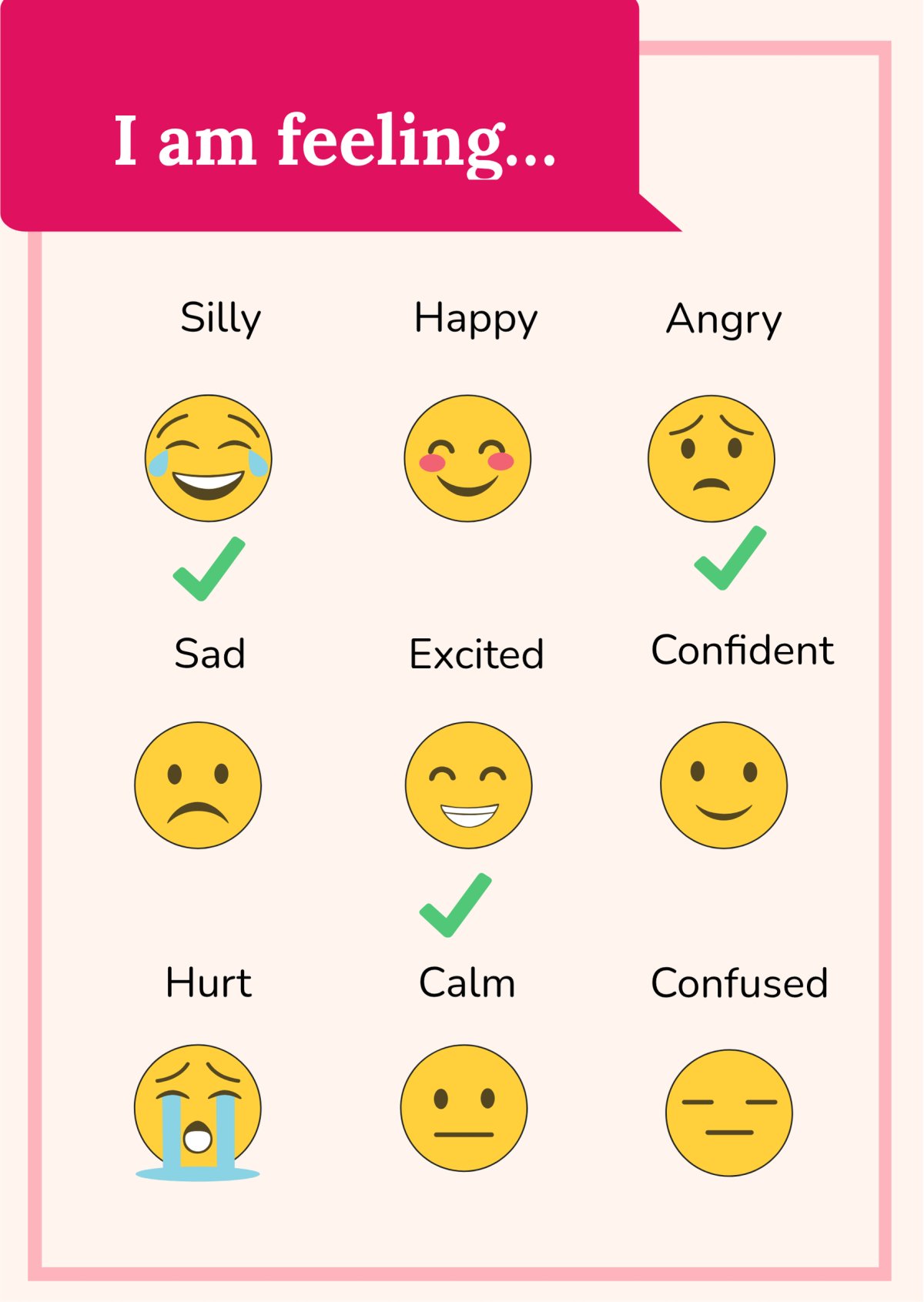
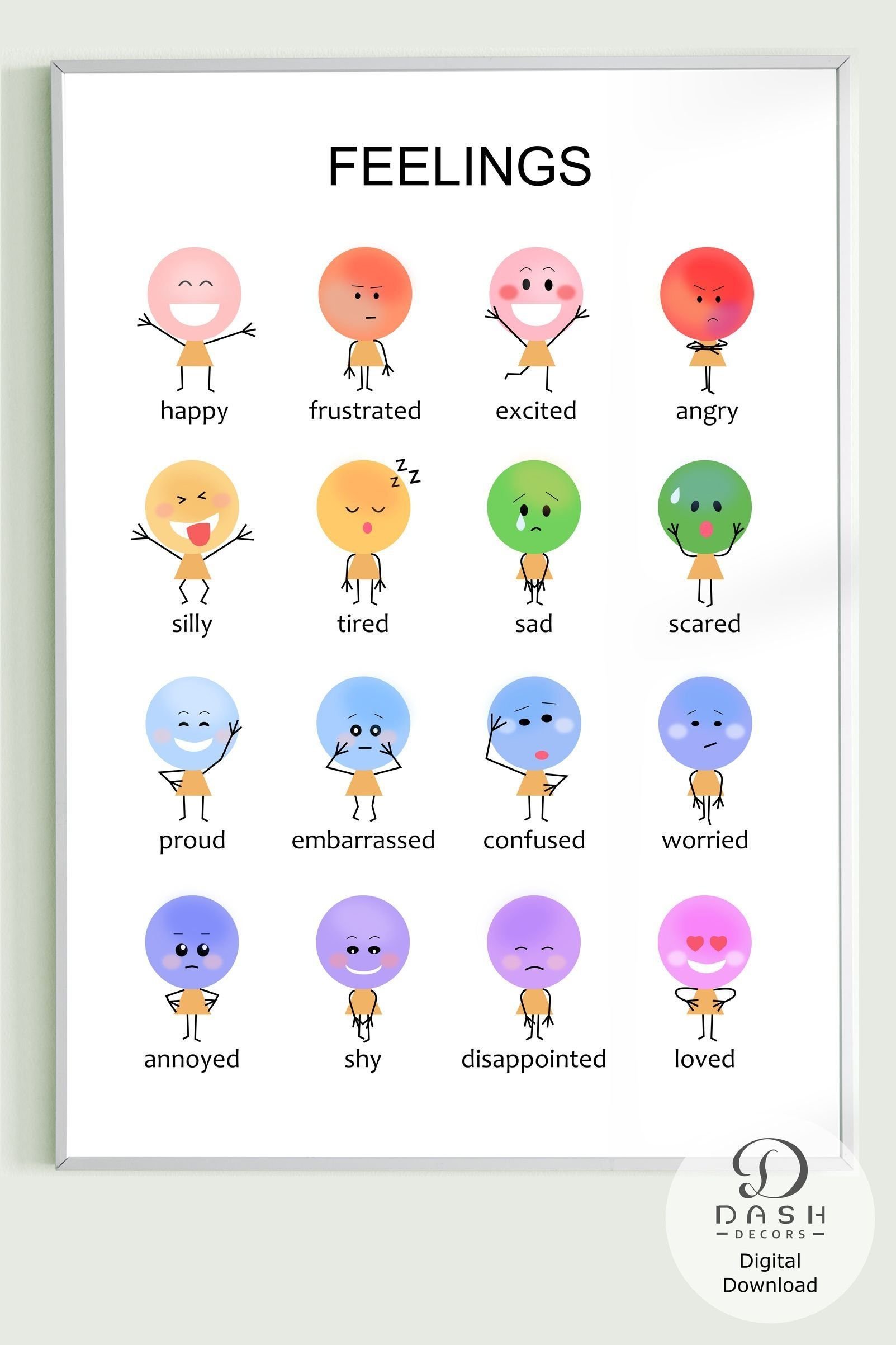
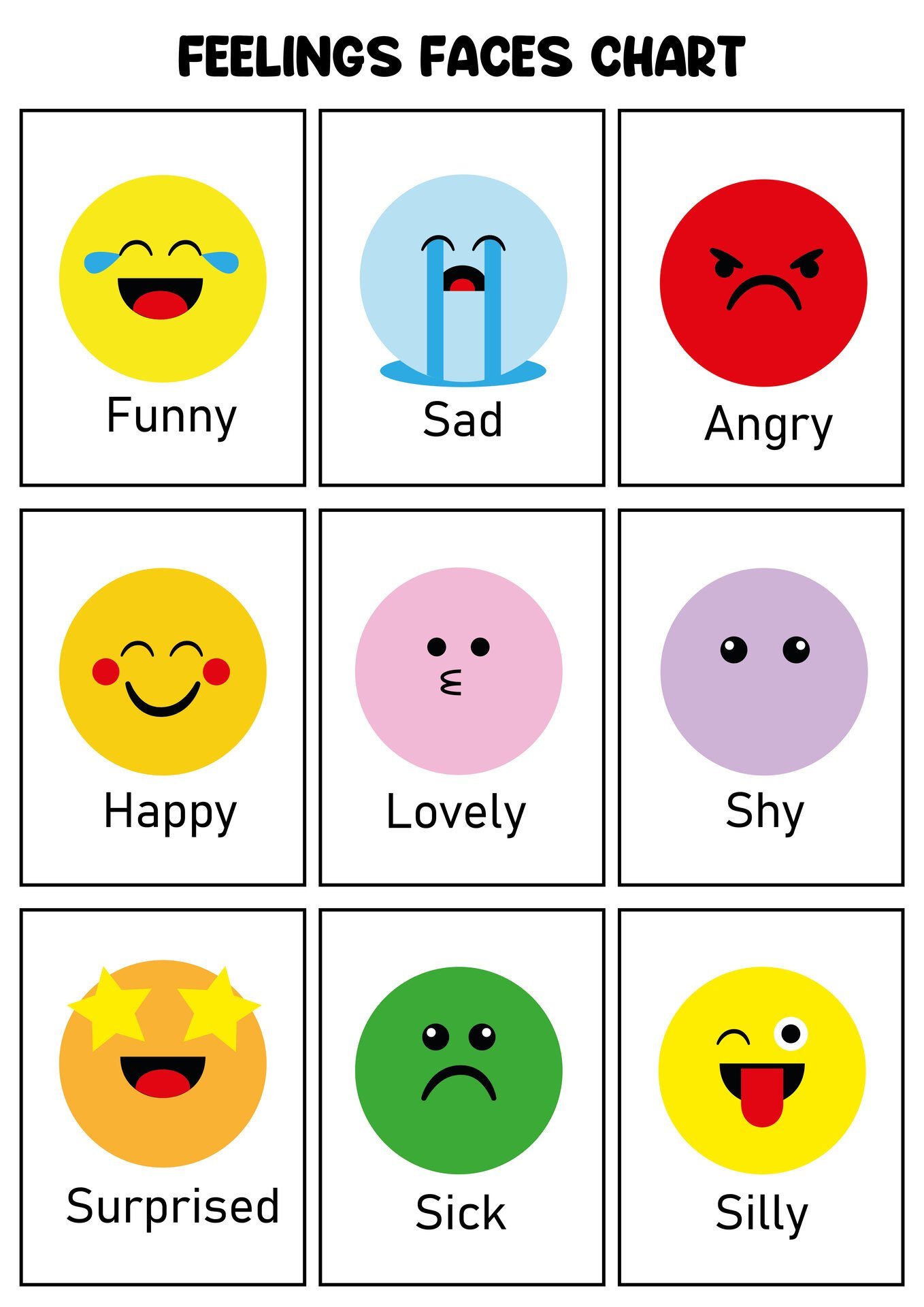
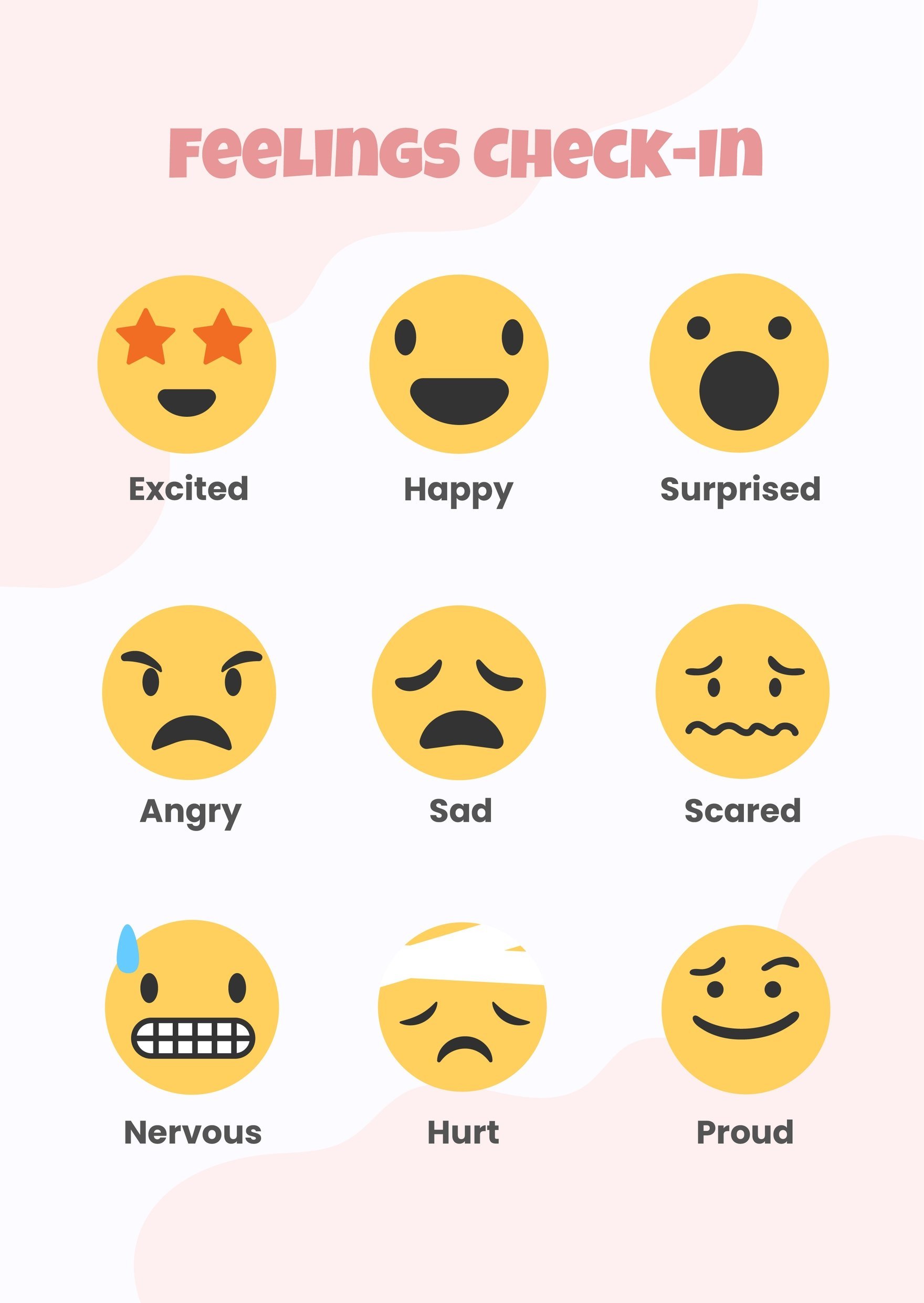
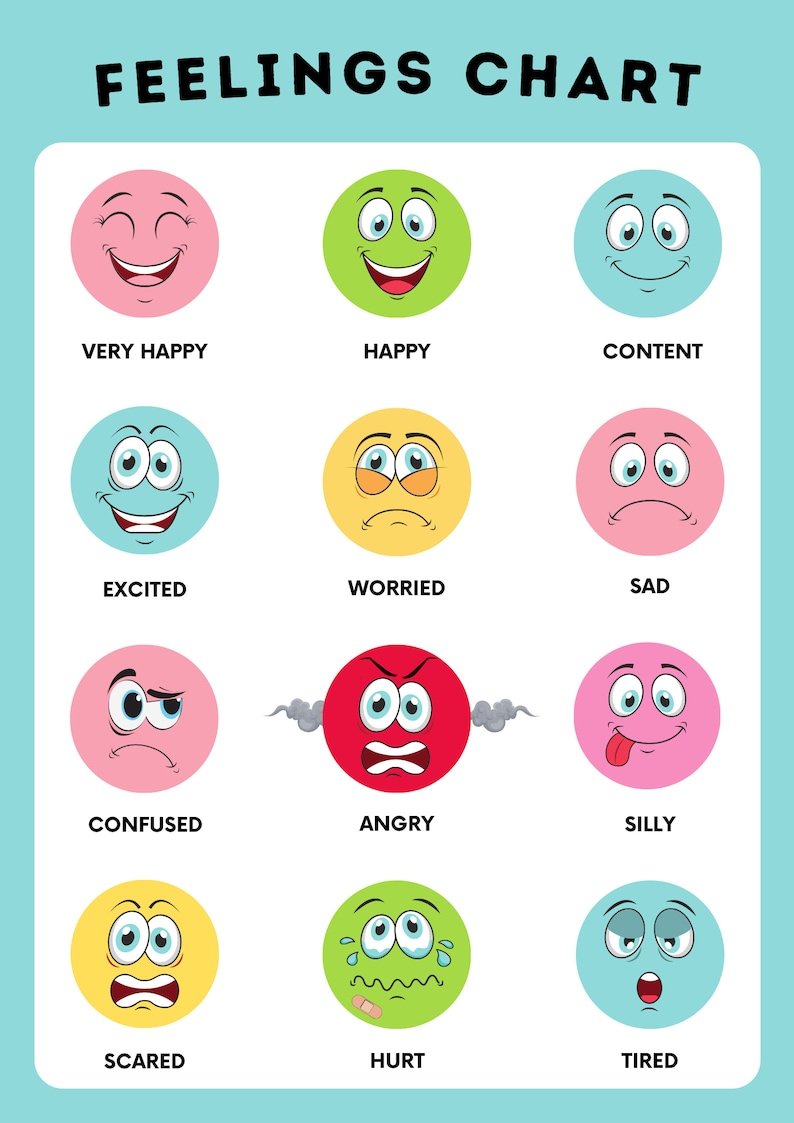
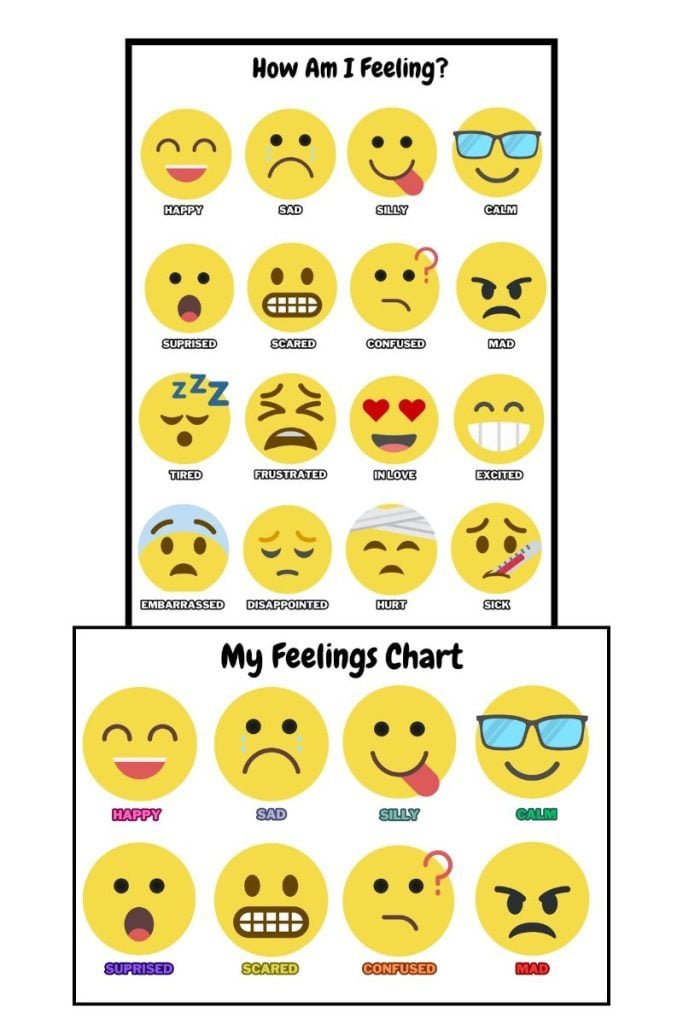
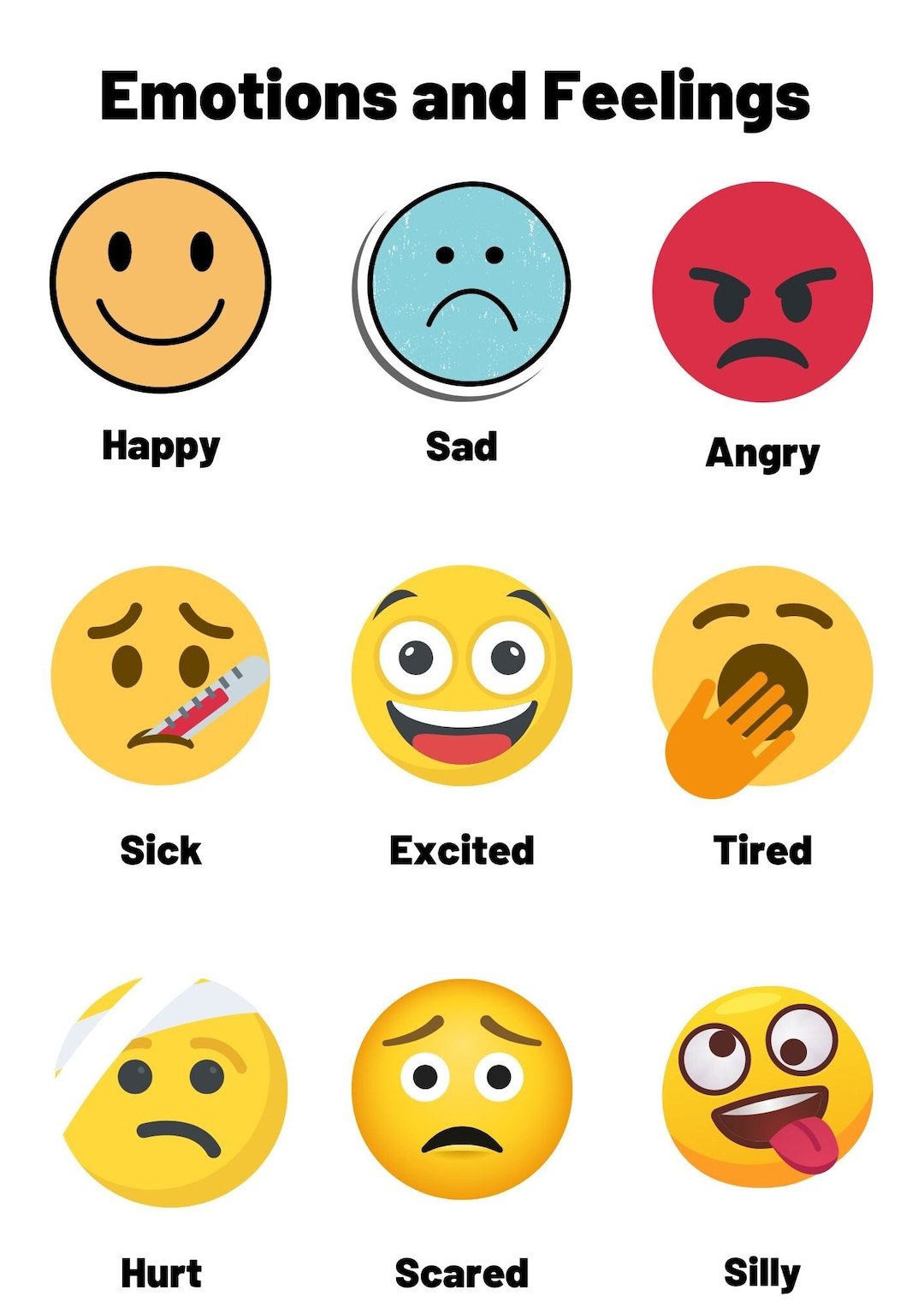
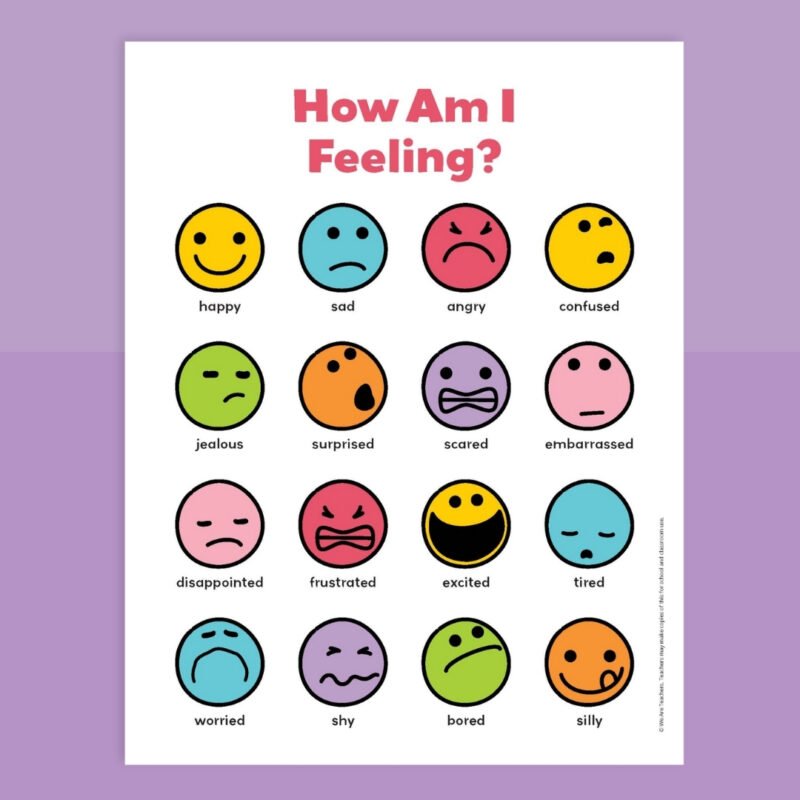
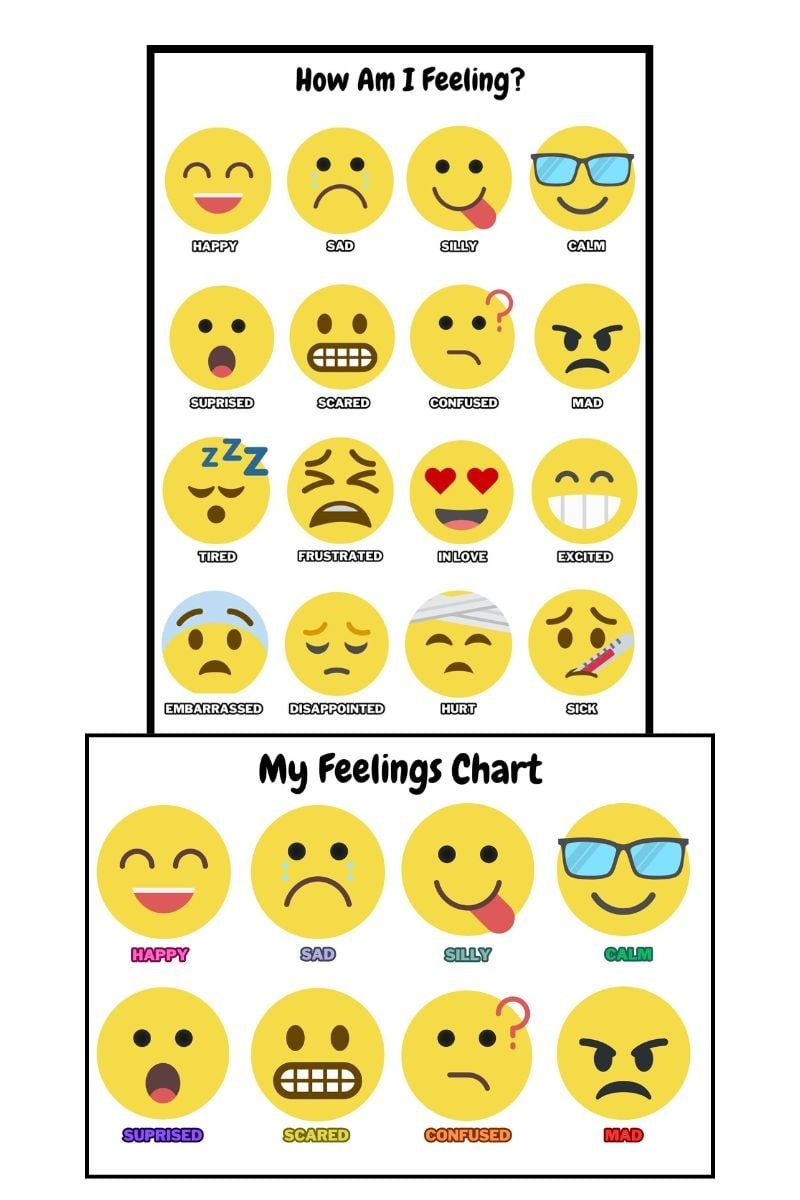
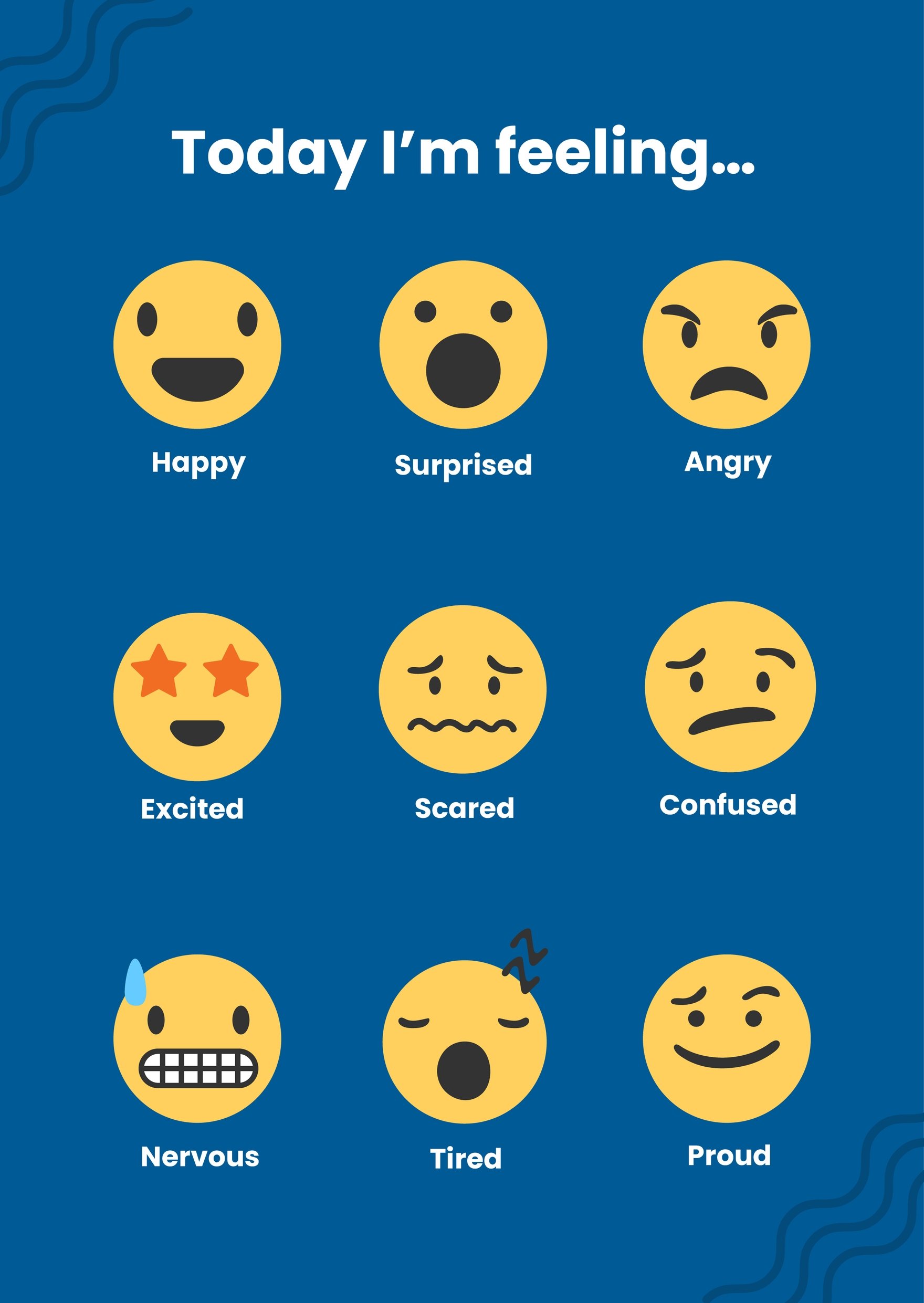
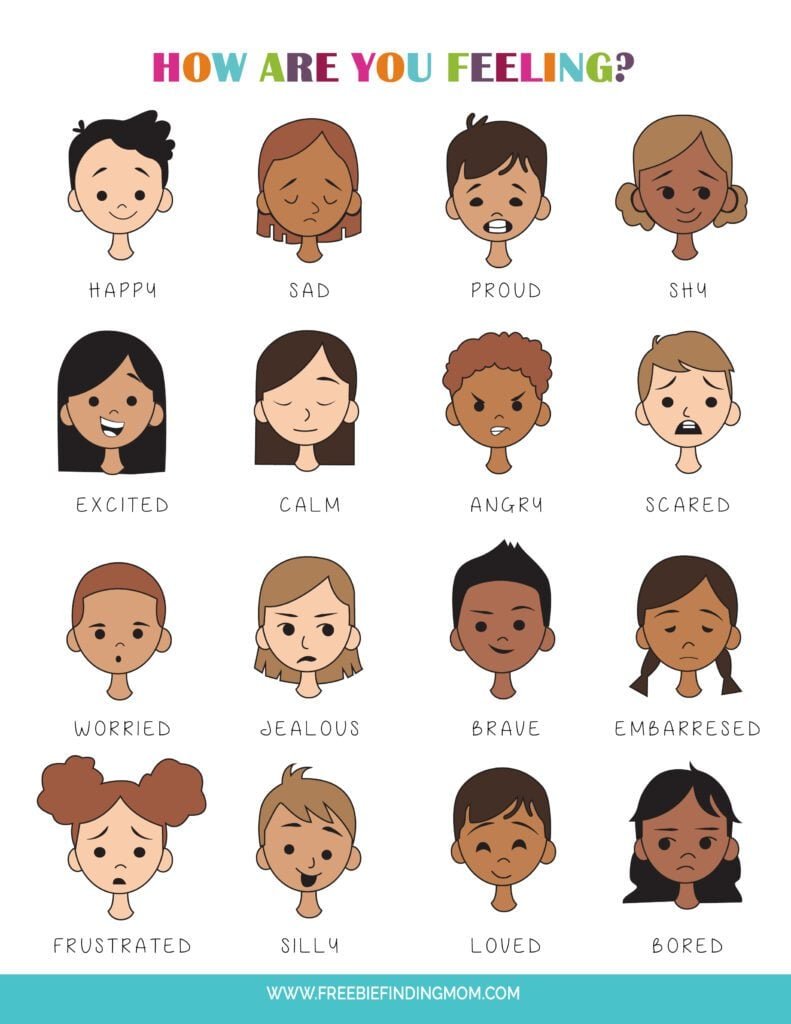
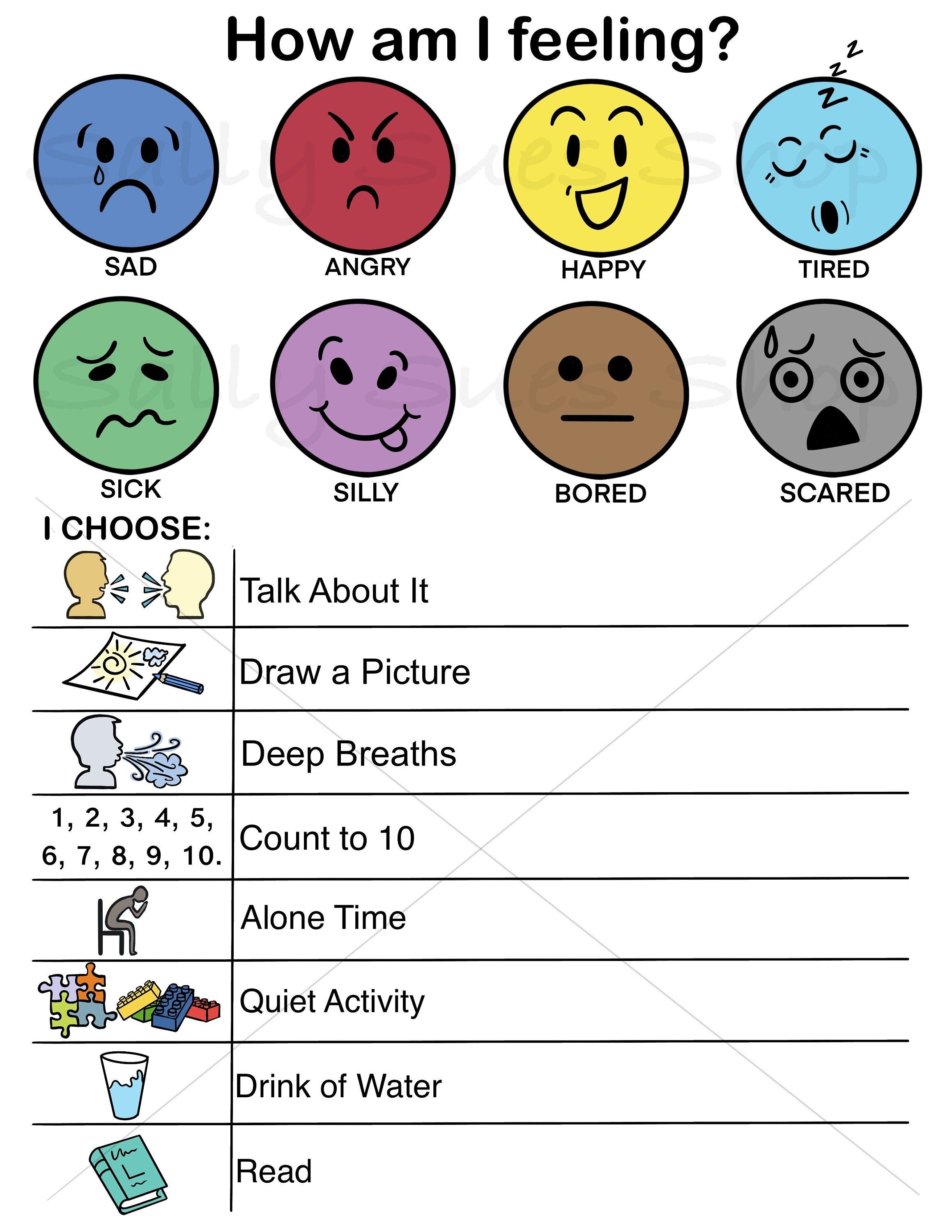
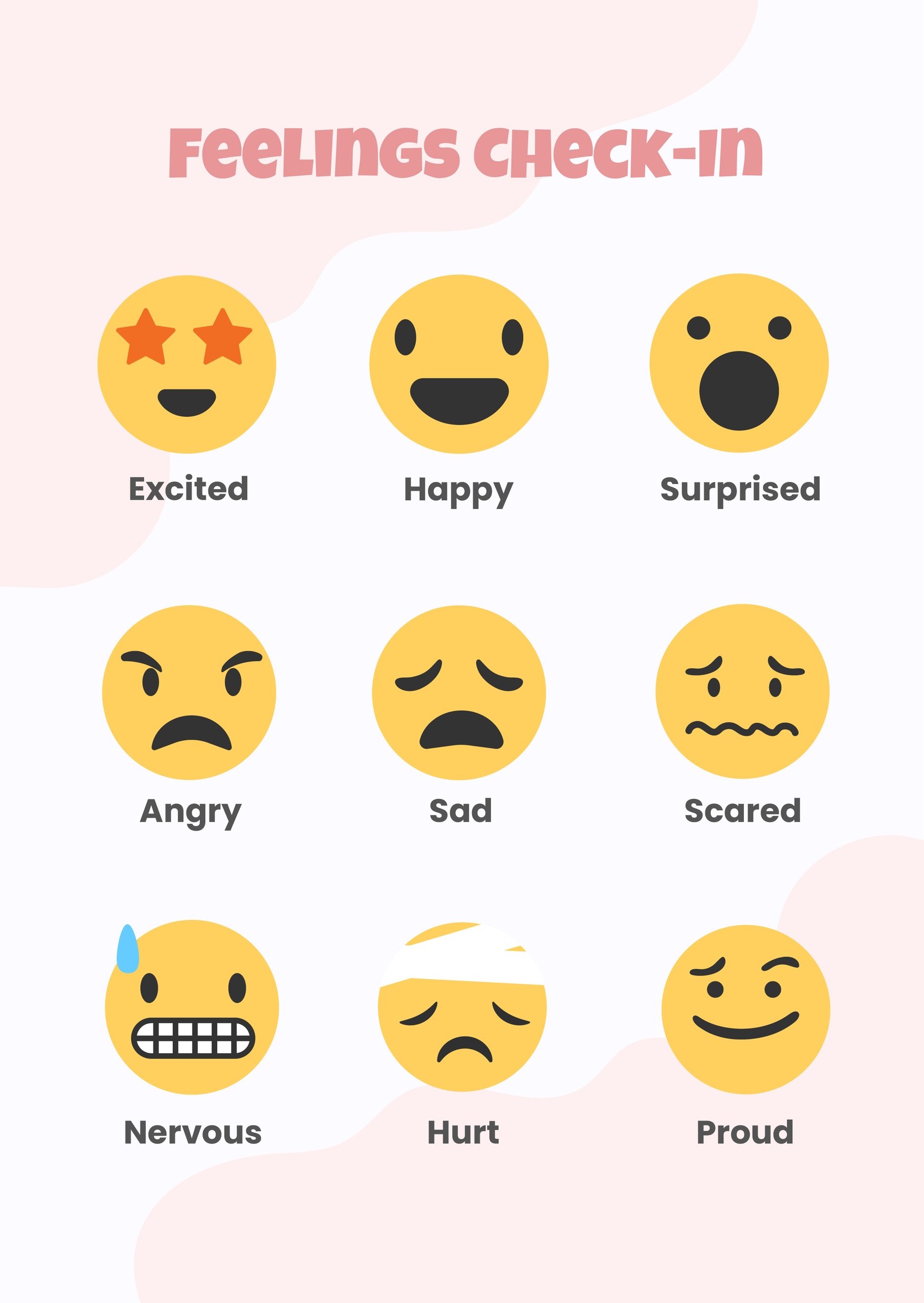
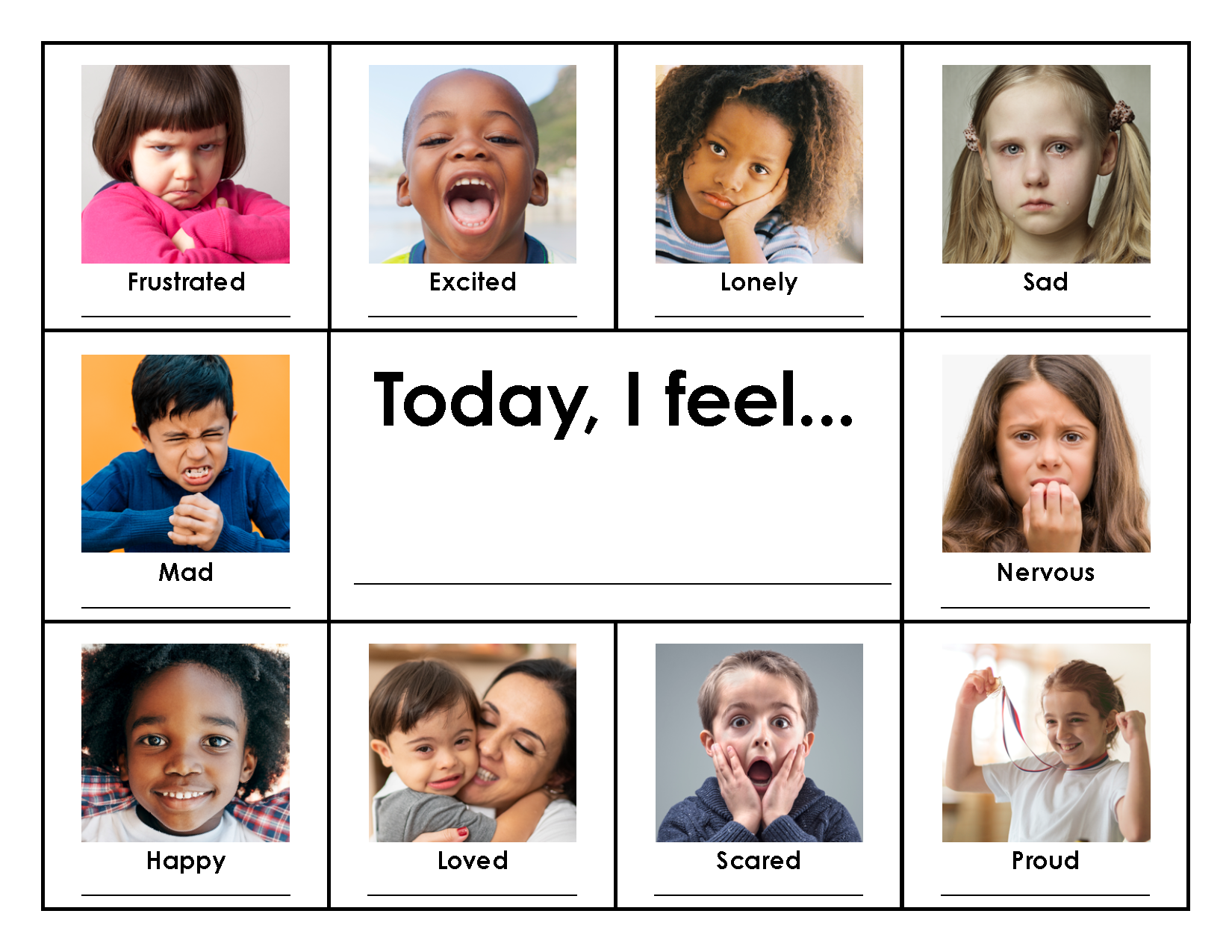
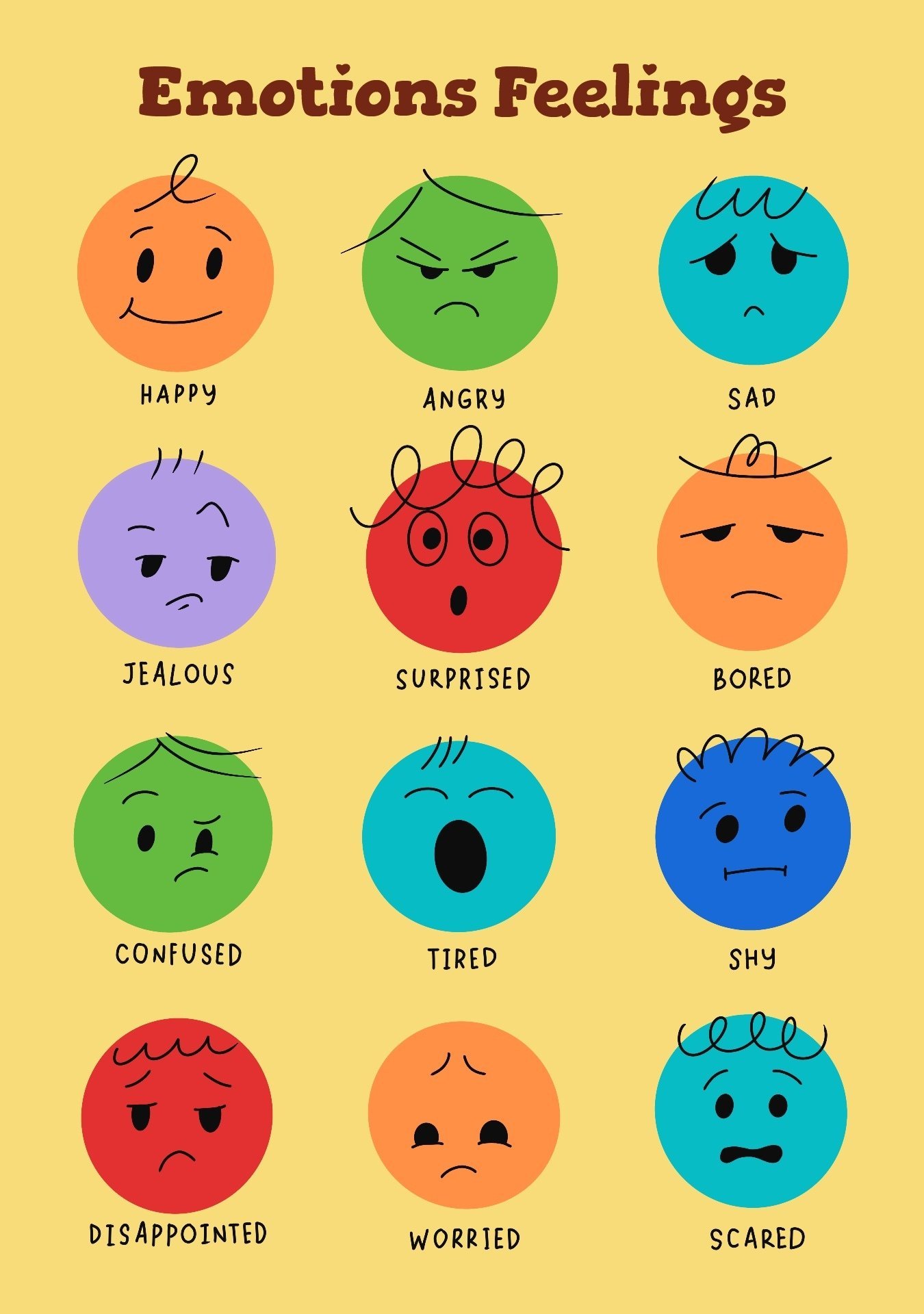
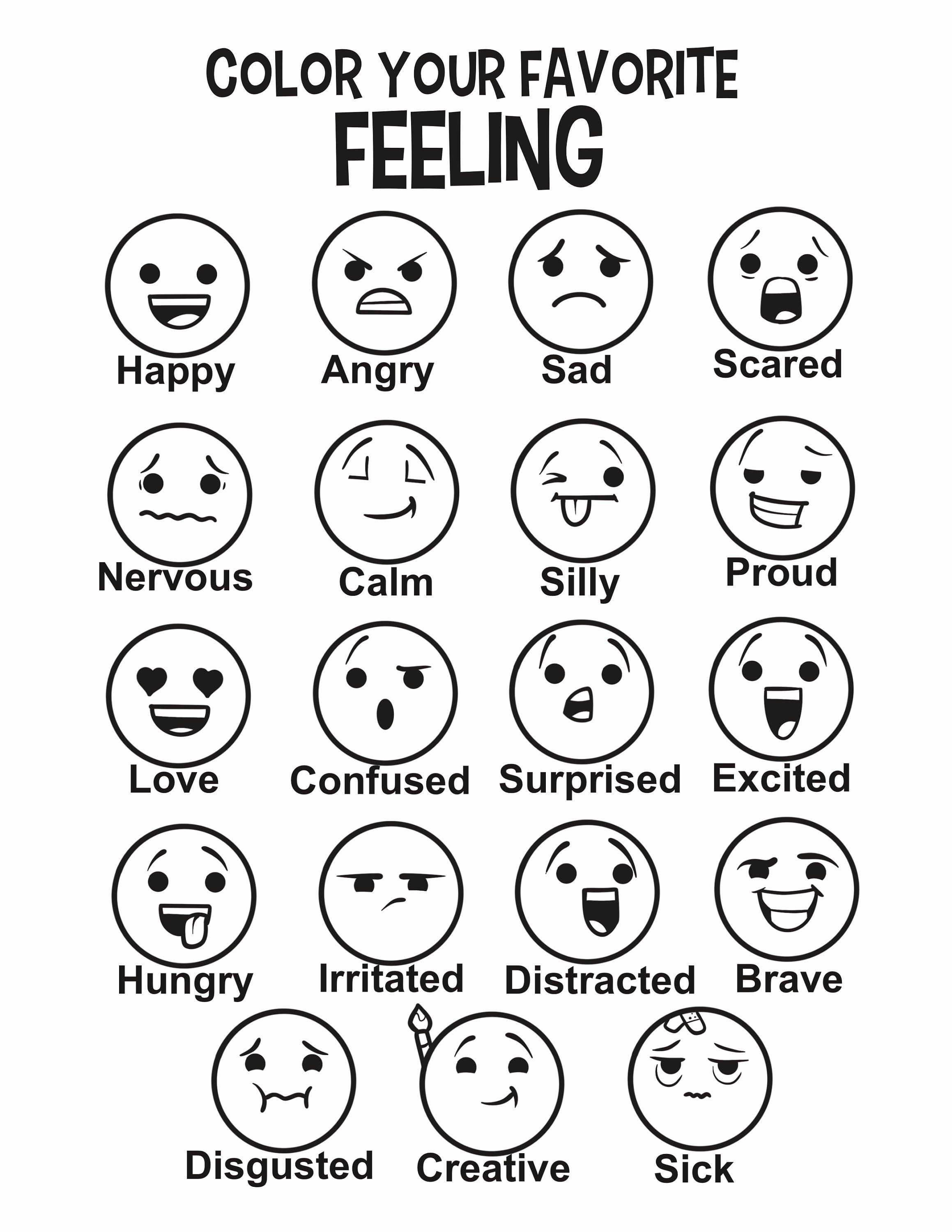
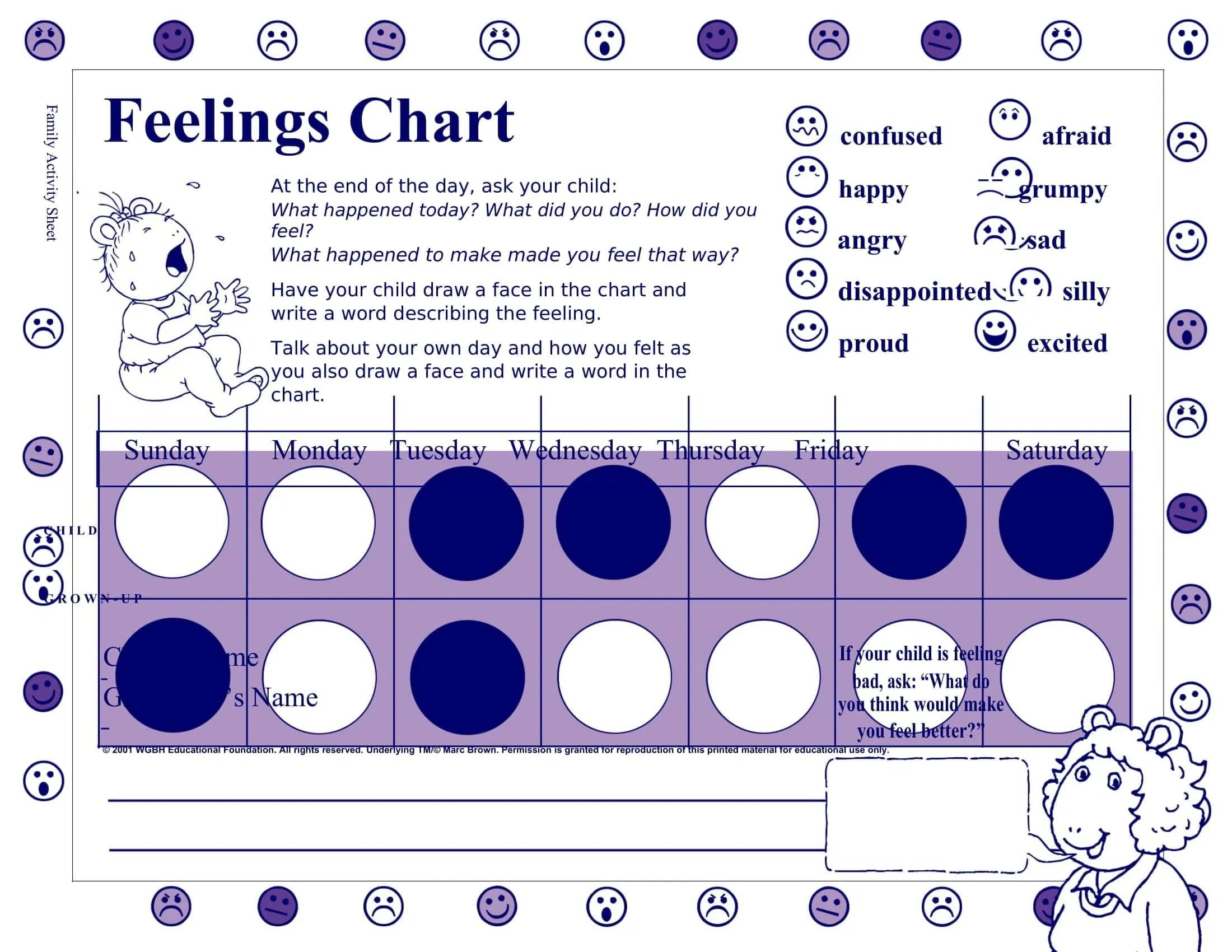
- Feelings Chart for Kids: These charts often feature bright colors and simple illustrations, making them engaging for young children. They typically include basic emotions like happy, sad, angry, and excited.
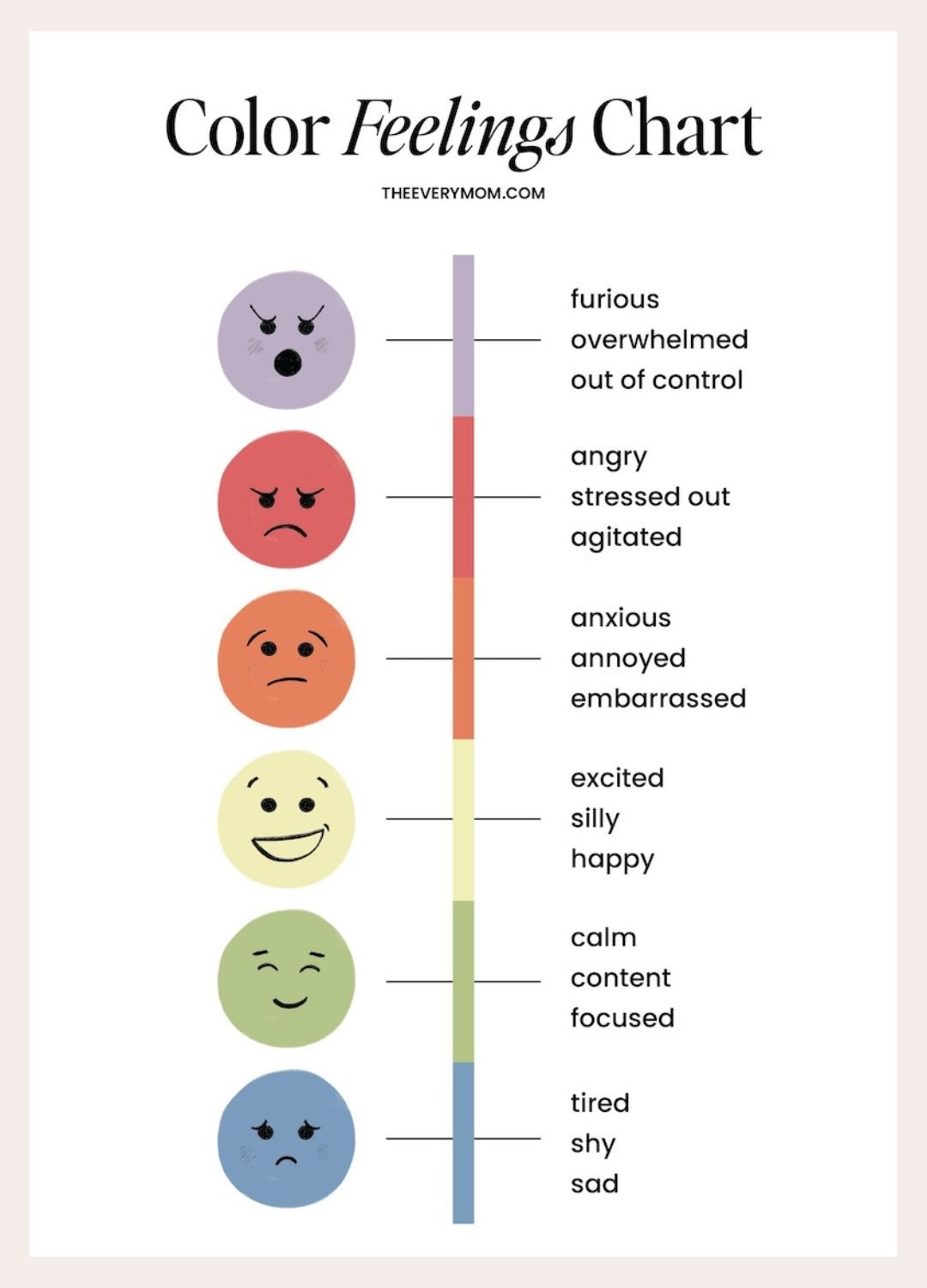
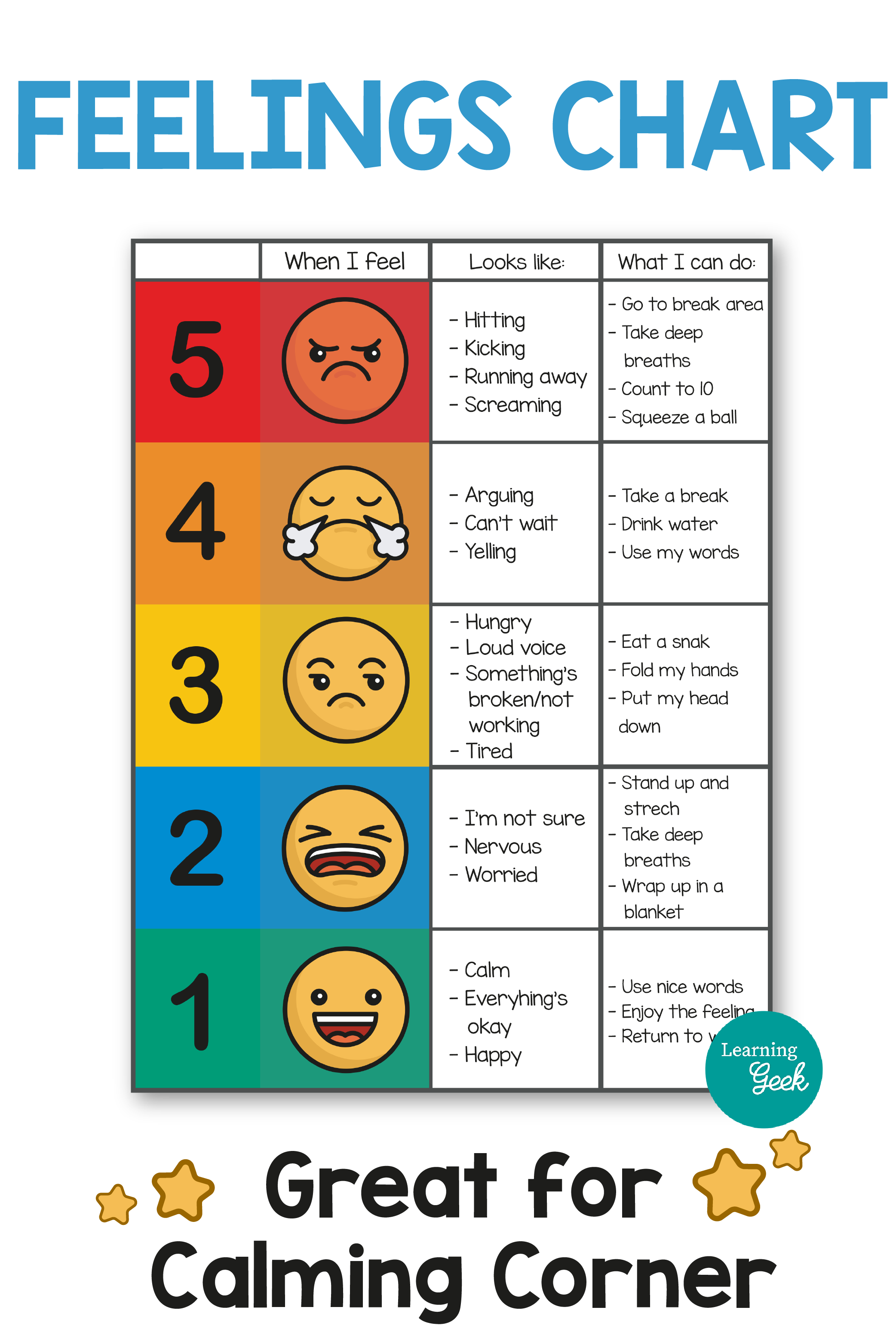
- Emotion Thermometer: A unique take on the traditional chart, this tool uses a visual thermometer to indicate the intensity of feelings. It's a great way to teach children about the spectrum of emotions.
- Wheel of Emotions: This chart presents a more comprehensive view, with various emotions branching out from a central feeling. It helps individuals explore the nuances and connections between different moods.
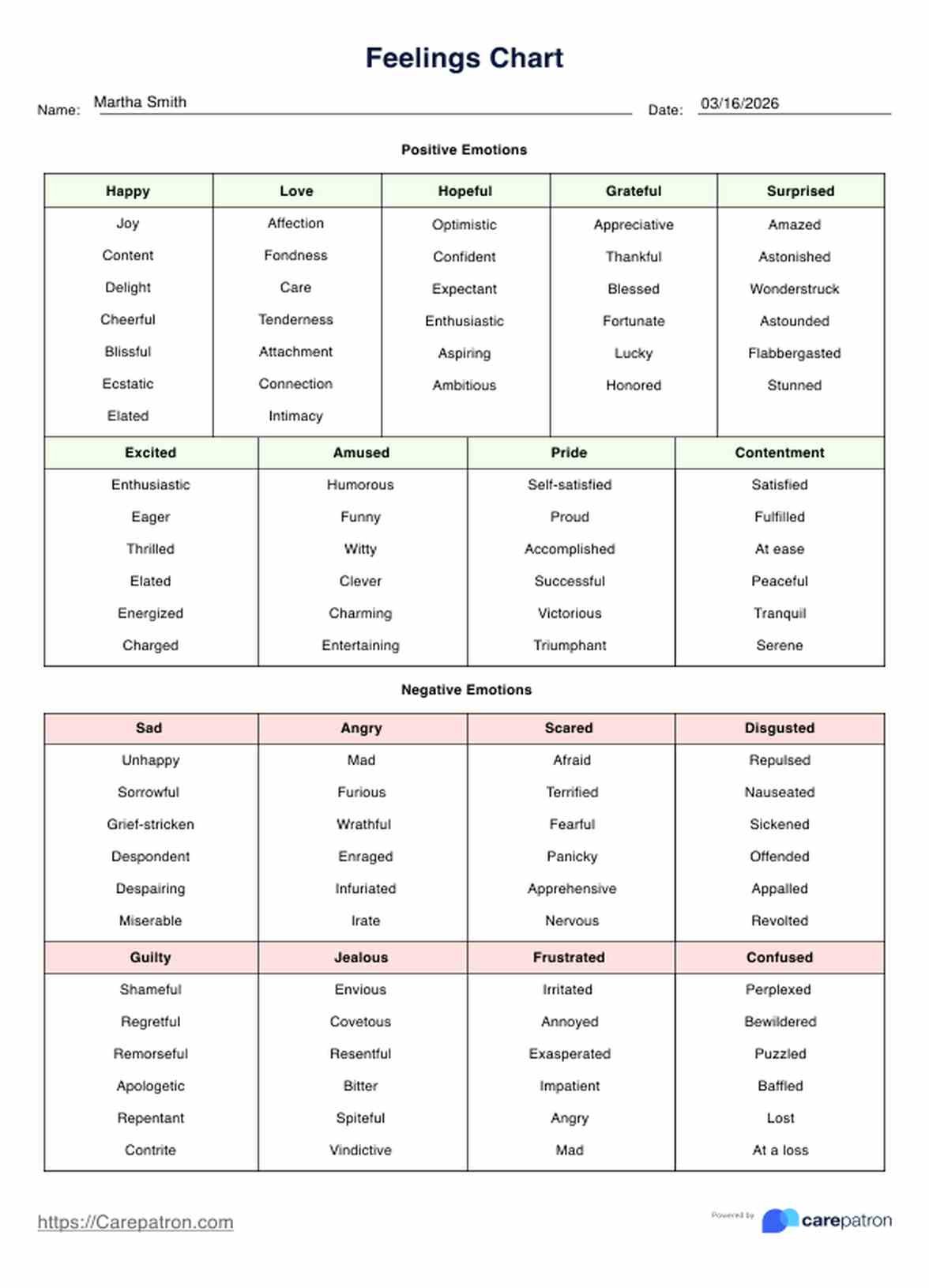
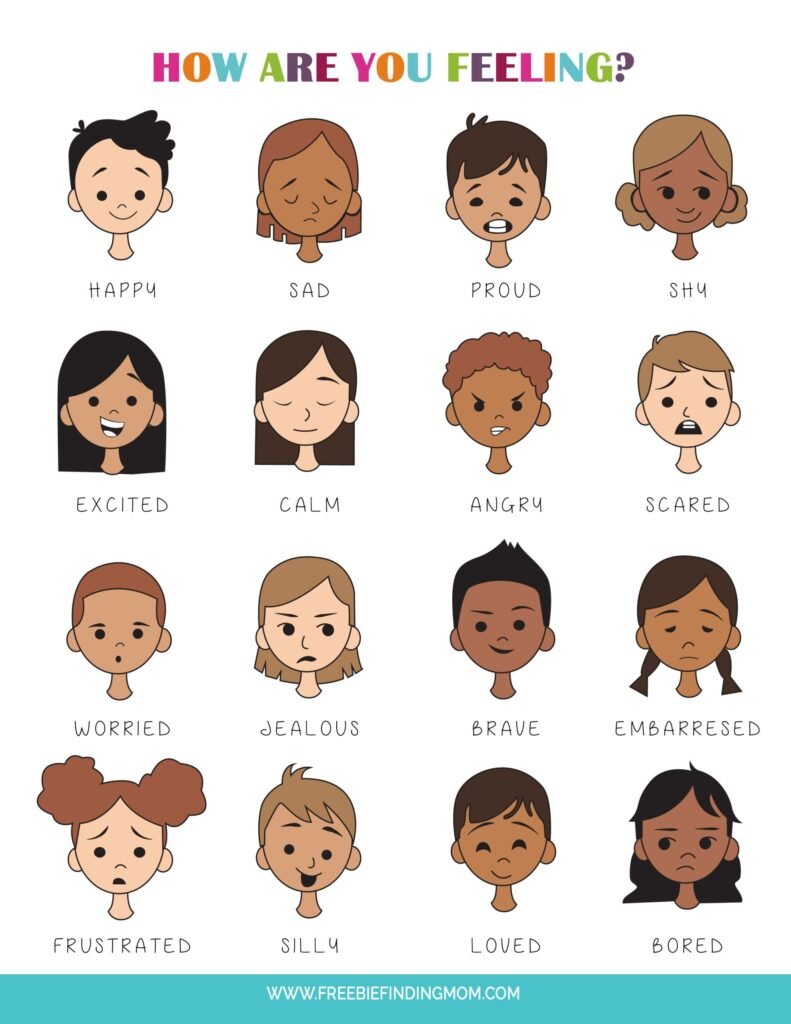
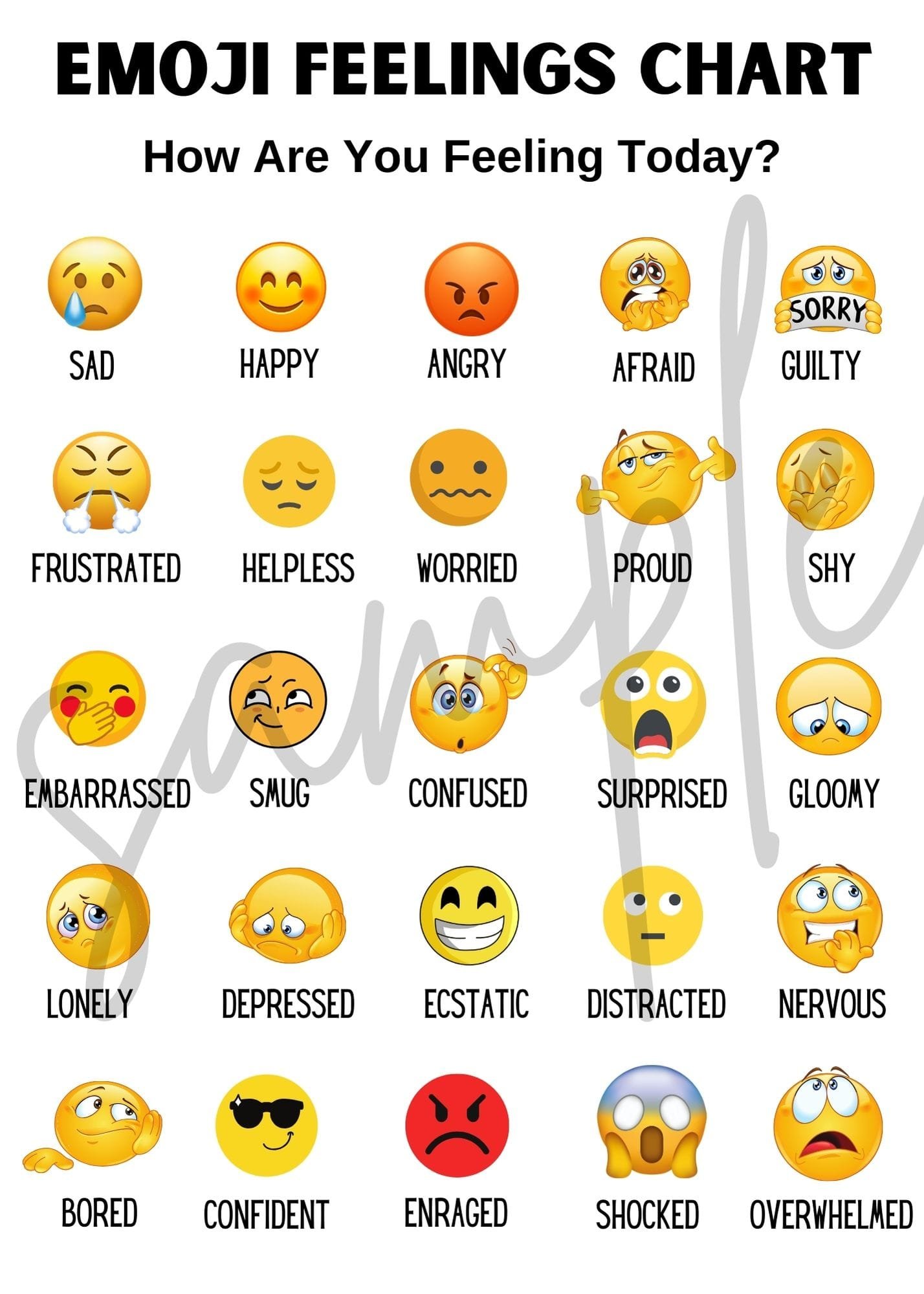
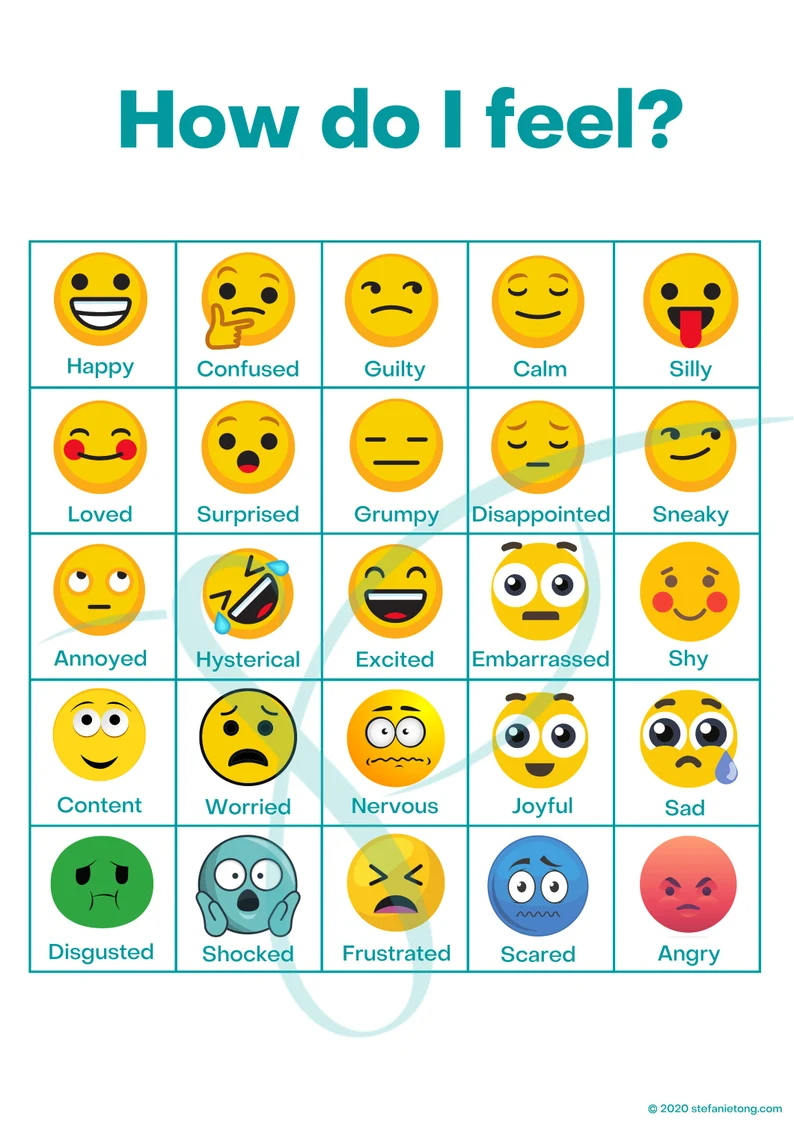
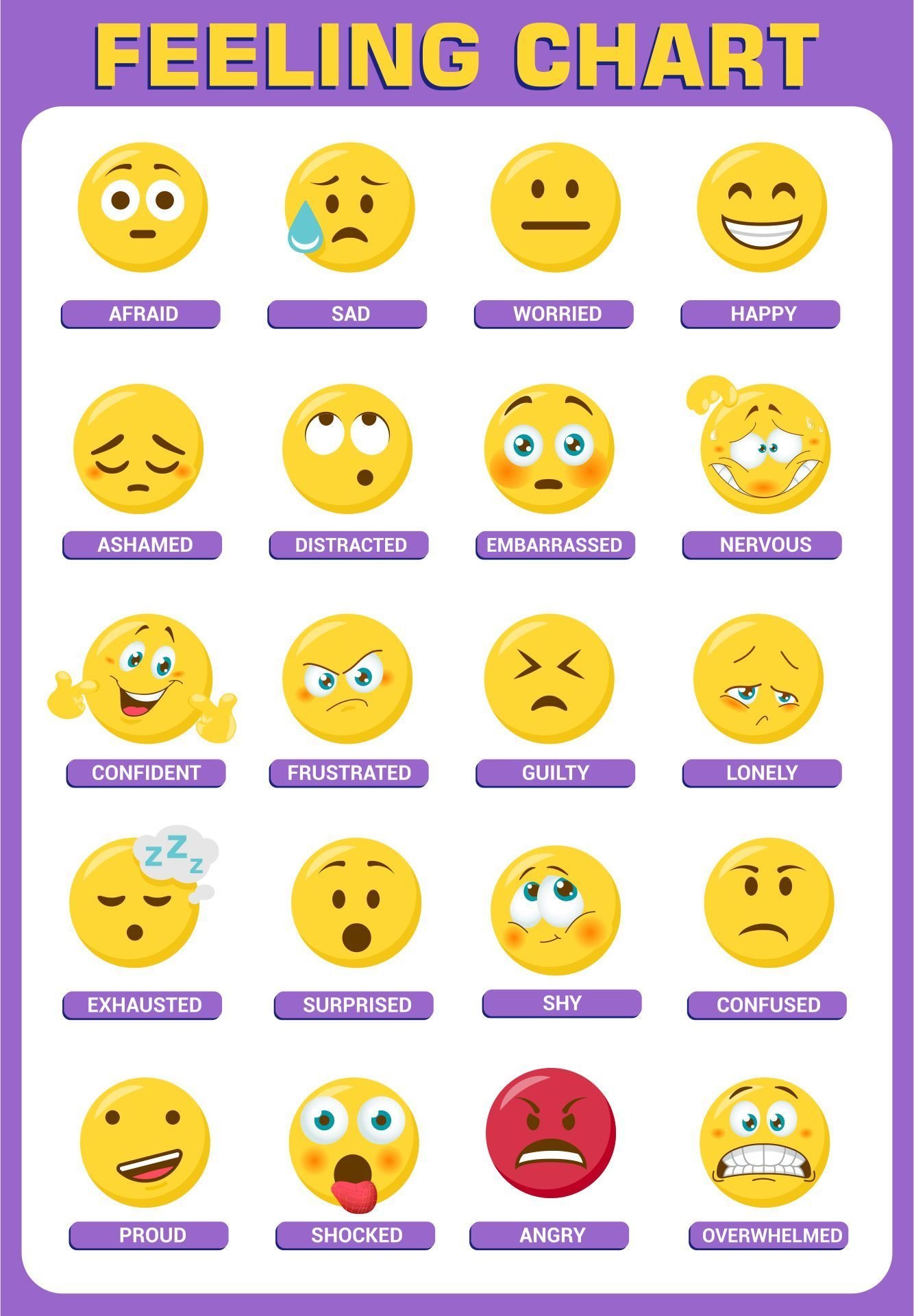
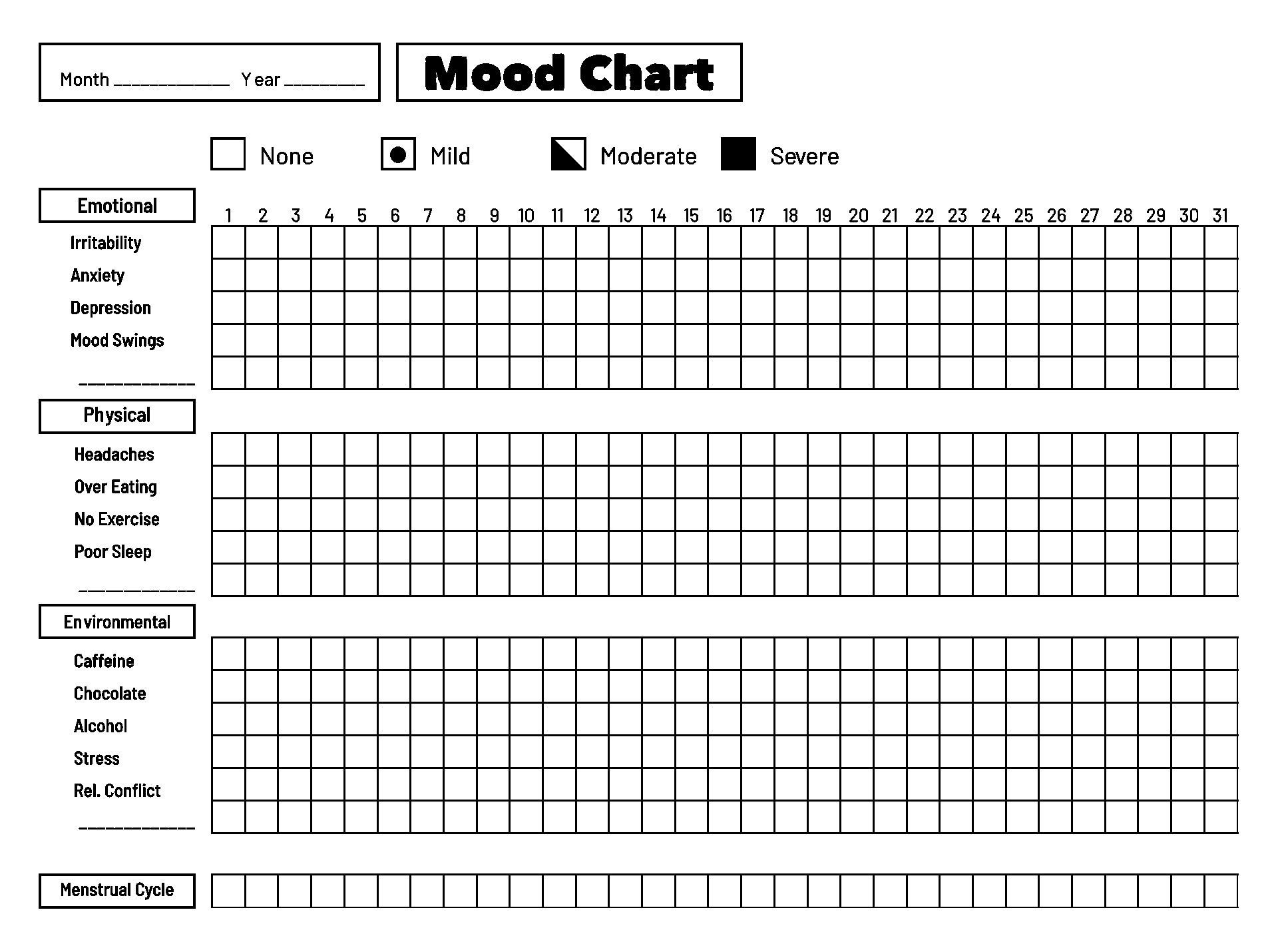
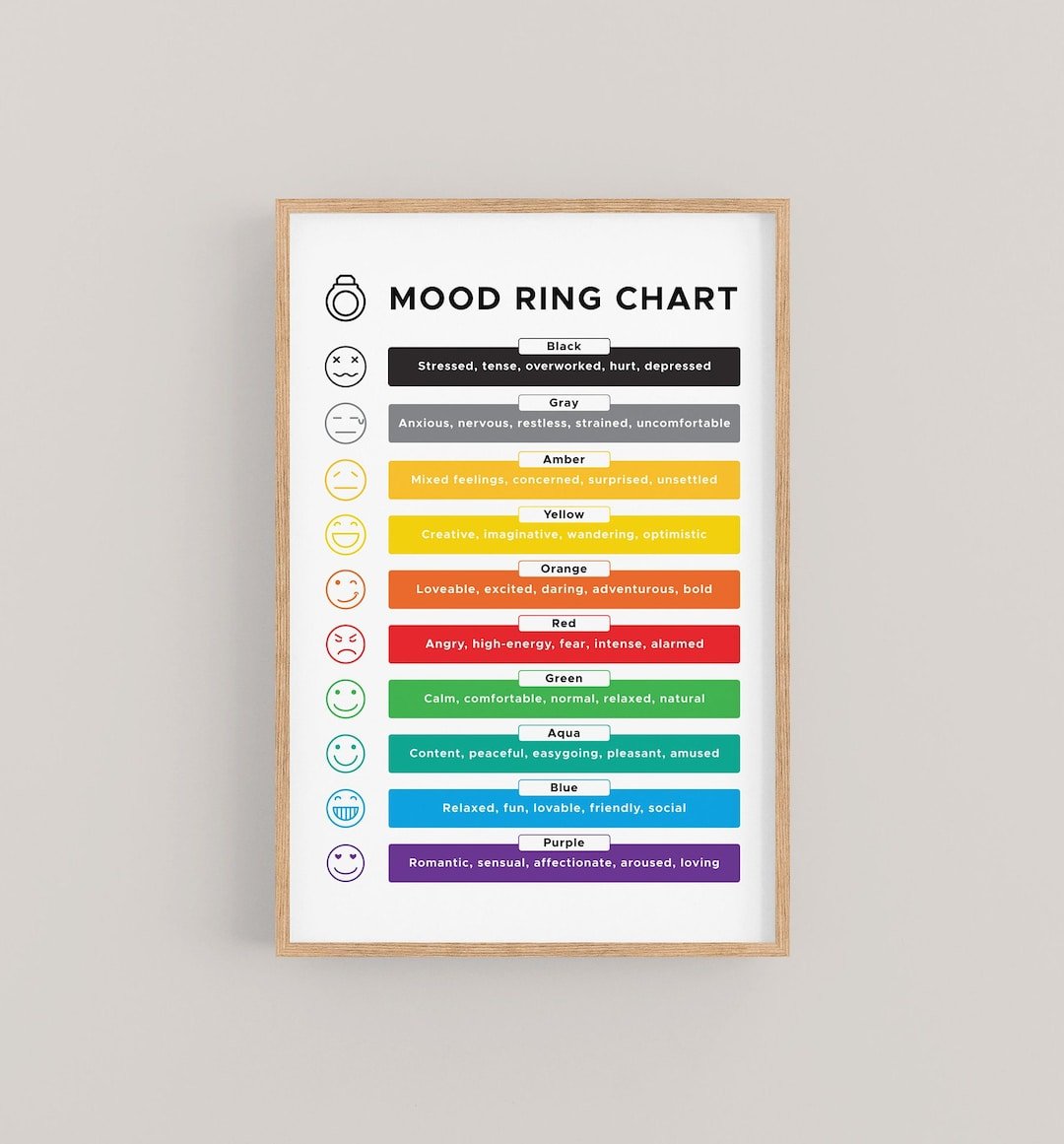
- Feelings Chart for Adults: Adult-focused charts tend to be more detailed, incorporating a wider range of emotions and offering a deeper exploration of mental health.
Sizing and Specifications:
When selecting a feelings chart printable, consider the intended use and placement: You can also compare this directly with paper doll printable to see how they stack up.
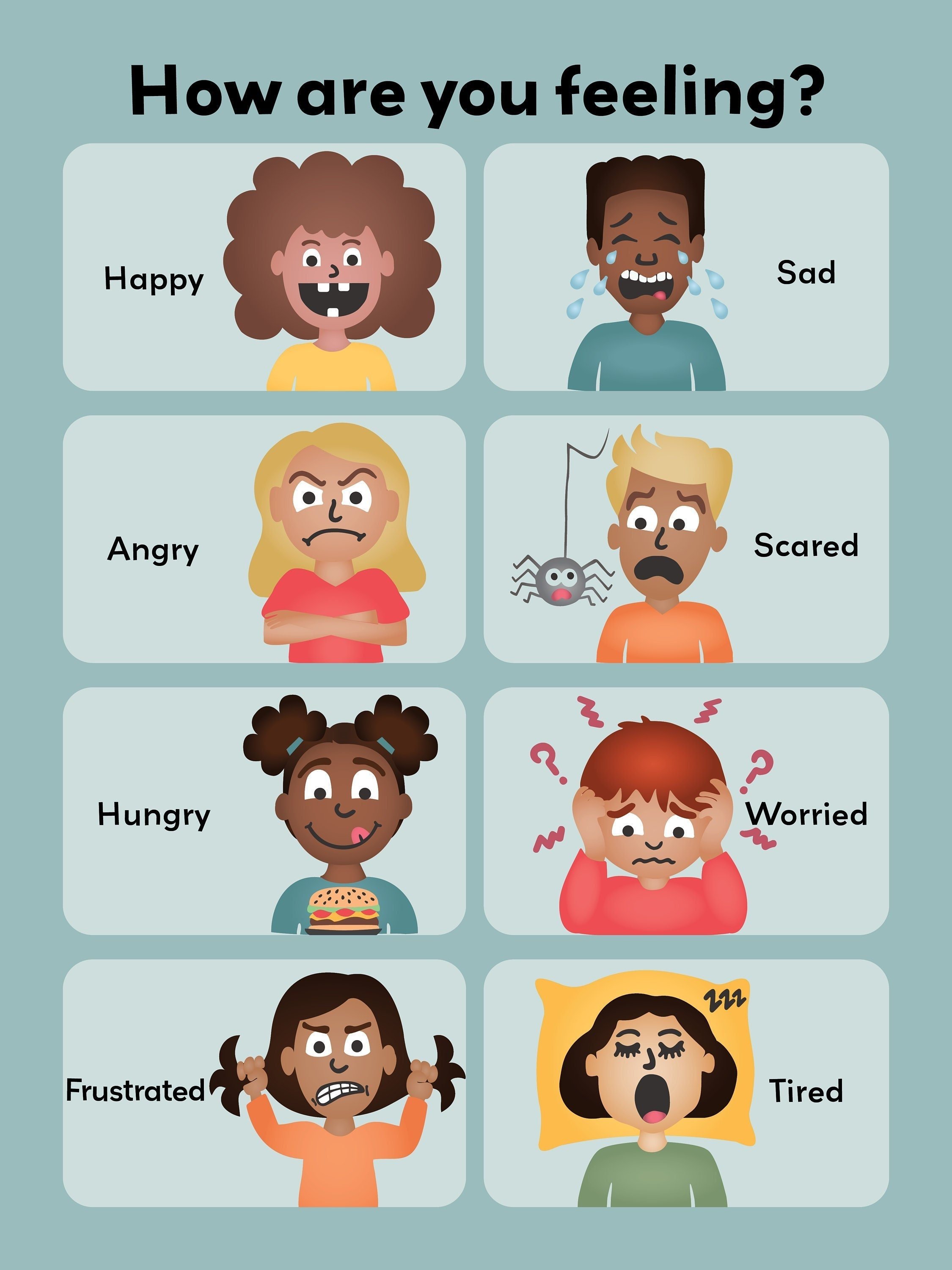
- Standard Size: Most charts are designed for easy printing on A4 or letter-sized paper, making them convenient for home or classroom use.
- Customizable Templates: Some charts offer adjustable sizes, allowing you to print them at larger scales for display or smaller sizes for portability.
Materials and Styling:
The visual appeal and durability of a feelings chart can vary: If you want another perspective, check out my notes on easter egg printable as well.
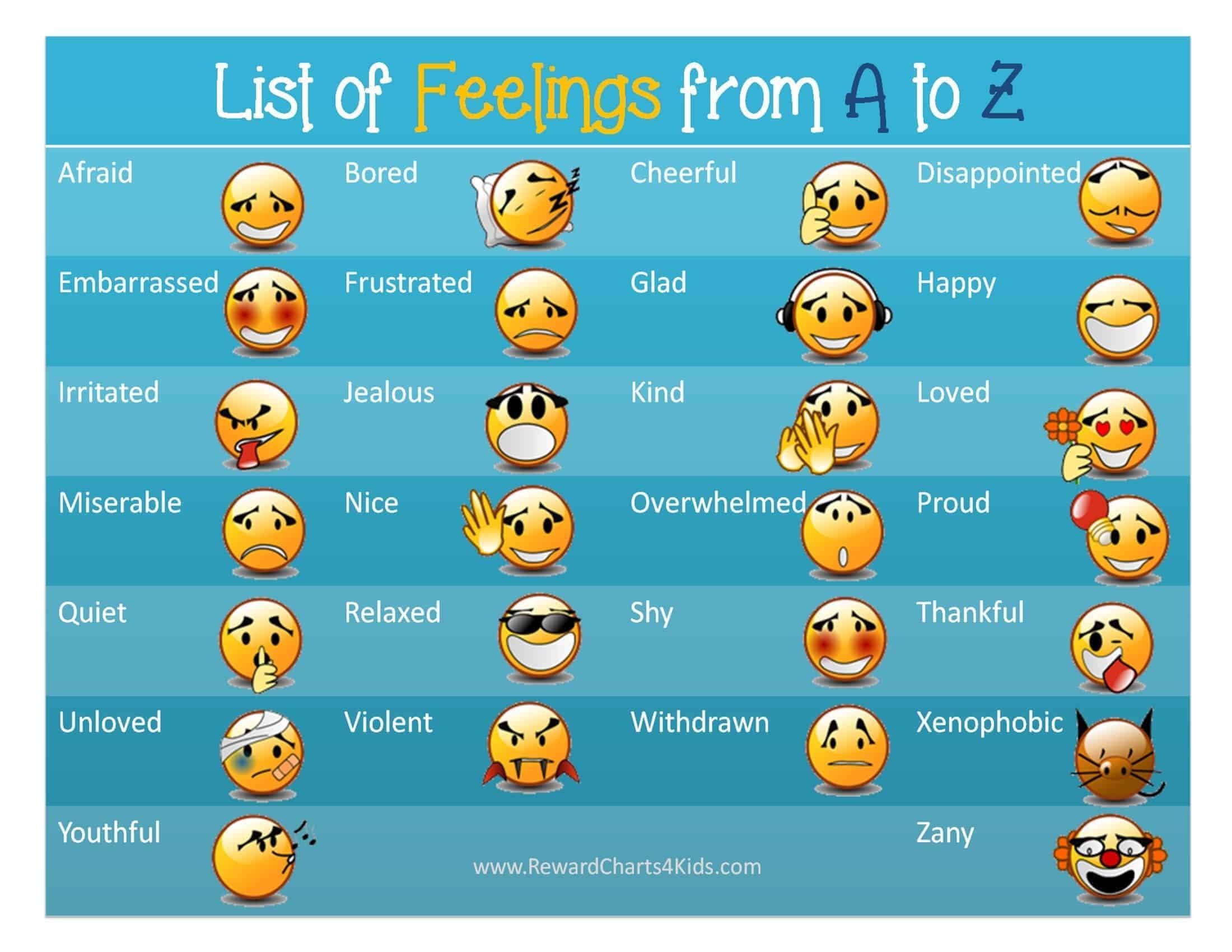
- Printed Charts: These are often created with high-quality paper, ensuring the colors and details remain lively even after multiple uses.
- Digital Charts: Some charts are designed for digital use, offering interactive features and the ability to customize colors and fonts.
- Laminated Options: For durability, consider laminated charts, especially for frequent use or outdoor display.
Placement and Usage:
Feelings charts can be versatile tools, suitable for various settings: For a closer look at something similar, my post on hello kitty printable covers the details.
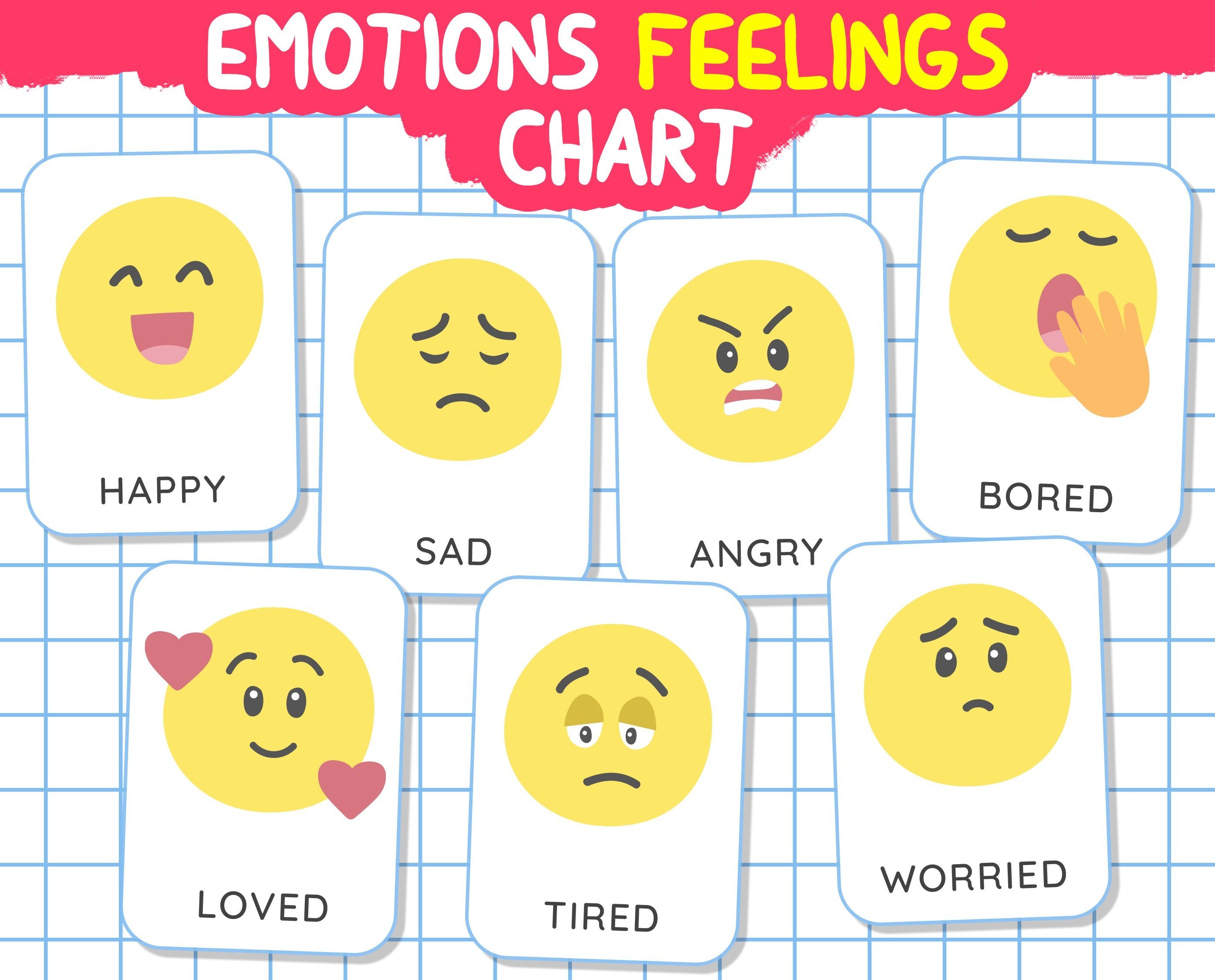
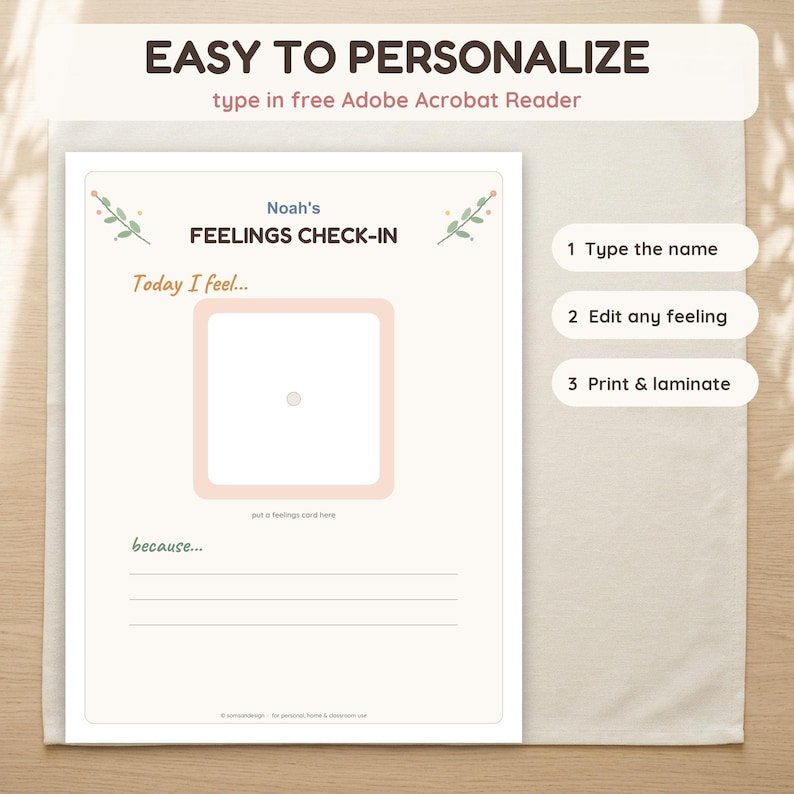
- Classroom: Hang charts in classrooms to encourage emotional check-ins and discussions.
- Home: Display charts in common areas or children's rooms to promote open conversations about feelings.
- Therapy Settings: Professionals can use charts as a tool during sessions, aiding in emotional processing and expression.
- Personal Journaling: Individuals can print and use charts as a guide for emotional check-ins and reflection.
What to Check Before Buying or Making:
Whether purchasing or creating your own feelings chart printable, consider these factors: You can also compare this directly with free printable letter s to see how they stack up.
- Emotion Range: Ensure the chart covers a diverse range of emotions, including both positive and negative feelings.
- Age Appropriateness: Choose charts suitable for the intended age group, with language and visuals that are easy to understand.
- Customization: Look for charts that offer some level of customization, allowing you to tailor them to specific needs or preferences.
- Feelings Thermometer Printable: If you prefer a visual intensity scale, opt for charts that include this feature.
- Lined Paper Printable: For a more structured approach, consider charts with lined spaces for writing about emotions.
- Dot Marker Printables: These can be a fun, interactive way to engage children in emotional check-ins.