
Behavior Chart Printable: A Practical Guide
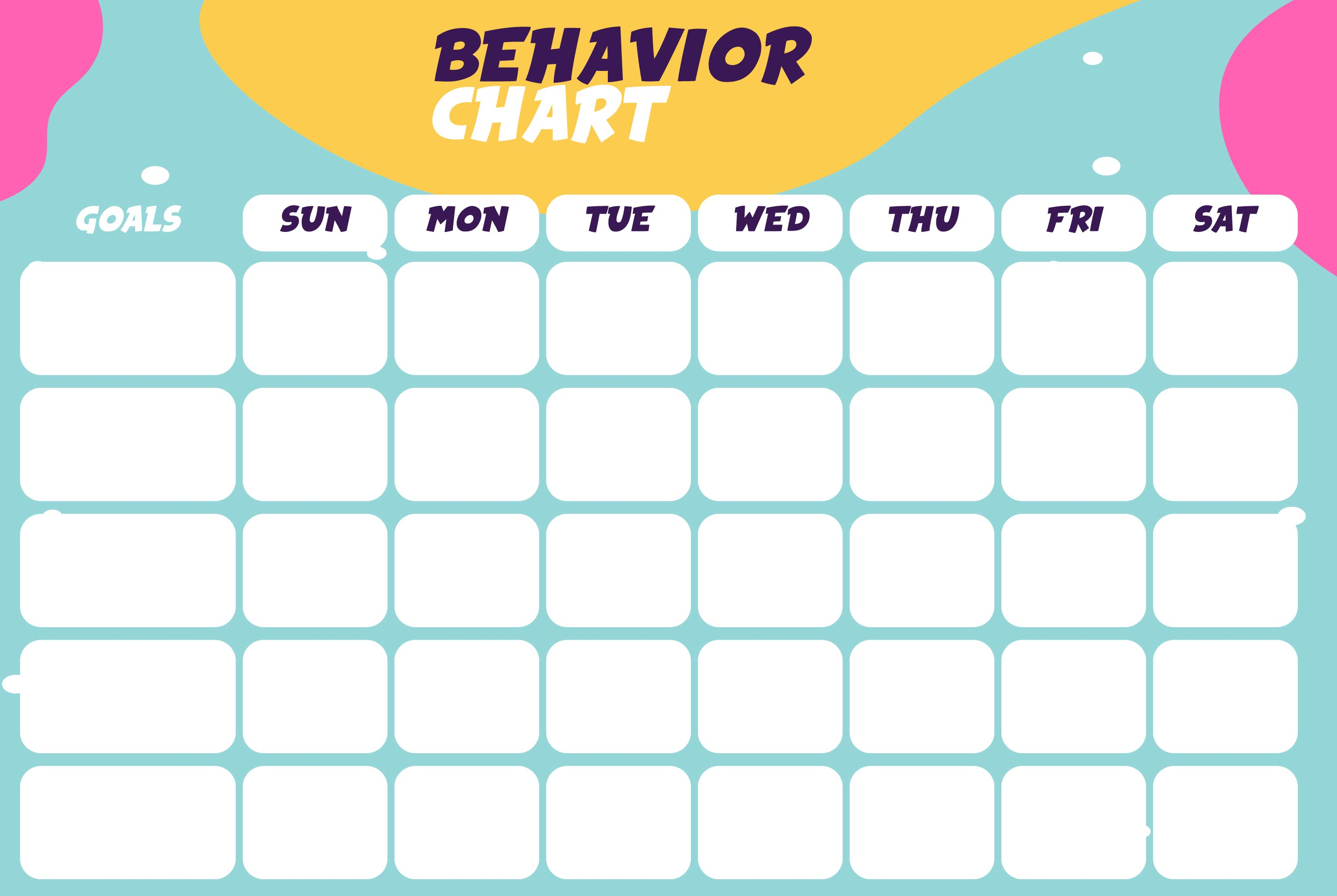
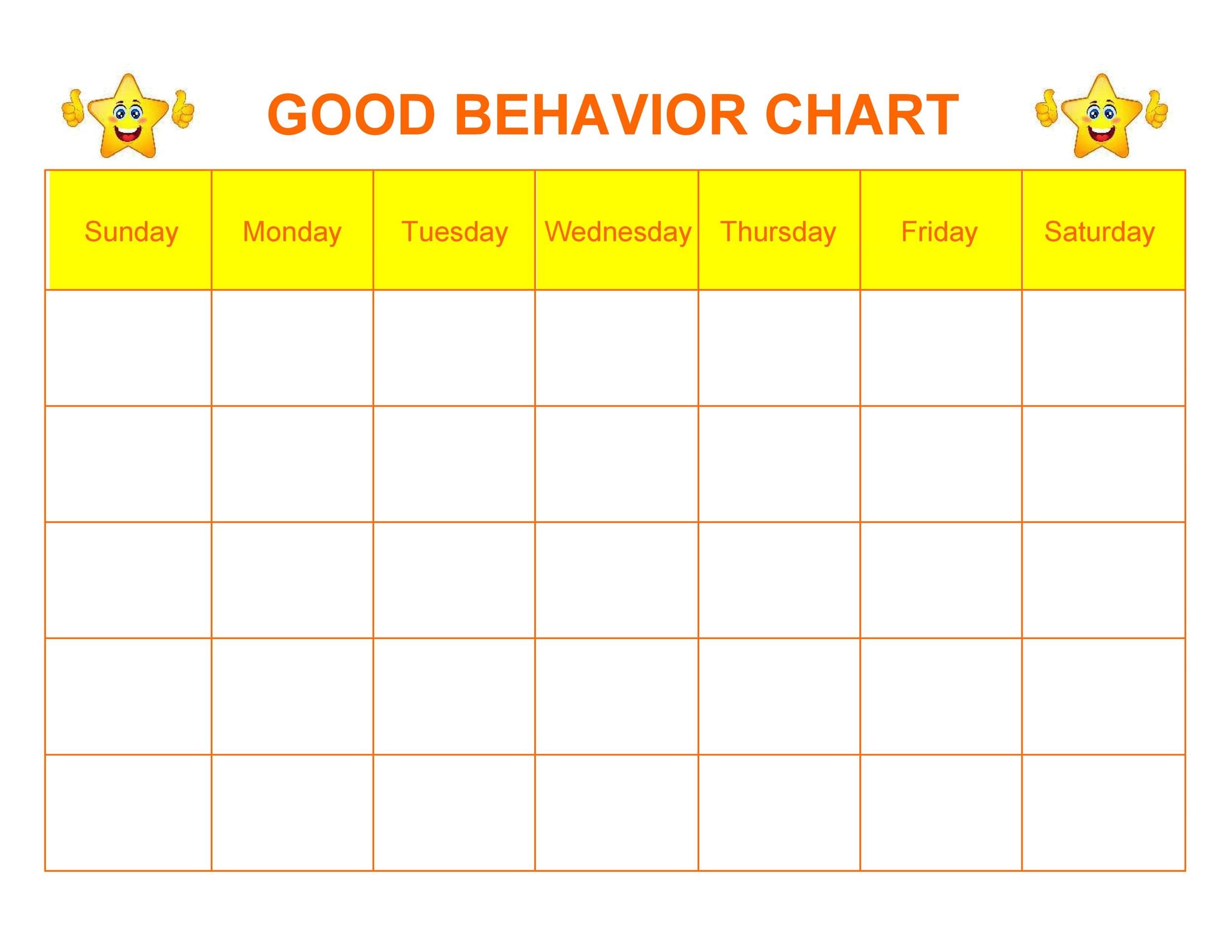
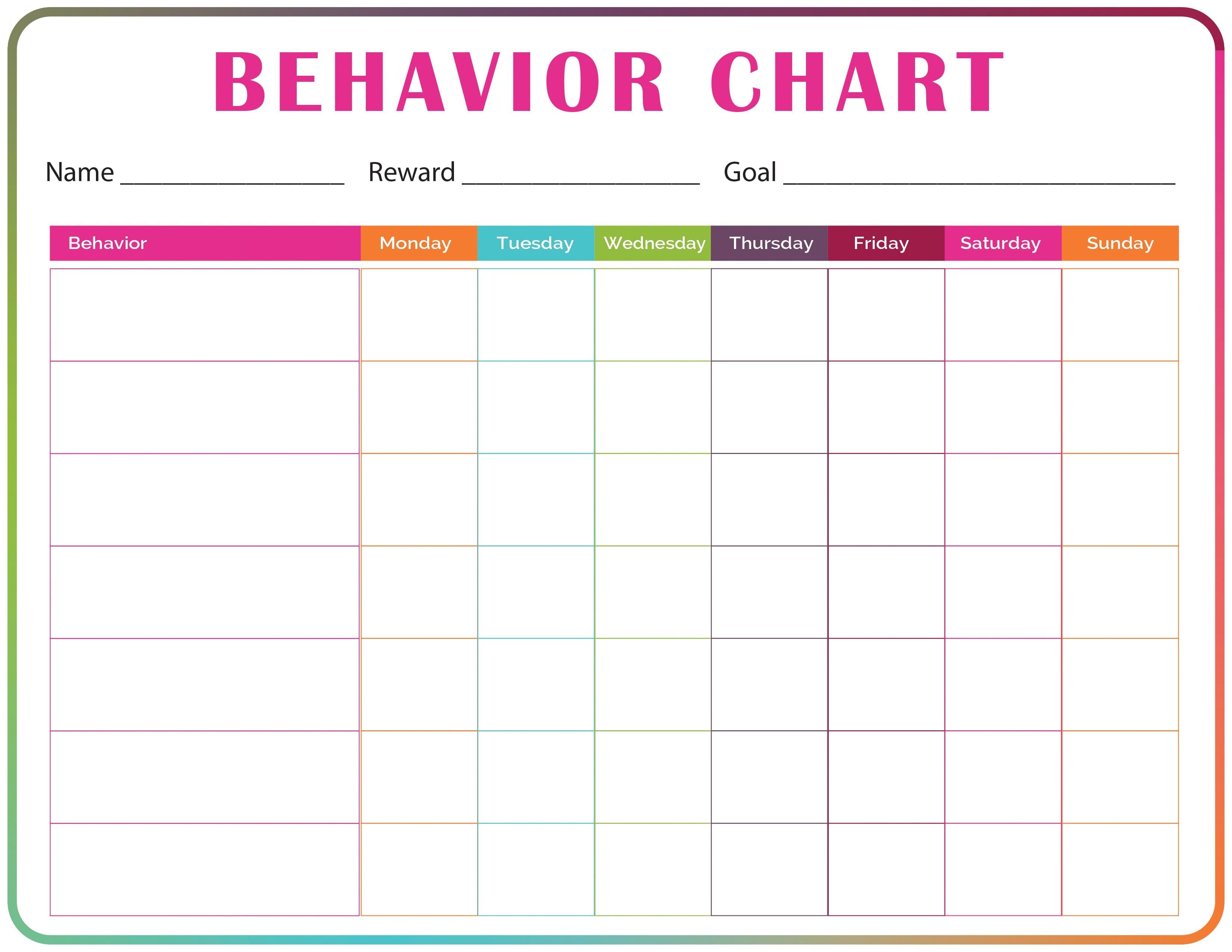
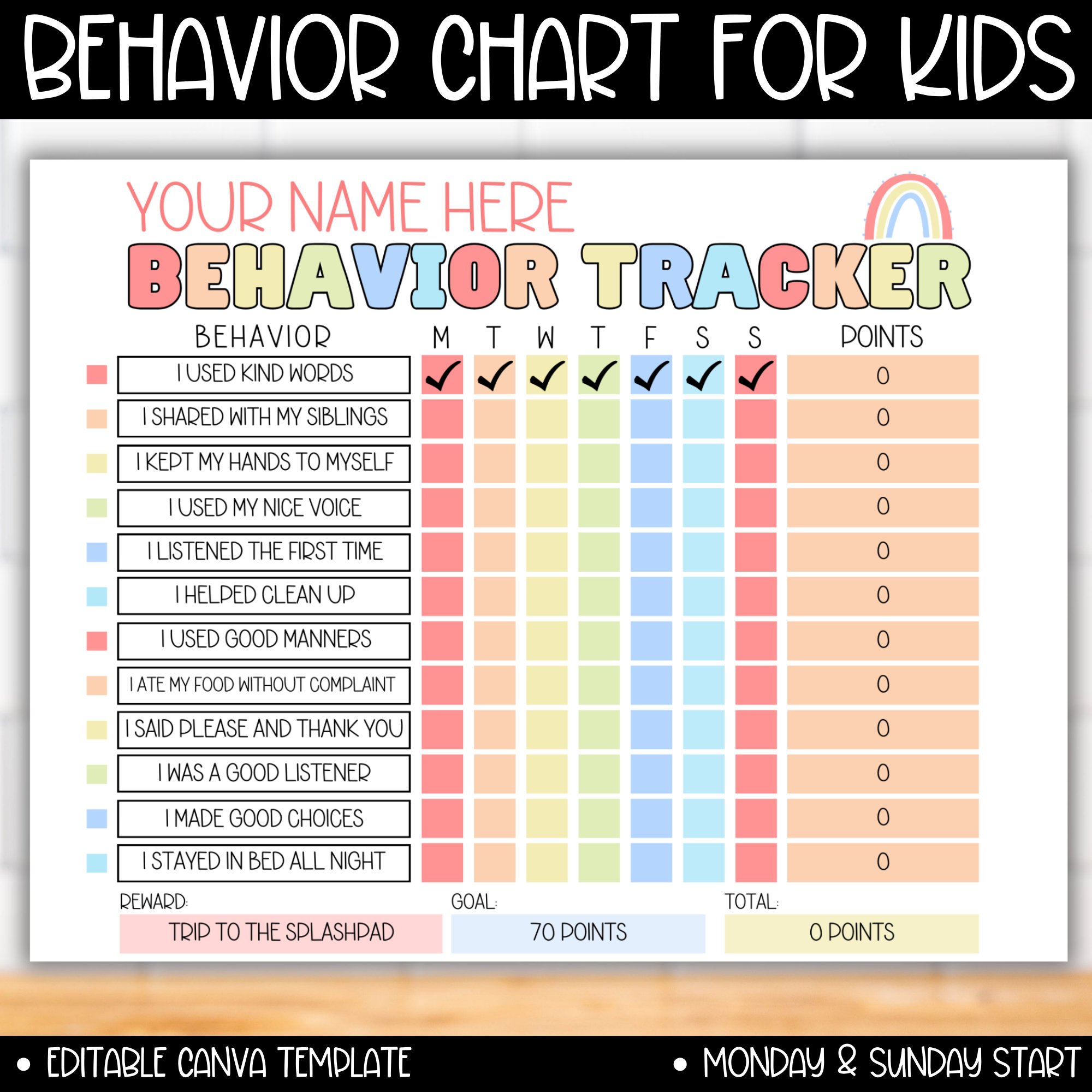
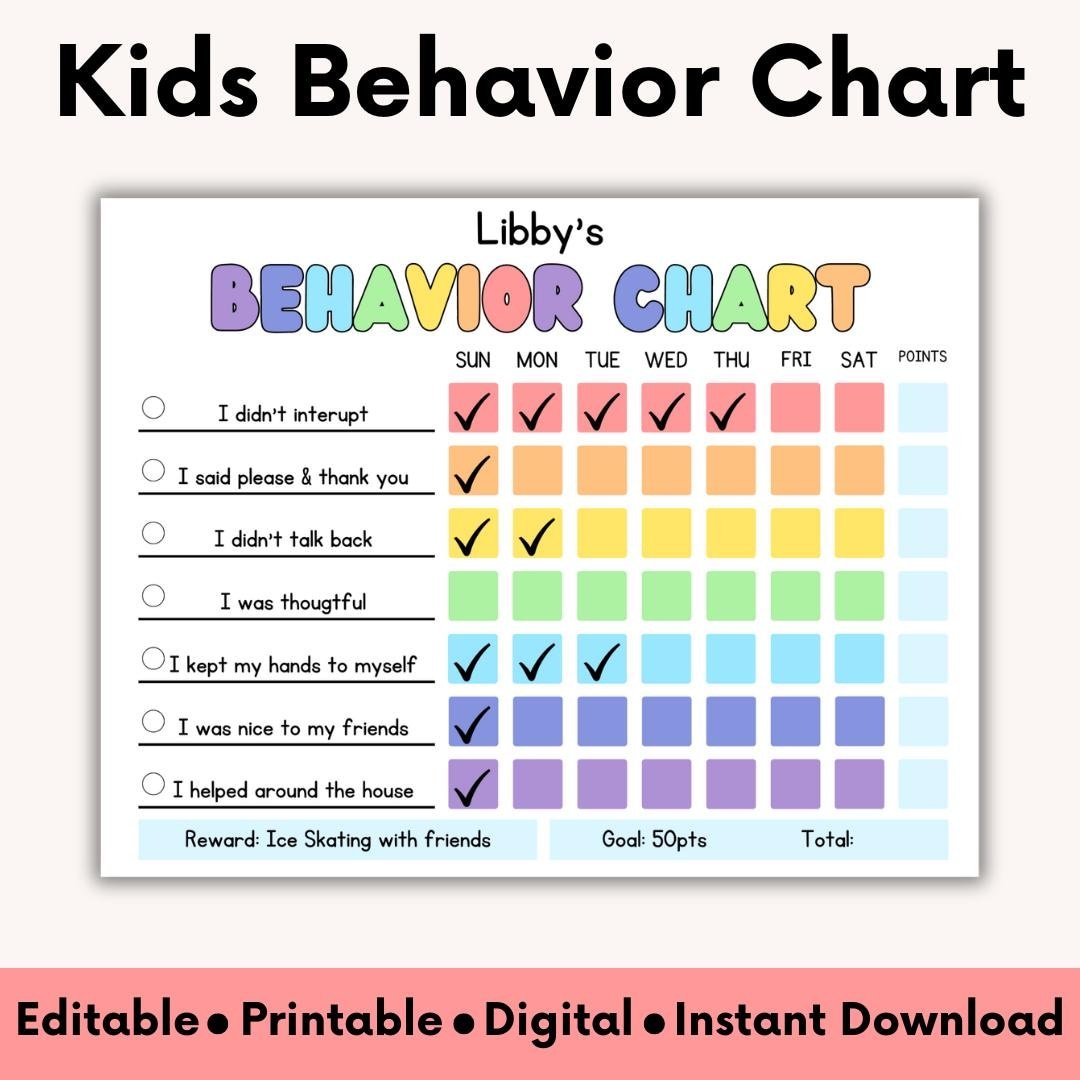
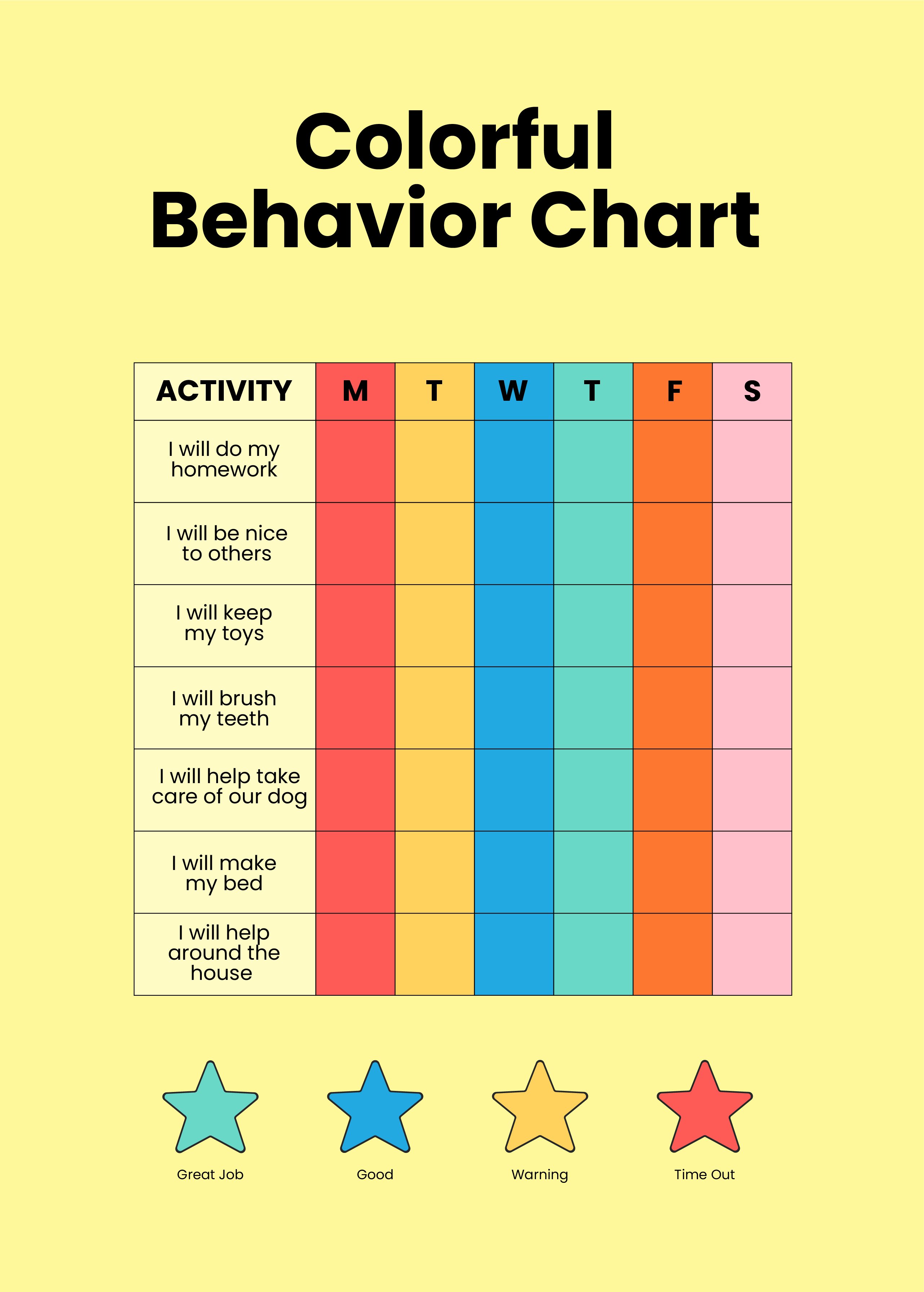
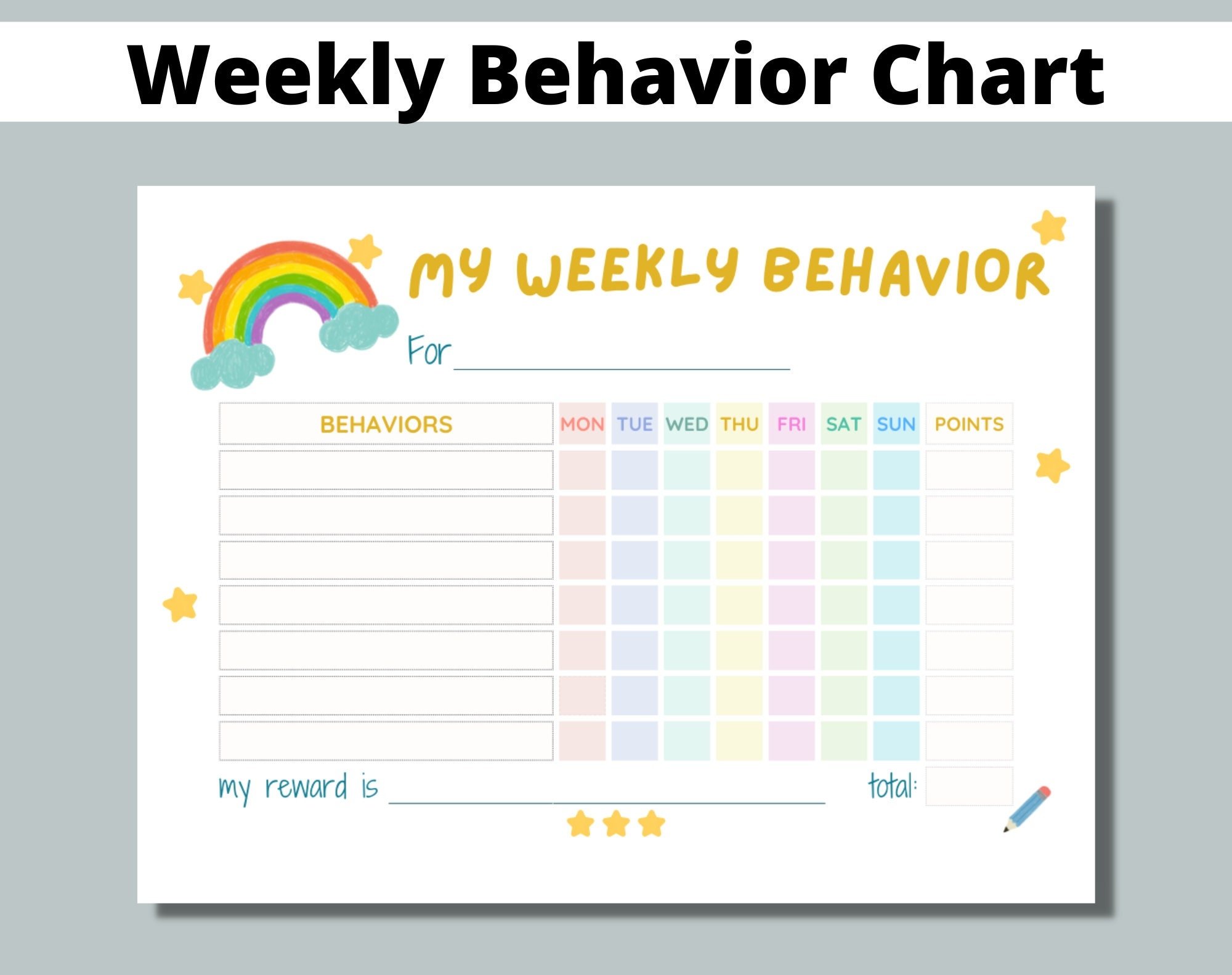
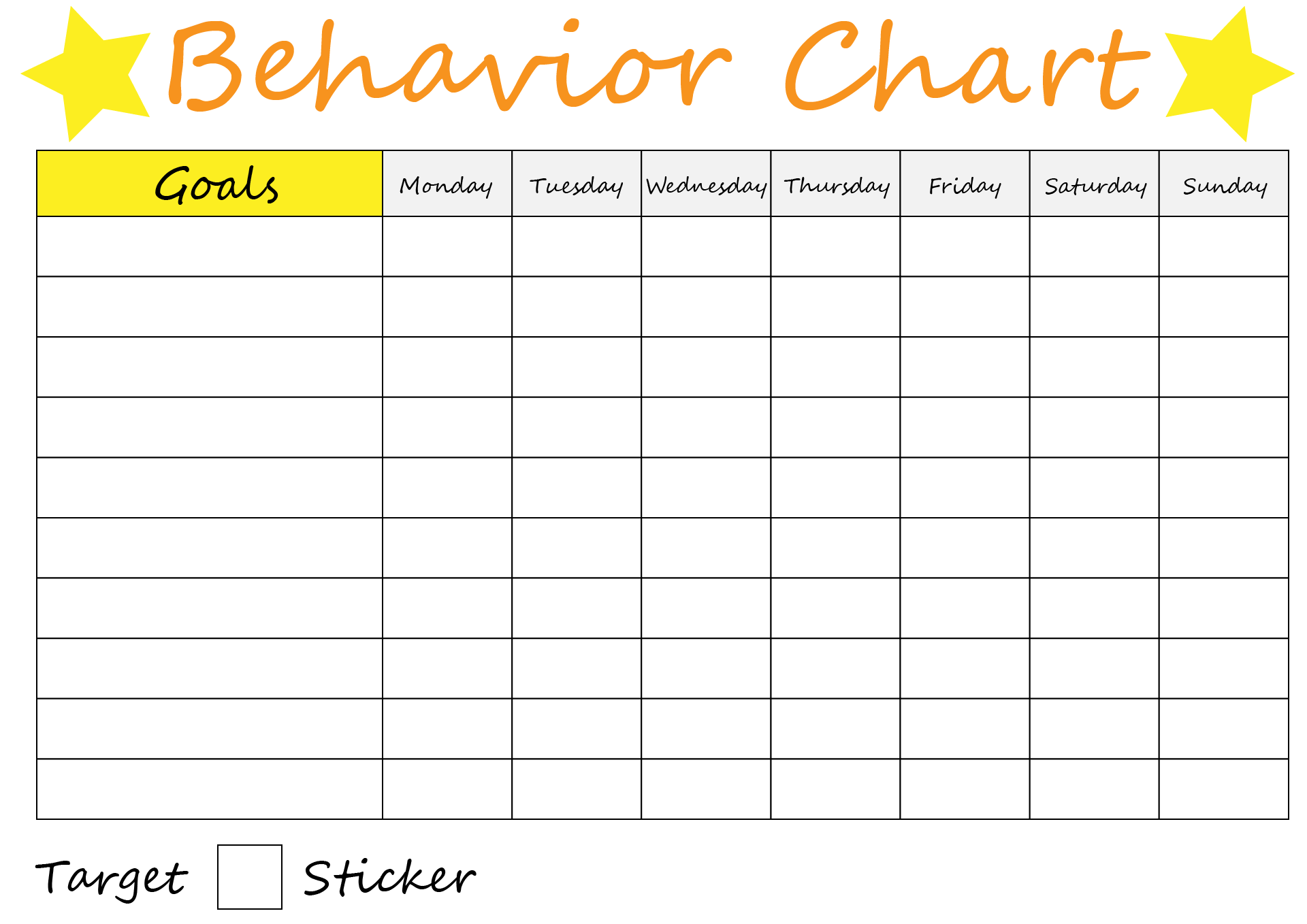
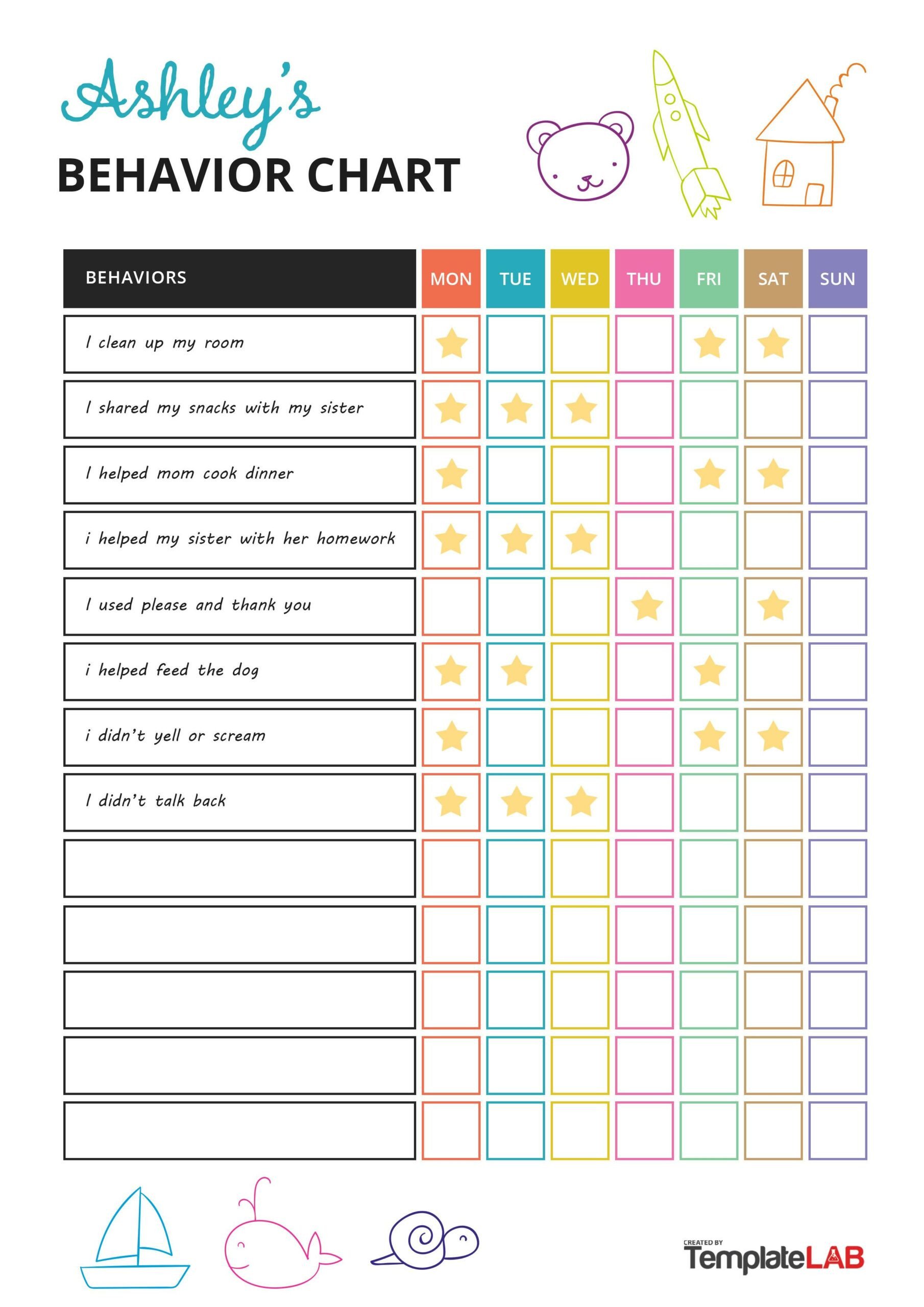
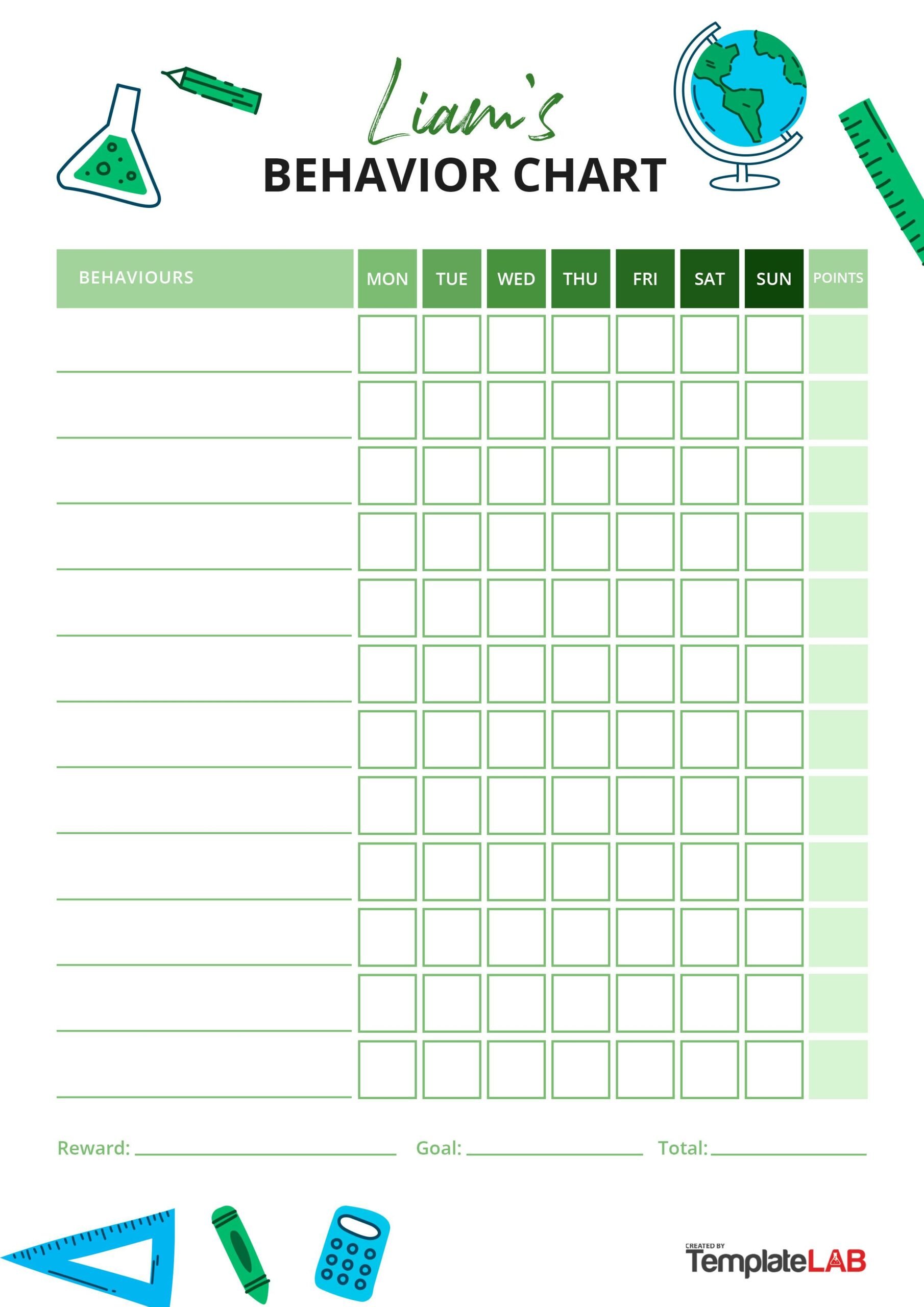
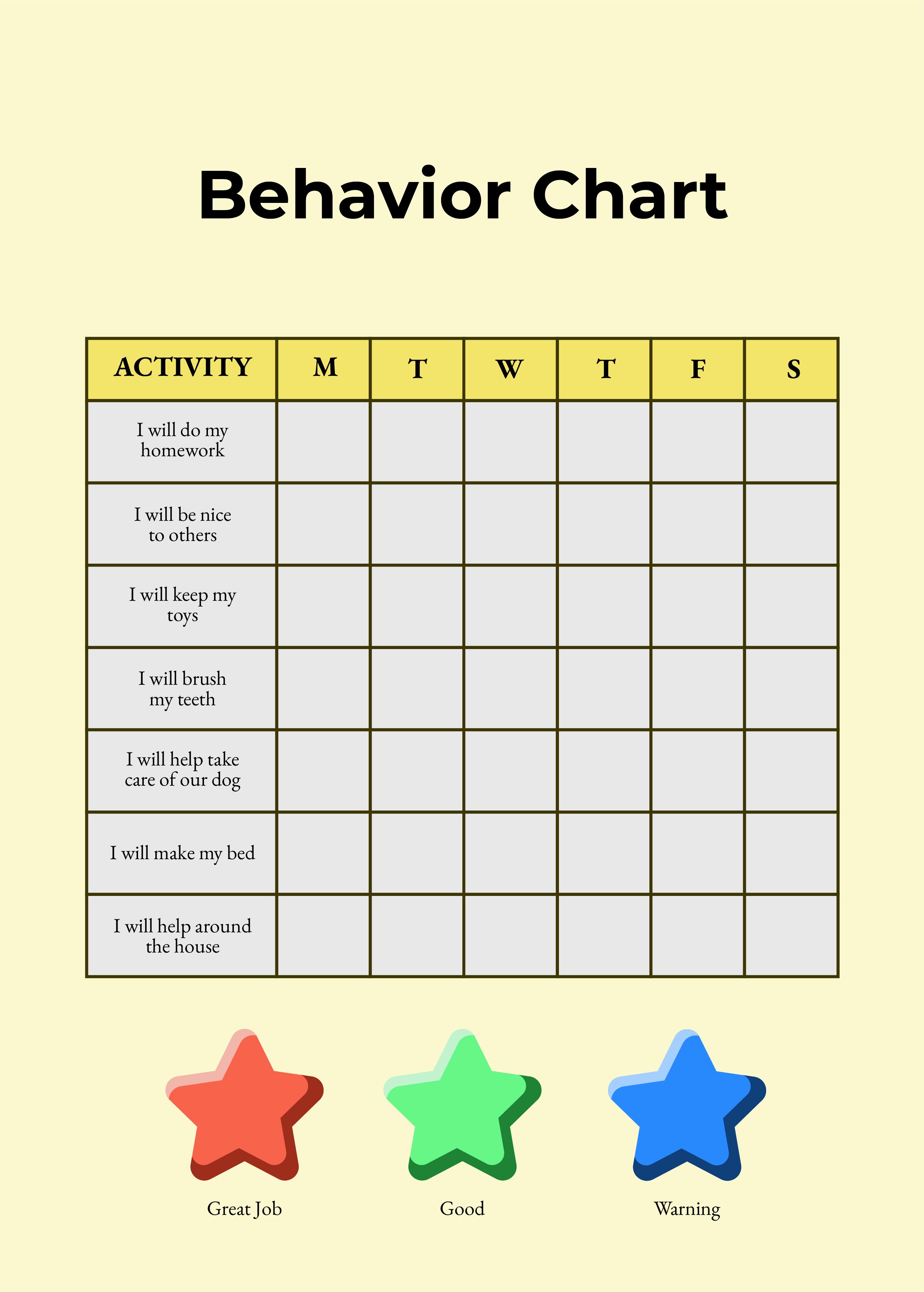
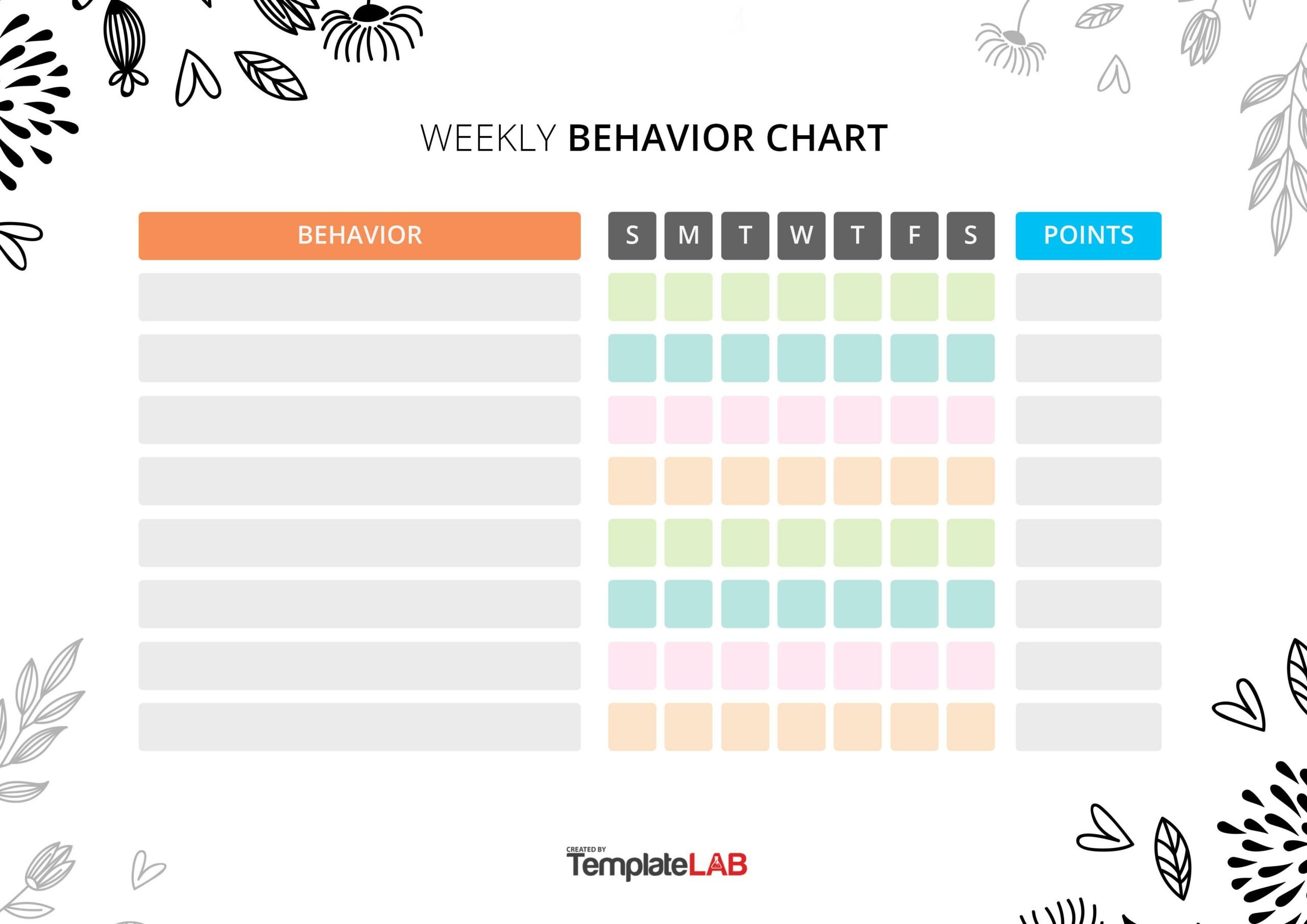
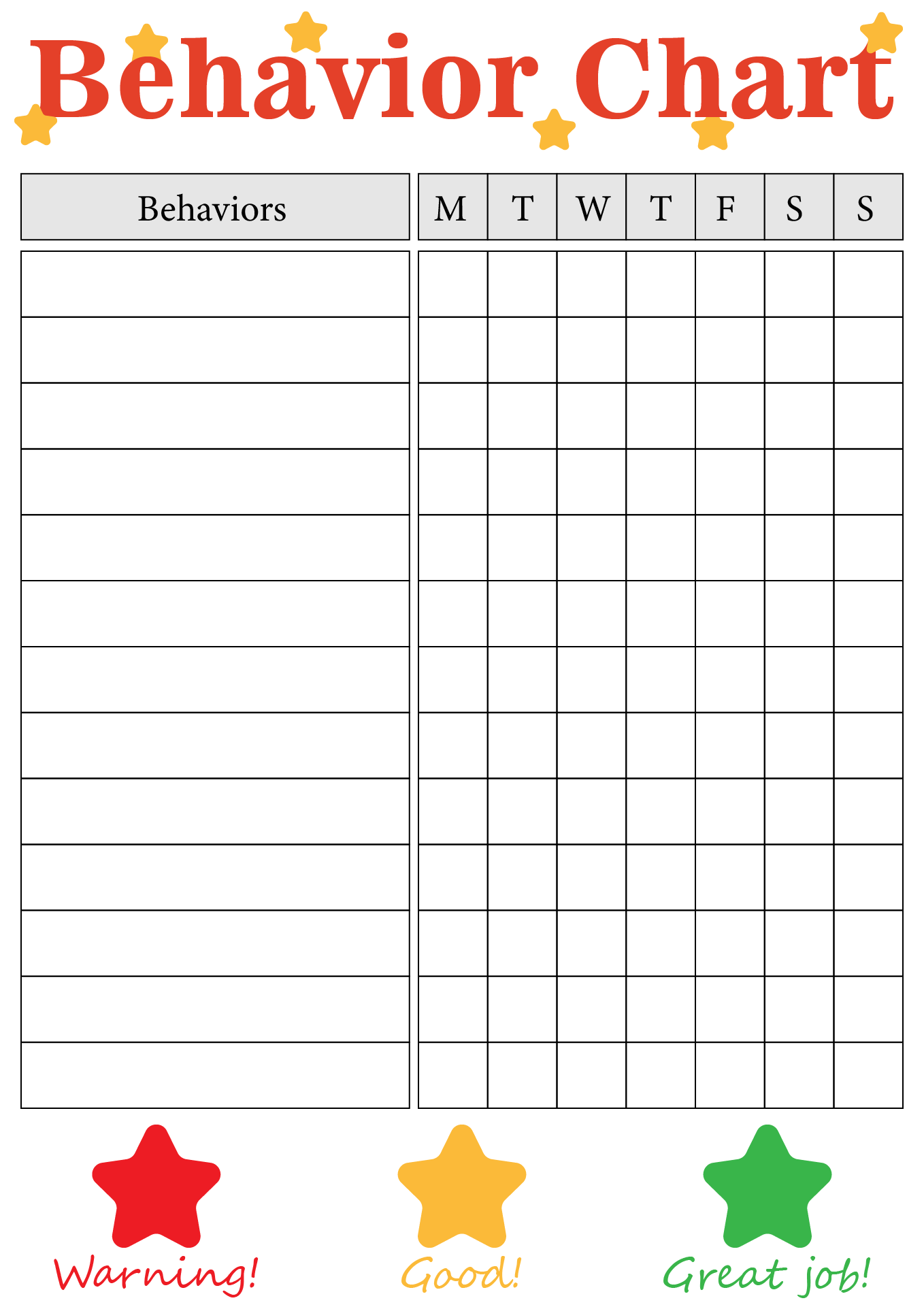
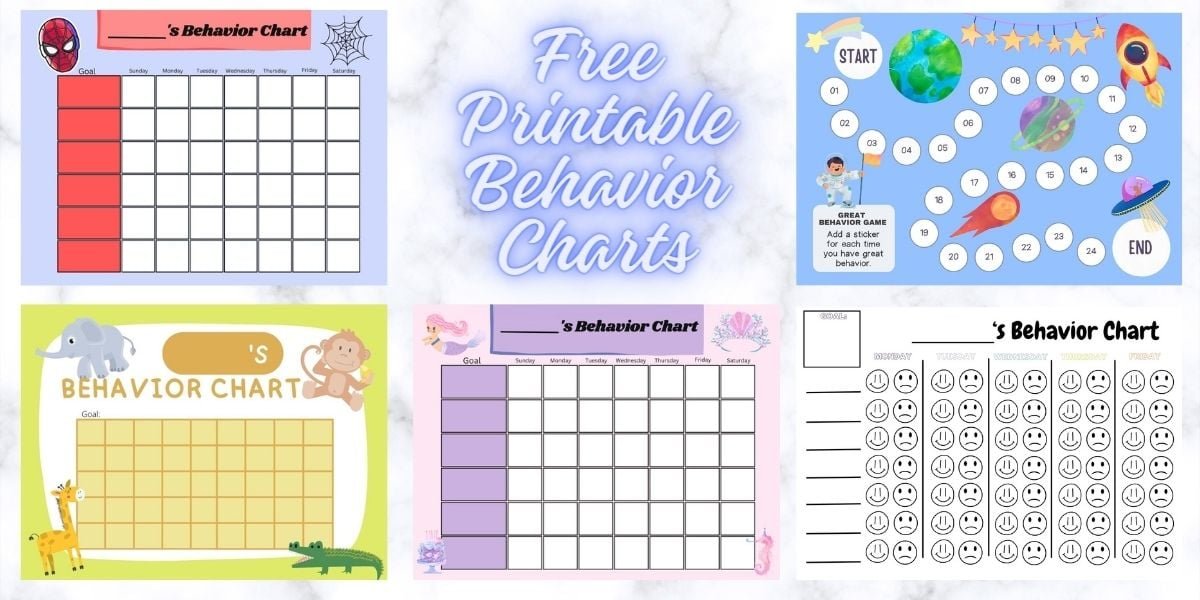
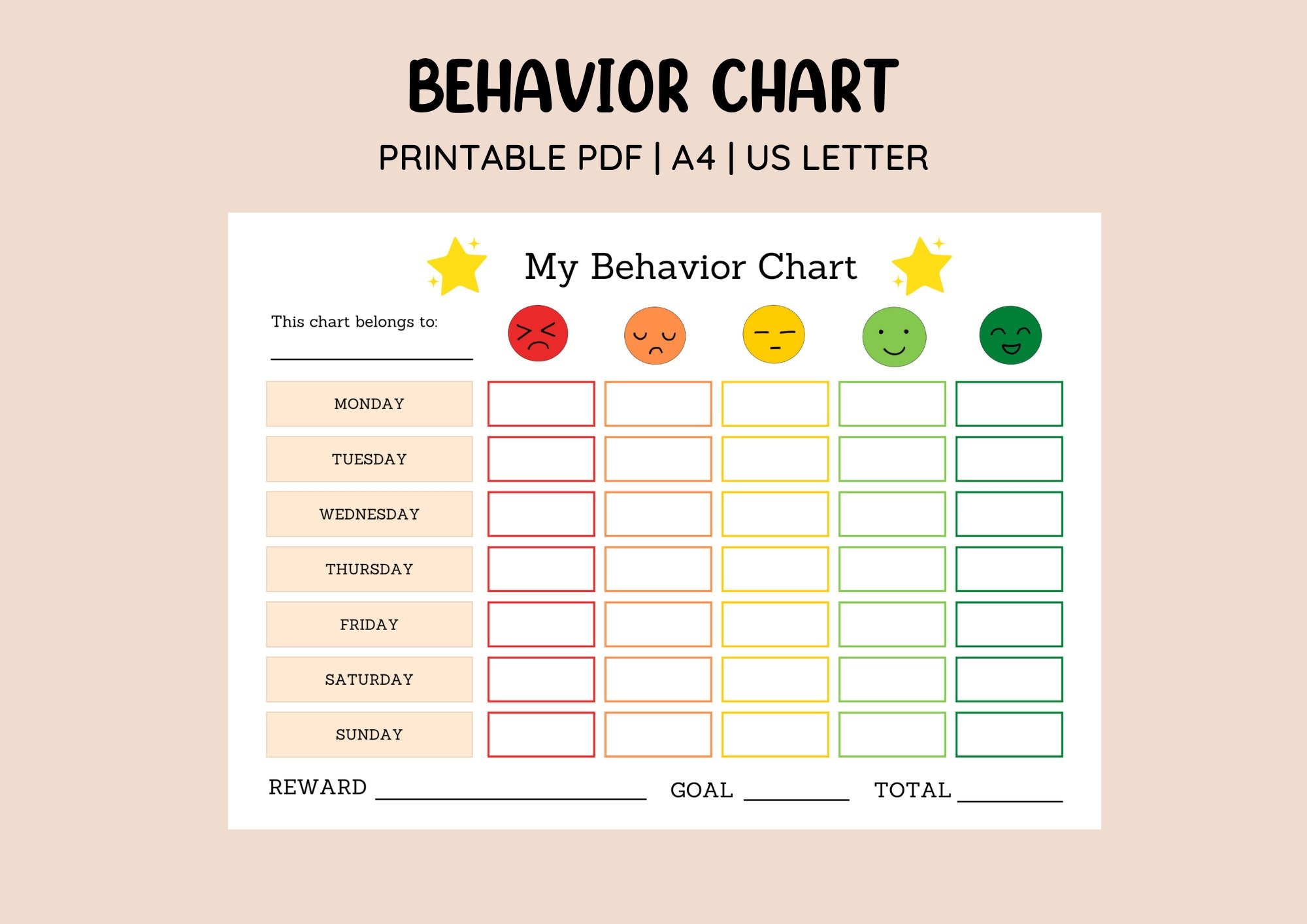
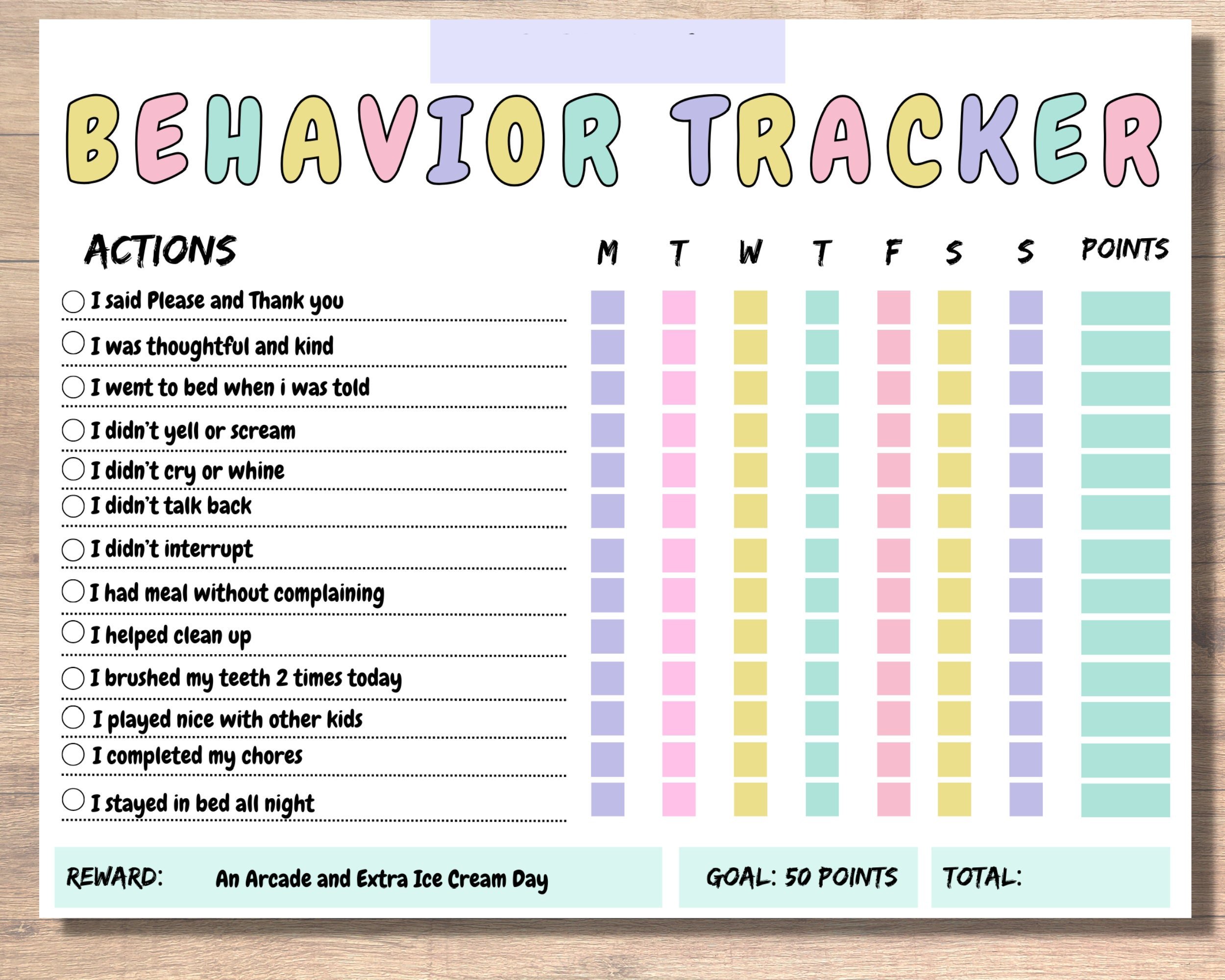
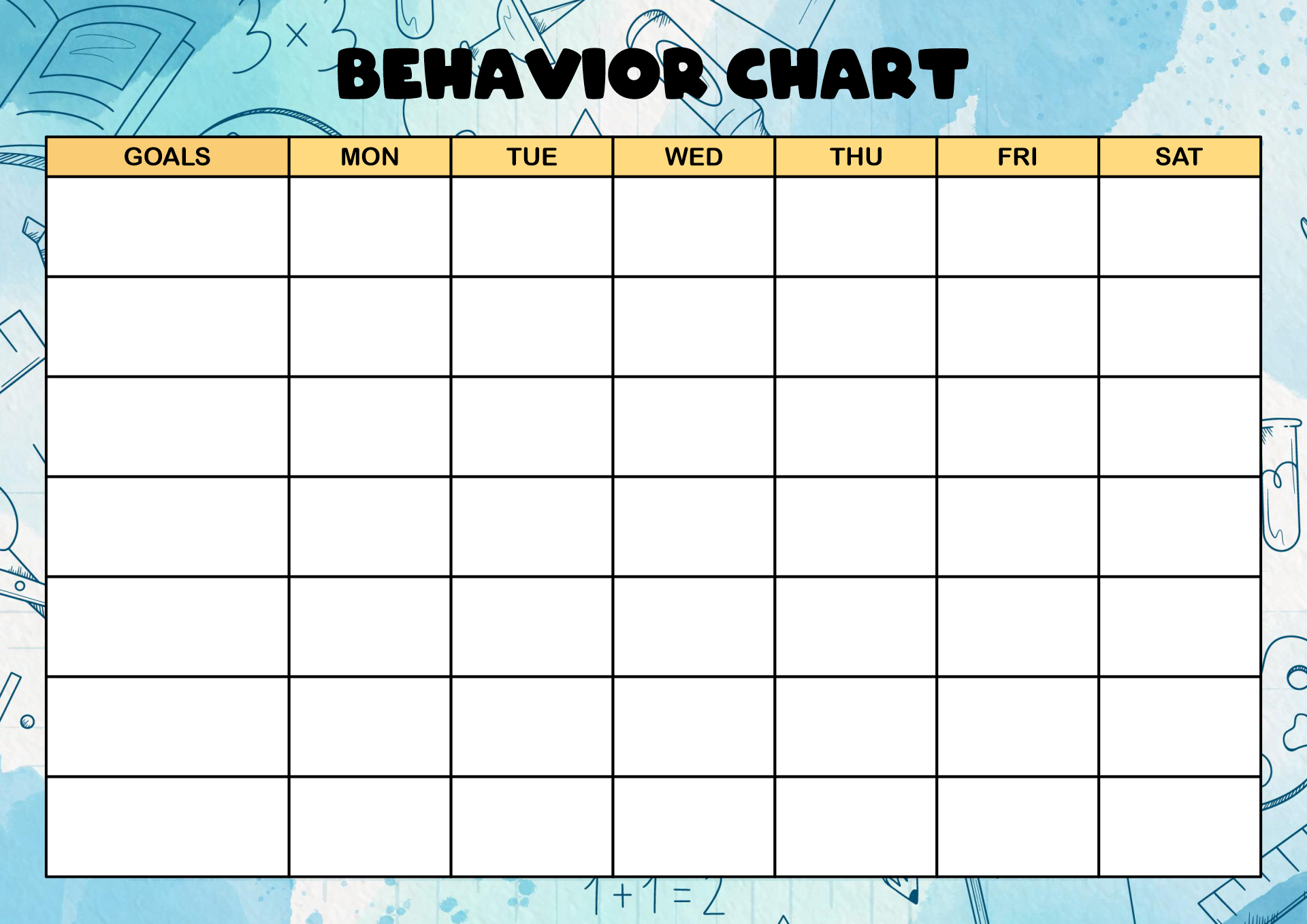
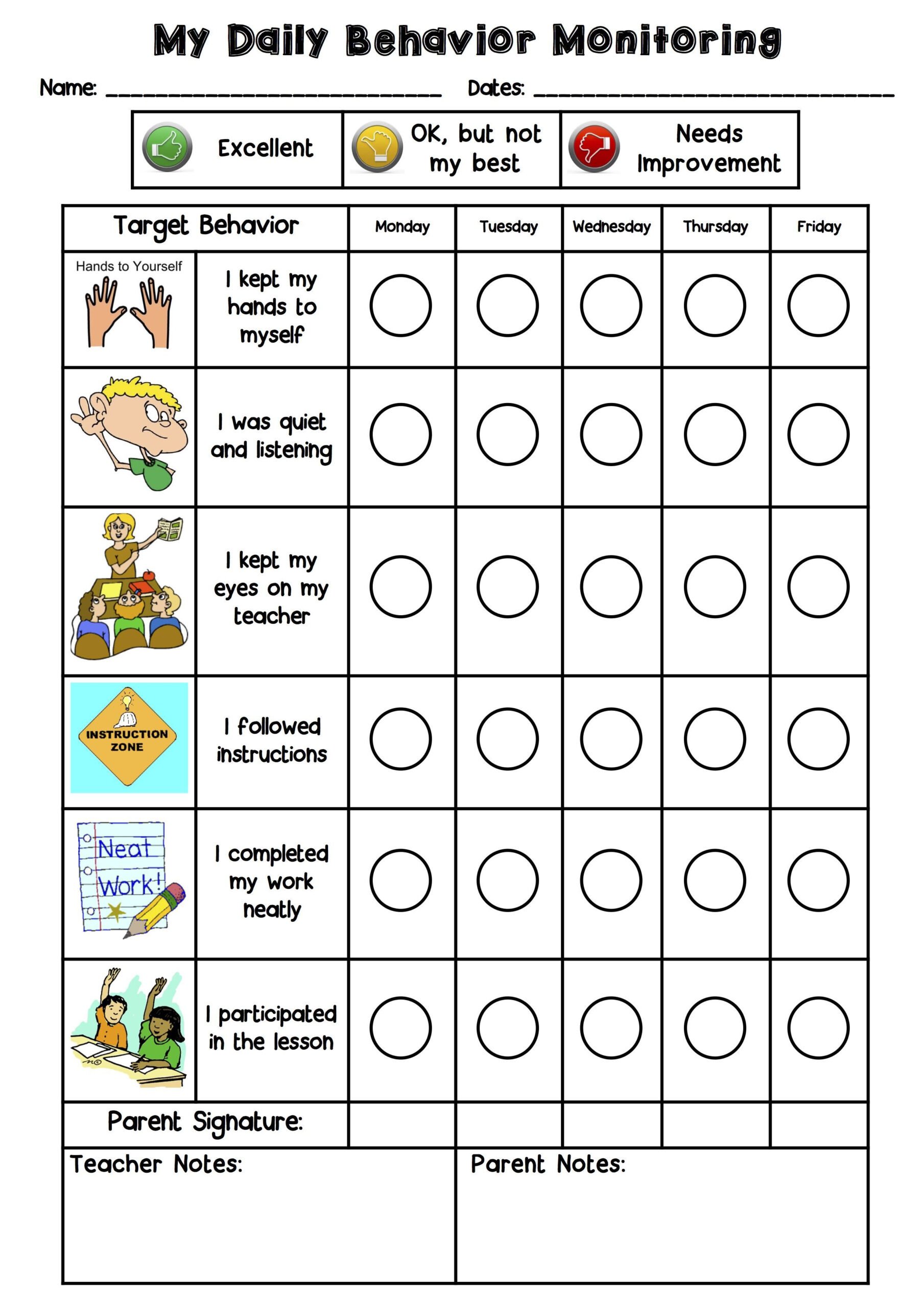
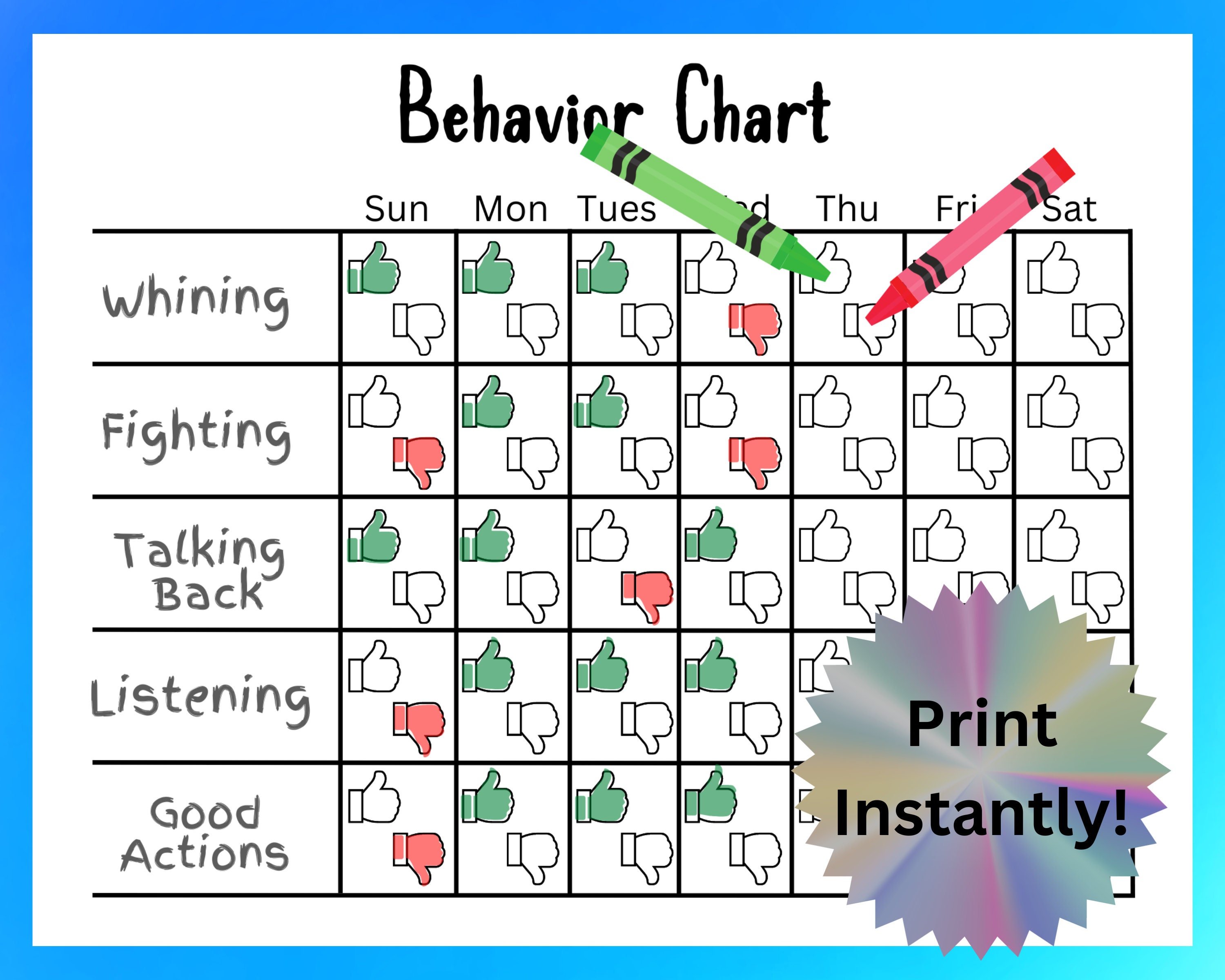
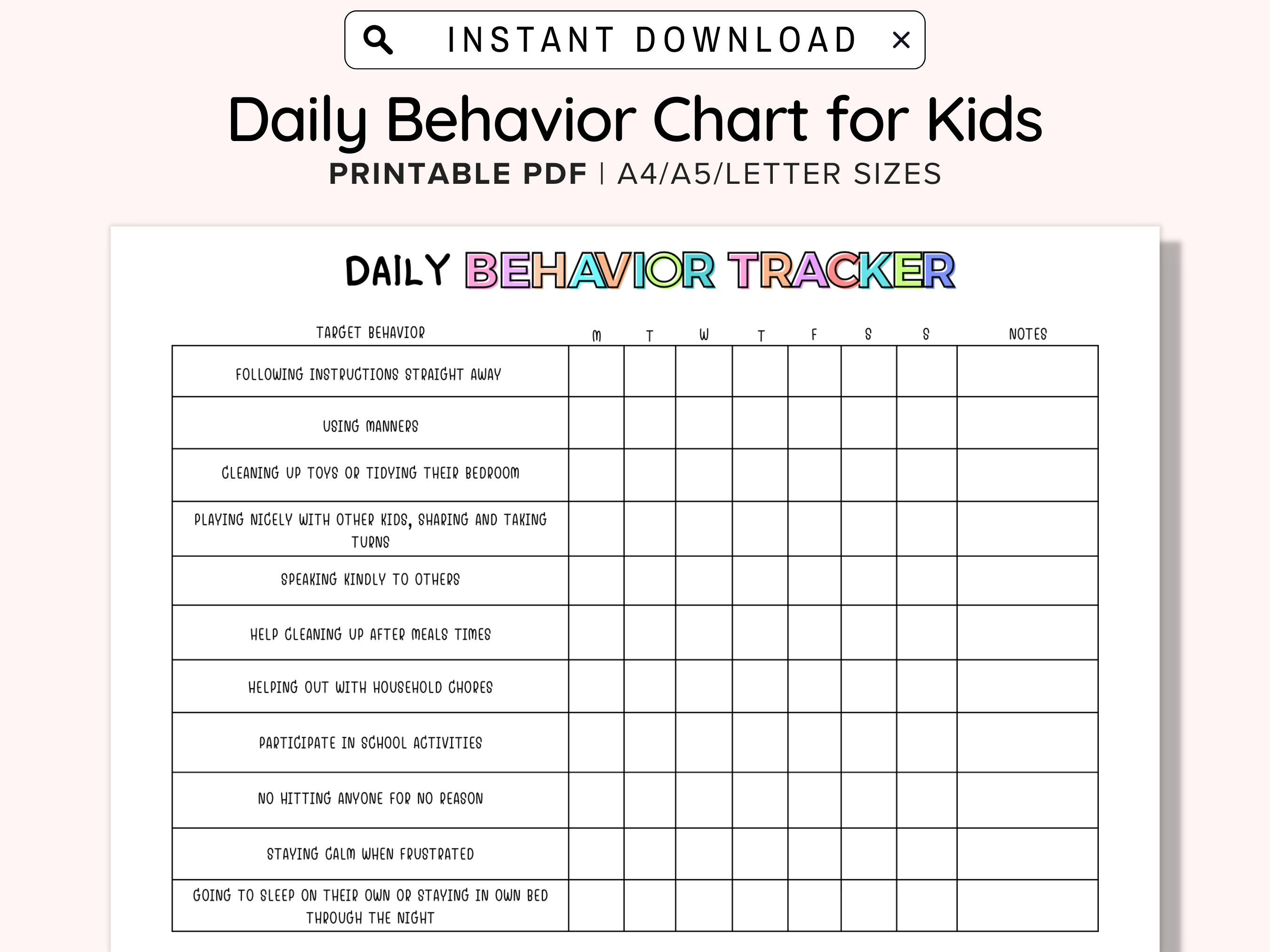
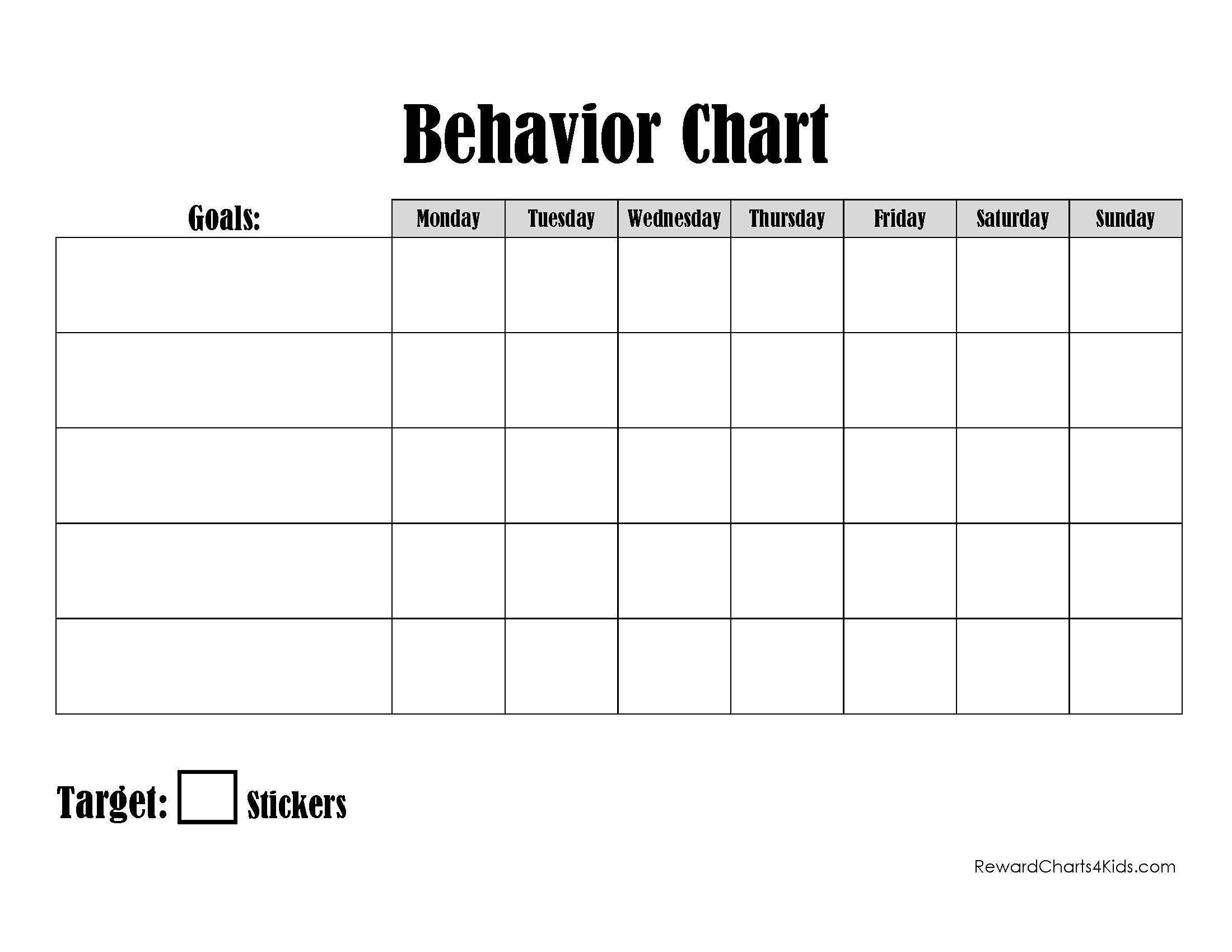
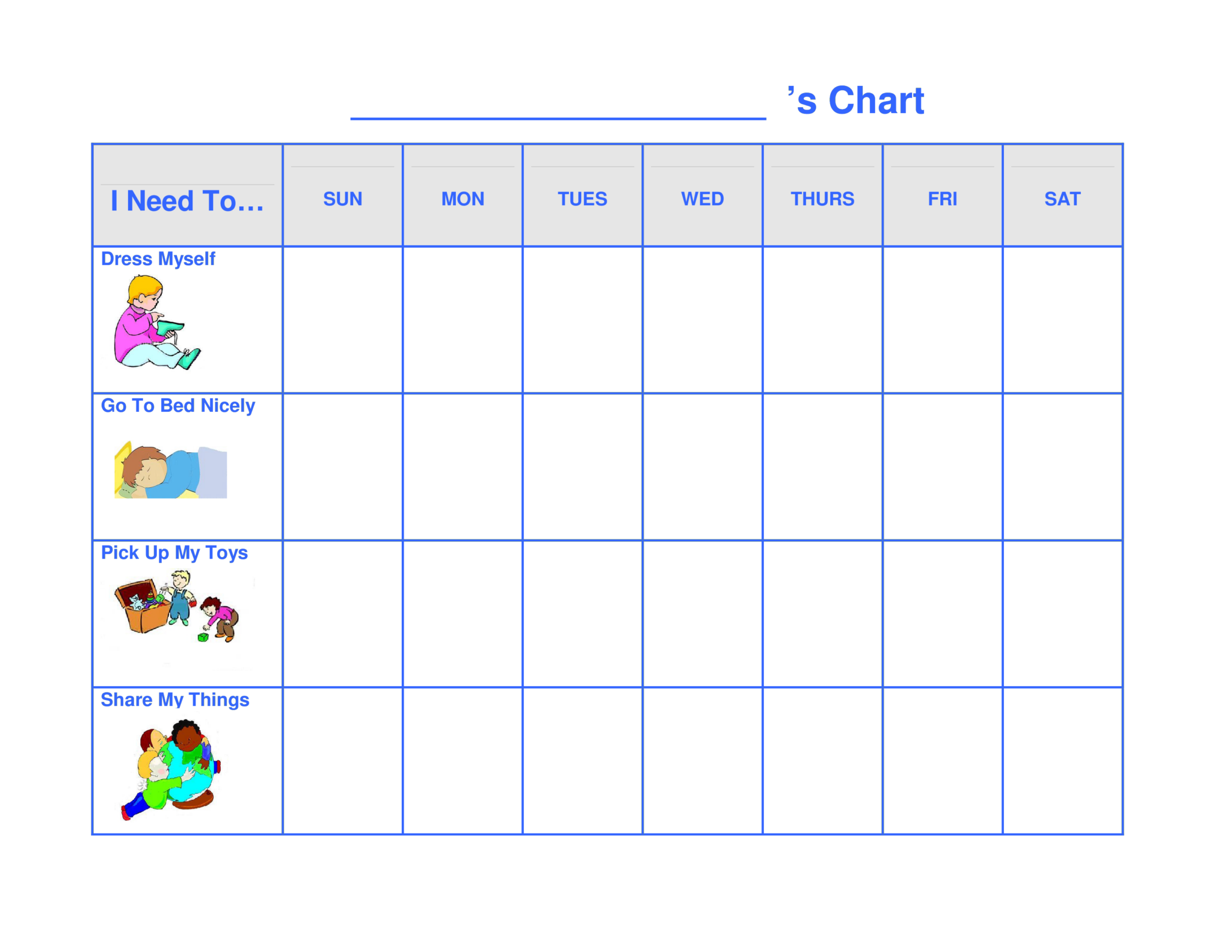
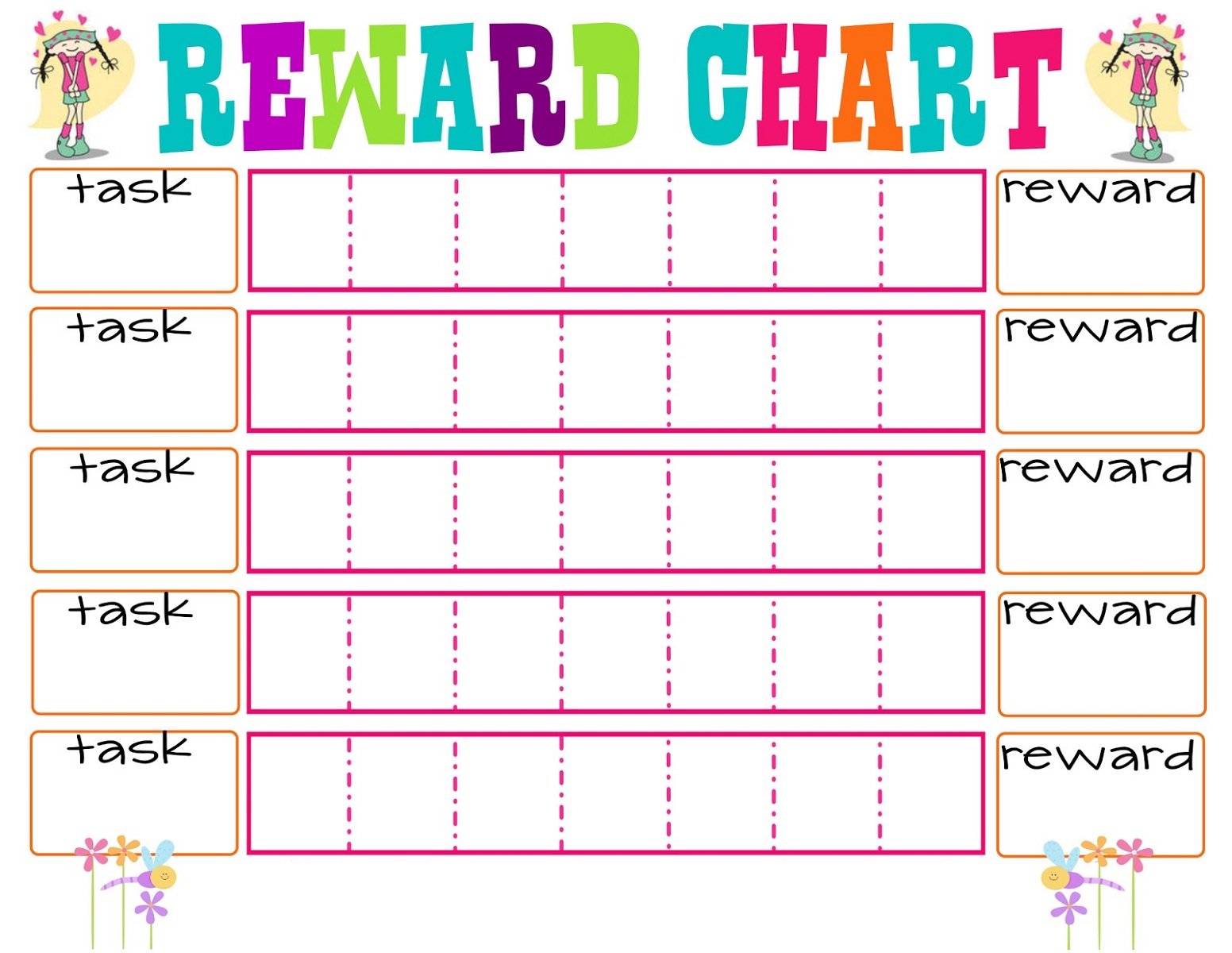
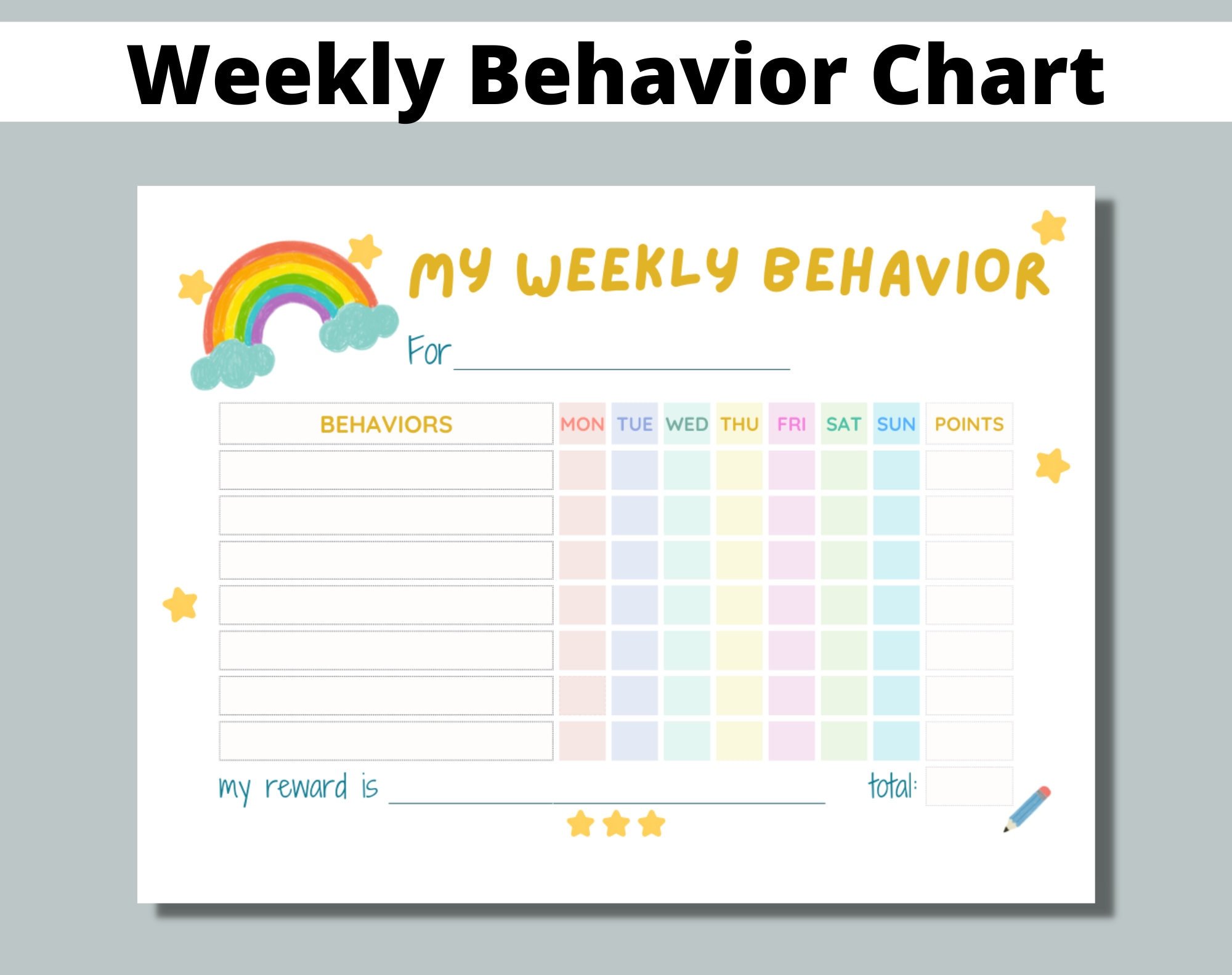
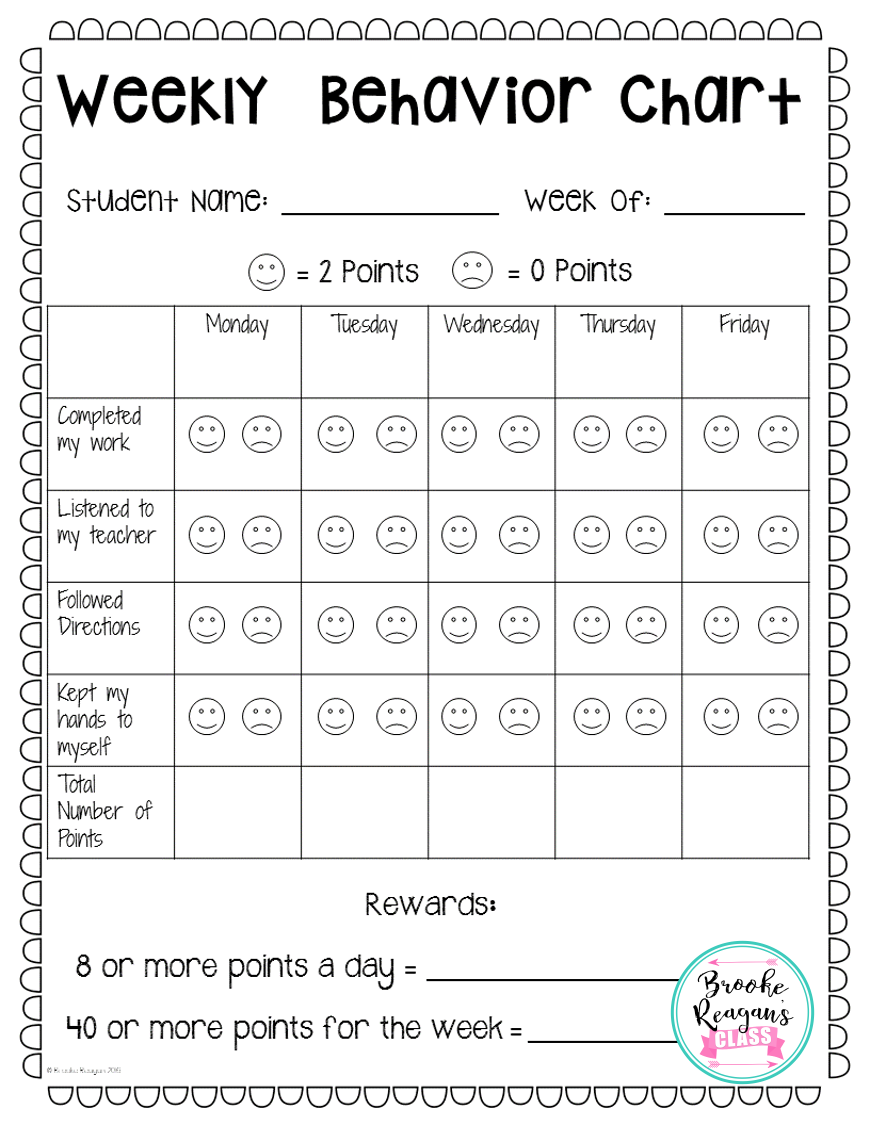
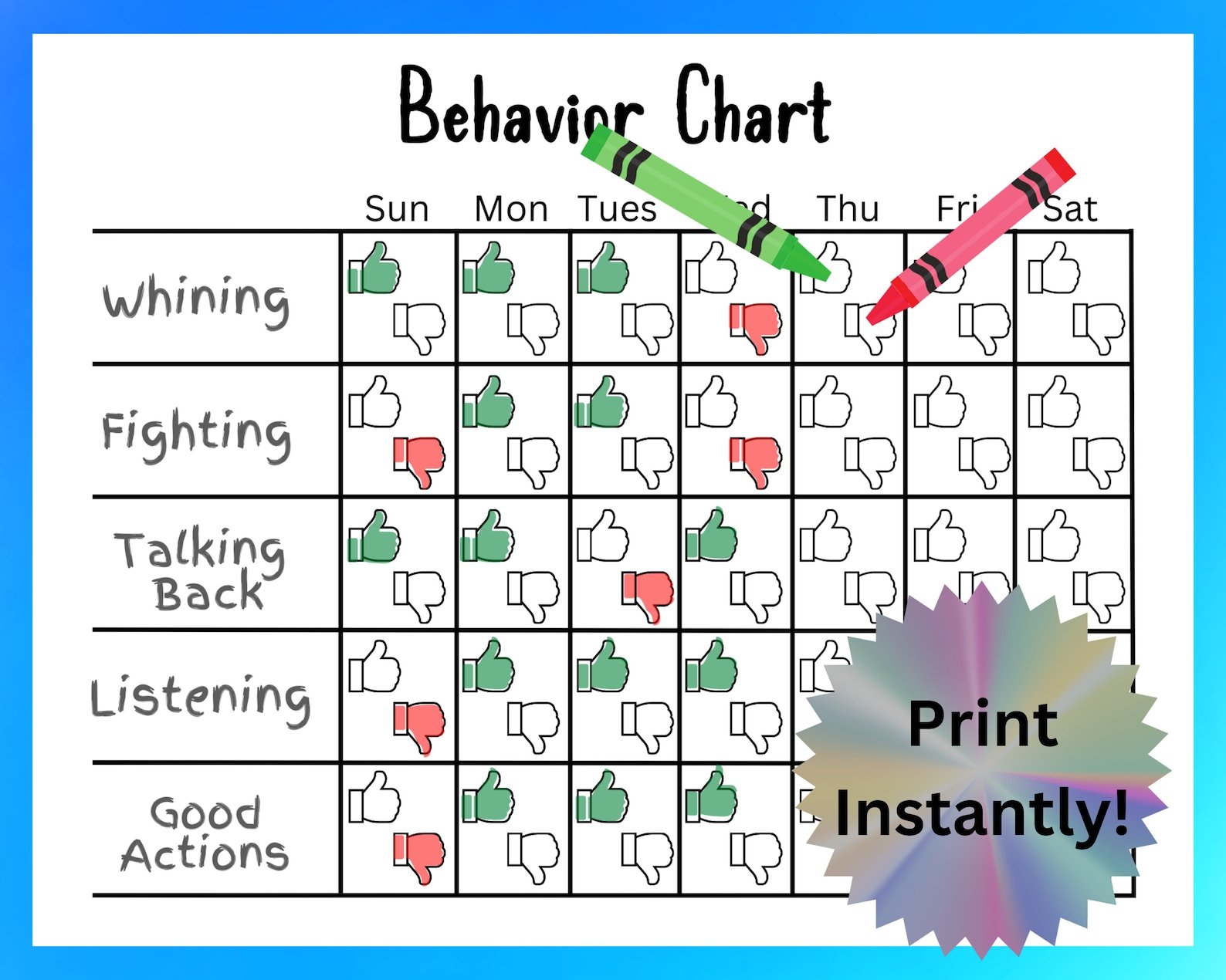
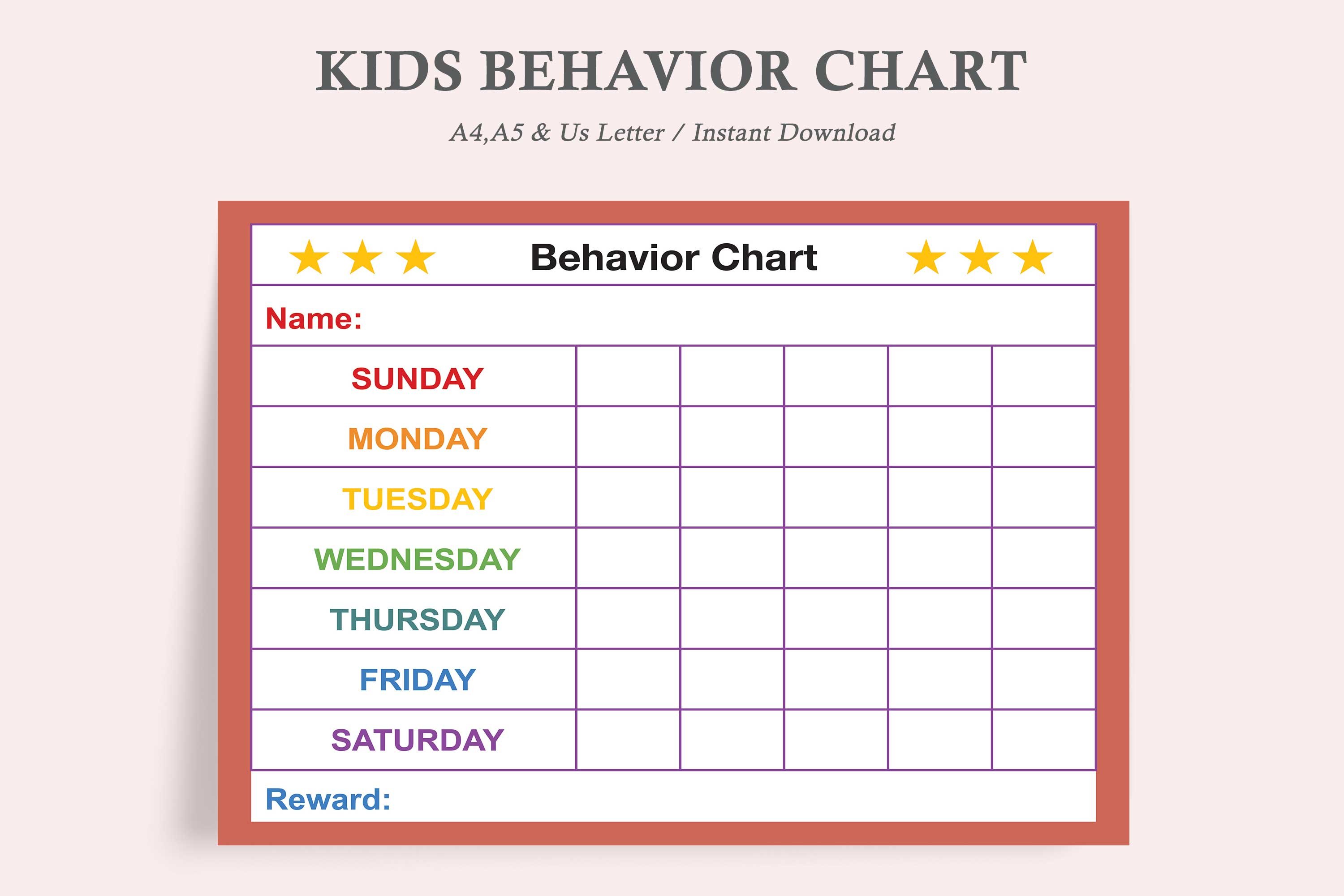
A behavior chart printable is a valuable tool for parents and educators, offering a visual and engaging way to track and encourage positive behavior in children. These charts provide a structured approach to behavior management, making them a popular choice for fostering good habits and addressing specific behavioral goals.
Popular Options and Variations
- Chore Charts: Ideal for teaching responsibility and routine, chore charts list tasks and assign points or stickers for completion.
- Potty Training Charts: Specifically designed to motivate and guide toddlers through the potty training process, offering visual progress tracking.
- Feeling Charts: Help children identify and express their emotions, promoting emotional intelligence and self-awareness.
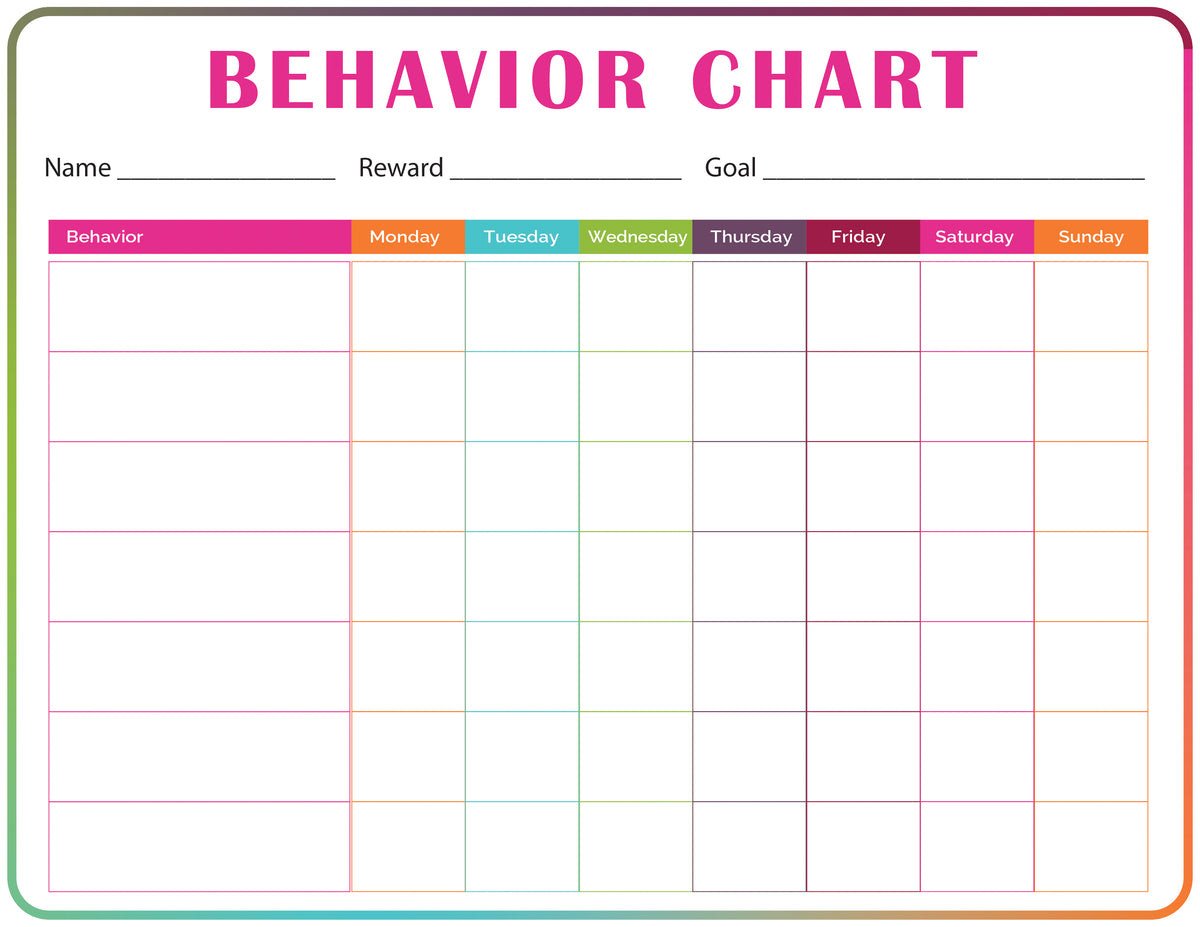
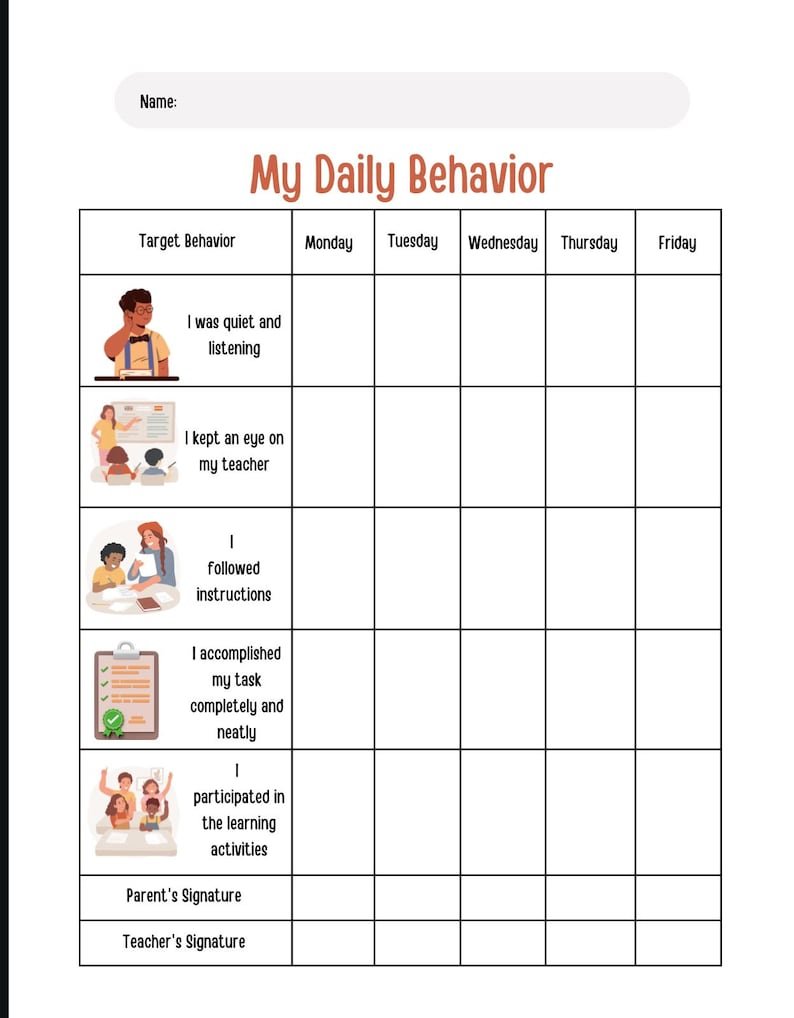
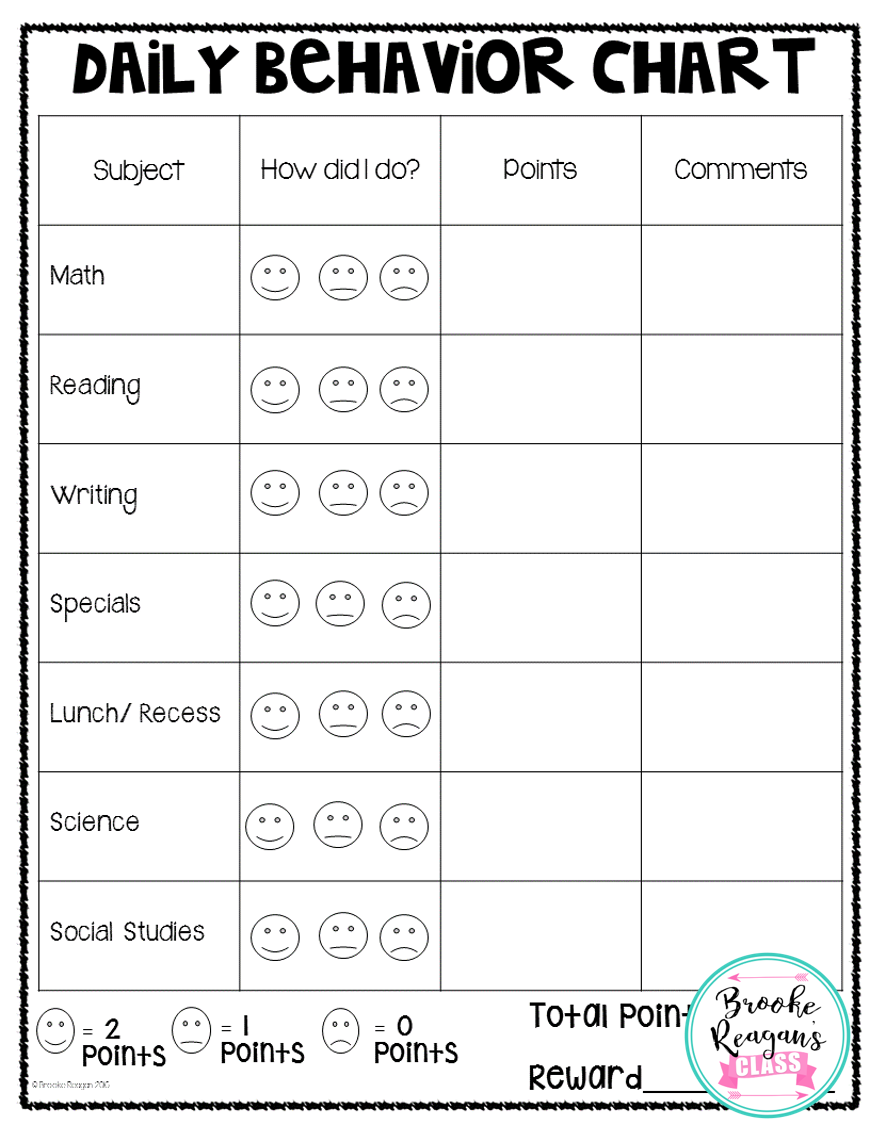
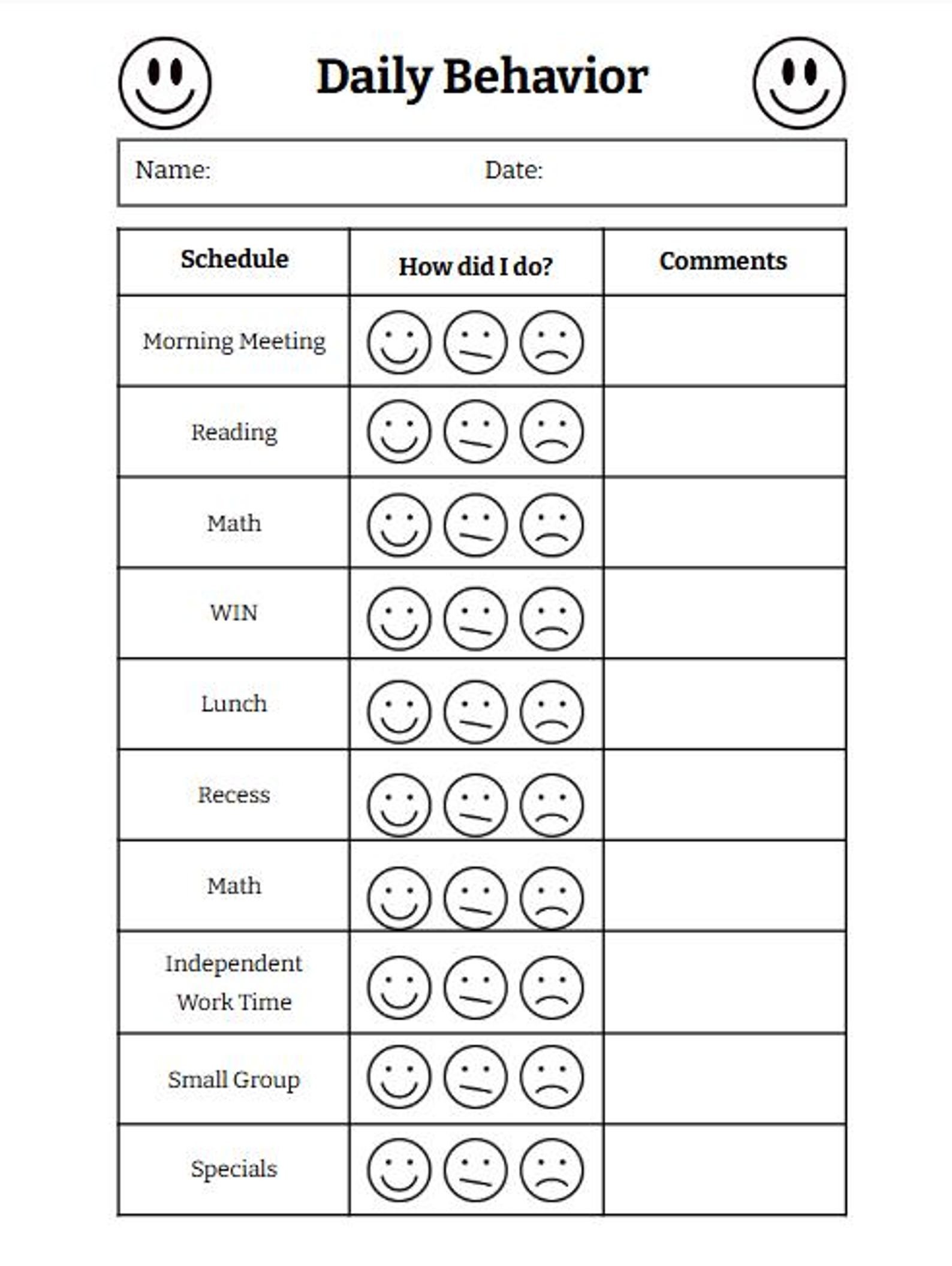
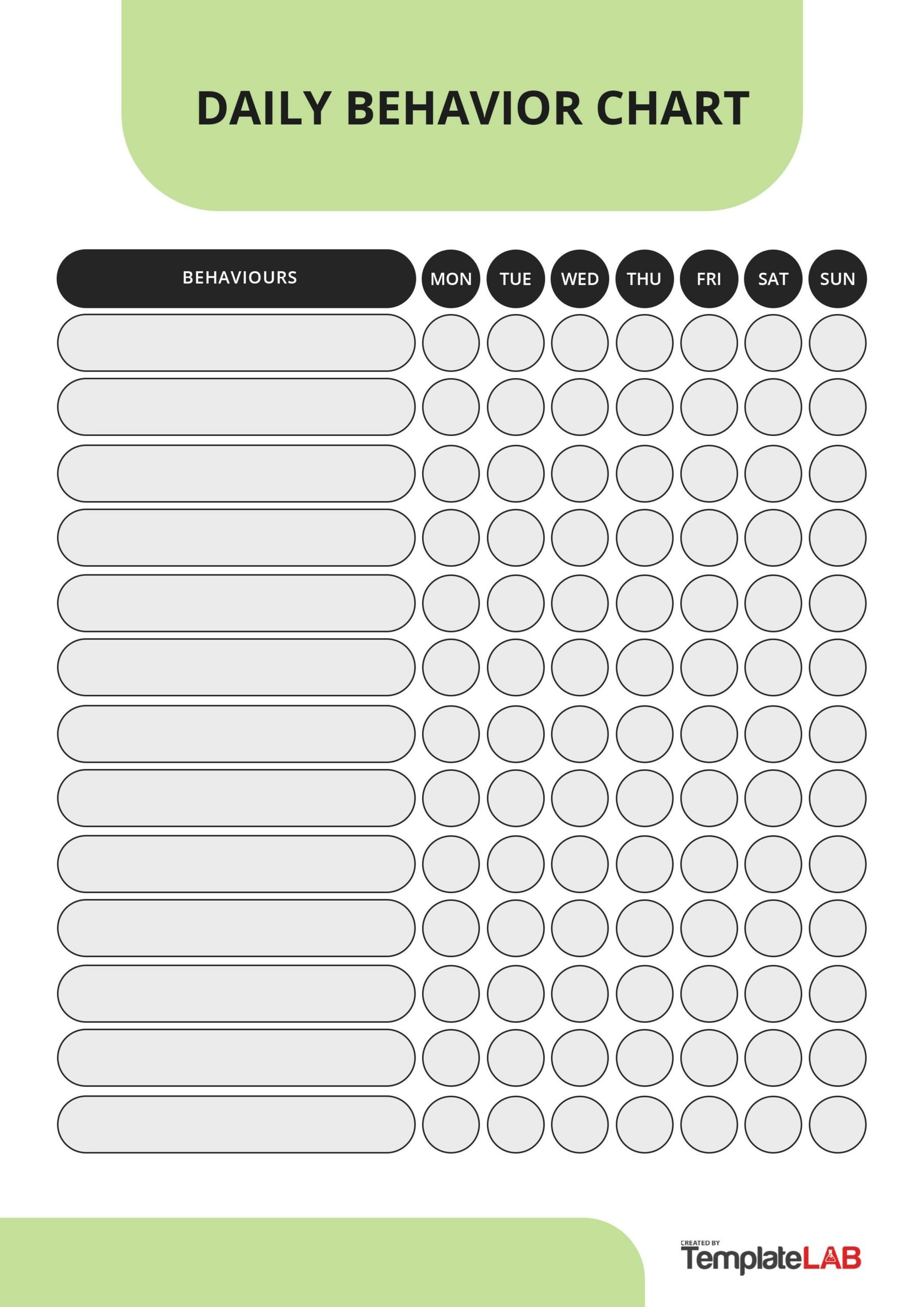
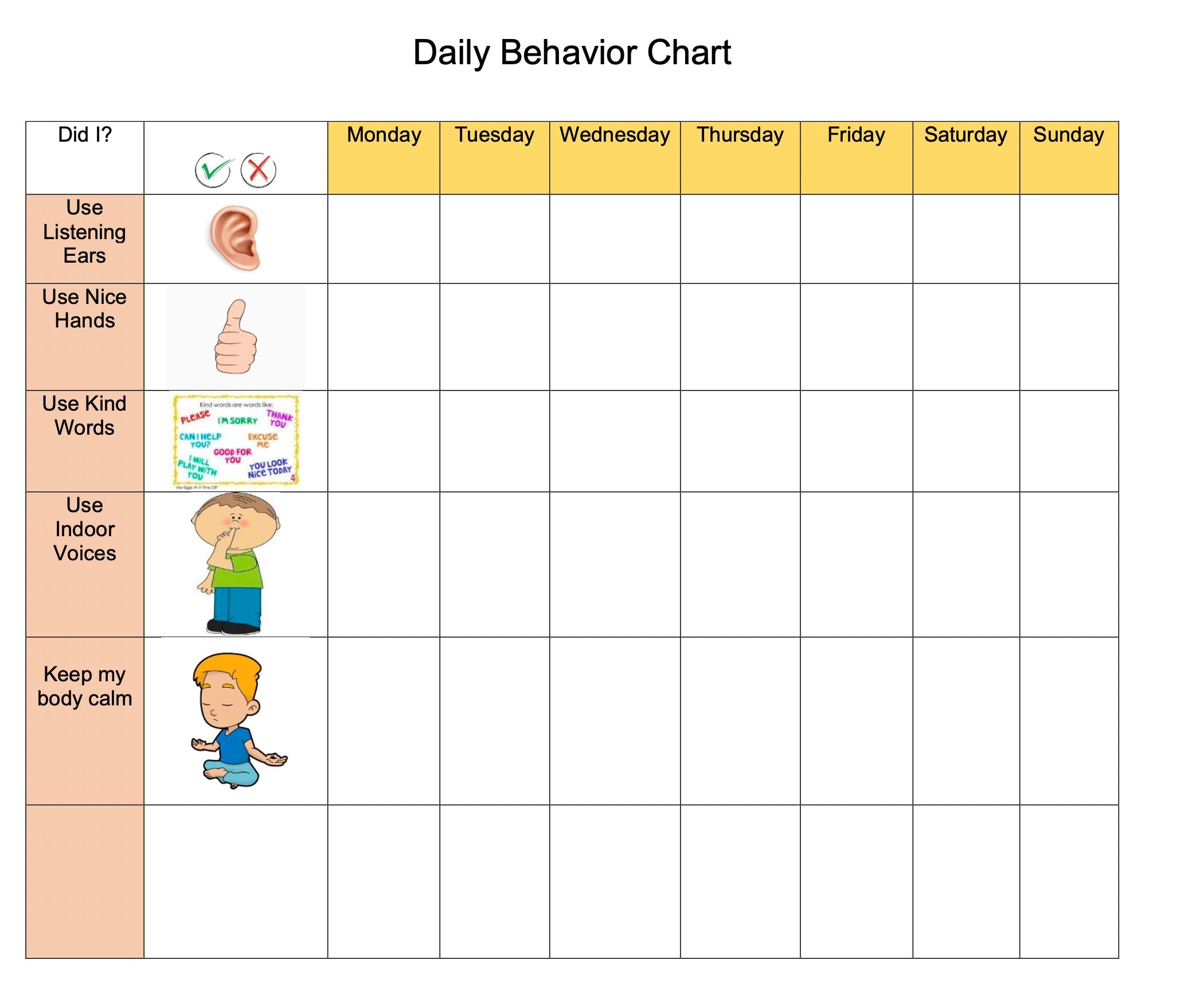
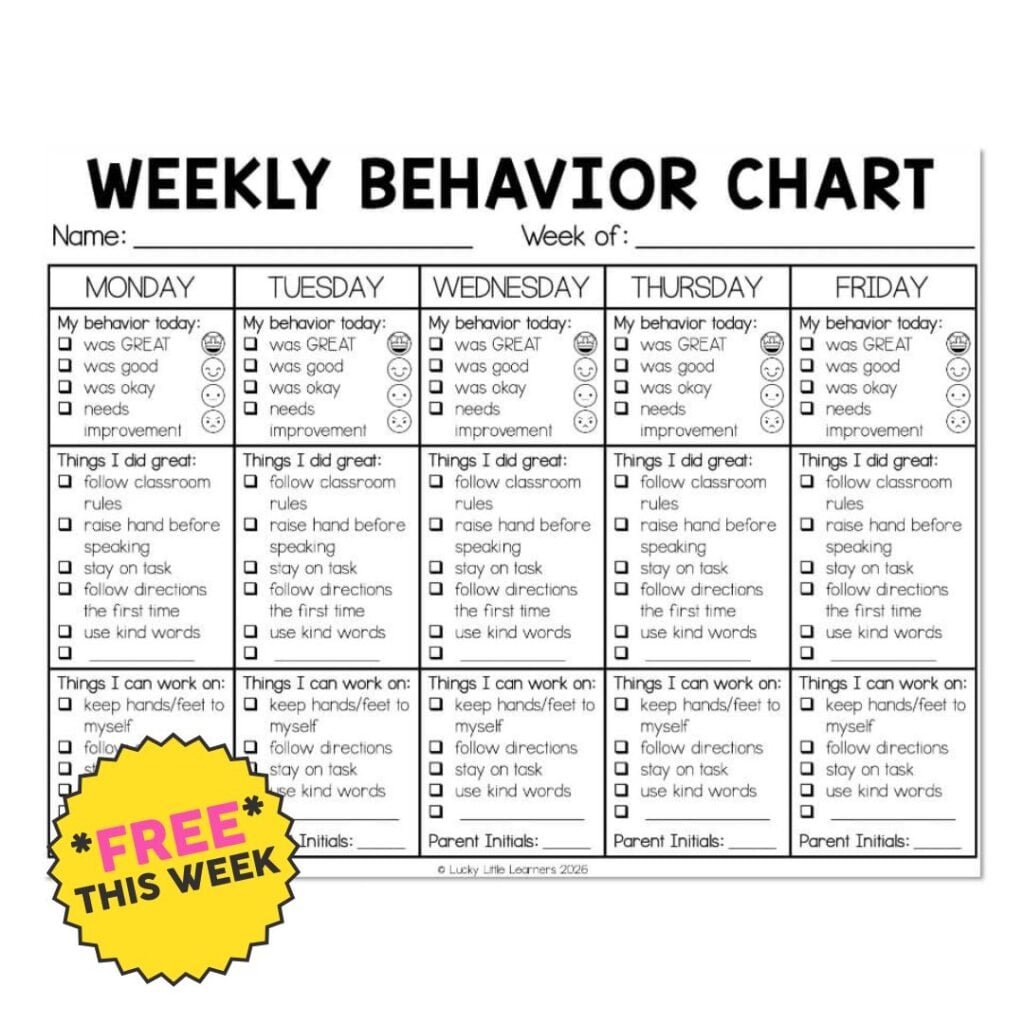
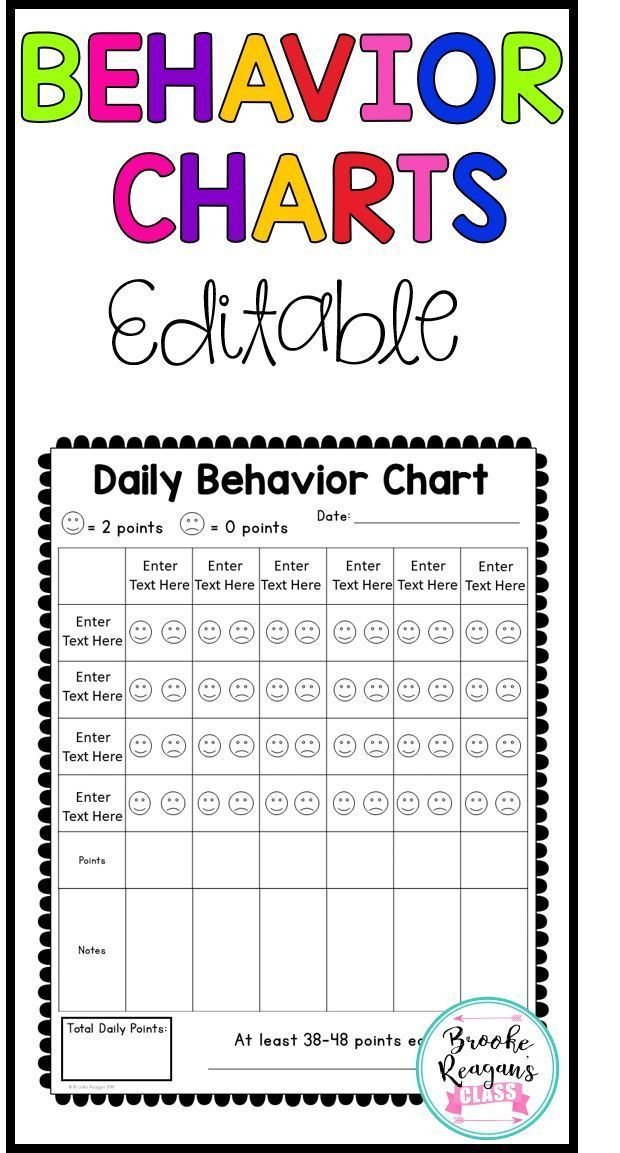
- Daily Behavior Charts: Focus on tracking behavior throughout the day, with sections for different routines and goals.
Sizing and Customization
Many behavior chart printables offer customizable options, allowing you to tailor the chart to your needs. Consider the following: For a closer look at something similar, my post on reading log printable covers the details.
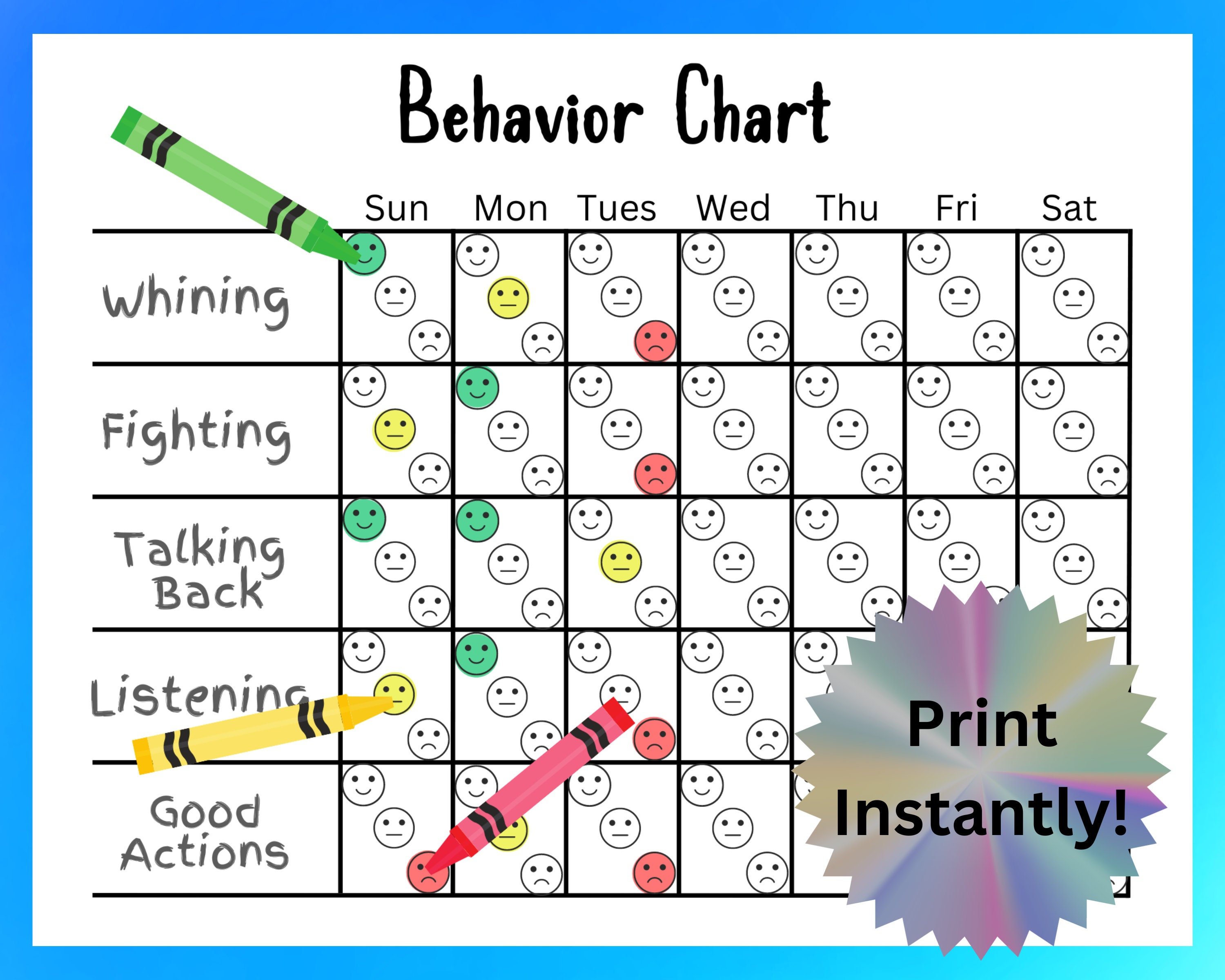
- Size: Choose from various sizes, from small, portable charts to larger, wall-sized displays.
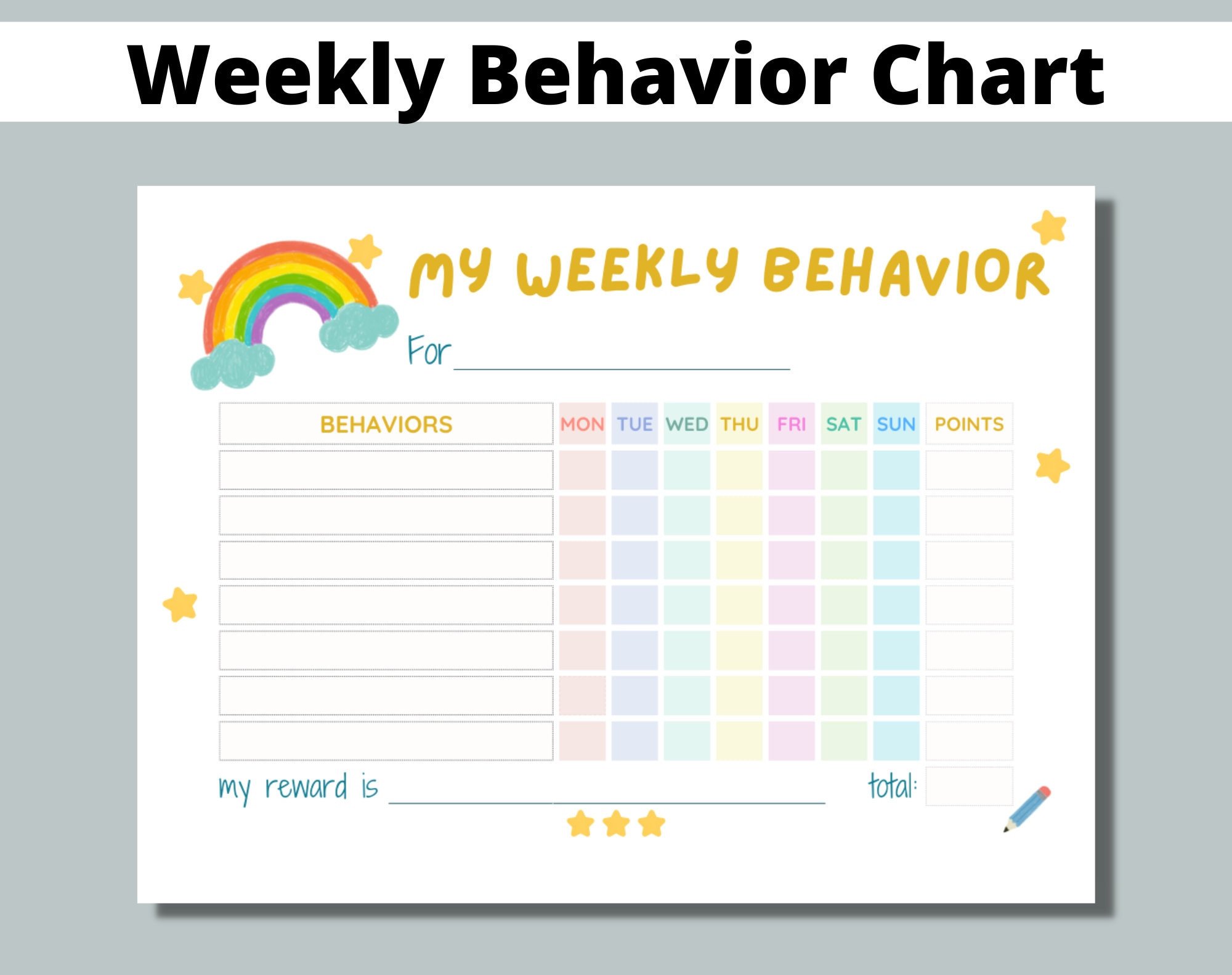
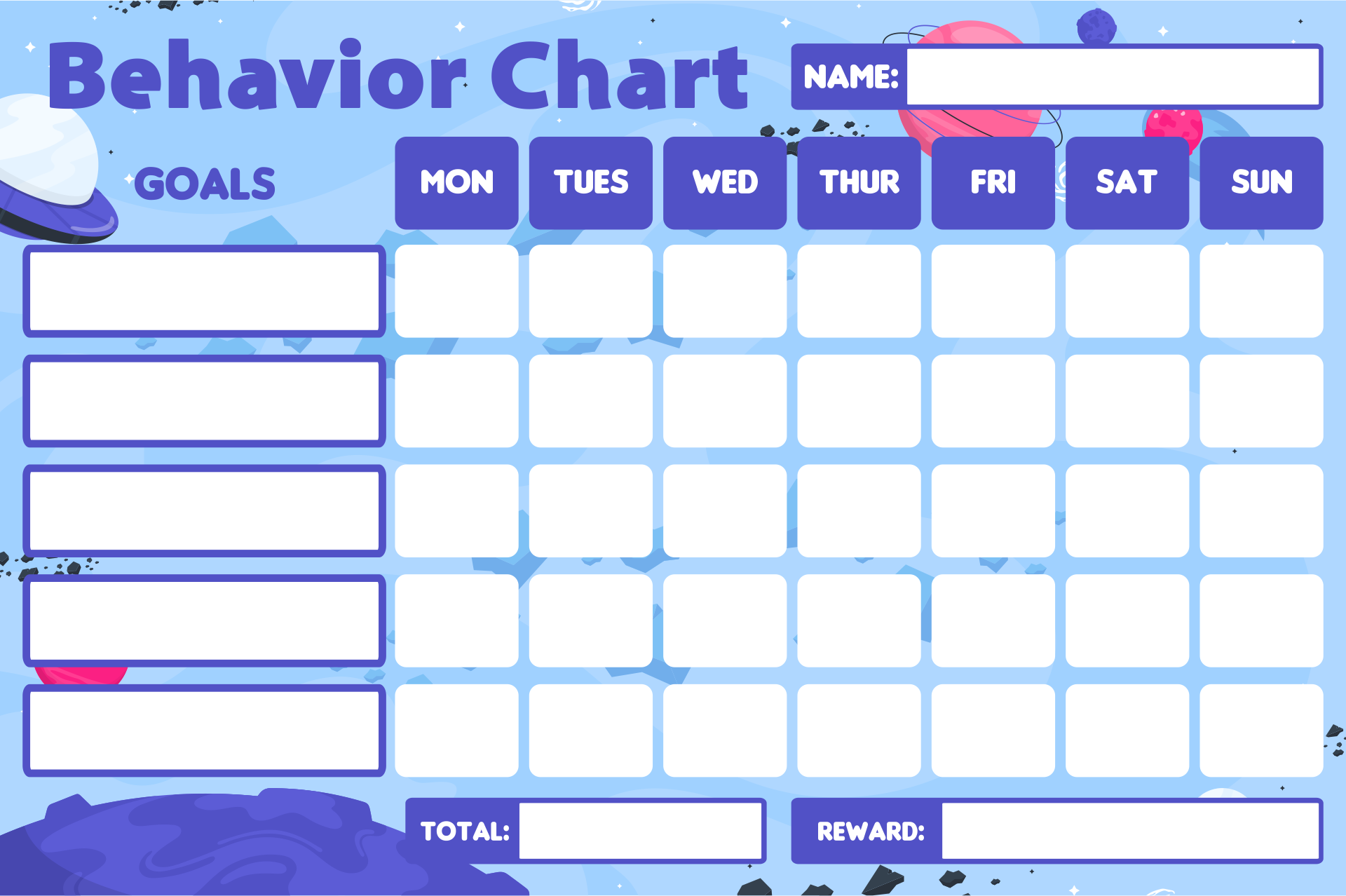
- Themes and Colors: Select from a range of themes and color schemes to match your child's interests or classroom decor.
- Personalization: Add your child's name or a photo to make the chart more engaging and personalized.
Materials and Styling
Behavior chart printables come in different formats and materials: You can also compare this directly with name trace printable to see how they stack up.
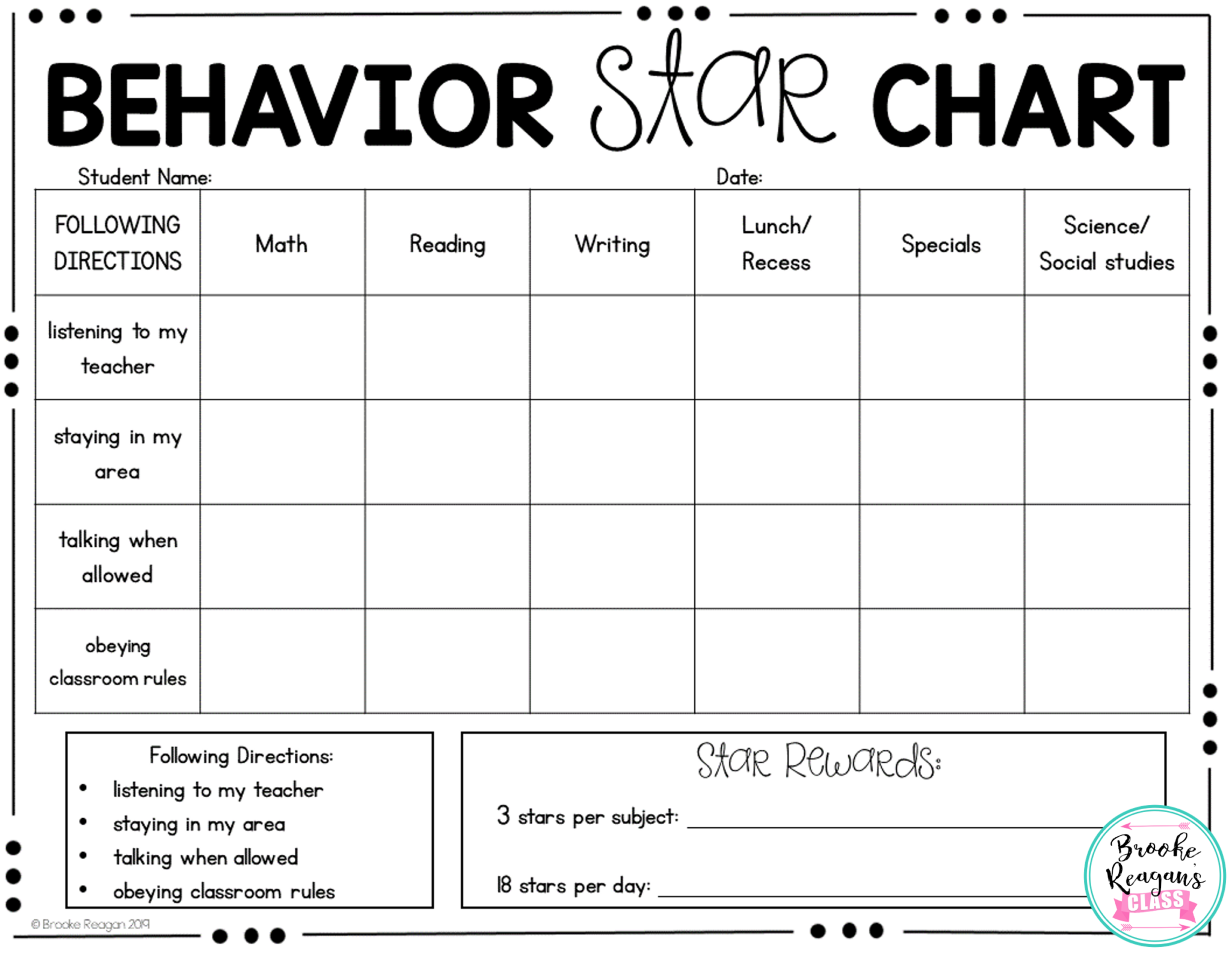
- Paper Charts: These are lightweight and easy to print at home. Consider using durable paper or laminating for longevity.
- Magnetic Charts: Perfect for refrigerators or magnetic boards, offering a fun and interactive way to track progress.
- Dry-Erase Charts: Reusable and convenient, allowing for easy updates and changes.
Placement and Usage
Where and how you use the behavior chart can impact its effectiveness: If you want another perspective, check out my notes on hundred chart printable as well.
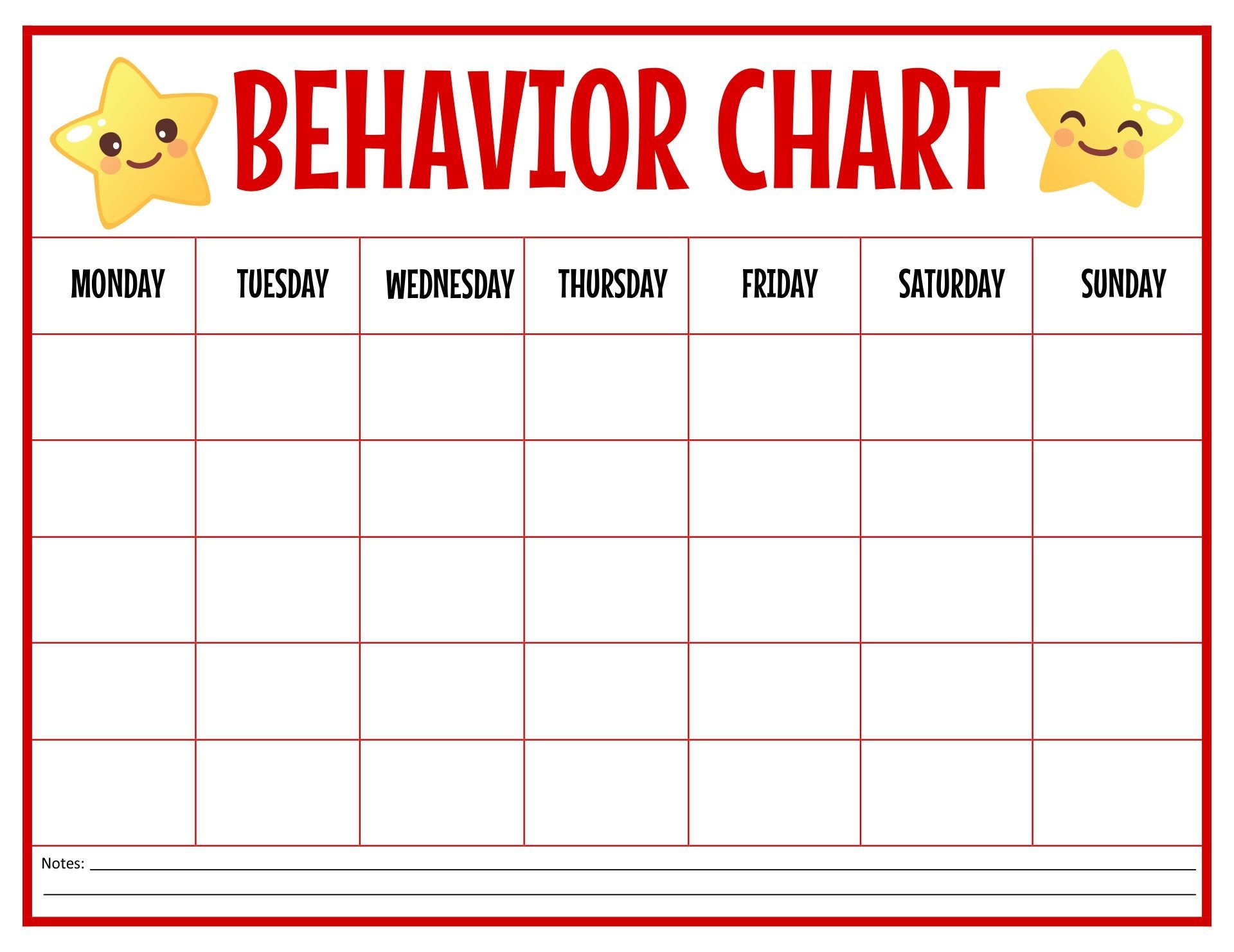
- Visible Location: Place the chart in a prominent area, such as a bedroom wall or the fridge, to keep it top of mind.
- Involve Your Child: Discuss the chart's purpose and goals with your child, ensuring they understand the behavior expectations.
- Regular Updates: Review the chart regularly with your child, celebrating achievements and discussing areas for improvement.
What to Check Before Buying or Making
When selecting or creating a behavior chart printable, consider these factors: For a closer look at something similar, my post on mad libs printable covers the details.
- Target Behaviors: Identify the specific behaviors you want to address and choose a chart that aligns with your goals.
- Age-Appropriate: Ensure the chart's design and language are suitable for your child's age and developmental stage.
- Rewards and Incentives: Decide on a reward system that motivates your child, whether it's stickers, small treats, or privileges.
Remember, behavior charts are a tool to support and guide, not a strict rulebook. Adapt and adjust as needed to make the experience positive and effective. You can also compare this directly with house 3d printable to see how they stack up.