Popular Options and Variations
There is a wide range of 100 chart printable designs to cater to different teaching needs and preferences:
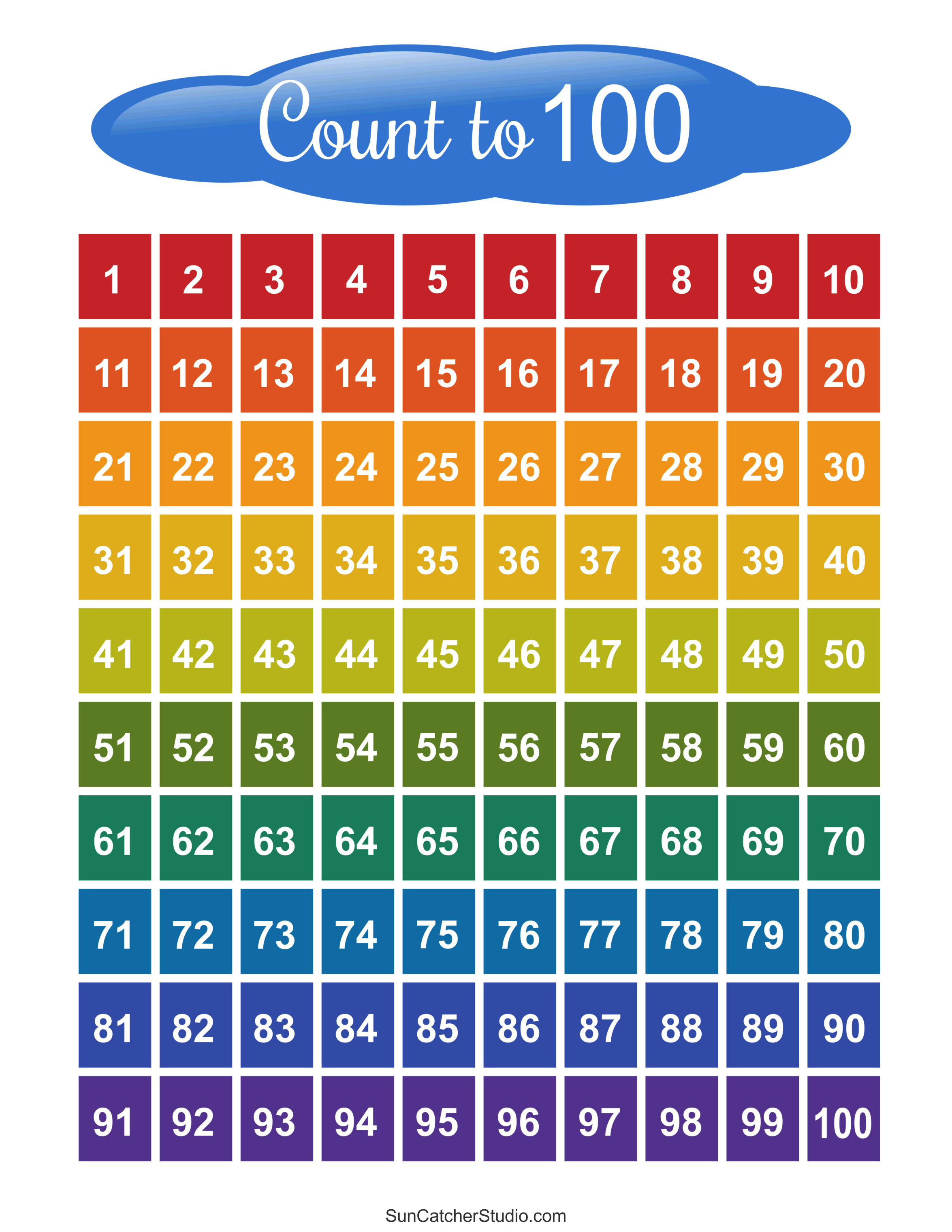
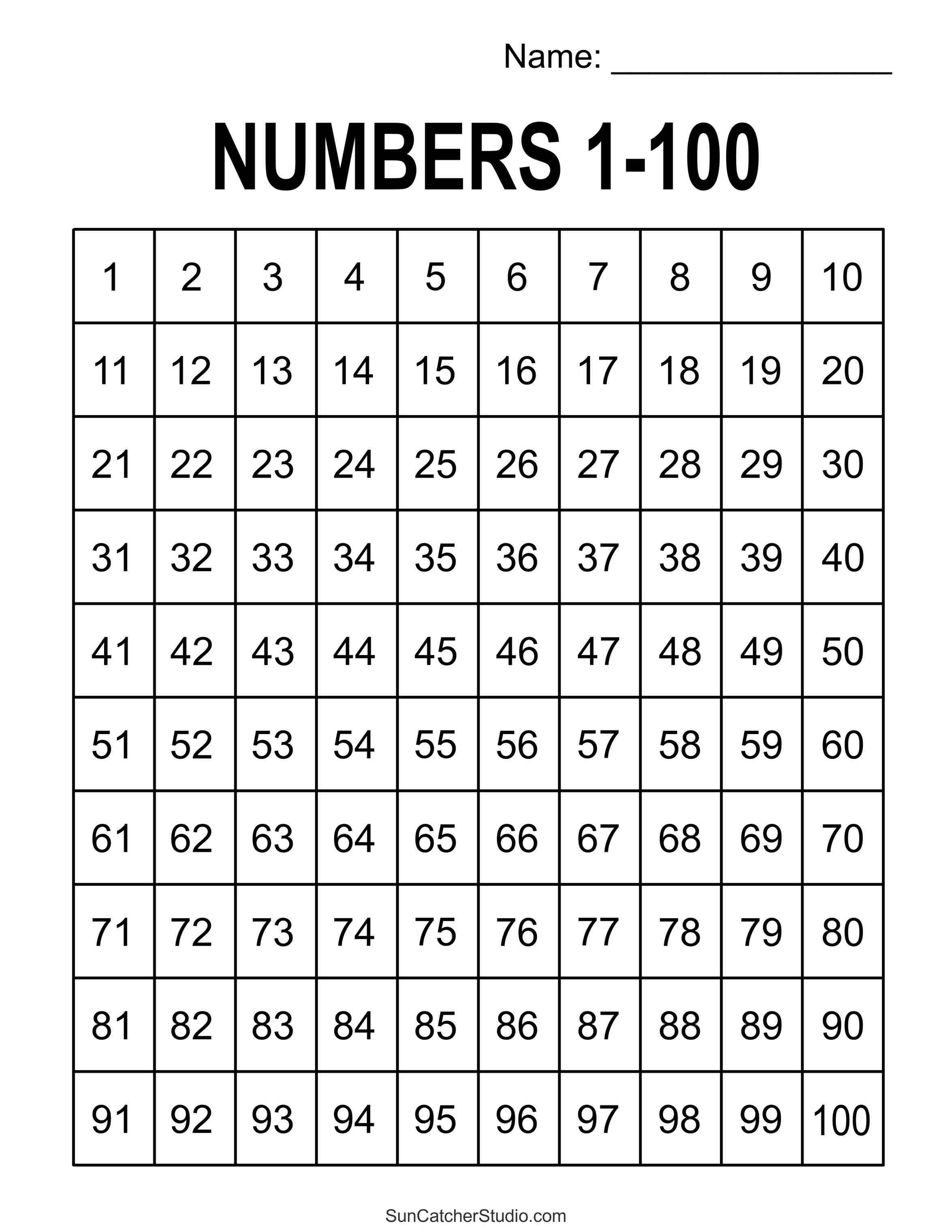
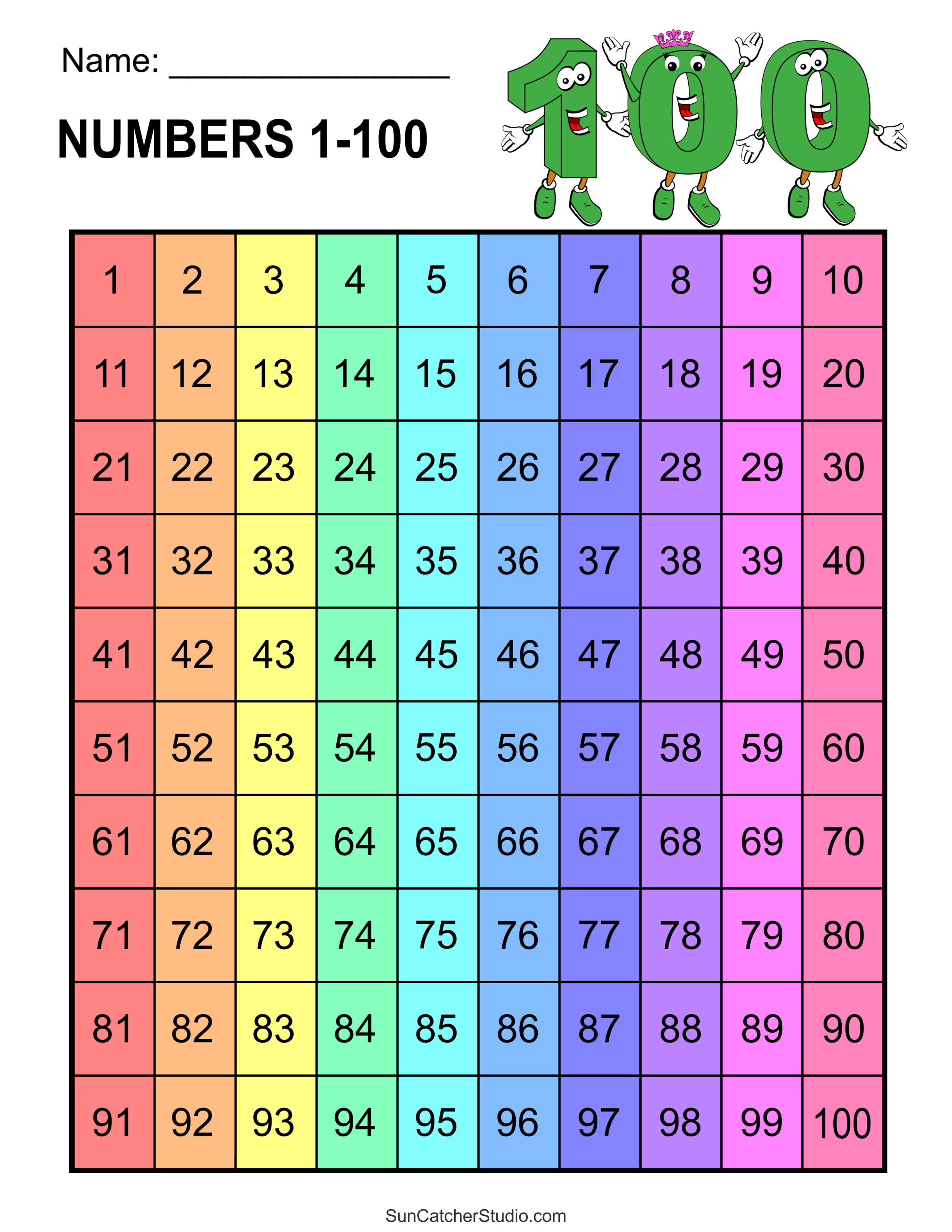
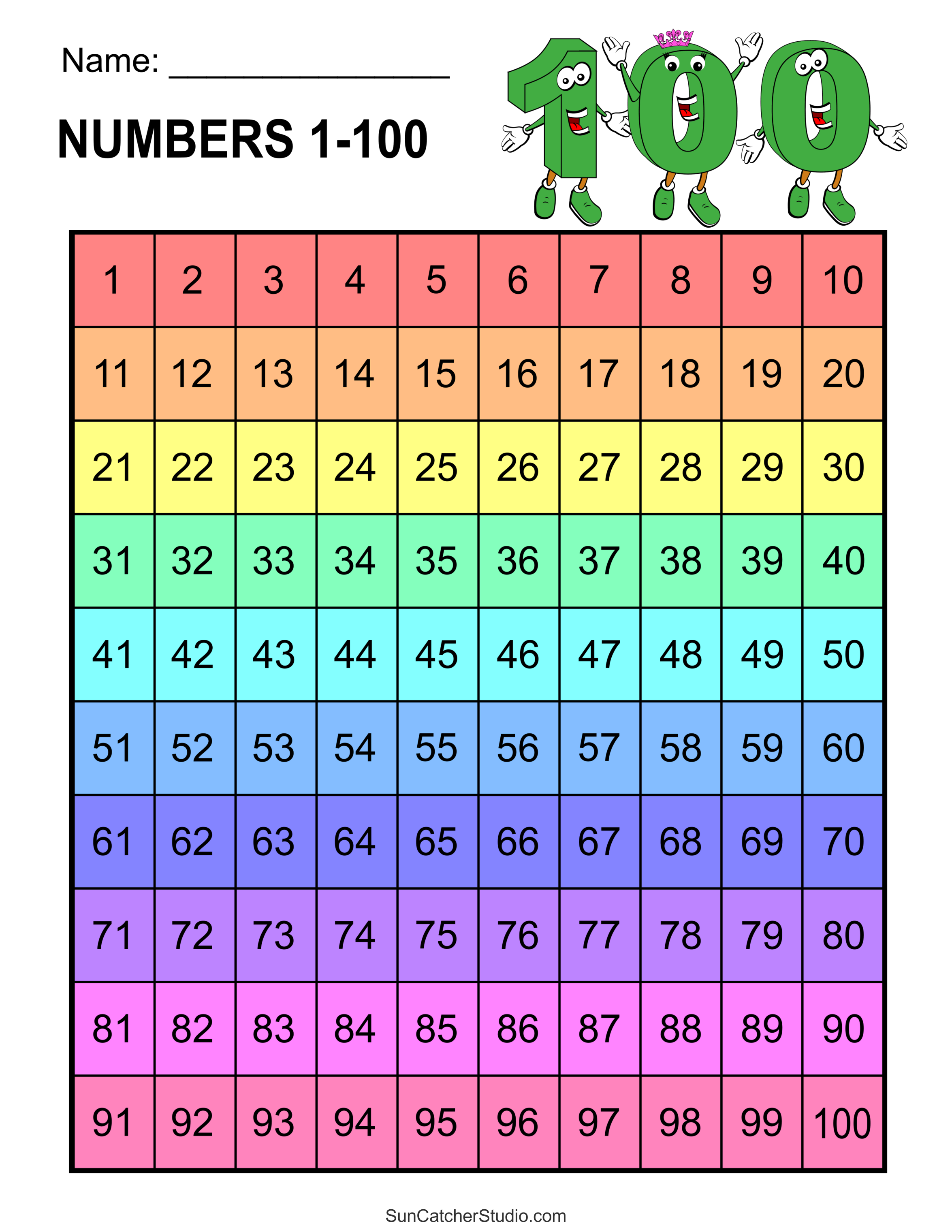
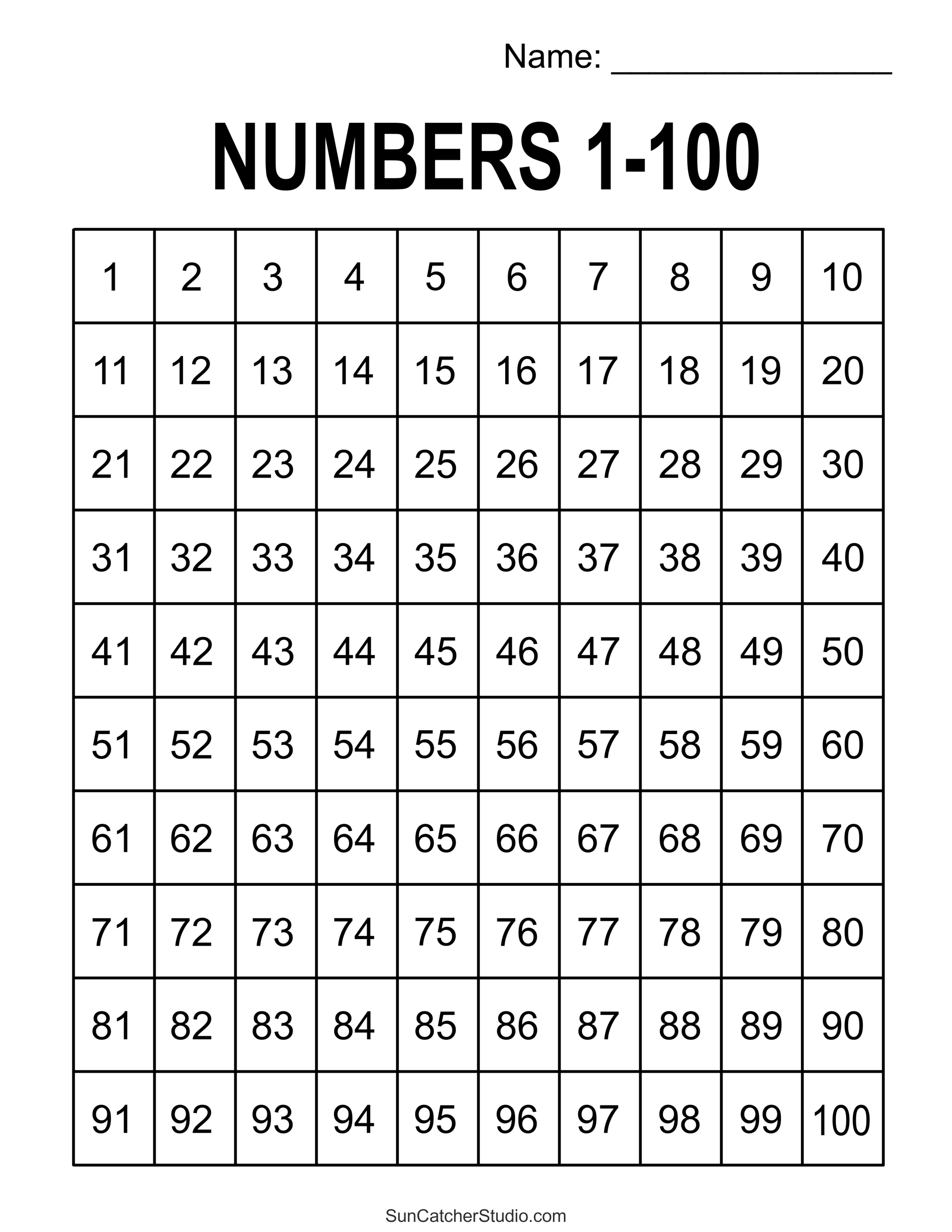
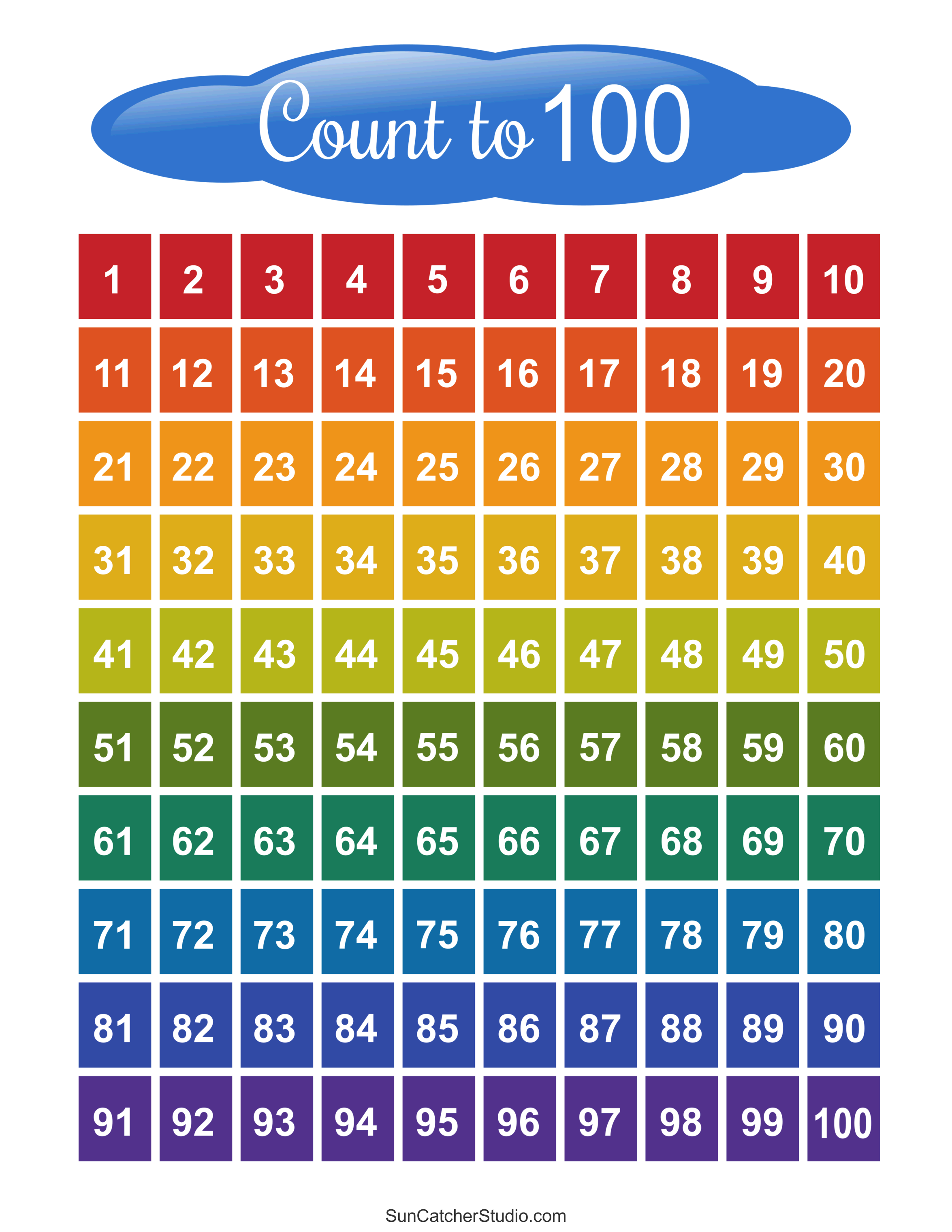
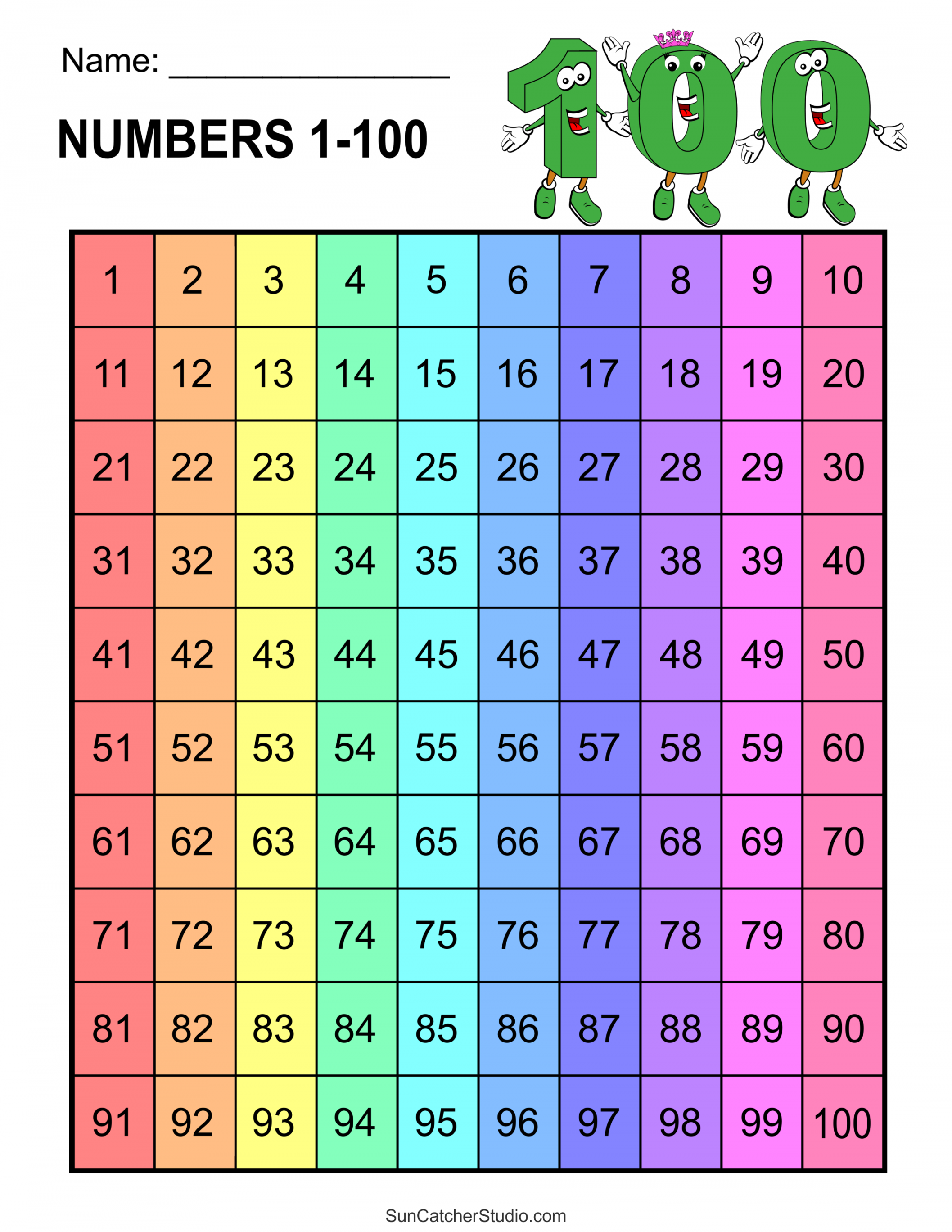
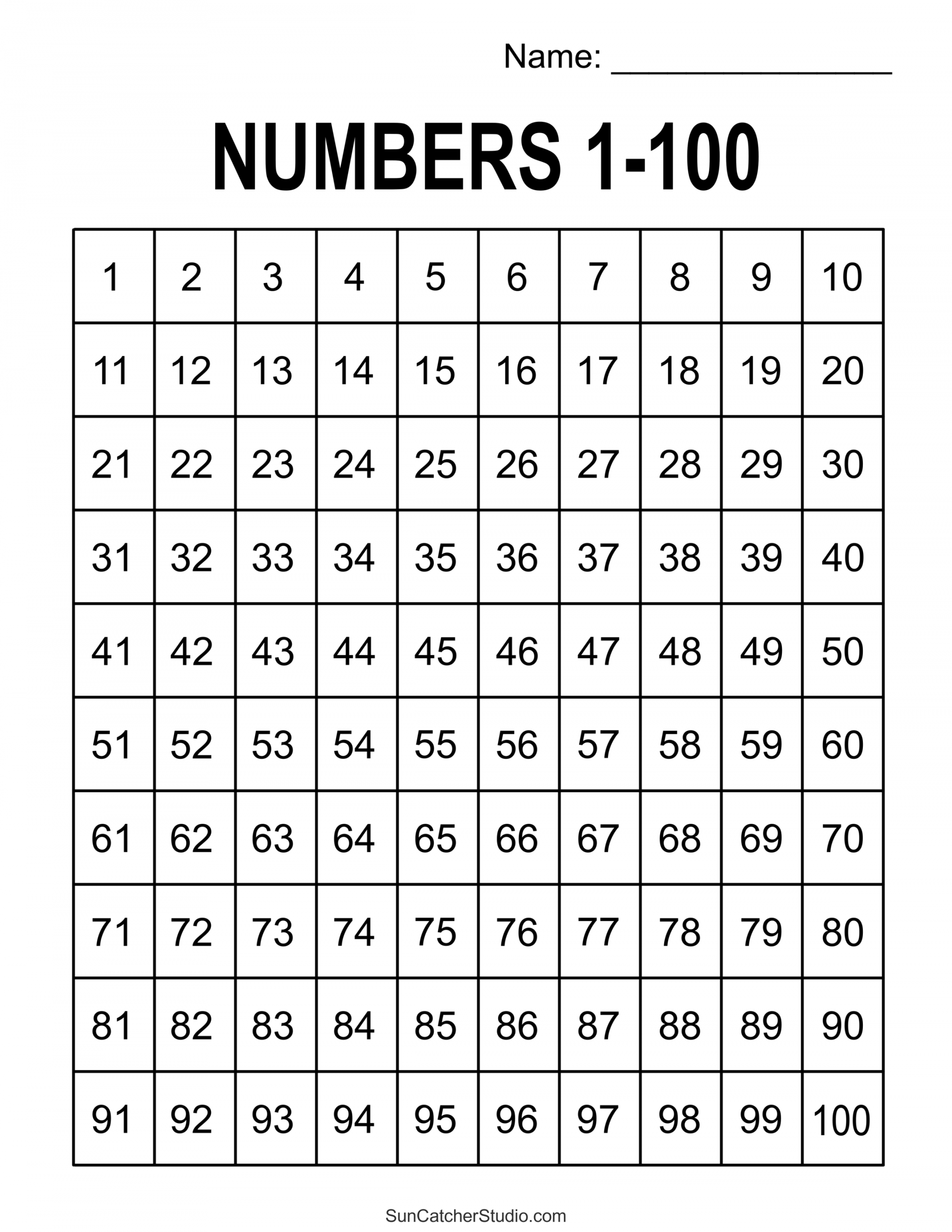
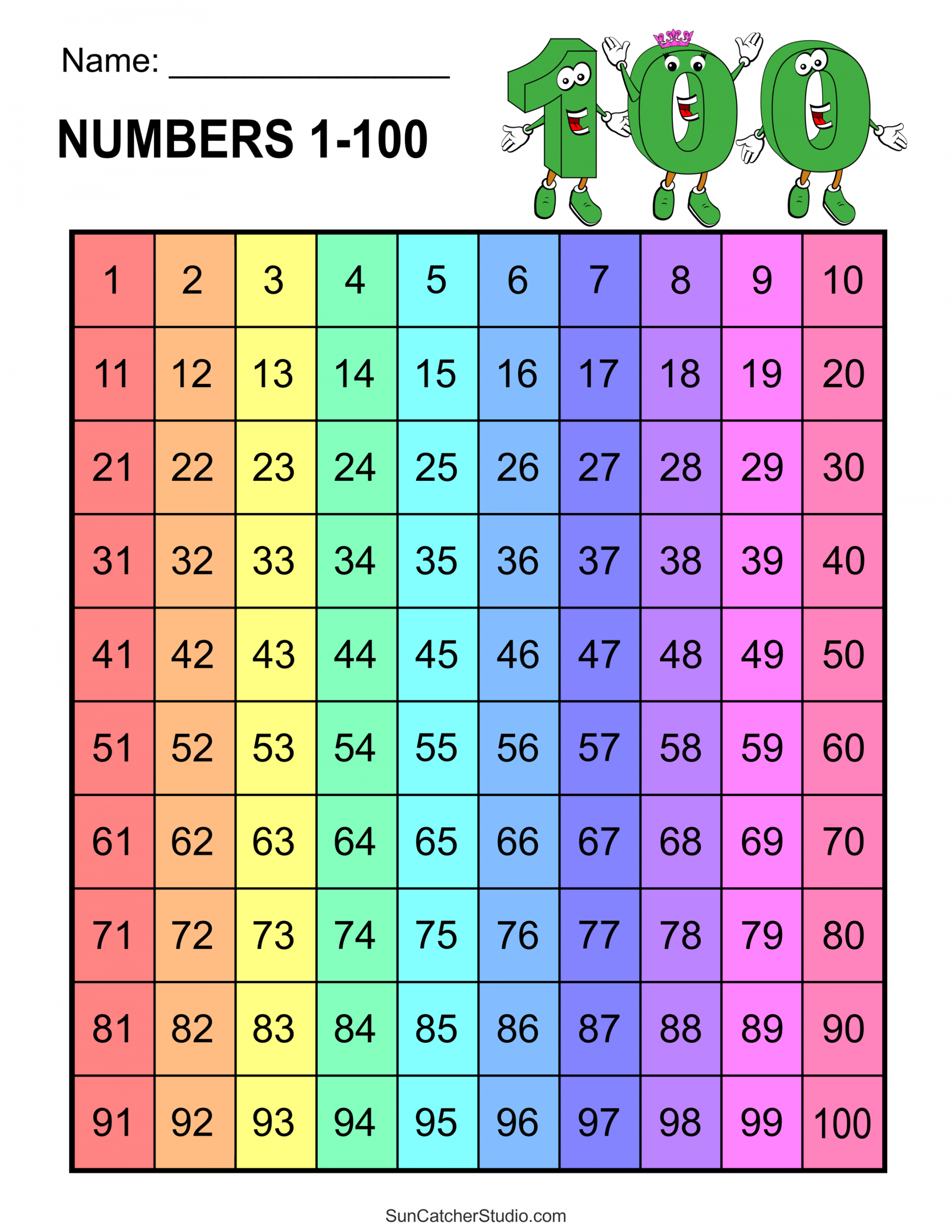
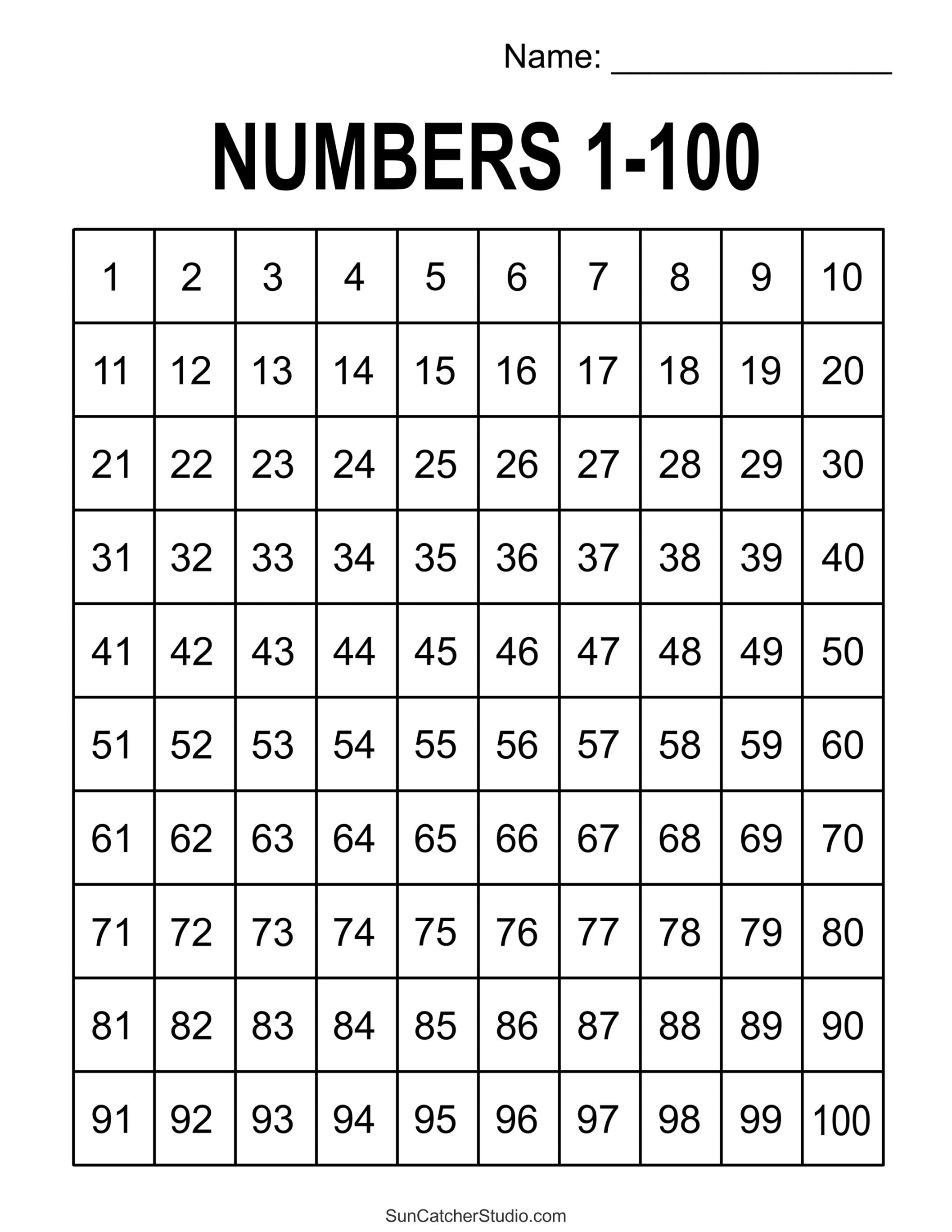
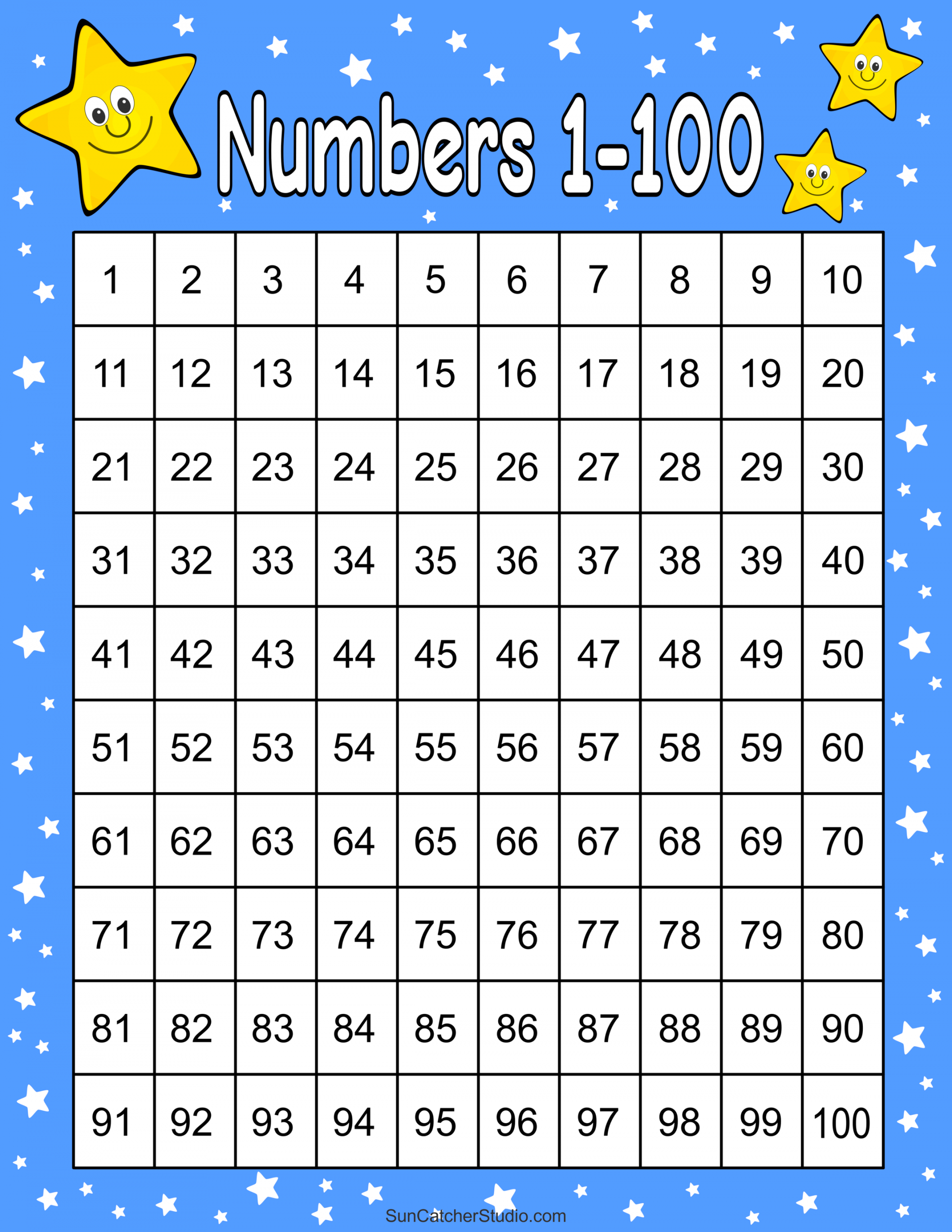
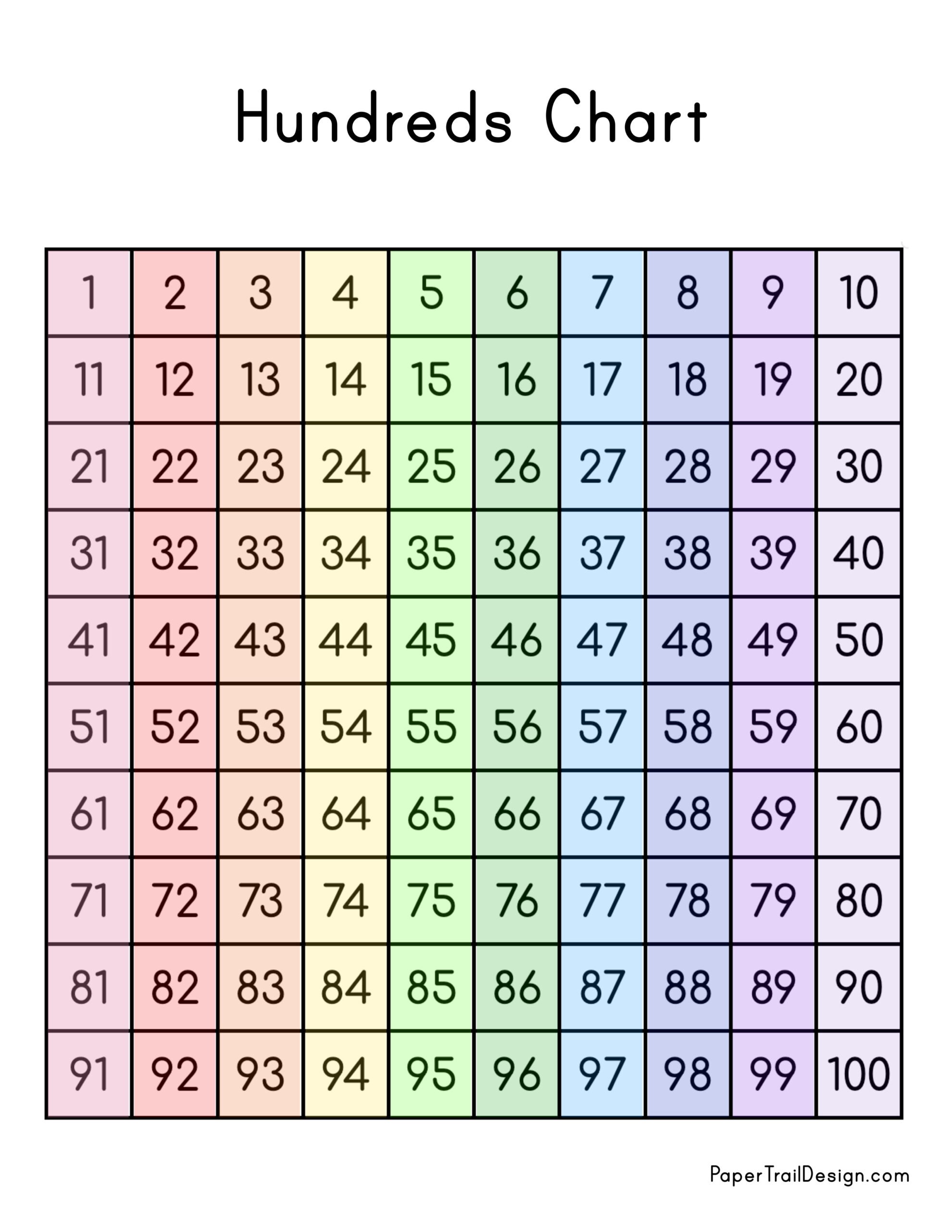
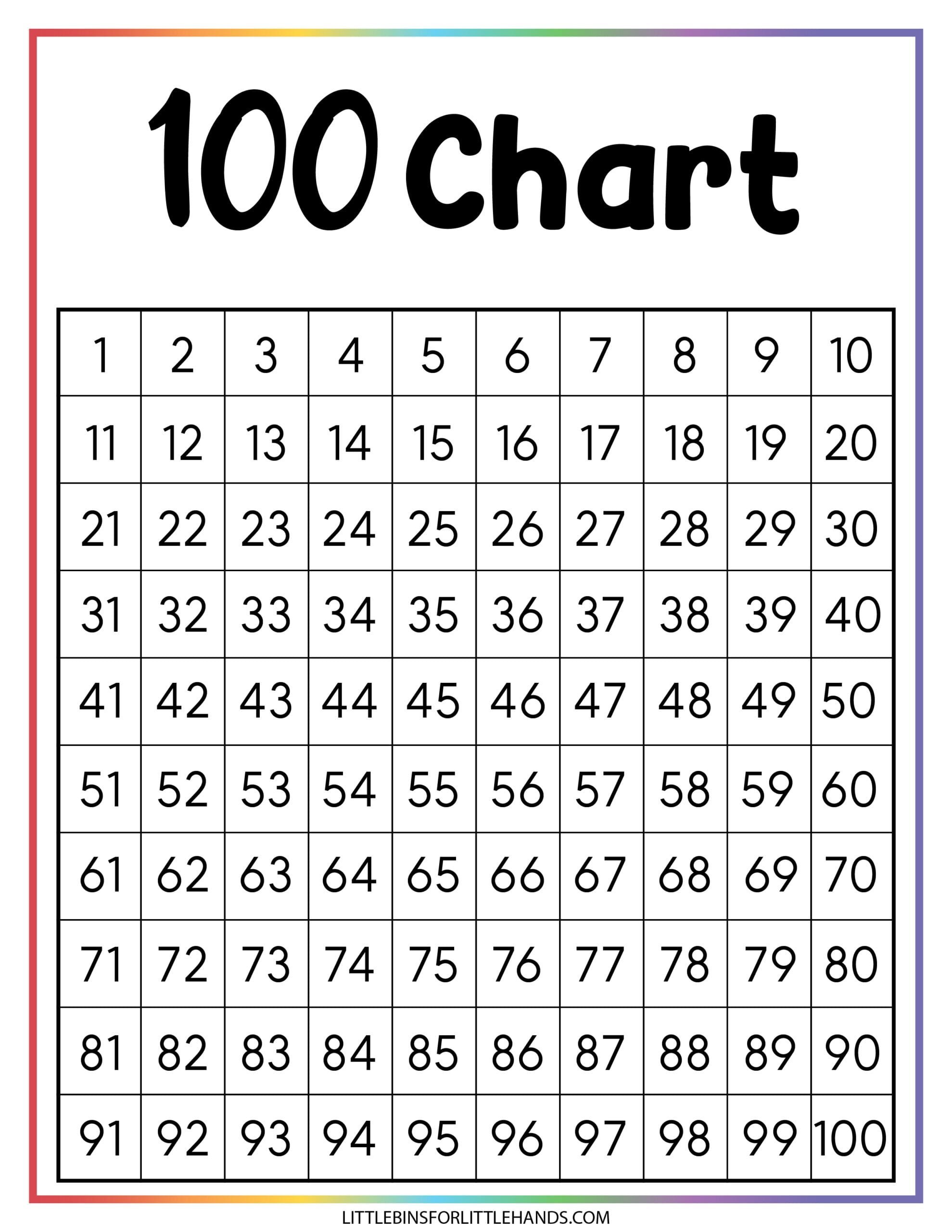
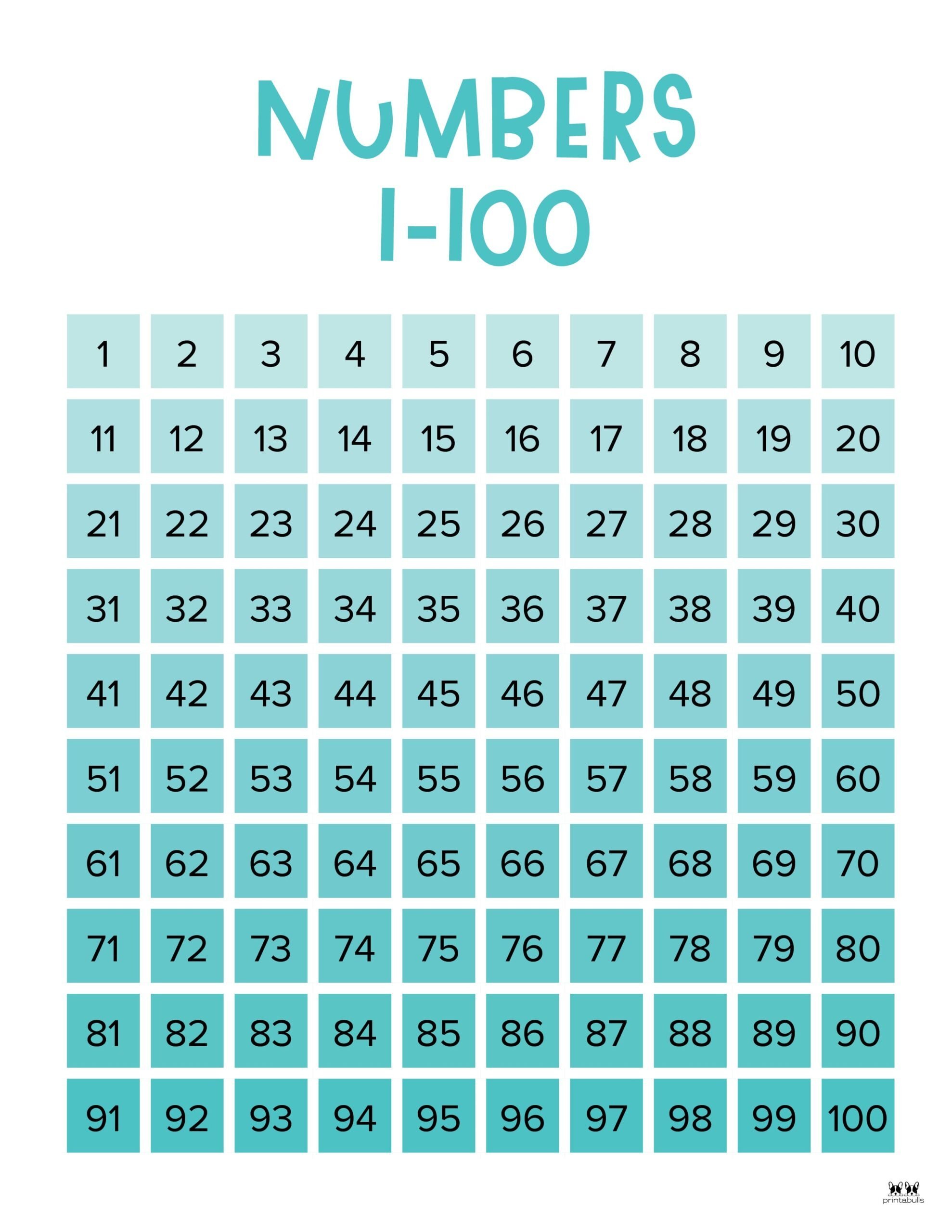
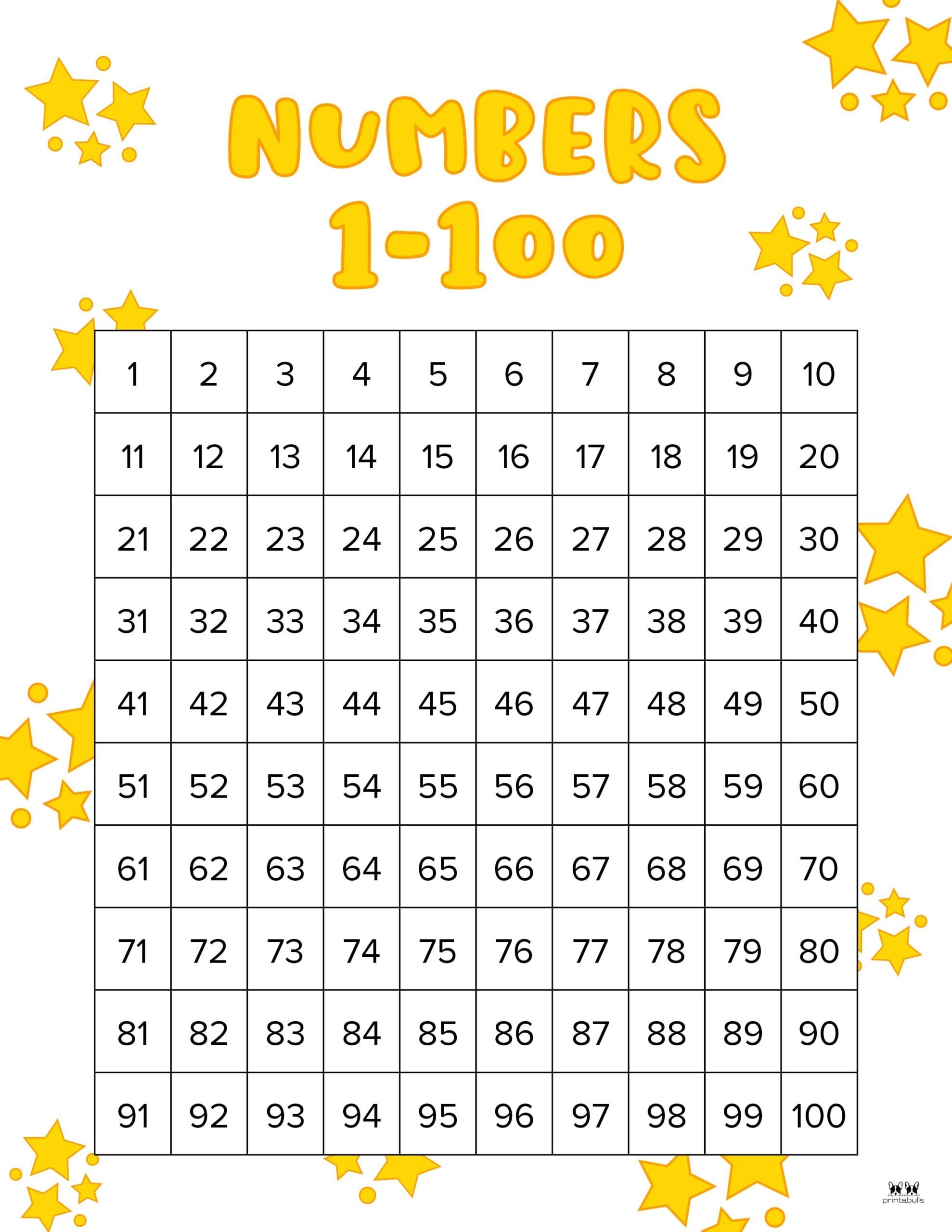
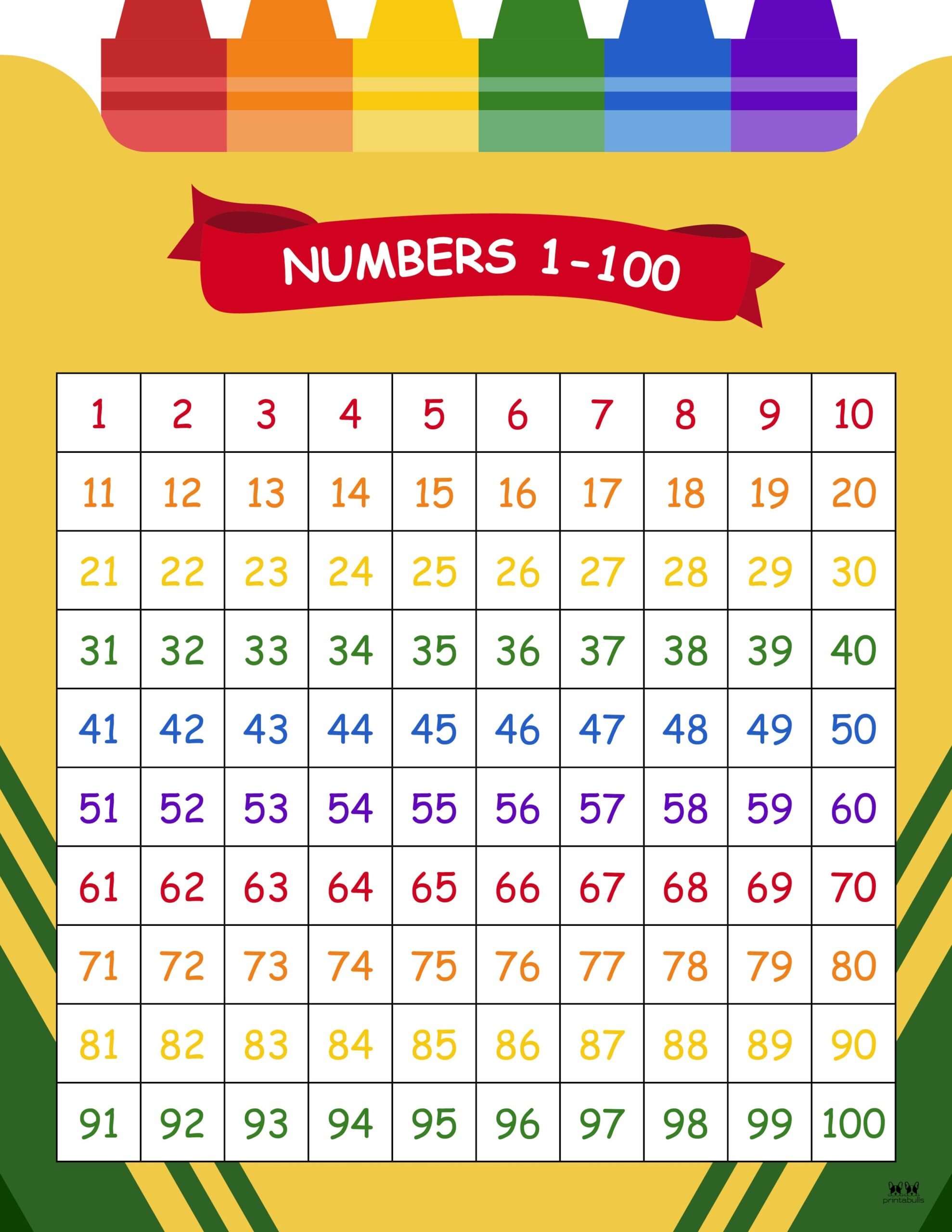
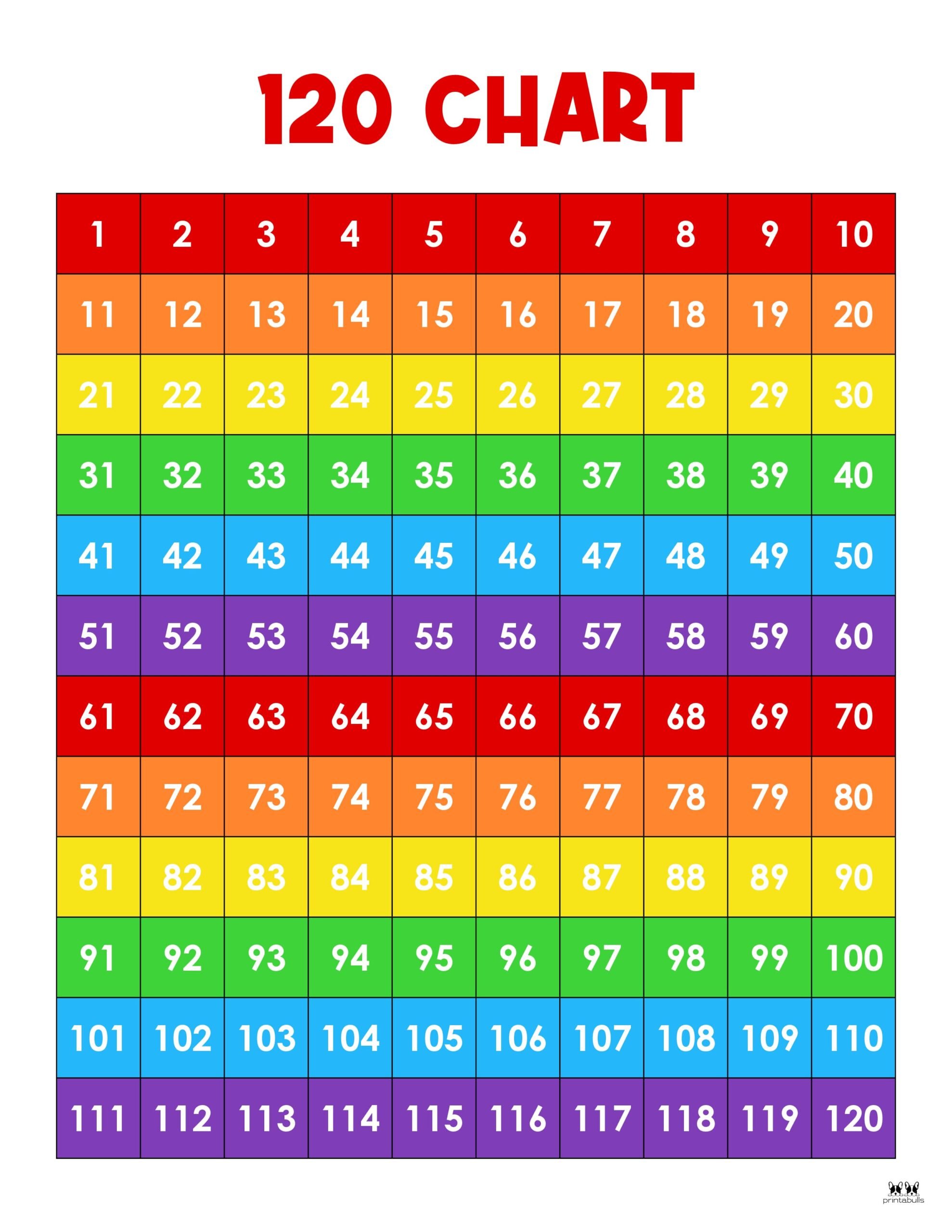
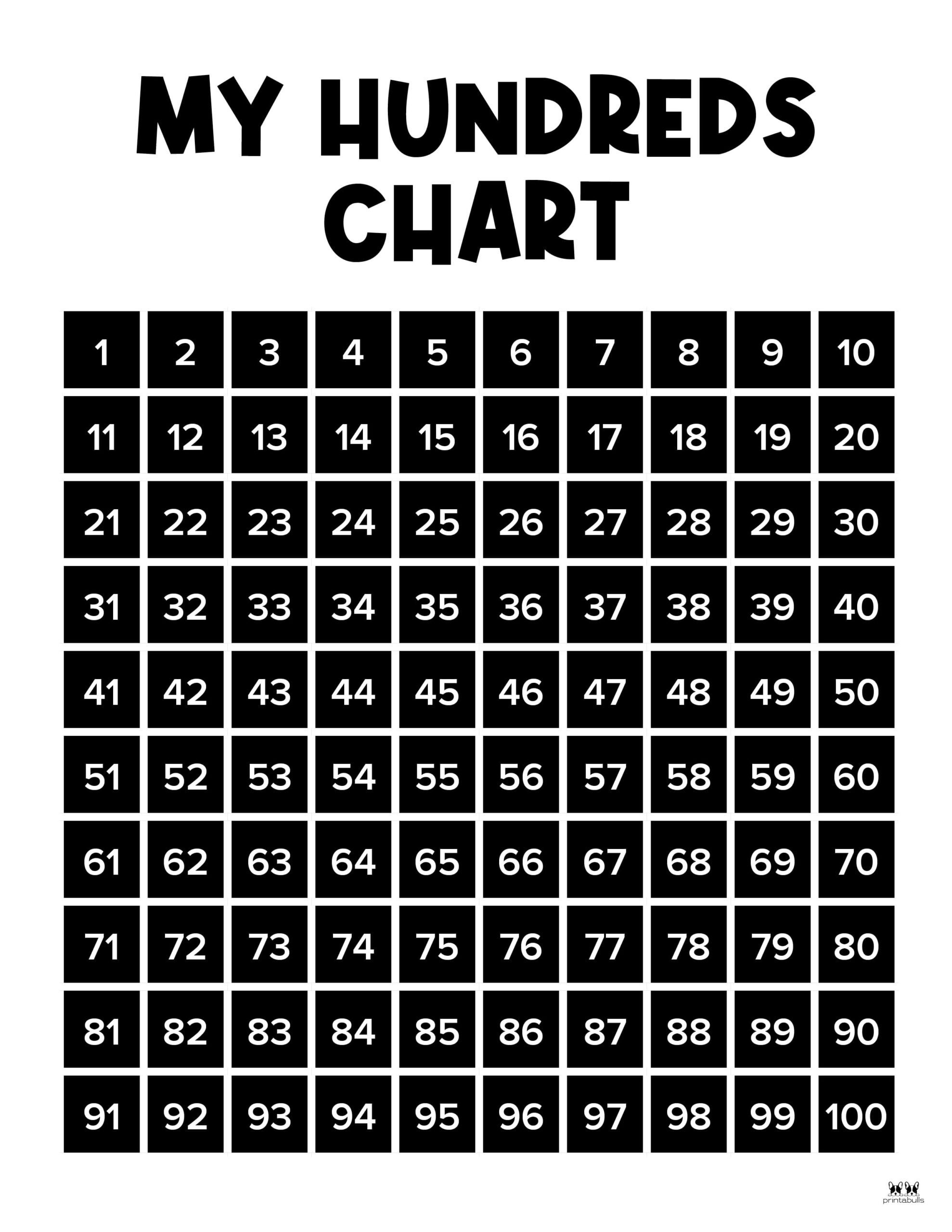
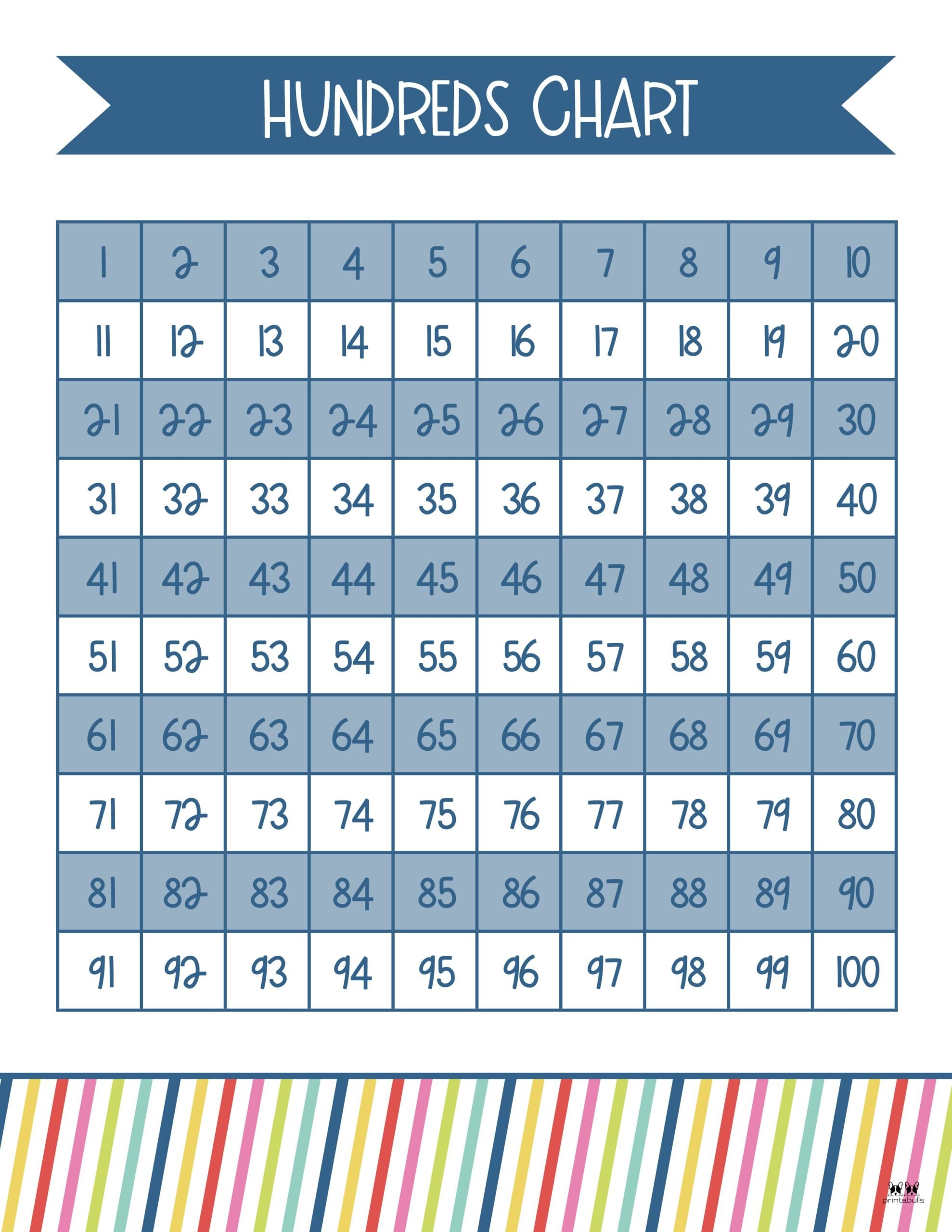
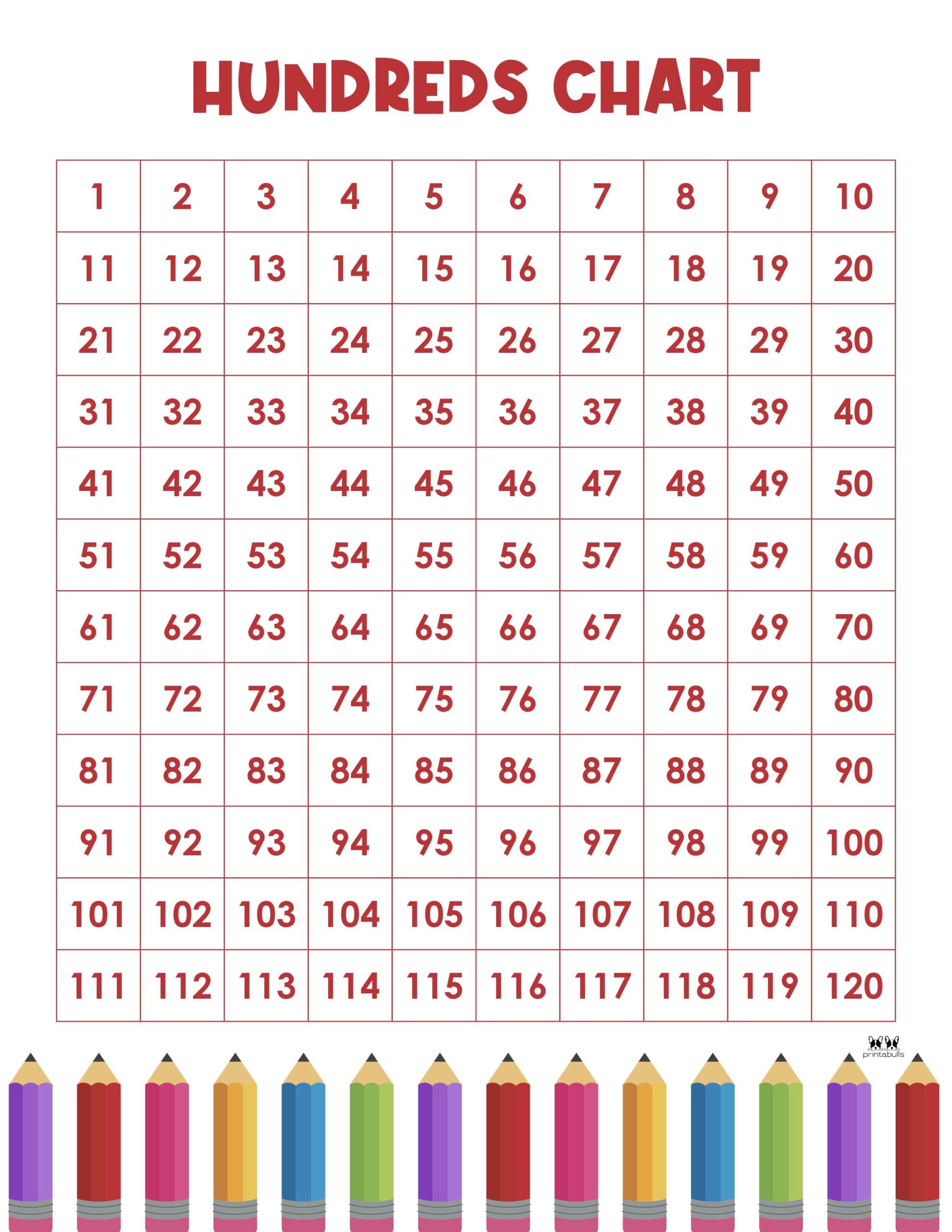
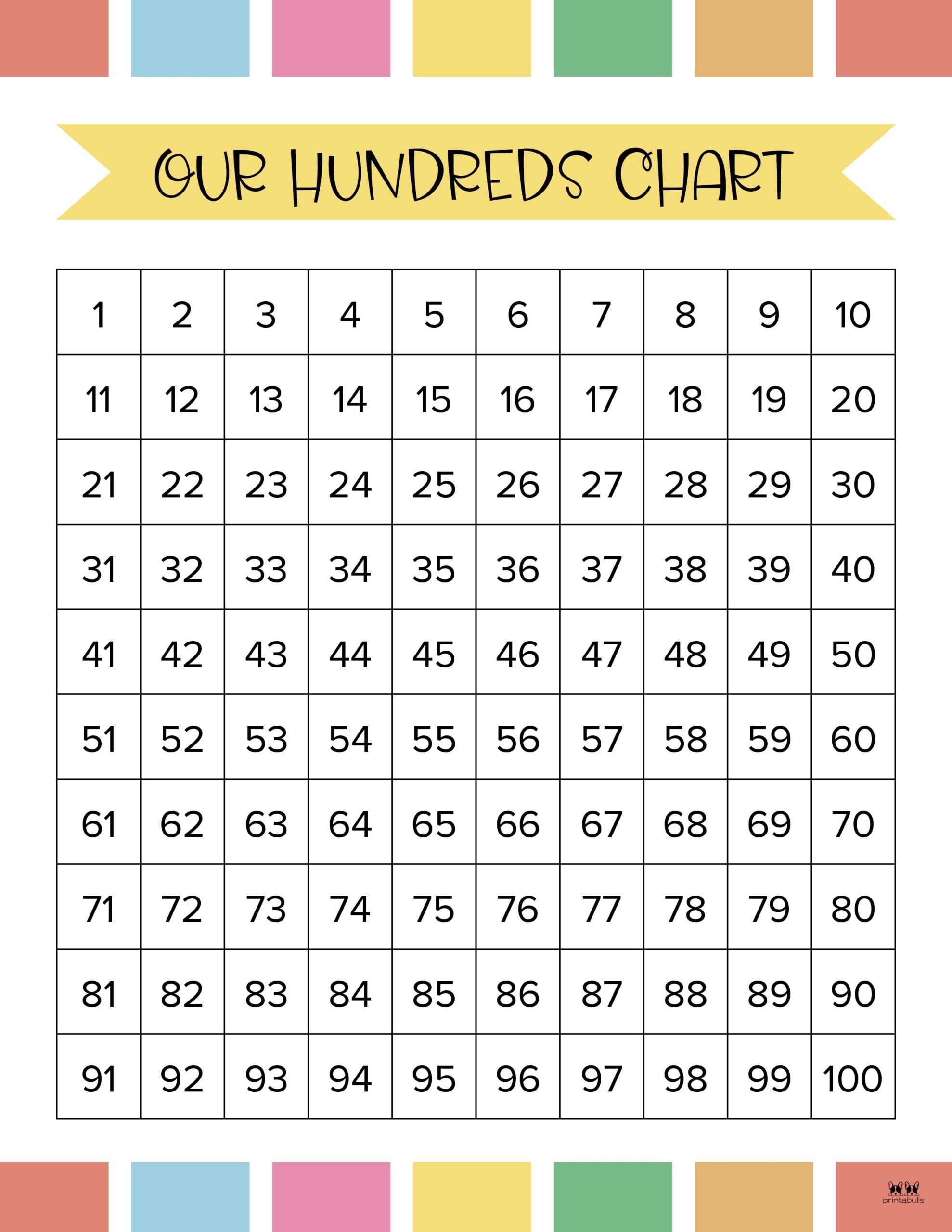
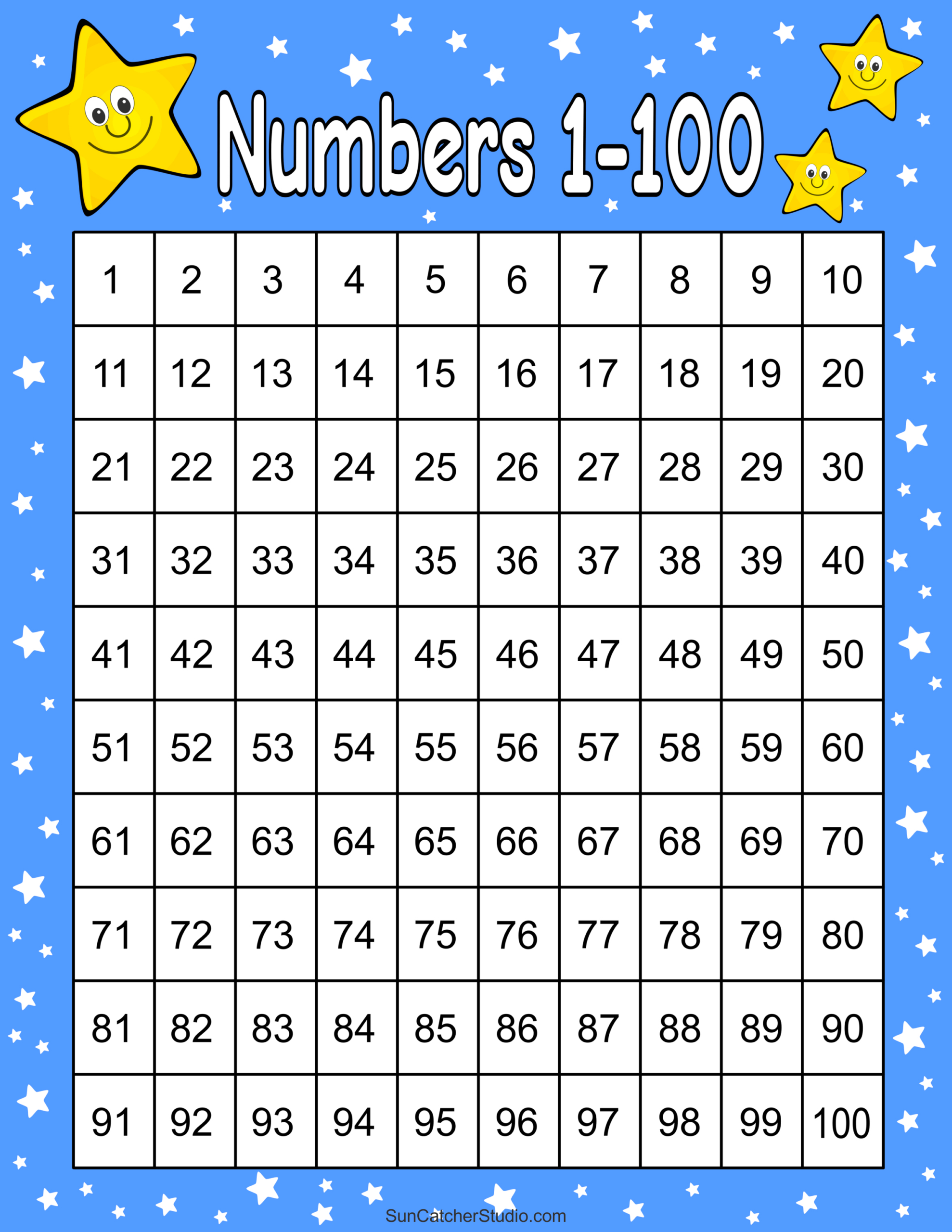
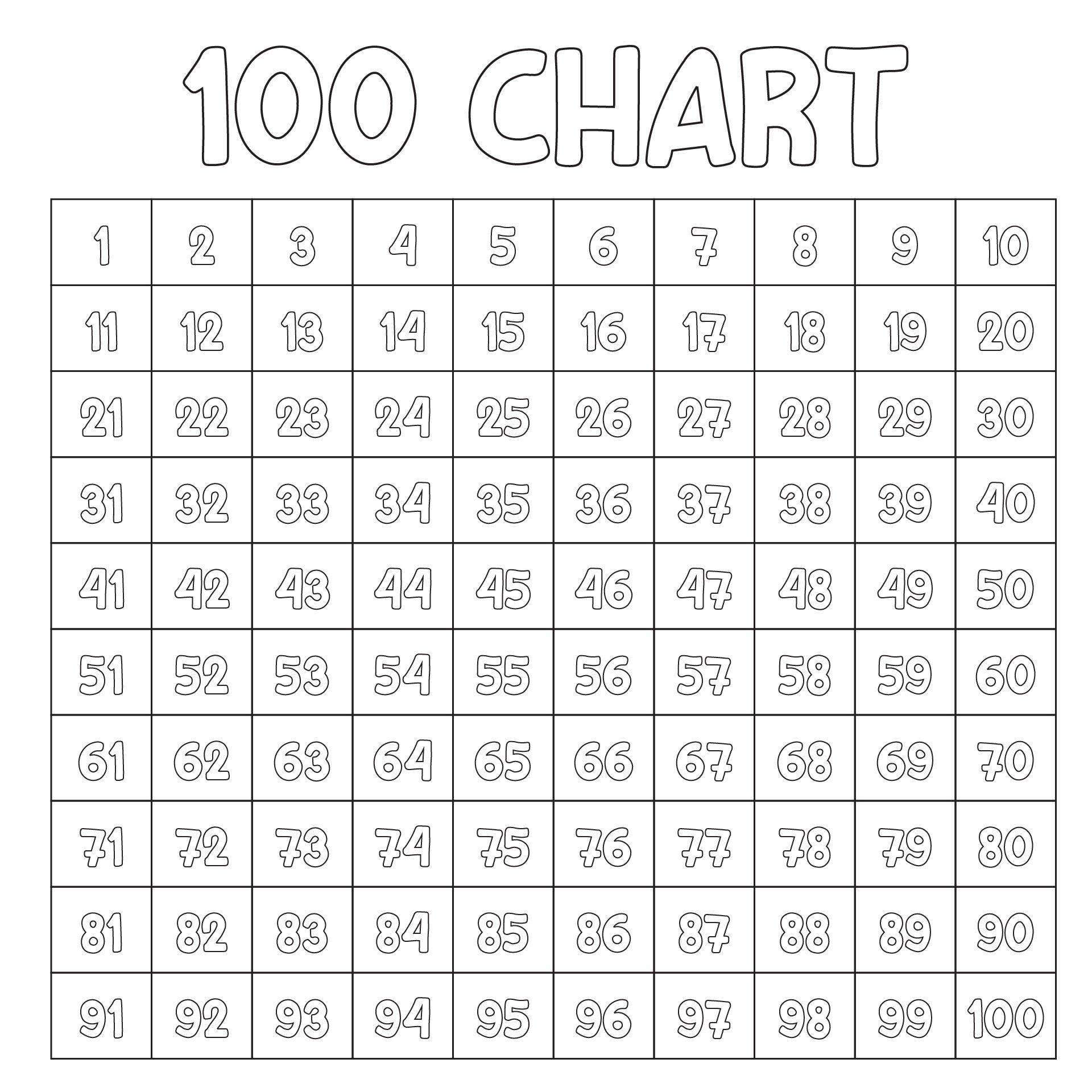
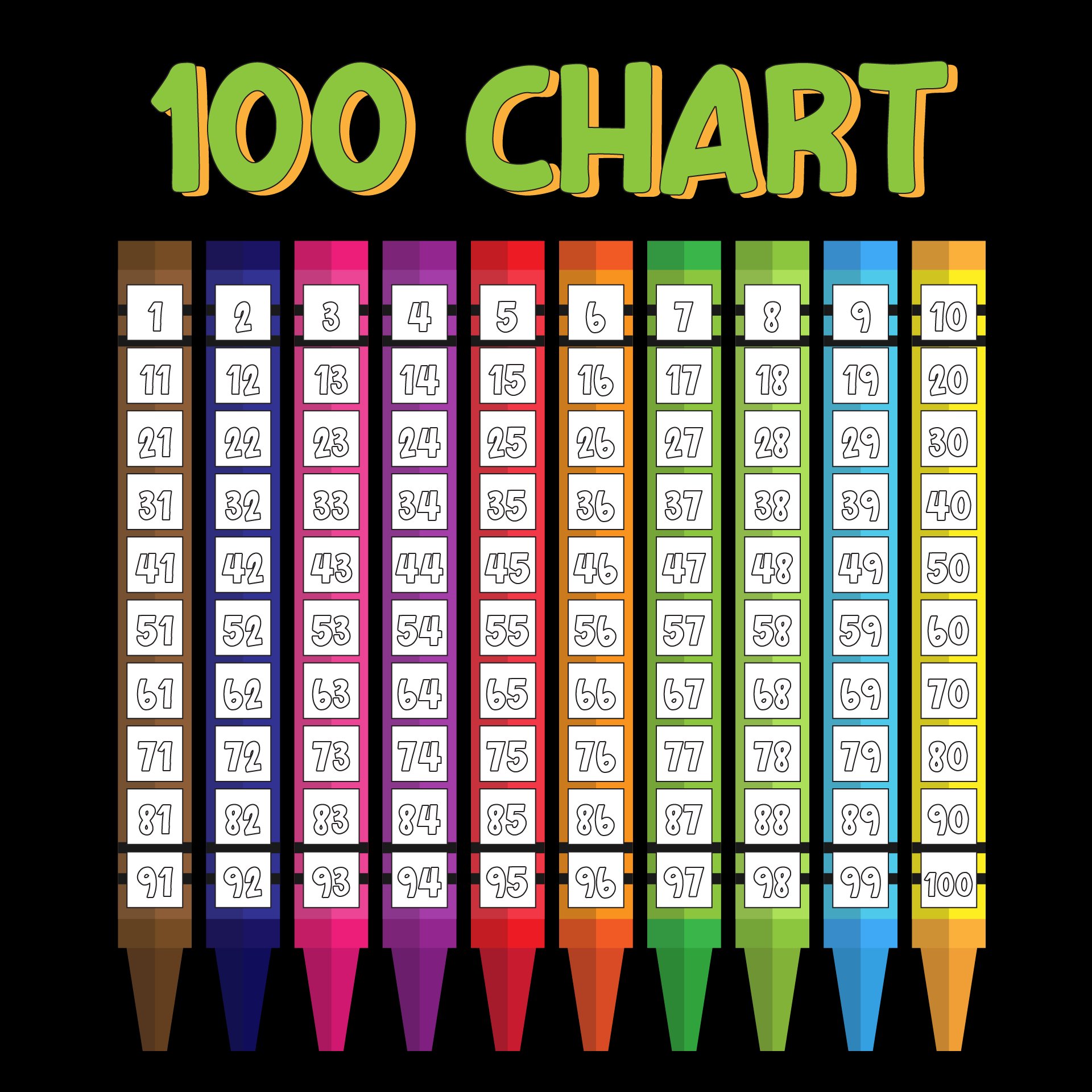
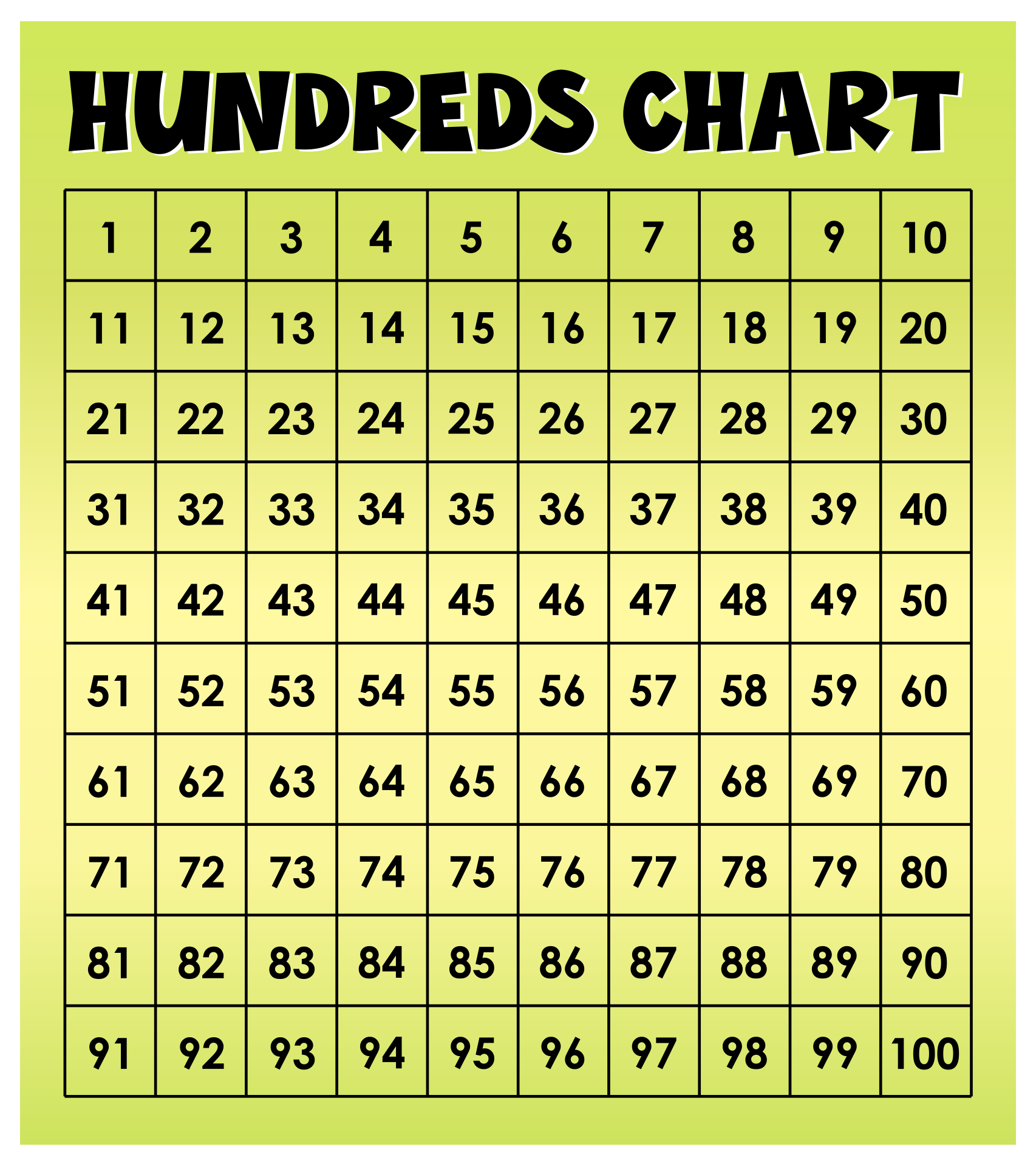
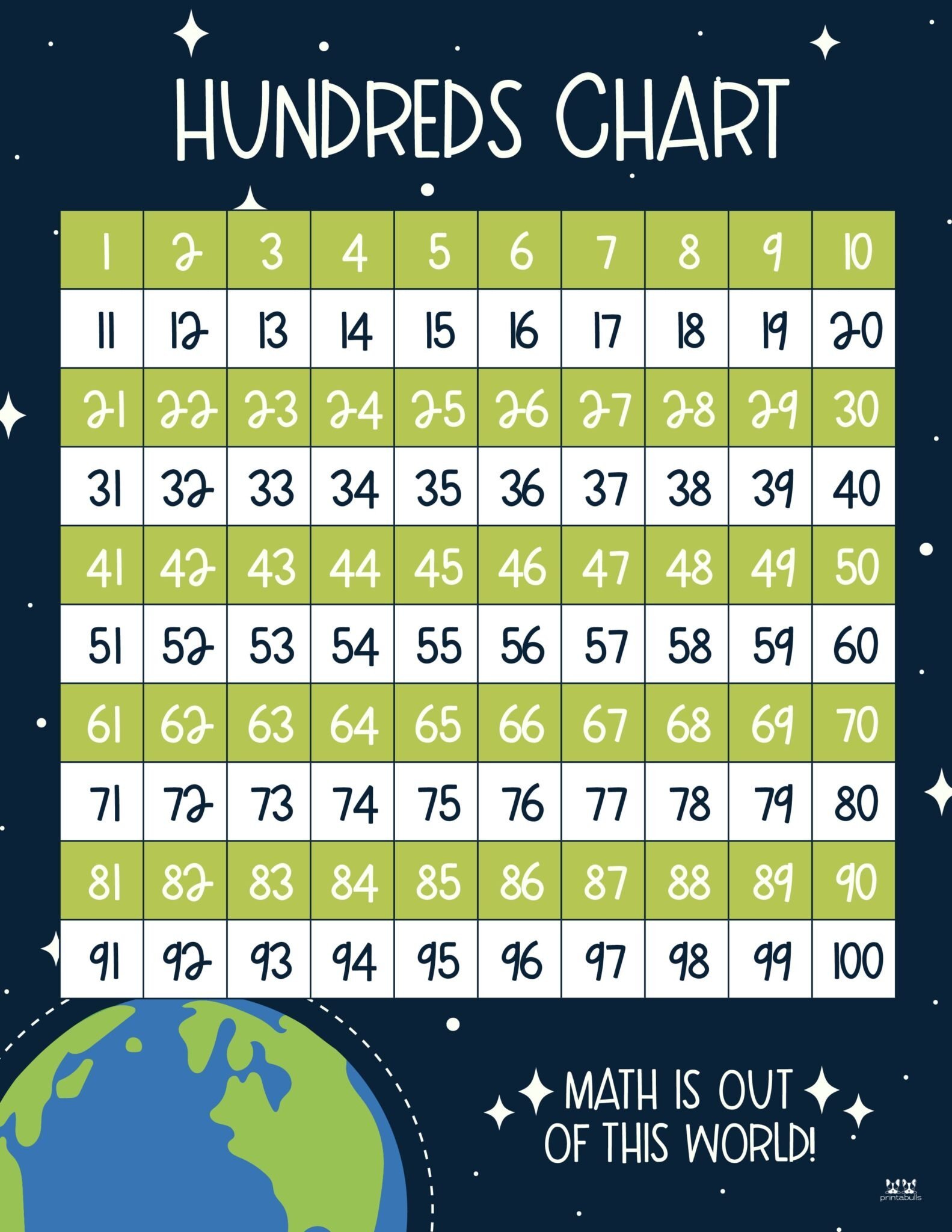
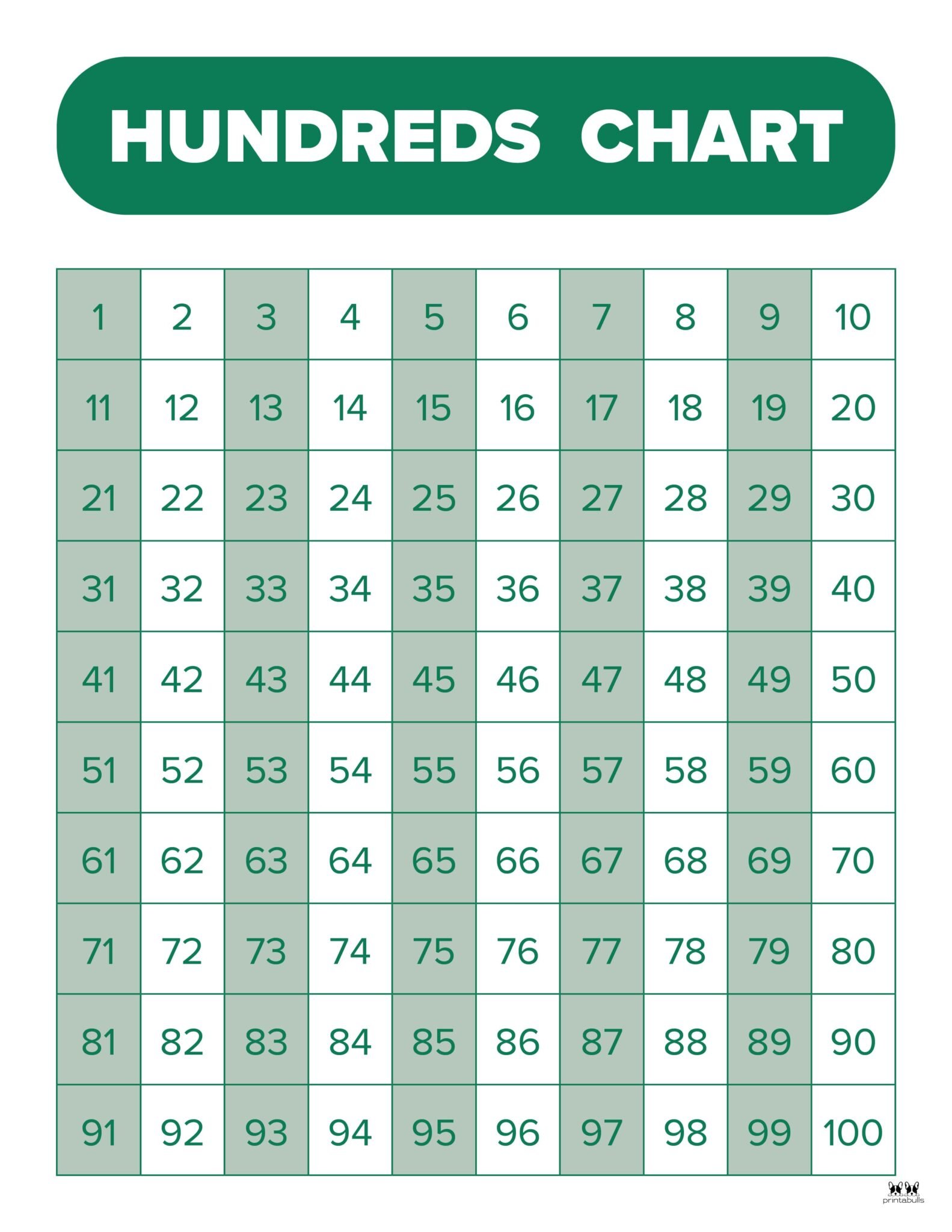
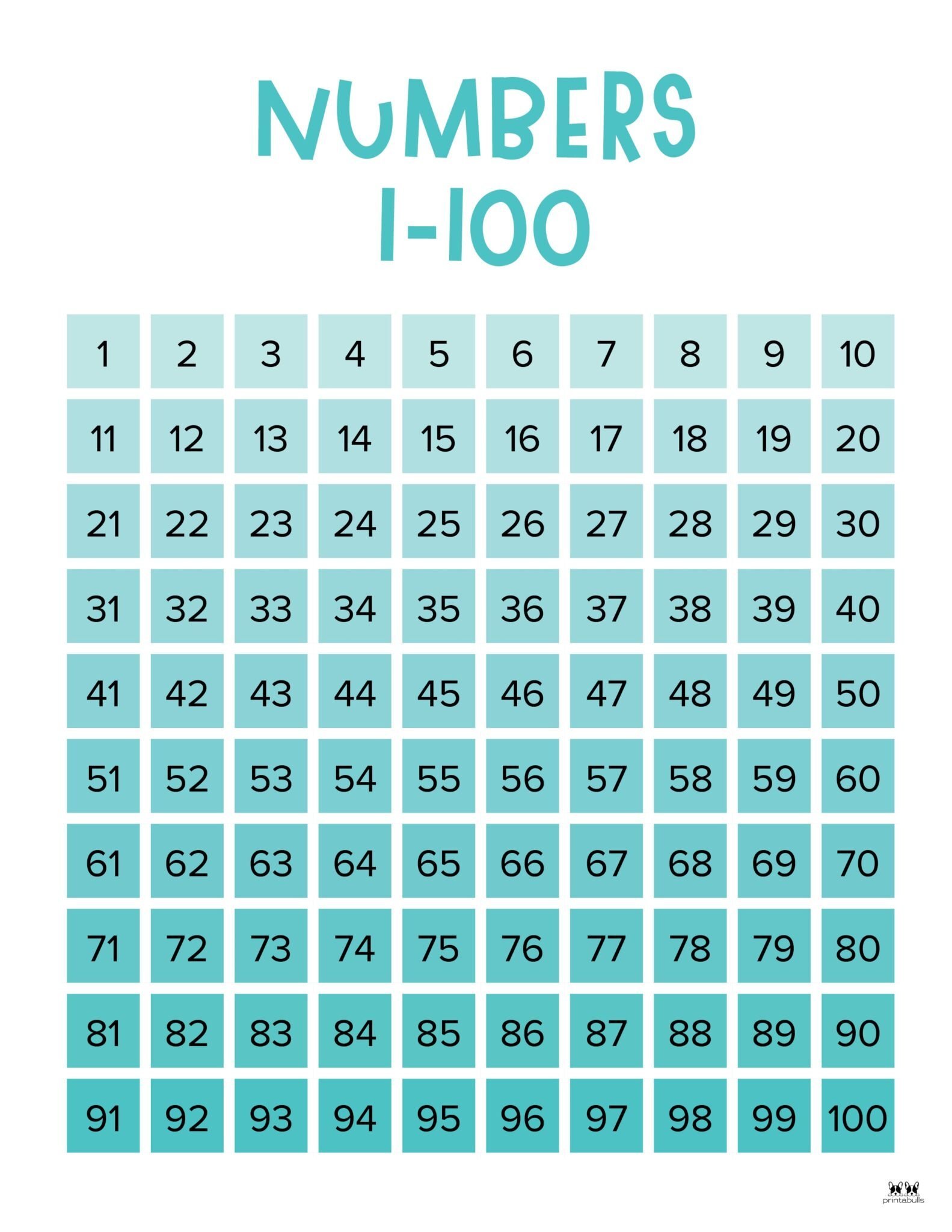
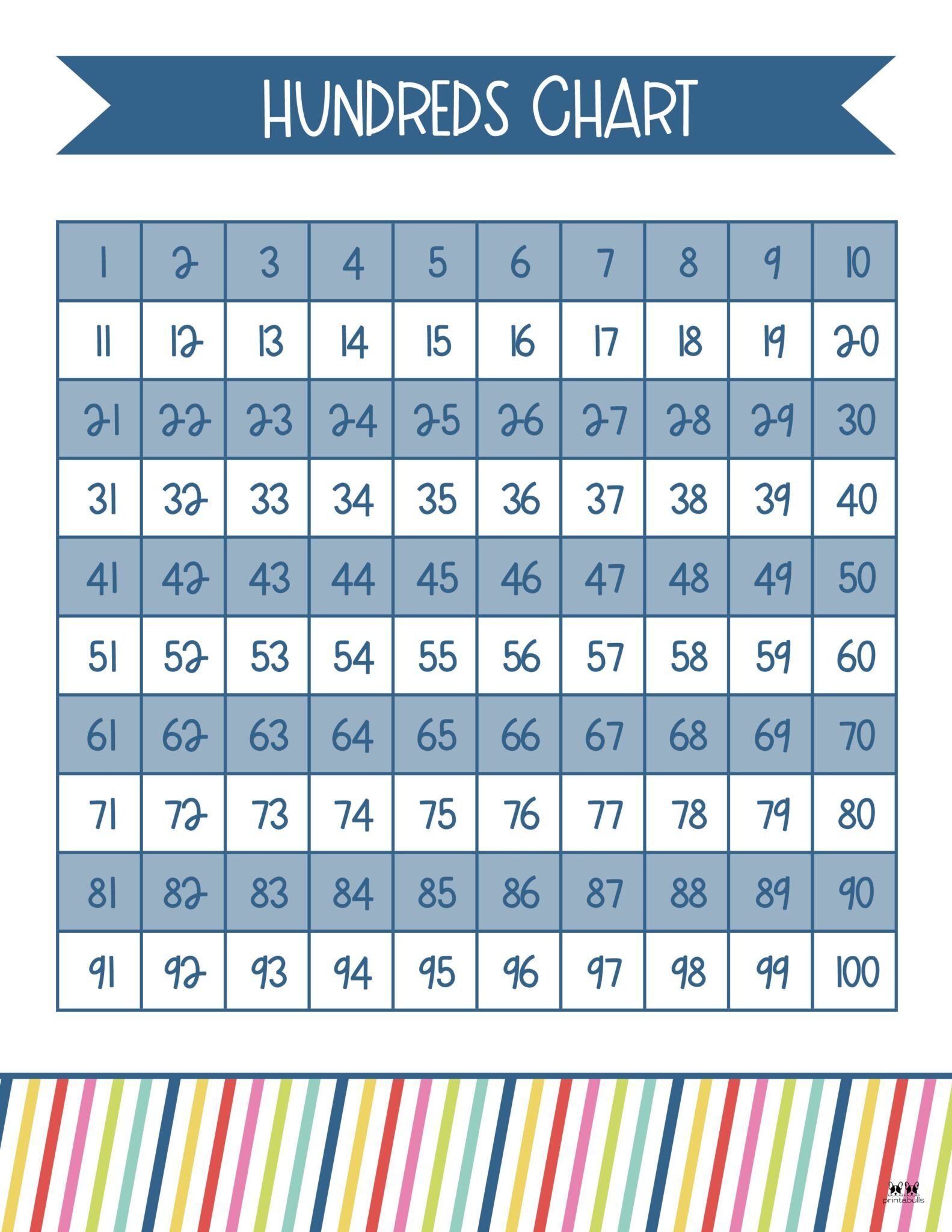
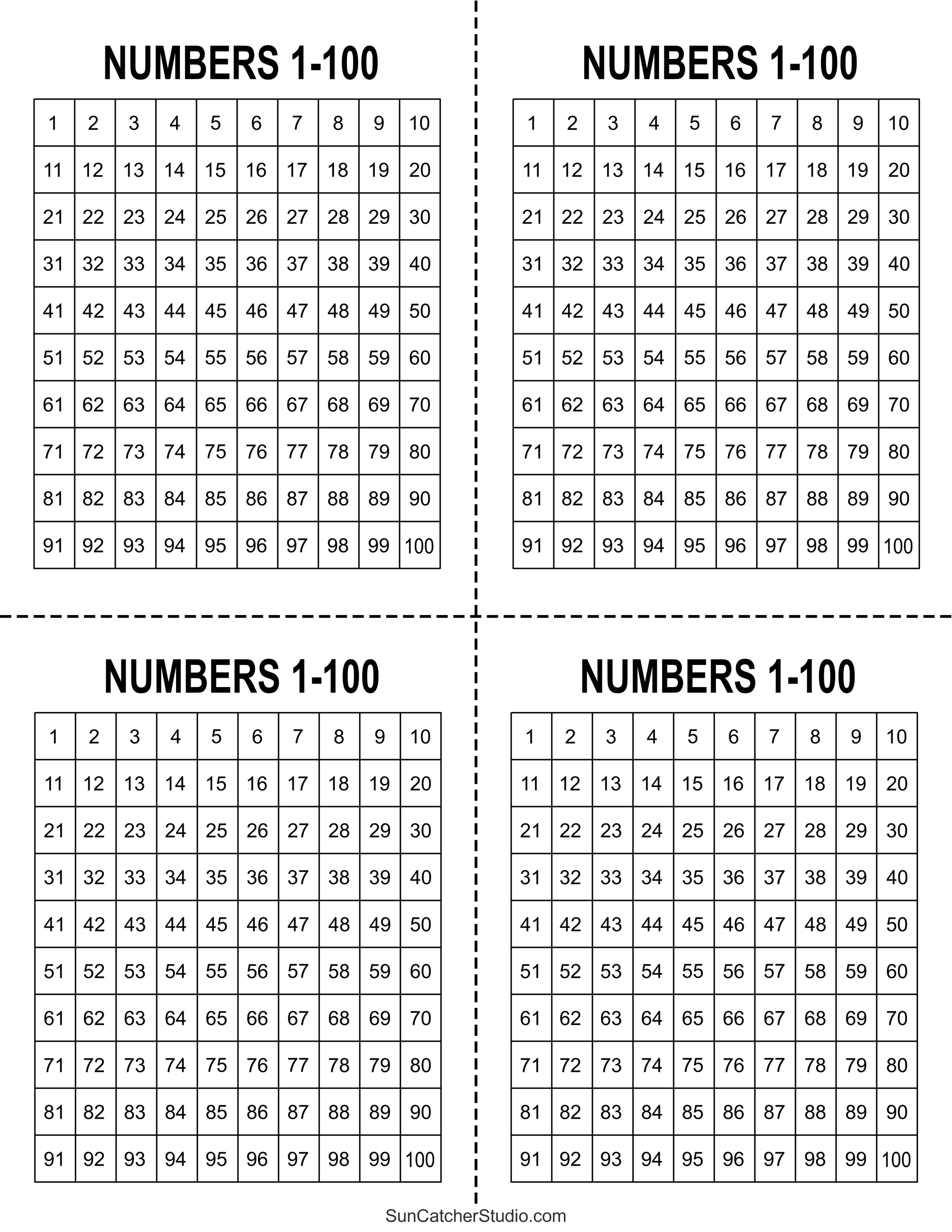
Black and White vs. Color: Simple black and white charts are versatile and easy to print, while color charts add a visual appeal and can be useful for highlighting specific patterns or numbers.
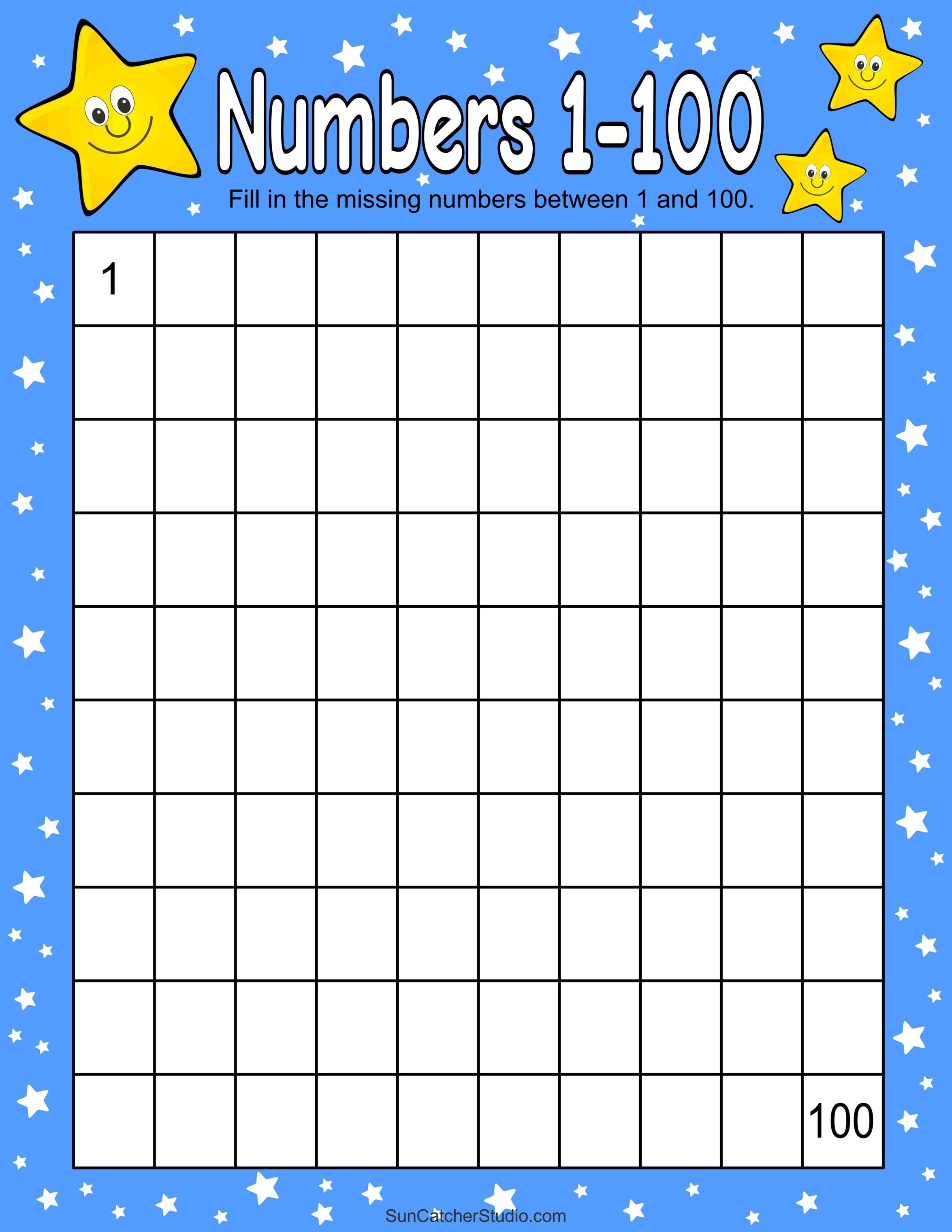
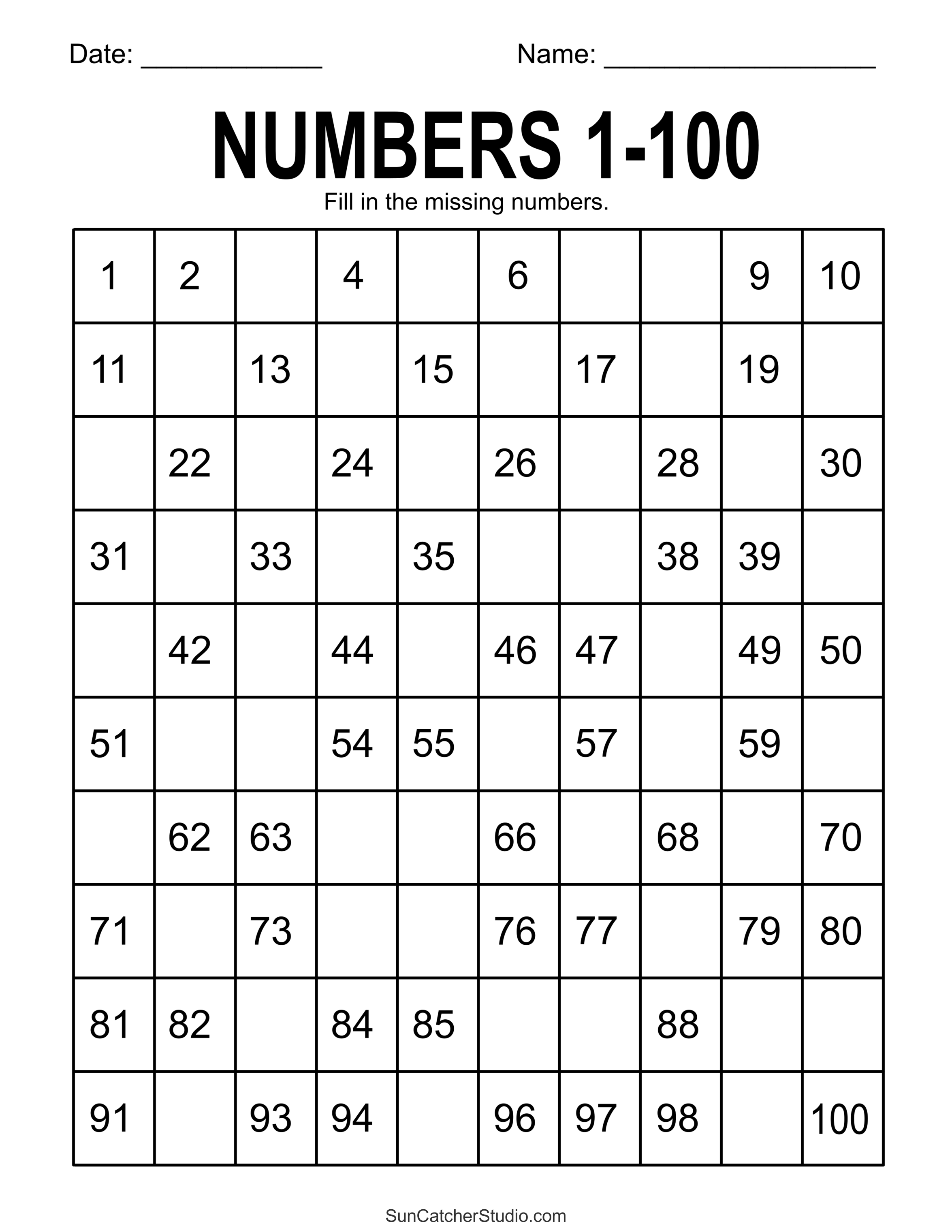
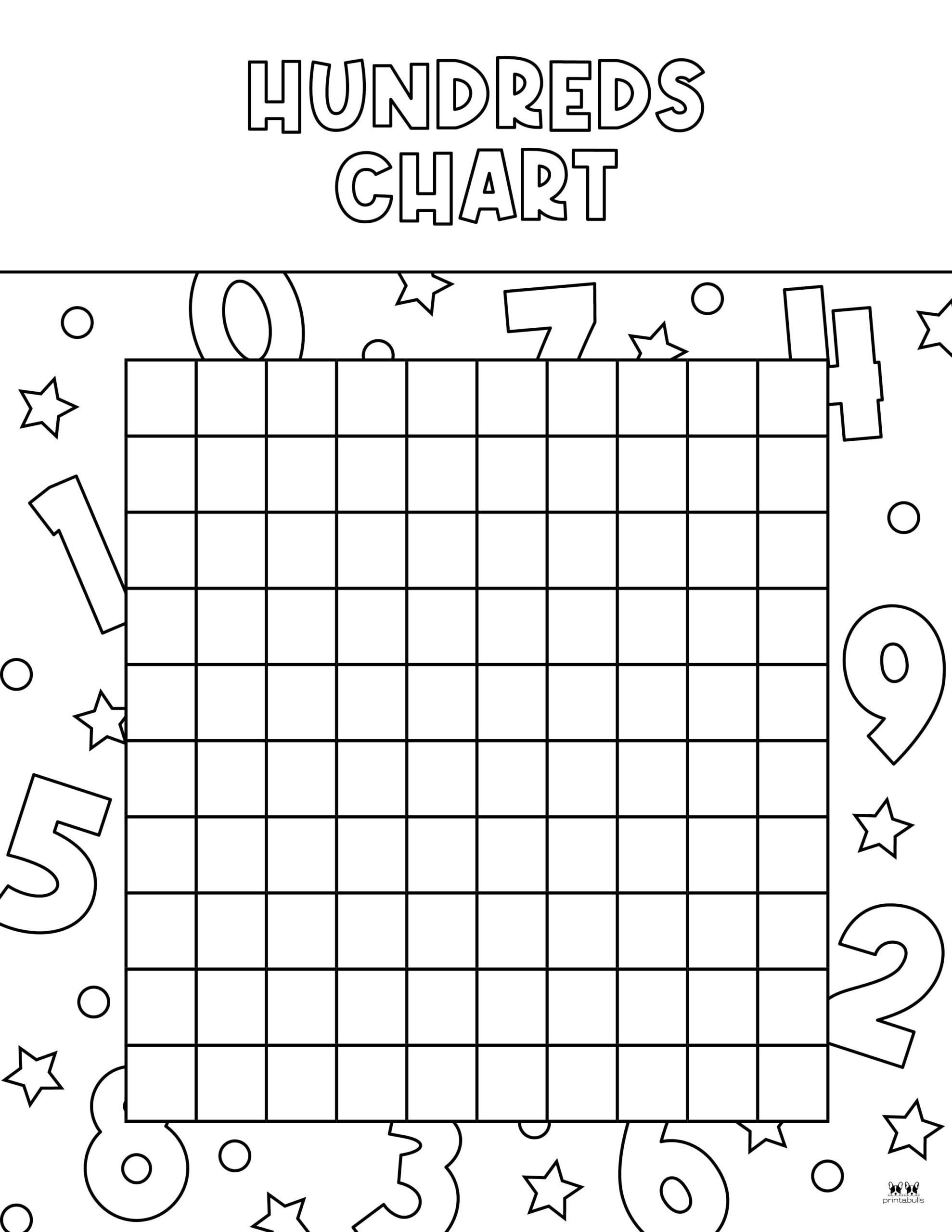
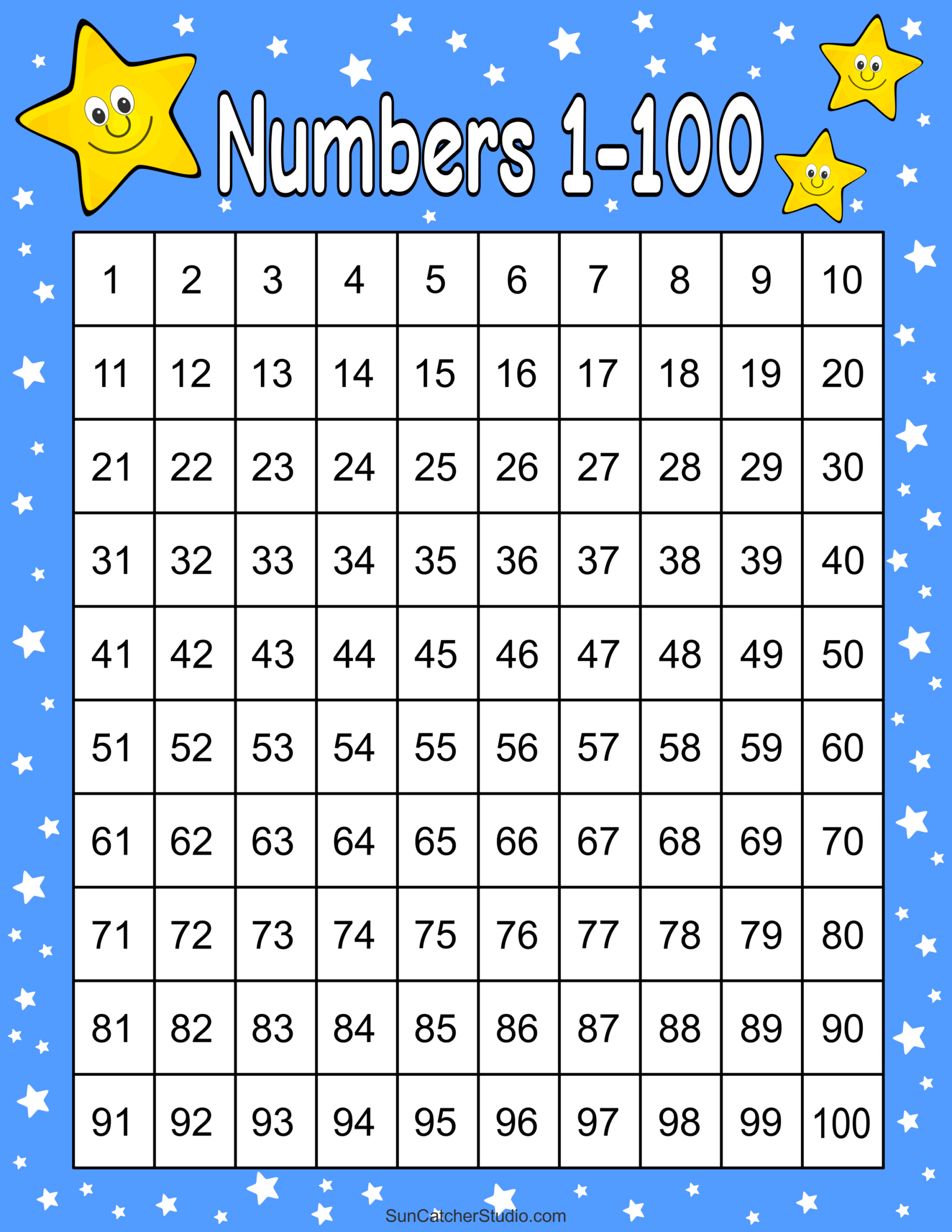
Filled-In vs. Blank: Filled-in charts provide a complete reference, ideal for quick reviews or as a counting aid. Blank charts, on the other hand, encourage active learning and are perfect for practice and skip counting exercises.
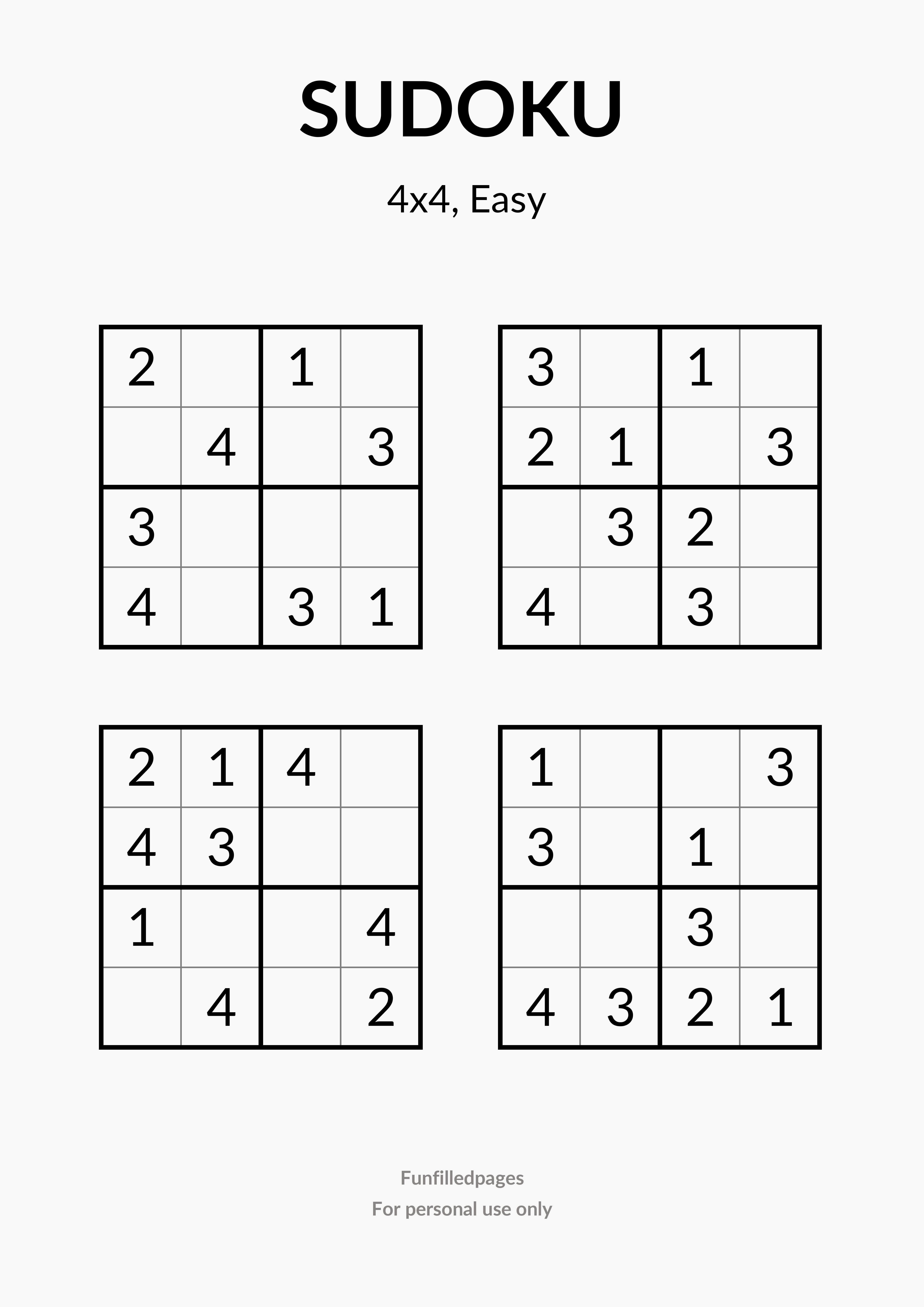
Puzzle Charts: These unique charts offer an engaging twist, helping students develop critical thinking skills while practicing number recognition and placement.
Sizing and Specifications
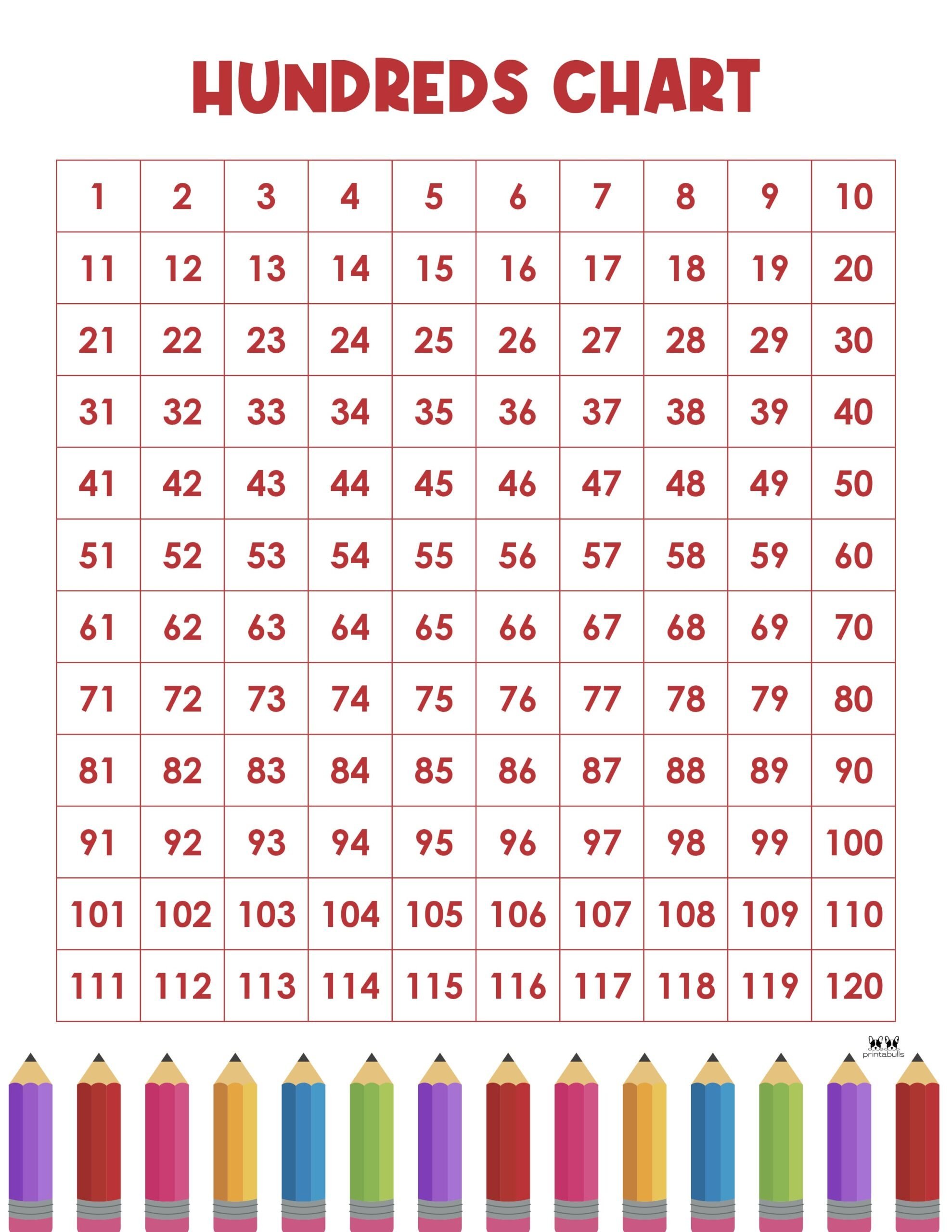
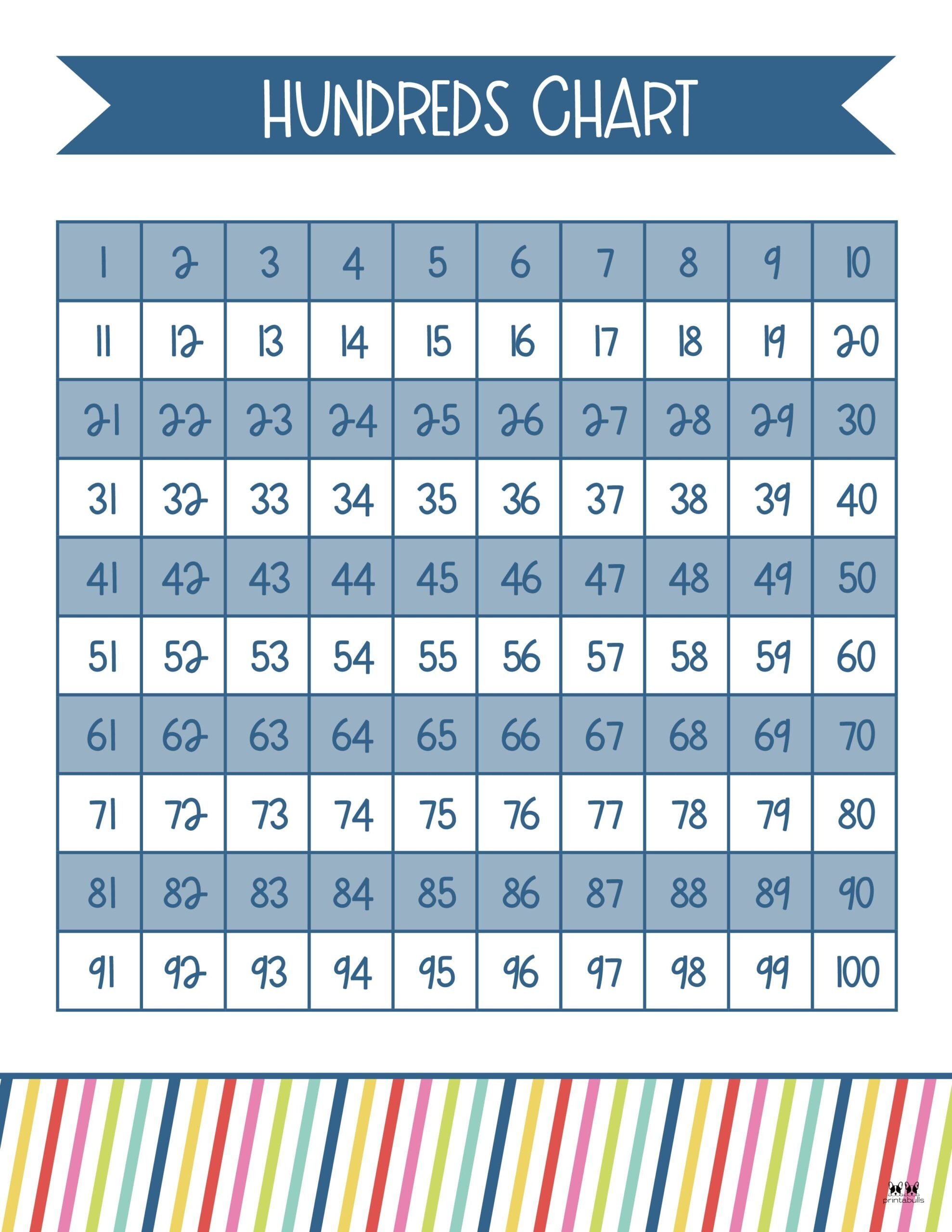
Most 100 chart printable designs follow a standard 10x10 grid format, ensuring a clear and organized layout. The size can vary, with some charts offering a more compact layout for easy reference, while others provide a larger grid for detailed work.

Materials and Styling
Printable charts are typically available in PDF format, offering flexibility and ease of use. You can print them on regular paper or choose sturdier options like cardstock for durability. Some charts also come with customizable features, allowing you to adjust colors, highlight specific numbers, or include personal touches.
Placement and Usage
100 chart printable can be used in various settings:
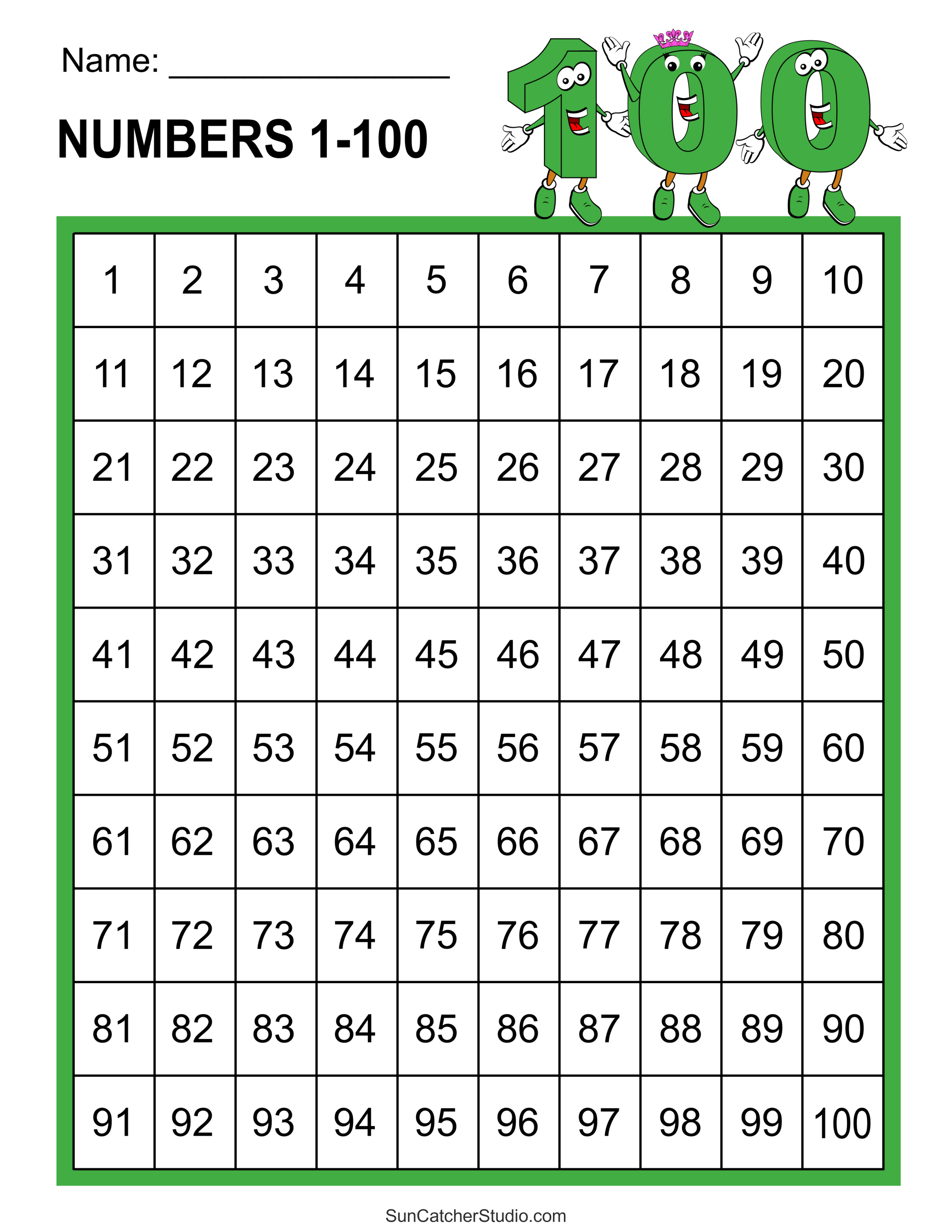
Classrooms: These charts are a staple in early education classrooms, providing a visual reference for students as they learn counting and number patterns.
Home Learning: Parents can use printable charts for home-based learning, offering a structured way to practice math skills and reinforce concepts.
Travel or On-the-Go: Compact printable charts are perfect for travel, allowing children to practice counting and skip counting during downtime or long journeys.
What to Check Before Printing or Downloading
When choosing a 100 chart printable, consider the following:
Difficulty Level: Some charts are designed for specific age groups or skill levels. Ensure the chart aligns with your learning goals and the student's current abilities.
Additional Features: Look for charts with extra elements like shaded evens, fives, or tens, which can aid in teaching number patterns and skip counting.
Customization Options: If you prefer a personalized approach, opt for charts that allow you to adjust colors, highlight numbers, or include custom labels.
With a wide range of options and the flexibility of printable formats, 100 chart printable offer an accessible and effective tool for teaching and practicing essential math skills.